Choosing between exclusive and non-exclusive dealerships is an important decision for construction equipment distributors. Both models offer business opportunities, but they differ in territorial rights, market competition, purchasing commitments, and operational flexibility.
For businesses exploring mini excavators for sale, understanding these differences helps identify suitable partnerships and avoid unnecessary business risks.
An exclusive dealership may offer territorial protection, while a non-exclusive arrangement may provide greater flexibility. The right choice depends on your financial resources, local market potential, and long-term business goals.
The primary difference is how manufacturers authorize dealers to sell equipment within a specific territory.
Exclusive Dealerships
An exclusive dealer may receive sole authorized distribution rights for specified products within an agreed region. Depending on the contract, the manufacturer may agree not to appoint other authorized dealers in that territory.
However, exclusivity does not automatically eliminate competition or prevent every type of direct sale.
Non-Exclusive Dealerships
Non-exclusive dealerships allow manufacturers to appoint multiple distributors within the same market. Dealers may compete for customers while maintaining independent business relationships with the manufacturer.
Why It Matters
Companies researching mini excavators for sale should examine how these arrangements influence sales opportunities, territorial rights, investment requirements, and business growth.
The exact rights and obligations must always be confirmed in the dealership agreement.
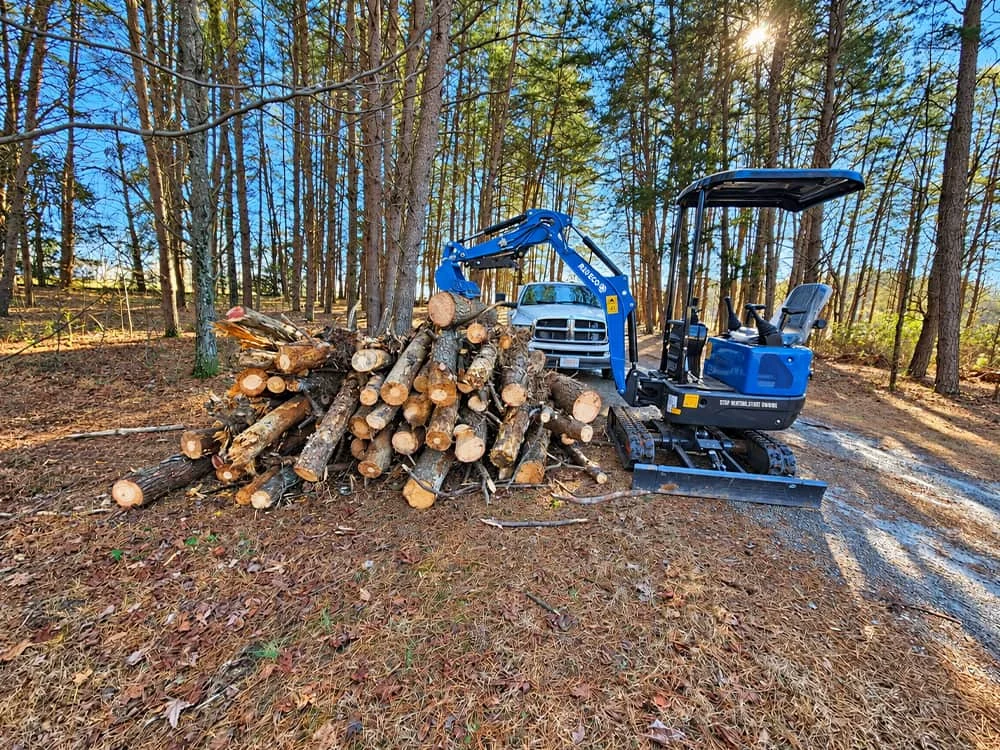
Exclusive dealerships can benefit established distributors seeking long-term market development opportunities.
Advantages
Territorial protection is a potential advantage. When clearly defined in an agreement, it may reduce direct competition from other authorized dealers representing the same manufacturer.
This arrangement can encourage investment in advertising, customer relationships, equipment demonstrations, and local market development.
For businesses marketing a mini excavator for sale, defined distribution rights may support more predictable sales planning.
Limitations
Exclusive agreements may involve purchasing commitments, sales targets, inventory expectations, or additional marketing responsibilities.
Dealers may need substantial working capital to maintain equipment availability and develop customer relationships.
Exclusive authorization also does not guarantee sales or eliminate competition from other machinery brands.
Before accepting an exclusive arrangement, businesses should evaluate whether expected market opportunities justify their contractual responsibilities.
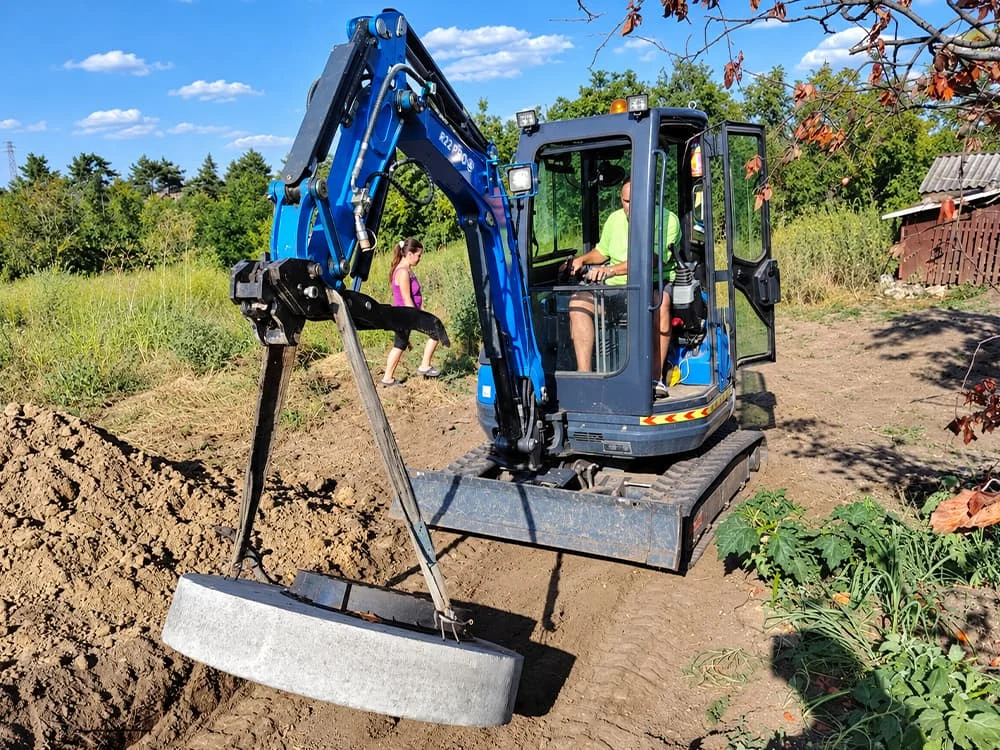
Non-exclusive dealerships may suit businesses entering a new market or expanding an existing equipment portfolio.
Advantages
These arrangements may offer greater purchasing and operational flexibility, depending on contract terms.
Businesses can potentially test market demand before making larger inventory commitments.
For example, a distributor offering a small excavator for sale may introduce additional equipment gradually while evaluating customer interest.
Non-exclusive arrangements can also suit companies serving several customer groups or managing multiple equipment categories.
Limitations
Multiple authorized dealers may operate in the same territory, creating additional competition for customers.
Dealers may need to differentiate themselves through product knowledge, customer service, delivery coordination, and marketing.
They may also have less protection for investments in local brand promotion.
However, non-exclusive dealers do not necessarily receive less technical assistance or manufacturer support. These responsibilities depend on negotiated terms.
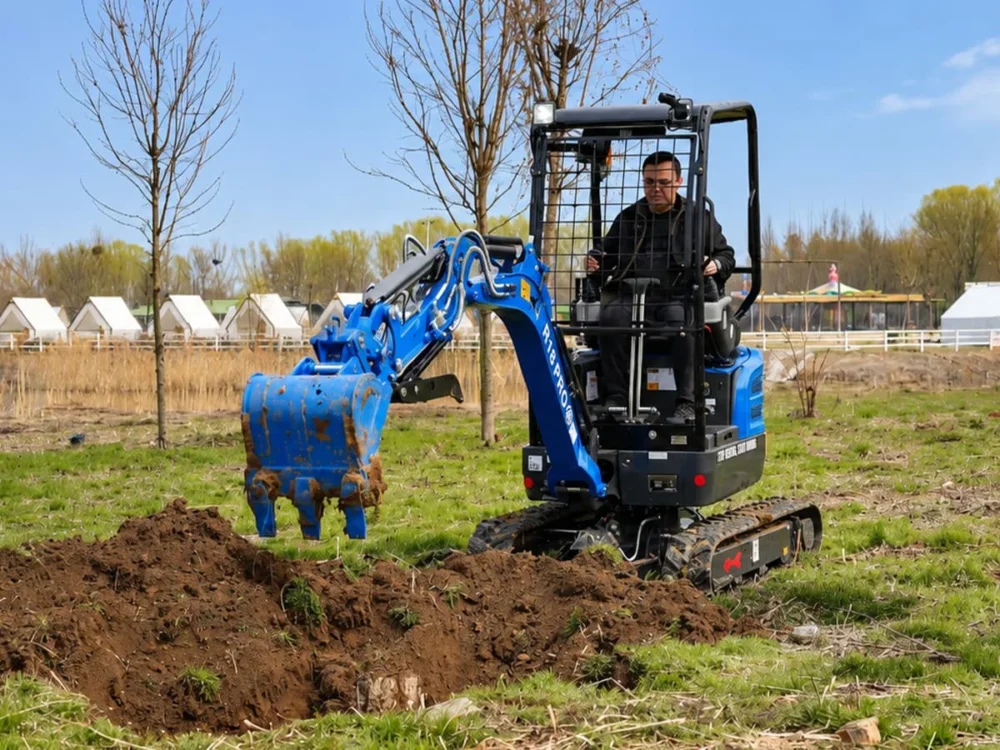
Dealership differences become clearer when comparing daily operational responsibilities.
Sales Territory
Exclusive agreements may provide defined territorial rights. Non-exclusive dealers generally operate without sole authorization in their markets.
Inventory and Purchasing
Exclusive dealers may face specific purchasing or sales commitments. Non-exclusive arrangements may offer more flexibility, although individual contracts vary.
For businesses promoting compact excavators for sale, inventory decisions should reflect customer demand and available working capital.
Spare Parts and Maintenance
Both dealership models need reliable access to mini excavator parts and appropriate customer support.
Responsibilities for mini excavator maintenance, warranty coordination, and technical assistance should be clearly documented.
Operational Comparison
| Business Factor | Exclusive Dealership | Non-Exclusive Dealership |
| Territory | May include exclusive rights | Usually shared market access |
| Competition | May limit other authorized dealers | Multiple dealers may compete |
| Purchasing | May require sales commitments | May offer greater flexibility |
| Marketing | Greater regional investment may be expected | Investment can be more flexible |
| Parts support | Based on the agreement | Based on the agreement |
| Maintenance | Defined contractual responsibilities | Defined contractual responsibilities |
These differences describe common arrangements rather than universal manufacturer policies.
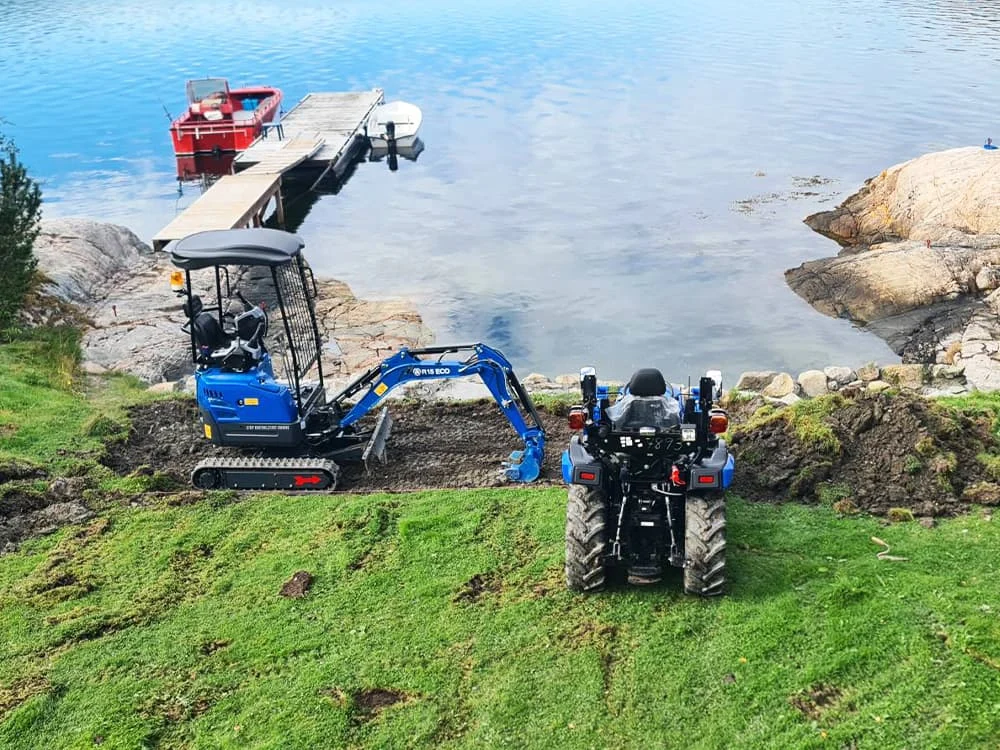
The best dealership model depends on business experience, financial capacity, customer resources, and market development goals.
Choose Exclusive Dealerships When
An exclusive arrangement may suit established distributors with strong customer networks, reliable sales teams, and sufficient financial resources.
Businesses planning long-term regional expansion may value clearly defined territorial rights.
However, they should carefully assess purchasing targets, investment requirements, and contract duration.
Choose Non-Exclusive Dealerships When
Non-exclusive arrangements may suit newer distributors or businesses introducing an additional equipment category.
They may provide an opportunity to evaluate demand while developing sales experience and customer relationships.
Review Partnership Terms
Before signing an agreement, confirm territorial rights, purchasing expectations, payment arrangements, delivery responsibilities, warranty procedures, and spare parts support.
When evaluating a Chinese mini excavator supplier, consider communication efficiency, supply coordination, and whether the proposed arrangement supports your business goals.
RIPPA is a construction machinery manufacturer serving international equipment buyers and potential distribution partners.
Businesses interested in dealership opportunities can explore RIPPA distributor cooperation to discuss target markets, business capabilities, and available partnership arrangements.
Not always. Exclusive dealerships may suit established distributors, while non-exclusive arrangements may offer greater flexibility for growing businesses.
Yes. Multiple authorized dealers may operate within the same territory, depending on their agreements and applicable laws.
Potentially. Changes require manufacturer approval and may depend on business performance, market conditions, and negotiated terms.
Tel: +8615628788742
Correo electrónico: contact02@rippa.com
WhatsApp: Excavadora Rippa
Dirección: Sexto parque industrial, ciudad de Jining, provincia de Shandong, China

 ES
 EN
 IT
 FR
 RU
 DE
 PT
 TR
 BG
 HR
 RO
 CS
 NN
 SL
 SV
 HU
 SK
 DA
 FI
 PL
 PT_BR

