Equipment downtime can interrupt construction schedules, increase operating expenses, and reduce business profitability. For contractors and machinery dealers, keeping excavators available and working efficiently is essential to completing projects on time.
When evaluating mini excavators for sale, buyers should consider more than machine performance and purchase costs. Maintenance requirements, equipment inspections, spare parts availability, and repair support all influence long-term equipment availability.
A practical downtime reduction strategy focuses on preventing failures, identifying problems early, and ensuring that machines can return to work as quickly as possible.
Regular inspections help identify equipment problems before they develop into unexpected breakdowns. A consistent inspection routine also allows operators to report abnormal conditions before they interrupt construction work.
Hydraulic leaks, damaged hoses, contaminated fluids, and engine abnormalities can cause unexpected equipment failures.
Before starting work, inspect accessible hydraulic connections, fluid levels, filters, and engine components. Look for oil leaks, unusual noises, and warning indicators.
An effective mini excavator inspection checklist should cover the engine, hydraulic system, cooling system, electrical connections, tracks, and working attachments.
Undercarriage problems can lead to expensive repairs and extended downtime.
Check track condition, rollers, idlers, sprockets, and visible signs of excessive wear. Remove accumulated mud, stones, and debris that could interfere with machine movement.
Early detection allows operators to arrange maintenance before damaged components affect normal operation.
Daily inspection records help identify recurring problems and track equipment condition.
Operators should document defects, unusual noises, fluid leaks, and corrective actions. Clear records also help maintenance teams prioritize repairs and prepare necessary replacement parts.
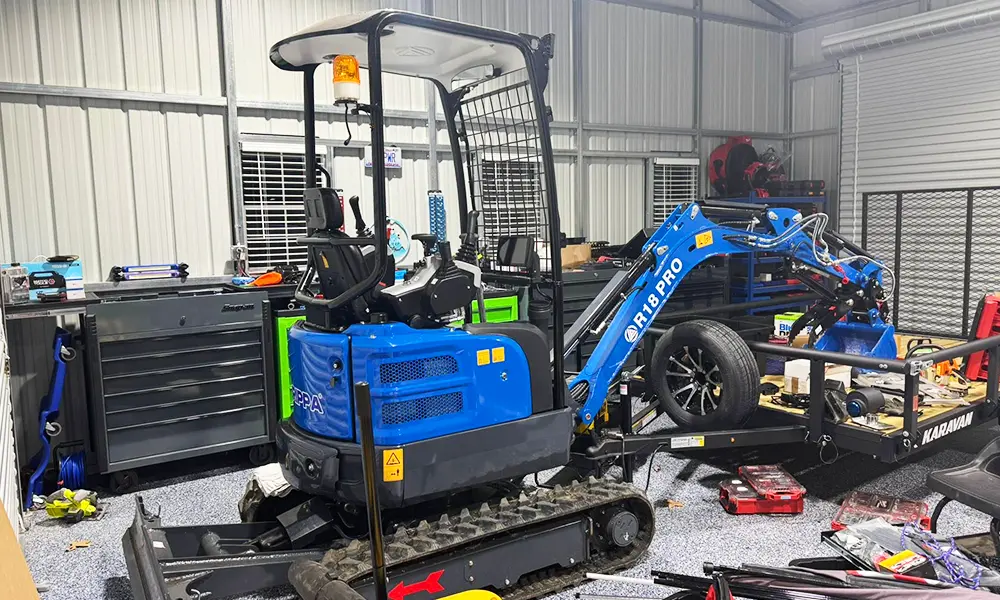
Preventive maintenance is one of the most effective ways to reduce unexpected equipment failures. Instead of waiting for a machine to break down, equipment owners should establish a maintenance routine based on manufacturer recommendations.
A suitable mini excavator maintenance program should include engine oil changes, hydraulic fluid inspections, filter replacement, lubrication, and undercarriage checks.
Following a mini excavator maintenance schedule helps ensure that important servicing tasks are completed at appropriate intervals.
Maintenance requirements may vary depending on operating conditions, workload, and machine configuration. Equipment owners should always follow the manufacturer’s instructions.
Hydraulic systems and cooling components play important roles in equipment reliability.
Inspect hoses, seals, connections, radiators, and cooling components for visible damage or contamination. Restricted airflow or insufficient fluid levels may contribute to overheating and reduced performance.
Address abnormal conditions before they develop into more serious failures.
Dirt, mud, and abrasive materials can accelerate wear around moving components.
Clean critical areas regularly and lubricate designated joints according to manufacturer recommendations.
Consistent maintenance reduces unnecessary wear and helps keep equipment available for scheduled projects.
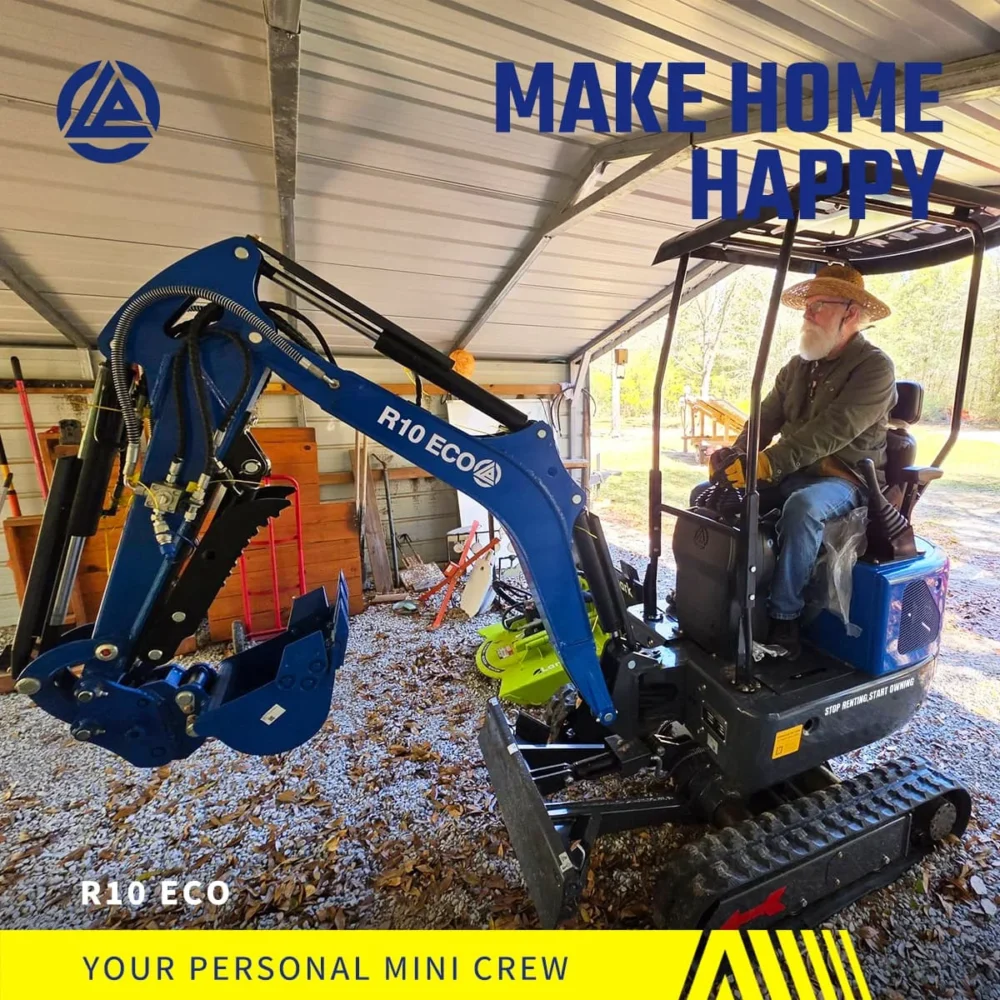
Monitoring equipment usage provides valuable information for planning maintenance and identifying machines that may require additional attention.
Recording mini excavator operating hours helps equipment owners determine when scheduled inspections and servicing are due.
Operating hours provide a useful reference for maintenance planning, particularly when machines work across multiple construction sites.
However, operating hours should not be considered the only indicator of equipment condition. Workload, soil conditions, and operating practices also influence component wear.
Some excavators operate under heavier workloads than others.
Machines frequently performing demanding excavation, lifting, or material handling tasks may require closer monitoring.
By reviewing usage records, equipment managers can identify machines with higher maintenance needs and schedule inspections before problems interrupt production.
Where compatible telematics systems are available, equipment owners can monitor operating information, warning indicators, fuel consumption, and machine performance.
Regularly reviewing available reports helps identify unusual changes, such as rising engine temperatures or declining operating performance.
Early investigation can turn a developing equipment problem into a planned maintenance task instead of an unexpected breakdown.
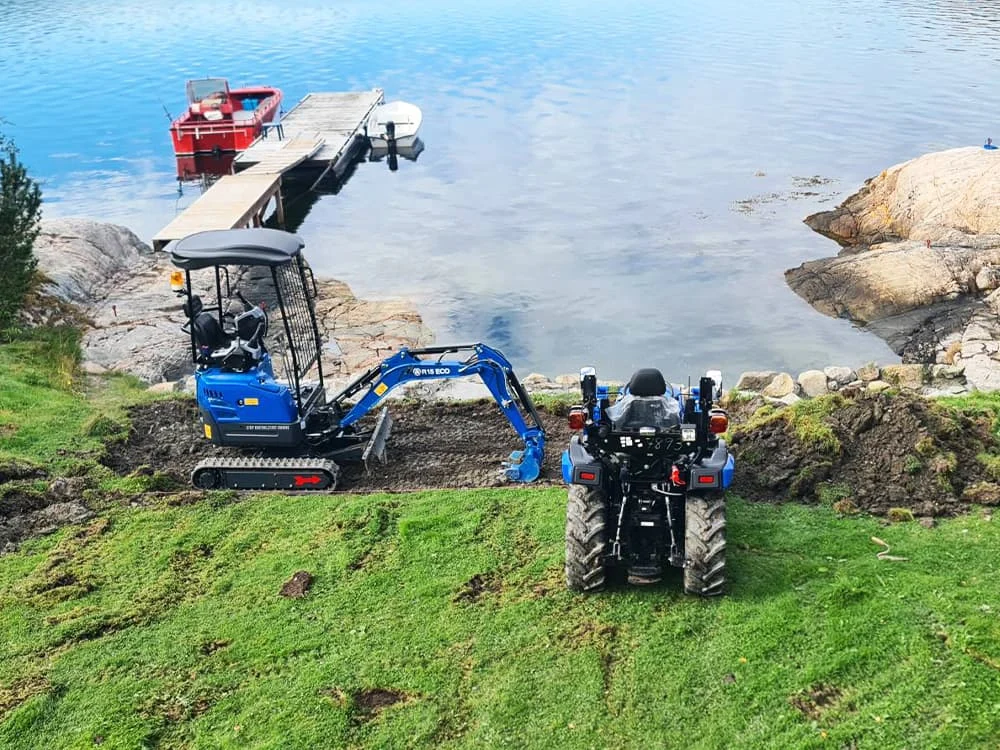
Even with regular maintenance, equipment components eventually wear out or require replacement. Waiting for parts after a breakdown can extend downtime and disrupt project schedules.
Dealers should identify parts commonly needed for their customers’ equipment and applications.
Depending on machine configuration and operating conditions, important inventory categories may include filters, hydraulic hoses, seals, track components, bucket teeth, and other replacement items.
Understanding local customer demand helps dealers prioritize inventory.
Keeping frequently needed mini excavator parts in stock can reduce waiting time when repairs become necessary.
Dealers should organize inventory according to equipment compatibility, replacement frequency, supplier lead times, and customer demand.
However, excessive inventory also ties up working capital. A balanced stocking strategy helps maintain parts availability without creating unnecessary inventory costs.
Incorrect replacement parts can cause additional repair work and further downtime.
Before ordering excavator parts for sale, confirm part numbers, dimensions, technical specifications, and compatibility with the equipment.
Reliable supplier communication and accurate parts records help prevent ordering mistakes and unnecessary delays.
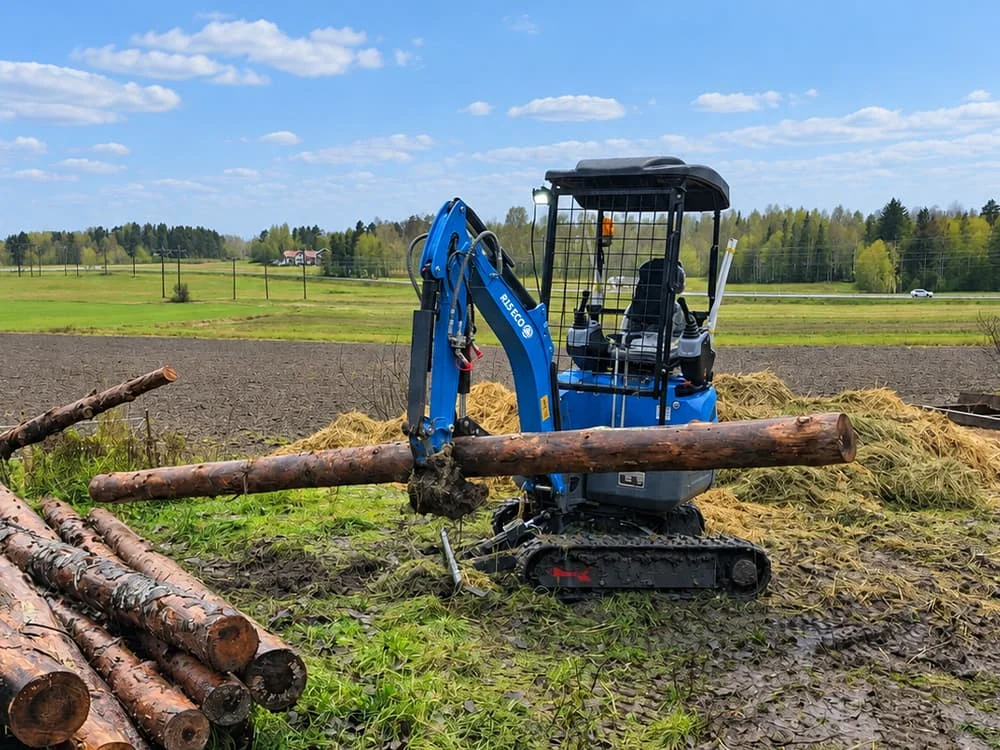
Operator behavior has a direct influence on equipment condition and maintenance requirements. Incorrect operating habits can accelerate component wear and increase the likelihood of breakdowns.
Sudden turns, excessive track spinning, unnecessary high-speed travel, and repeated impacts can place additional stress on machine components.
Operators should use controlled movements, follow appropriate digging techniques, and avoid forcing the machine beyond its rated capabilities.
Using incompatible attachments or exceeding hydraulic limits can damage working components.
Before operation, confirm attachment compatibility, hydraulic requirements, and approved working limits.
For contractors evaluating mini excavators for sale, understanding operating requirements is just as important as comparing machine specifications.
Equipment dealers can help customers understand operating procedures, inspection requirements, and machine limitations.
Providing clear operating guidance helps reduce avoidable mistakes and encourages operators to report abnormal conditions early.
Better operator training can improve equipment utilization and reduce repair-related interruptions.
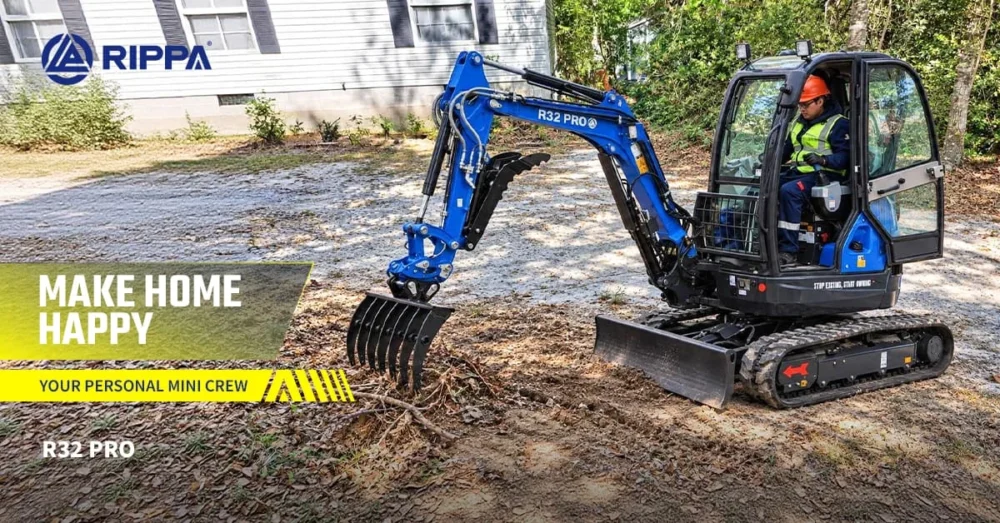
Preventive measures cannot eliminate every equipment failure. When problems occur, fast diagnosis, qualified technicians, and reliable parts supply become essential.
Experienced technicians can identify equipment problems and recommend appropriate repair procedures.
Clear maintenance records and accurate fault descriptions help technicians understand the problem and reduce unnecessary diagnostic work.
Repair delays often increase when required components are unavailable.
Dealers should maintain communication with suppliers, confirm parts compatibility, and establish reliable ordering procedures.
A dependable supply network helps customers return equipment to operation more quickly.
For international dealers, choosing a reliable manufacturer involves more than comparing equipment specifications and mini excavator price.
Technical documentation, replacement parts availability, warranty procedures, and after-sales support all influence long-term business performance.
RIPPA is a construction machinery manufacturer serving international equipment buyers and potential distribution partners.
For dealers looking to expand their machinery business, reliable equipment supply and ongoing technical support can strengthen customer relationships and improve after-sales service.
Explore RIPPA distributor opportunities to discuss equipment sourcing, parts support, and potential long-term dealership cooperation.

Common causes include hydraulic failures, engine problems, undercarriage wear, incorrect operation, and delayed replacement parts.
Regular inspections and scheduled servicing help identify problems early and reduce unexpected equipment failures.
Having compatible replacement parts available reduces ordering delays and helps technicians complete repairs sooner.
Tel: +8615628788742
E-Mail: contact02@rippa.com
WhatsApp: Rippa Bagger
Adresse: Der sechste Industriepark, Jining Stadt, Provinz Shandong, China

 DE
 EN
 ES
 IT
 FR
 RU
 PT
 TR
 BG
 HR
 RO
 CS
 NN
 SL
 SV
 HU
 SK
 DA
 FI
 PL
 PT_BR

