Quality control is essential when purchasing mini excavators for construction, landscaping, and equipment distribution. Buyers need to verify machine condition, component quality, operating functions, and safety features before accepting equipment.
For businesses exploring mini excavators for sale, a structured inspection process helps identify defects, document equipment condition, and reduce delivery disputes.
A practical quality control checklist should cover visual inspections, structural components, hydraulic systems, safety devices, functional testing, and final acceptance records.
This guide explains what equipment buyers and potential dealers should inspect, how to organize pre-delivery checks, and how to handle quality issues.
Before purchasing equipment, buyers should establish clear inspection requirements.
Check Equipment Appearance
Inspect the exterior for visible damage, corrosion, loose components, missing covers, or unusual signs of wear. Check whether protective panels and visible fittings are properly installed.
Verify Product Information
Confirm the machine identification details, agreed configuration, and available documentation.
The equipment should match the specifications and conditions stated in the purchase agreement.
Review Manufacturing and Inspection Records
Ask the supplier about its quality inspection procedures and available test records.
These documents can help buyers understand which inspections have already been completed.
Check Transportation Condition
If the equipment has already been transported, inspect it for possible loading or shipping damage.
Confirm Acceptance Requirements
Agree on inspection responsibilities, testing arrangements, and procedures for addressing defects before delivery.
When evaluating a mini excavator for sale, buyers should use consistent criteria rather than relying only on appearance.
For distributors purchasing mini excavators for sale, documented inspections can support more reliable inventory acceptance.

Component inspection helps identify assembly problems and visible defects before equipment enters service.
Inspect Structural Components
Check the boom, arm, frame, and other accessible structural areas for visible cracks, deformation, corrosion, or unusual damage.
Examine accessible welds for obvious defects. Detailed structural evaluation should be performed by qualified inspectors when necessary.
Check Tracks and Undercarriage
Inspect track condition, rollers, visible fasteners, and accessible undercarriage components.
Look for incorrect installation, damaged parts, or abnormal looseness.
Inspect Hydraulic Connections
Check visible hydraulic hoses, fittings, and connections for damage, incorrect routing, or leakage.
Hoses should not appear excessively twisted, pinched, or improperly secured.
Review Assembly Quality
Examine accessible pins, bushings, protective covers, and mounting connections.
Confirm that components appear correctly installed according to the manufacturer’s requirements.
Verify Replacement Parts
Buyers should understand how to identify compatible mini excavator parts for future servicing.
Parts documentation can help dealers confirm replacement requirements and reduce ordering errors.
For businesses sourcing a small excavator for sale, careful component inspection provides useful information about the equipment’s manufacturing condition.
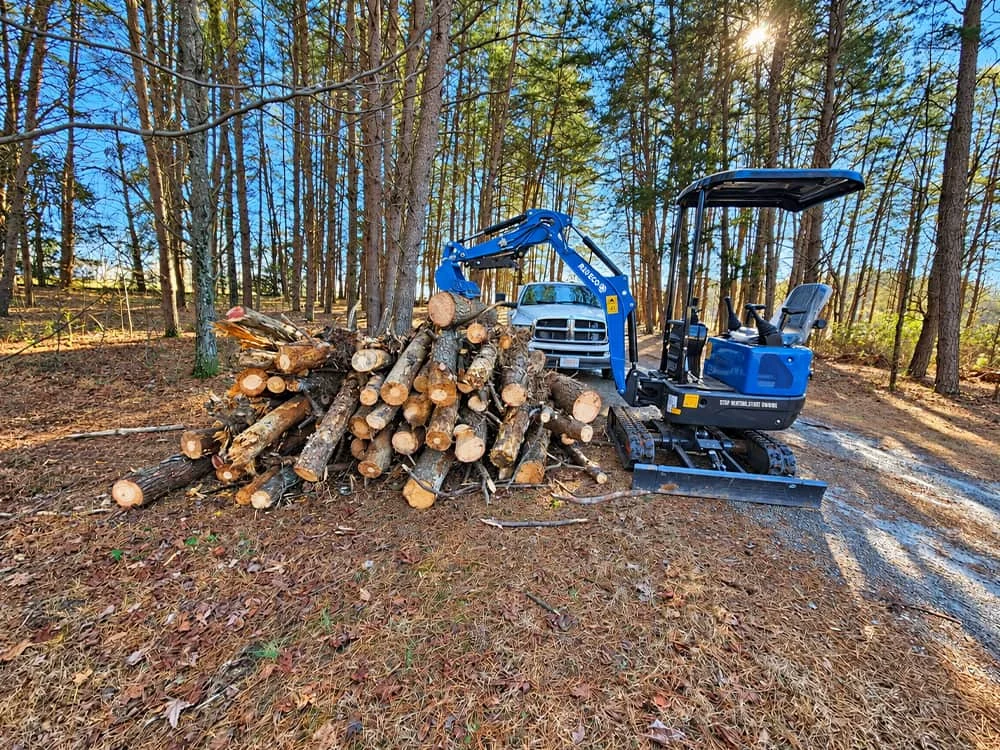
Functional testing helps verify whether major systems operate as intended.
Testing must follow the manufacturer’s instructions and be conducted by qualified personnel in a controlled area.
Hydraulic System Checks
Inspect accessible hydraulic components for visible leaks before and after testing.
During approved functional tests, observe whether hydraulic movements respond consistently and whether unusual sounds or behavior occur.
Operating Control Checks
Verify that applicable controls operate according to the equipment manual.
Check control response and identify unexpected movement or abnormal operation.
Travel and Movement Tests
Where appropriate, qualified operators should test travel functions and basic machine movements under suitable conditions.
Unusual vibration, noise, or irregular movement should be documented.
Safety Feature Inspection
Check applicable safety devices, including seat belts, warning indicators, protective structures, and control-locking systems.
The availability of individual safety features depends on equipment design and configuration.
Record Functional Results
Document completed tests, observations, and any abnormalities requiring further investigation.
When assessing compact excavators for sale, buyers should request relevant functional inspection records rather than relying on general performance claims.
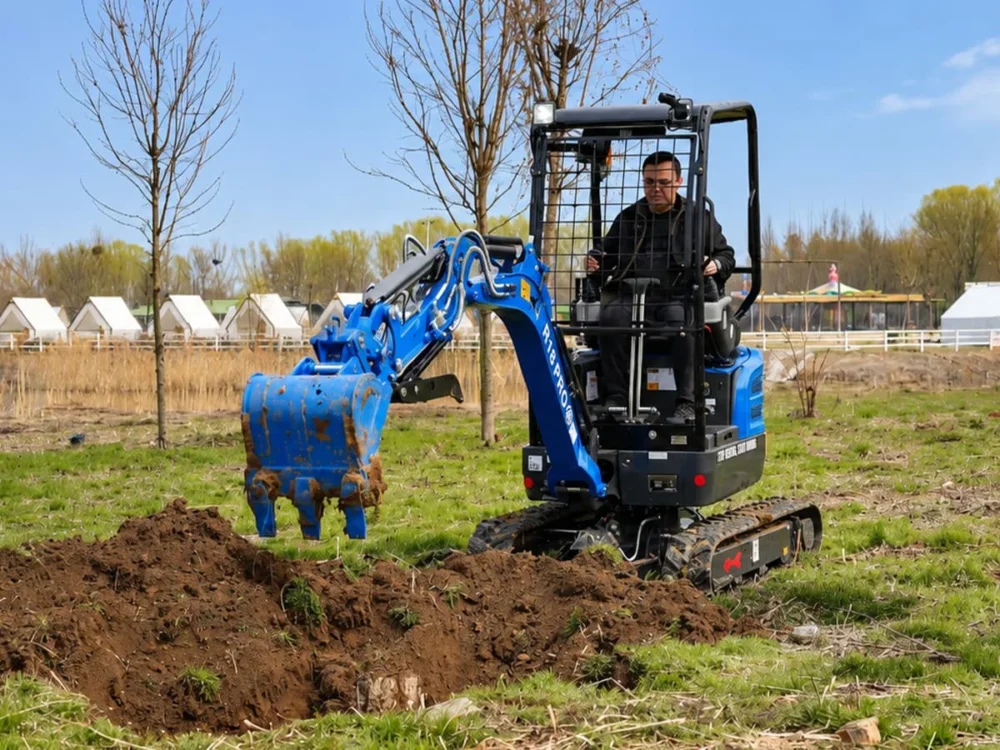
A standardized inspection checklist helps buyers and dealers complete consistent pre-delivery evaluations.
Prepare the Inspection Form
Include machine identification, inspection date, responsible personnel, inspection items, and acceptance status.
Follow a Clear Checklist
A practical mini excavator inspection checklist may include:
Record Inspection Results
Mark each item as passed, failed, or not applicable.
Record observations and attach photographs where necessary.
Identify Outstanding Issues
Create a separate list of defects requiring correction or further evaluation.
Confirm Final Acceptance
Equipment should be accepted only after the agreed inspection requirements have been satisfied and unresolved issues have been addressed appropriately.
Checklists should follow the relevant equipment manual and purchase agreement.
They support quality assessment but do not replace specialized technical testing or mandatory inspections.

Inspection records are useful only when identified problems are properly documented and followed through.
Create Inspection Reports
Record the inspection date, machine identification, test results, photographs, and responsible personnel.
Clear records help buyers communicate with manufacturers and service teams.
Classify Quality Problems
Separate issues affecting safety or essential operation from cosmetic defects and documentation problems.
Any safety-related defect should be evaluated before the equipment is operated or released for use.
Request Corrective Actions
Provide the manufacturer with a clear defect description and supporting evidence.
Agree on corrective responsibilities, required actions, and verification arrangements.
Arrange Reinspection
After corrections, qualified personnel should verify that the relevant issues have been resolved.
Update inspection reports with the results.
Maintain Equipment Records
Keep quality inspection records separate from routine mini excavator maintenance records while preserving a clear equipment history.
This information can support future service communication and warranty discussions.
For equipment distributors, organized inspection and correction procedures help establish consistent delivery standards.
RIPPA is a construction machinery manufacturer serving international equipment buyers and distribution partners. Businesses interested in distributing mini excavators can explore RIPPA distributor opportunities to discuss equipment supply, quality expectations, and potential dealership cooperation.
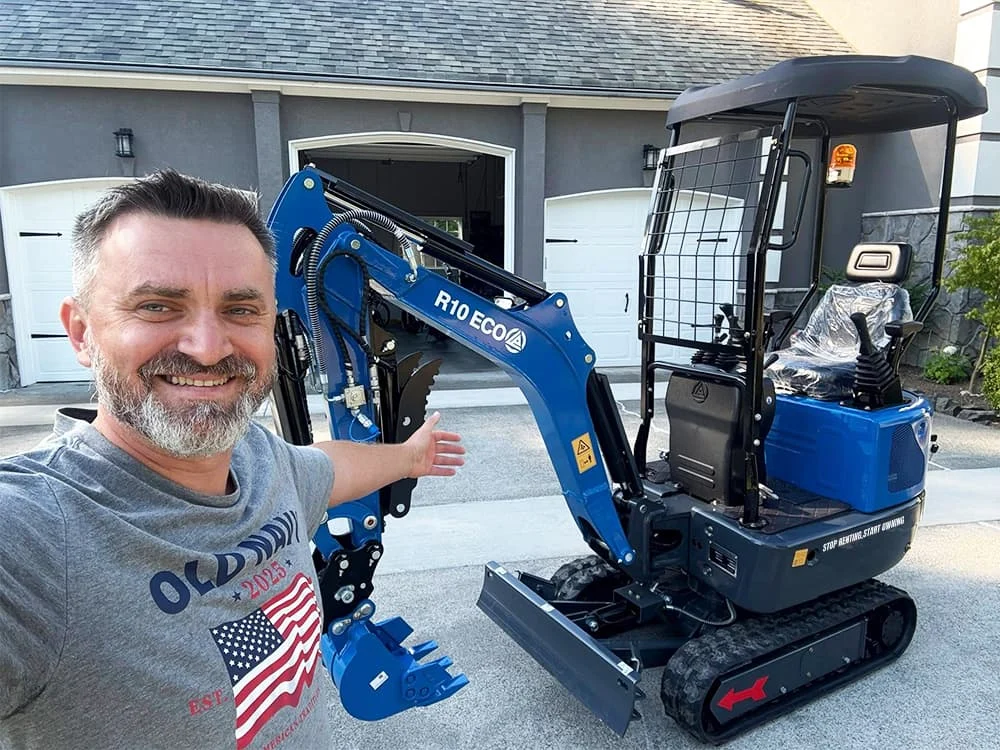
Common items include structural components, tracks, hydraulic connections, operating controls, safety devices, and equipment documentation.
Yes, where practical. Qualified personnel should perform appropriate inspections and functional tests before acceptance.
Document the defect, notify the supplier, agree on corrective actions, and verify the results before acceptance.
Tel: +8615628788742
E-Mail: contact02@rippa.com
WhatsApp: Rippa Bagger
Adresse: Der sechste Industriepark, Jining Stadt, Provinz Shandong, China

 DE
 EN
 ES
 IT
 FR
 RU
 PT
 TR
 BG
 HR
 RO
 CS
 NN
 SL
 SV
 HU
 SK
 DA
 FI
 PL
 PT_BR

