Regular mini excavator maintenance is essential for keeping equipment reliable, reducing unexpected repairs, and extending service life. Whether used for construction, landscaping, or agricultural projects, a mini excavator requires consistent inspections and scheduled servicing to maintain its performance.
Following a clear maintenance routine helps operators identify potential problems before they become expensive failures. A structured maintenance plan should include daily checks, weekly inspections, monthly component assessments, and annual servicing. Understanding these tasks can help equipment owners protect their investment and reduce unnecessary downtime.
Daily inspections are the foundation of effective mini excavator routine maintenance. Before starting work, operators should spend a few minutes checking essential systems and identifying visible problems.
Check engine oil and coolant levels according to the manufacturer’s instructions. Low fluid levels can affect engine performance and increase the risk of overheating or component damage.
Check the hydraulic oil level and inspect hoses, cylinders, and connections for visible leaks. Hydraulic problems can reduce digging performance and affect attachment operation.
Look for damaged rubber tracks, excessive dirt buildup, loose components, and unusual wear. Remove mud, stones, and debris that may interfere with track movement.
Check bucket teeth, pins, bolts, and attachment connections. Loose or damaged components should be addressed before operating the machine.
Check operating controls, warning indicators, lights, and emergency functions. Confirm that the machine responds correctly before beginning work.
Completing these checks every working day helps prevent minor issues from developing into more serious mechanical problems.
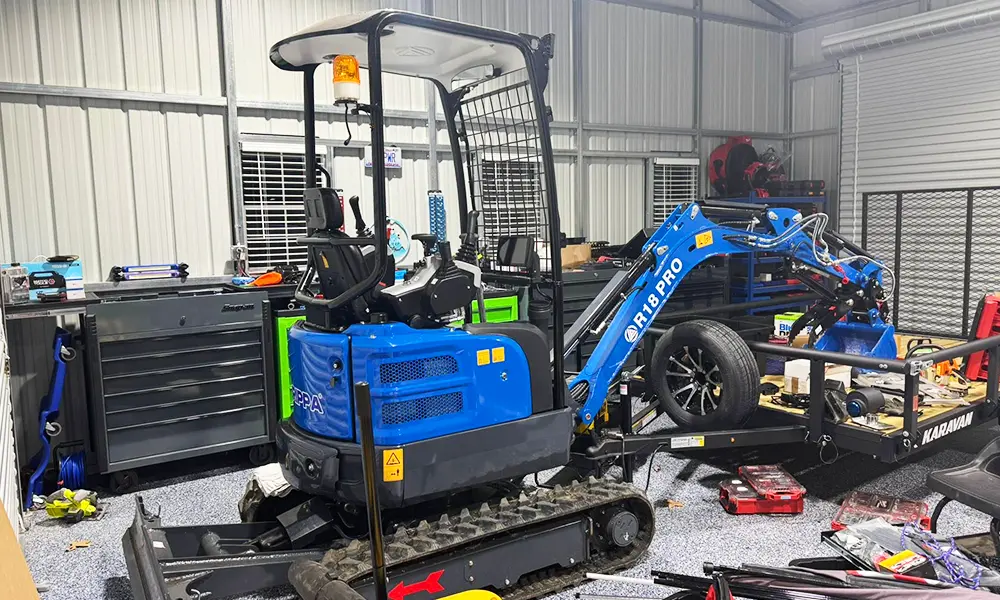
A weekly mini excavator inspection checklist should cover components that may not require attention during every daily inspection. These checks help identify gradual wear and developing mechanical issues.
Hydraulic System: Inspect hydraulic hoses, fittings, cylinders, and visible connections. Look for cracks, leaks, damaged protective coverings, or unusual movement.
Air Filters and Cooling System: Check air filter condition and remove accumulated dust and debris from accessible cooling areas. Clean components according to manufacturer recommendations.
Battery and Electrical Connections: Examine battery terminals, wiring connections, and visible electrical components for corrosion, looseness, or damage.
Pins and Bushings: Inspect boom, arm, and bucket connection points. Check for excessive movement, loose pins, and insufficient lubrication.
Track Tension: Examine track condition and tension. Follow the manufacturer’s instructions when making adjustments because incorrect tension can accelerate undercarriage wear.
Greasing Points: Lubricate designated joints and moving components according to the equipment maintenance manual.
Keeping weekly inspection records helps operators identify recurring issues and plan repairs before they interrupt scheduled projects.
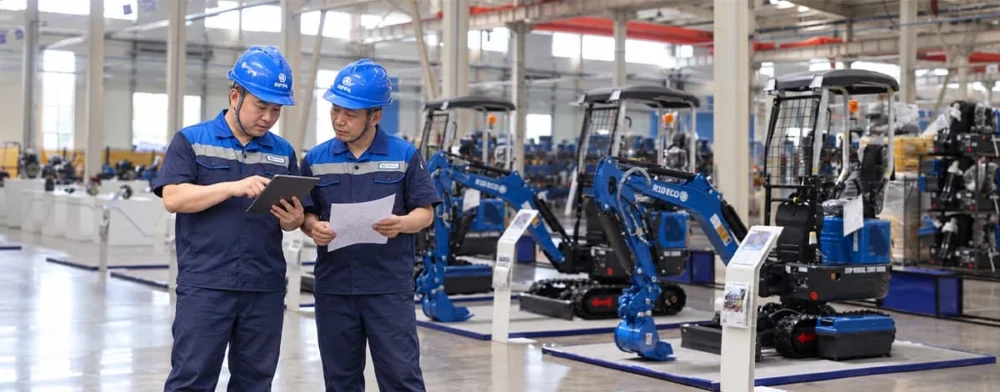
Monthly compact excavator maintenance focuses on component wear, fluid condition, and systems that require more detailed attention.
Inspect the Undercarriage.
Check tracks, rollers, idlers, sprockets, and related components for uneven wear or damage. The undercarriage is exposed to dirt, stones, and repeated friction, making regular assessment important.
Review Hydraulic Performance.
Pay attention to slow movements, unusual operating noise, inconsistent pressure, and changes in digging performance. Investigate abnormal conditions rather than continuing to operate without identifying the cause.
Examine Engine Components.
Inspect accessible hoses, belts, filters, and connections. Look for deterioration, loose fittings, and signs of fluid leakage.
Check Structural Components.
Examine the boom, arm, bucket, mounting points, and visible weld areas for cracks or deformation.
Review Maintenance Records.
Compare operating hours with previous service records. Identify components approaching their recommended replacement intervals and plan maintenance accordingly.
Monthly inspections help owners understand the overall condition of their machines and prepare for upcoming servicing requirements.
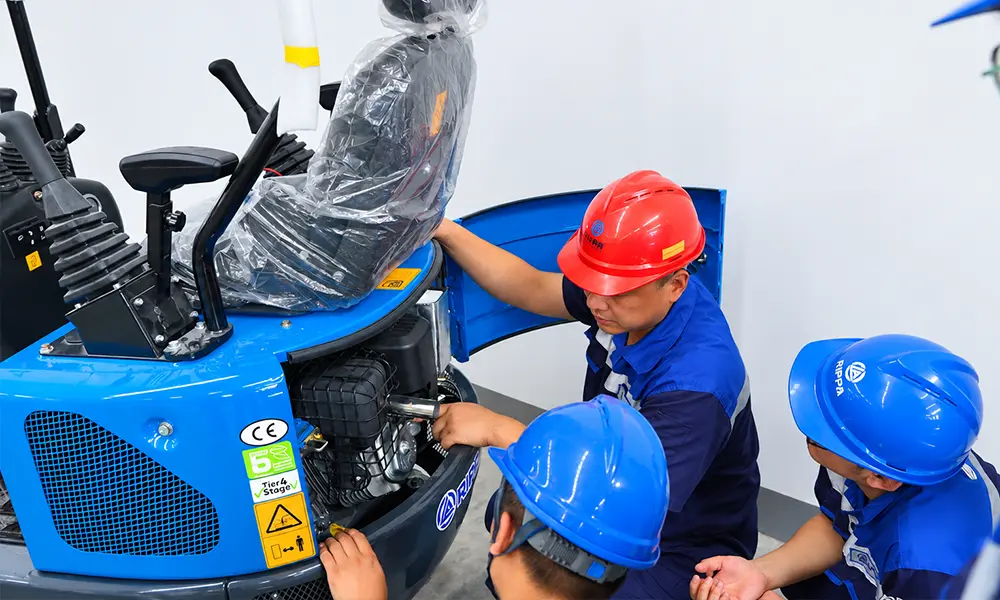
Annual mini excavator servicing provides an opportunity to review the machine’s overall condition and address components requiring professional attention.
Unlike daily and weekly inspections, annual servicing should involve a more comprehensive assessment based on operating hours and manufacturer recommendations.
Important service areas include:
Equipment owners should follow the manufacturer’s service intervals rather than relying on calendar dates alone. Machines operating for longer hours or in demanding environments may require more frequent attention.
RIPPA is a construction machinery manufacturer offering mini excavators for different working applications. Owners exploring the RIPPA mini excavator product range can also consider equipment specifications, maintenance accessibility, parts support, and manufacturer guidance when planning long-term equipment ownership.
Professional servicing and timely component replacement help maintain reliable operation and reduce the risk of unexpected downtime.
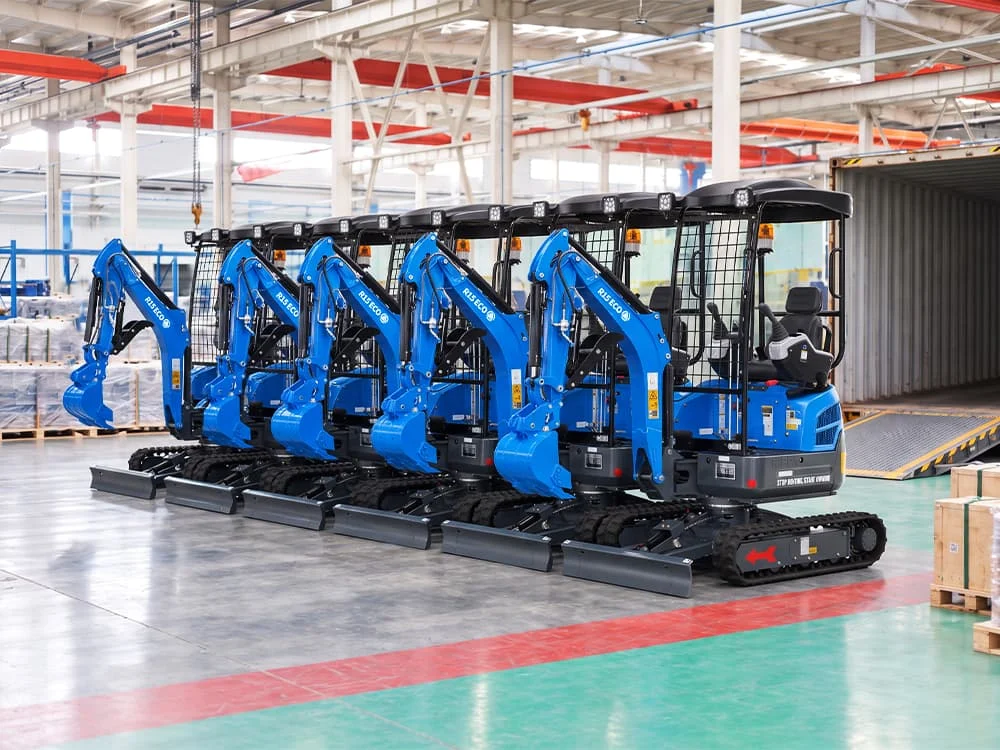
A structured mini excavator maintenance schedule makes it easier to organize inspections, track servicing requirements, and prevent important tasks from being overlooked.
| Maintenance Frequency | Main Tasks |
| Daily | Check fluids, hydraulic leaks, tracks, bucket, controls, and safety features |
| Weekly | Inspect hoses, filters, battery, pins, bushings, and lubrication points |
| Monthly | Assess undercarriage wear, hydraulic performance, engine components, and structure |
| Annually | Complete comprehensive servicing and review major equipment systems |
The actual servicing frequency should follow the manufacturer’s maintenance manual and operating-hour requirements.
Owners should also maintain a service log containing inspection dates, operating hours, fluid changes, replaced components, and repair records.
A well-maintained schedule helps operators identify maintenance needs early, organize replacement parts, and manage servicing expenses more effectively.
Follow the manufacturer’s recommended service intervals based on operating hours, working conditions, and maintenance requirements.
Check engine oil, coolant, hydraulic oil, tracks, bucket connections, visible leaks, and safety controls.
It helps identify leaks, damaged hoses, and performance problems before they cause more serious equipment failures.
Yes. Proper inspections, timely servicing, and component replacement help reduce wear and extend equipment service life.
Tel: +8615628788742
E-Mail: contact02@rippa.com
WhatsApp: Rippa Bagger
Adresse: Der sechste Industriepark, Jining Stadt, Provinz Shandong, China

 DE
 EN
 ES
 IT
 FR
 RU
 PT
 TR
 BG
 HR
 RO
 CS
 NN
 SL
 SV
 HU
 SK
 DA
 FI
 PL
 PT_BR

