When purchasing a mini excavator, buyers often need to choose between an enclosed cab and an open canopy configuration. Although both options provide an operator station, they offer different advantages depending on the working environment, climate and intended applications.
For equipment dealers, understanding the differences is important when recommending machines to customers in different markets. A contractor working outdoors throughout the year may have different requirements from a landscaping company operating in mild weather or a business working in confined spaces.
The decision should not be based on appearance alone. Buyers should evaluate operator comfort, weather protection, visibility, maintenance requirements and the actual equipment configuration.
This guide explains the main differences between a mini excavator cab vs canopy and the factors that should influence purchasing decisions.
The main difference is the level of enclosure around the operator.
An enclosed cab provides a covered operator compartment with doors and windows. Depending on the machine configuration, it may also include heating, air conditioning, ventilation and other comfort features.
An open canopy generally consists of a roof supported by structural posts, leaving the operator station open on the sides.
Both configurations have practical applications, but their suitability depends on how and where the machine will be used.
| Comparison | Enclosed Cab | Open Canopy |
|---|---|---|
| Operator environment | Enclosed space | Open operator station |
| Weather exposure | Greater protection from wind and rain | More exposure to outdoor conditions |
| Climate control | May support heating or air conditioning | Generally open to outside air |
| Operator access | Requires door access | Generally easier entry and exit |
| Visibility | Depends on window design and cab structure | Open sides can provide a less obstructed view |
| Maintenance | Includes additional cab components | Generally fewer enclosure components |
| Typical applications | Extended outdoor operation and varied weather | Outdoor work in suitable climates |
Buyers should confirm the actual features of each machine. An enclosed cab does not automatically include air conditioning, heating or certified protective structures.
Operator comfort is an important purchasing consideration, particularly for contractors who operate equipment for extended periods.
An enclosed cab can create a more controlled working environment.
Depending on its specifications, the cab may provide:
Optional air conditioning for hot climates.
A more enclosed and controlled operator space.
For contractors working across different seasons, these features may make an enclosed configuration more suitable.
However, buyers should check whether the quoted machine includes heating, air conditioning, ventilation or filtration systems. These features should not be assumed to be standard.
An open canopy offers a simpler operator environment.
Its advantages can include:
Direct airflow.
Easier communication with ground personnel.
Convenient entry and exit.
Fewer enclosed components to maintain.
For operators working in mild weather or performing tasks that require frequent communication with workers nearby, an open station may be practical.
The right choice depends on daily operating conditions rather than a universal preference for one configuration.
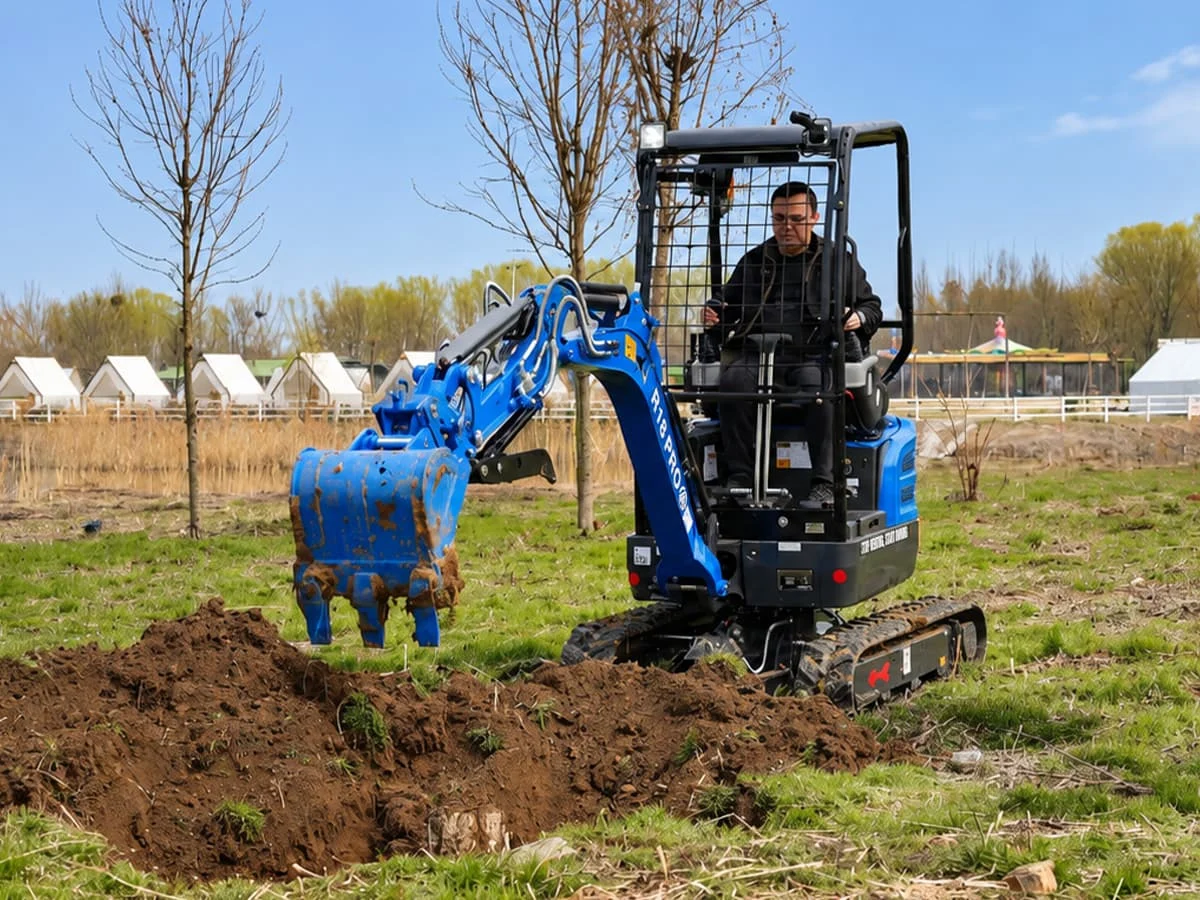
Climate is one of the most important factors when comparing mini excavator cab and canopy options.
Equipment dealers serving multiple countries should consider regional differences before deciding which configuration to stock or recommend.
In regions with cold winters, frequent rainfall or strong winds, an enclosed cab may offer a more comfortable working environment.
If heating is required, buyers should verify that the system is included in the machine configuration.
They should also check window defrosting and ventilation arrangements where relevant.
In areas with high temperatures, air conditioning may be an important purchasing consideration.
However, an enclosed cab without suitable cooling equipment may not provide the expected comfort benefits.
An open canopy allows natural airflow, which may be preferable for certain outdoor operations.
Dust exposure should also be considered.
A properly designed enclosed cab with suitable filtration may help reduce the amount of external dust entering the operator compartment.
Buyers should confirm the actual filtration arrangement instead of assuming every enclosed cab provides sealed or pressurized protection.
Visibility affects how operators observe the digging area, surrounding obstacles and nearby workers.
An open canopy provides an unobstructed view from the open sides of the operator station. This can be useful when working in areas where operators frequently need to communicate with ground crews.
An enclosed cab introduces window frames, doors and structural posts that may affect sightlines.
However, modern cab designs can incorporate large windows and other visibility features.
Before purchasing, dealers should evaluate:
Visibility toward the bucket and working attachment.
Rear and side visibility.
Window size and positioning.
Blind spots created by structural posts.
Door opening space.
Access to emergency exits where applicable.
A practical demonstration is more useful than relying only on photographs.
Operators should evaluate visibility from the normal seated position and under realistic working conditions.
Maintenance is another factor for equipment dealers and fleet owners.
Although both configurations share the main mechanical and hydraulic systems of the excavator, the enclosed cab contains additional components that may require attention.
Depending on the configuration, maintenance may include:
Window and door inspection.
Door seal checks.
Cabin ventilation maintenance.
Air conditioning system inspection.
Heater system inspection.
Cab filter replacement, where equipped.
Damaged glass, worn seals and malfunctioning climate-control components should be addressed according to the manufacturer’s maintenance instructions.
An open canopy generally has fewer enclosure-related components.
Maintenance checks may include:
Roof and support structure inspection.
Mounting point checks.
Protective structure condition.
Seat and operator control inspection.
Seat belt and restraint system checks.
Neither configuration eliminates the need for routine machine maintenance.
Dealers should provide customers with the applicable maintenance documentation for the specific machine configuration.
Safety should be evaluated separately from comfort and enclosure design.
A common misunderstanding is that an enclosed cab automatically provides greater protection in every working environment. In reality, operator protection depends on the machine’s approved structure, equipment design and applicable safety standards.
Buyers should verify the following:
ROPS (Roll-Over Protective Structure)
Check whether the specific cab or canopy configuration has the required rollover protection certification for the machine and destination market.
TOPS (Tip-Over Protective Structure)
For applicable compact excavators, verify whether the operator protection structure meets the relevant requirements.
FOPS (Falling Object Protective Structure)
If the machine will operate where falling objects are a potential hazard, check whether the required falling-object protection is installed and approved.
Seat belts and restraint systems
Confirm the presence and correct operation of the required operator restraint equipment.
Protective glazing and guards
For certain applications involving breakers or other attachments, additional glazing protection or guards may be necessary.
Importantly, a roof or enclosure alone does not establish a particular safety certification. Dealers should request the manufacturer’s documentation for the exact model and configuration.
Cab and canopy configurations can also affect transportation planning.
An enclosed cab may change the machine’s overall dimensions and transport height. This matters when equipment is shipped internationally or transported on trailers.
Before purchasing, buyers should compare:
Overall machine height.
Transport width and length.
Operating weight.
Loading and unloading clearance.
Trailer compatibility.
Container loading arrangements, where applicable.
Working-space limitations also deserve attention.
For example, a machine operating inside a building, greenhouse or narrow access area must fit through the entrance with sufficient clearance.
An enclosed cab door also requires adequate opening space. Operators should be able to enter and exit safely without interference from nearby walls or structures.
Always use the dimensions and weight of the actual quoted configuration rather than assuming that cab and canopy versions have identical specifications.
For international distributors, the best approach is to understand the customer’s working environment before recommending a configuration.
Different markets may have different climate conditions, construction practices and customer expectations.
A simple comparison can help organize customer requirements.
| Customer Requirement | Configuration to Evaluate |
|---|---|
| Frequent operation in cold or wet weather | Enclosed cab with suitable heating |
| Regular operation in hot climates | Enclosed cab with confirmed air conditioning |
| Outdoor work in mild weather | Open canopy |
| Frequent communication with ground crews | Open canopy |
| Work involving significant dust exposure | Enclosed cab with verified filtration |
| Restricted entrance height | Compare actual cab and canopy dimensions |
| Long operating hours | Evaluate seat, controls and climate features |
These are starting points rather than universal recommendations.
Dealers should also consider the customer’s budget, intended attachments, transportation arrangements and local safety requirements.
Before confirming an order, international buyers should clarify the exact operator station configuration.
The following checklist can help prevent misunderstandings.
Is the machine supplied with an enclosed cab or open canopy?
Are heating and air conditioning included?
What type of seat and operator controls are installed?
Are the relevant protective structures certified?
What is the visibility from the operator’s normal working position?
What are the overall transport dimensions and operating weight?
Are replacement windows, seals and filters available where applicable?
Can the supplier provide configuration photographs and product documentation?
For distributors ordering multiple machines, it is especially important to confirm whether every unit has the same configuration.
Product photographs should match the actual quotation and equipment specification.
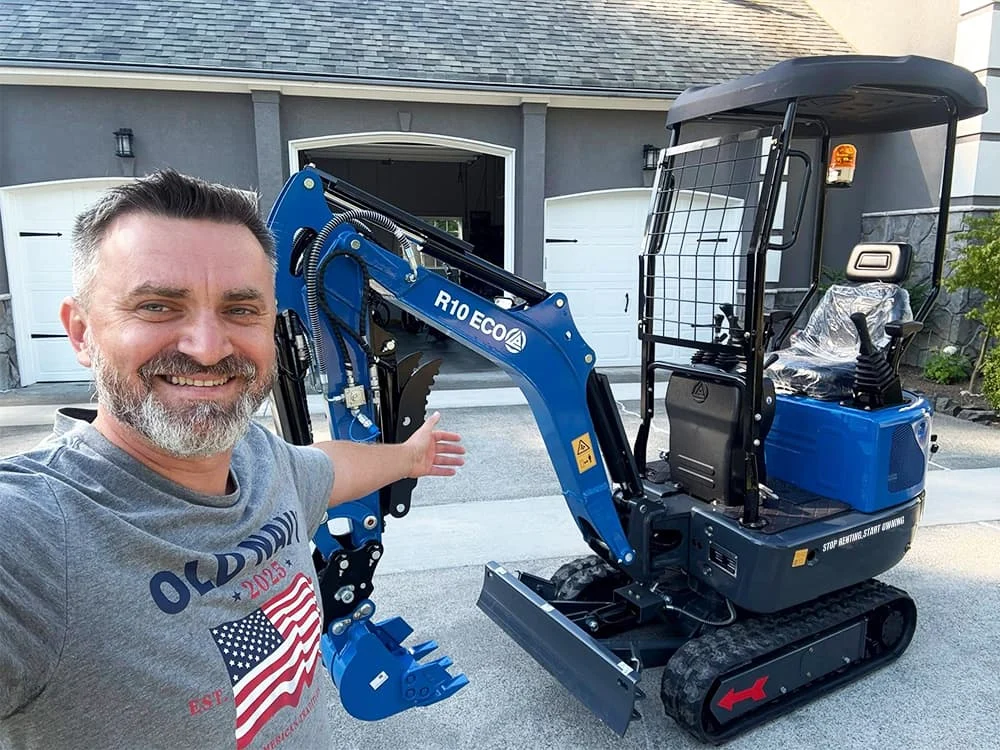
An enclosed cab has doors and windows surrounding the operator station, while an open canopy generally has a roof supported by structural posts with open sides.
Not necessarily. An enclosed cab may be more suitable for operators working in variable weather, while an open canopy can be practical in mild climates and jobs requiring frequent entry and exit.
No. Air conditioning depends on the specific machine configuration. Buyers should confirm whether it is included in the quotation.
It can be suitable when the working environment, machine configuration and applicable safety requirements allow it. The operator should always use the required protective equipment and follow the manufacturer’s operating instructions.
An enclosed cab may provide additional protection from certain environmental exposures, but actual operator protection depends on its approved structural design, glazing and safety features. Buyers should verify the applicable certifications.
Conversion depends on the machine model and manufacturer-approved options. Buyers should confirm compatibility, structural approval, dimensions and documentation before considering any modification.
Choosing between a mini excavator cab and canopy requires more than comparing appearance or initial purchase cost. Buyers should consider climate, working hours, operator access, visibility, maintenance requirements and transportation limitations.
For equipment dealers, understanding these differences makes it easier to recommend suitable configurations to customers in different markets.
The most important purchasing principle is to confirm the actual equipment configuration and its protective features before placing an order. Heating, air conditioning, filtration and safety certifications should always be verified separately.
RIPPA Group provides mini excavator solutions for international buyers and equipment distributors. Dealers interested in available configurations and product information can contact the RIPPA team to discuss their requirements.
Tel: +8615628788742
E-Mail: contact02@rippa.com
WhatsApp: Rippa Bagger
Adresse: Der sechste Industriepark, Jining Stadt, Provinz Shandong, China

 DE
 EN
 ES
 IT
 FR
 RU
 PT
 TR
 BG
 HR
 RO
 CS
 NN
 SL
 SV
 HU
 SK
 DA
 FI
 PL
 PT_BR

