Customer complaints are an important part of managing an equipment sales business. For manufacturers and dealers offering mini excavators for sale, handling complaints effectively helps protect customer relationships, maintain brand reputation, and improve after-sales service.
Whether a complaint involves equipment performance, missing components, delivery problems, or maintenance support, businesses need a clear process to identify the issue and provide practical solutions. A professional complaint management system can turn customer problems into opportunities to improve product quality and service.
Dealers should follow a structured process to handle complaints efficiently, from the first customer contact to final resolution.
The first step is to listen carefully without immediately blaming the customer or the equipment. Ask when the problem started, under what working conditions it occurred, and whether it affects machine operation.
For customers purchasing mini excavators for sale, clear communication helps establish trust and prevents misunderstandings during the complaint process.
Request relevant information, including:
Accurate records help technical teams investigate problems more efficiently.
After identifying the issue, explain the proposed solution, responsible contact person, and expected response time.
Depending on the situation, solutions may involve technical guidance, replacement components, authorized repairs, or further inspection. Follow up with the customer to confirm whether the problem has been resolved.
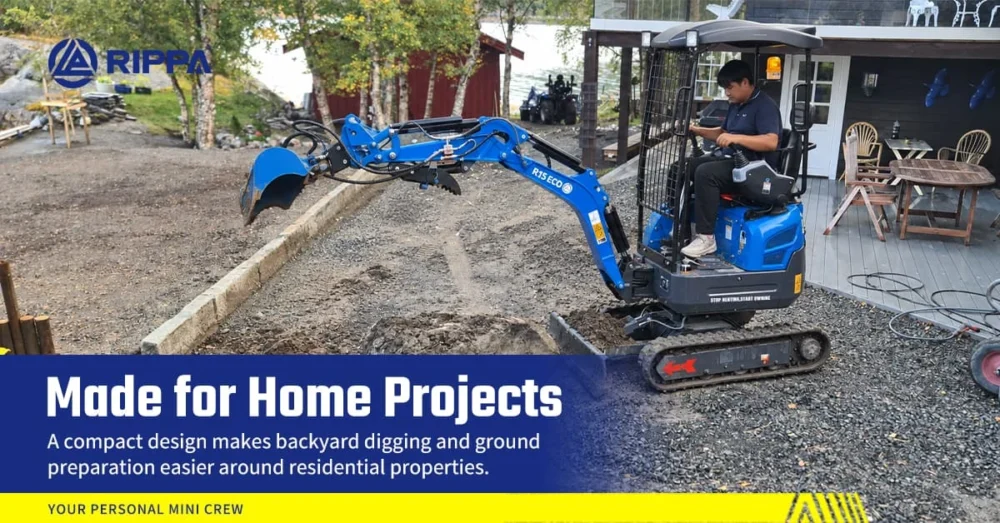
Understanding common customer complaints helps dealers prepare appropriate responses and improve service quality.
Customers may report engine starting difficulties, hydraulic performance issues, unusual noise, overheating, or unstable machine movements.
These complaints require technical investigation to identify whether the cause involves component failure, operating conditions, or incorrect operation.
Some complaints involve damaged attachments, missing components, transportation damage, or products that do not match the confirmed order configuration.
Dealers should compare the delivered equipment with order records, packing information, and inspection documents before determining the next action.
Customers may also raise concerns about the mini excavator price, unexpected delivery expenses, delayed shipments, or unclear purchasing terms.
Providing transparent quotations, confirming delivery arrangements, and communicating changes promptly can help prevent these misunderstandings.
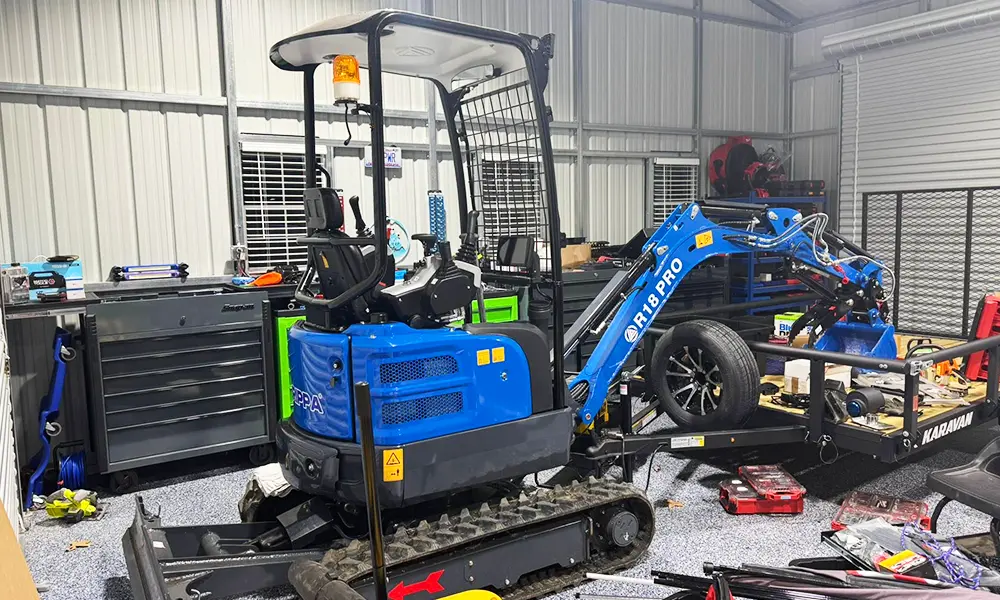
Technical complaints require systematic investigation rather than assumptions. Dealers should work with qualified technicians and manufacturers when problems involve important machine components.
Start by reviewing the customer’s description, operating conditions, and available evidence.
For example, hydraulic problems may require checking fluid levels, hoses, connections, and relevant components. Engine-related complaints may require a separate inspection by qualified personnel.
For customers purchasing a small excavator for sale, the troubleshooting process should also consider the machine’s configuration and intended application.
When a complaint involves mini excavator parts, confirm the component specifications and compatibility before arranging replacement.
Incorrect parts can create additional problems and delay repairs. Dealers should verify part numbers, machine configurations, and manufacturer recommendations.
If the problem cannot be resolved through basic troubleshooting, escalate it to the manufacturer’s technical team or an authorized service provider.
Provide the investigation records, photos, videos, and inspection results so technicians can identify the next appropriate action.
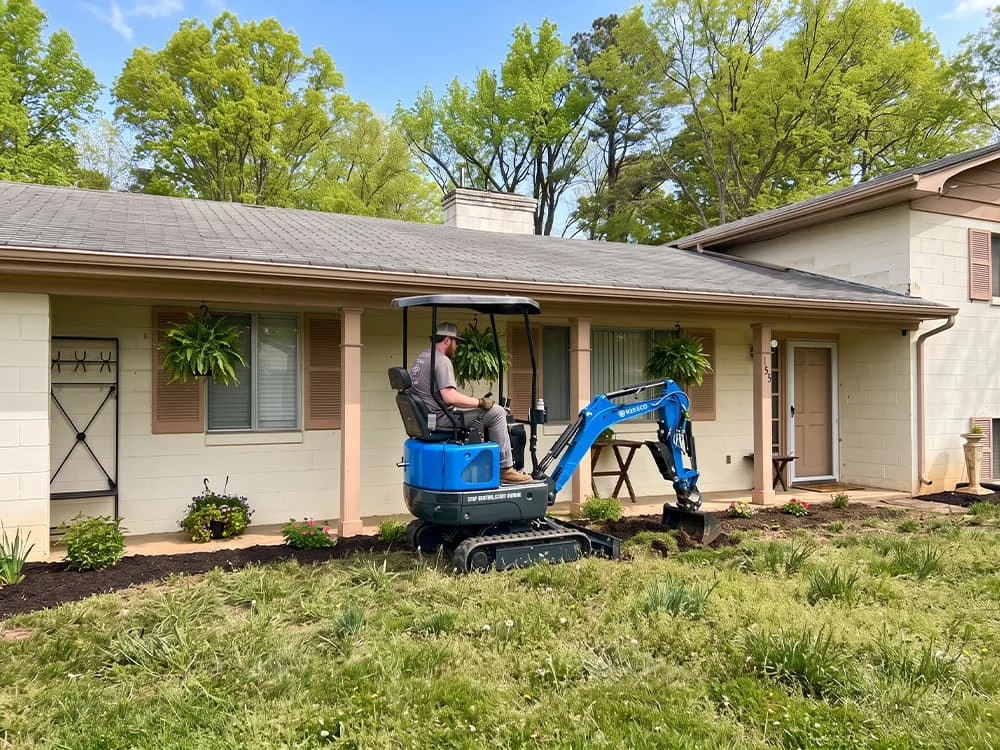
Preventive maintenance helps reduce avoidable equipment problems and improves the customer ownership experience.
Customers should understand basic inspection requirements, including checking fluid levels, lubrication, filters, tracks, hydraulic hoses, and visible component damage.
Clear maintenance instructions can help prevent problems caused by neglected servicing.
Professional mini excavator servicing should follow manufacturer recommendations and be performed by appropriately qualified personnel.
Dealers can provide maintenance reminders, technical guidance, and access to suitable replacement components.
Regular mini excavator maintenance helps identify potential problems before they develop into more serious failures.
Customers should understand the importance of scheduled inspections, timely repairs, and proper operating practices.

A standardized inspection process helps dealers document equipment conditions, identify recurring problems, and improve complaint management.
A useful mini excavator inspection checklist can cover:
The checklist should be adapted to the machine configuration and manufacturer’s inspection requirements.
Each complaint should have a record containing the reported problem, supporting evidence, investigation results, assigned personnel, and agreed resolution.
Dealers should also establish response deadlines and update customers when additional investigation is required.
After completing repairs or providing a solution, contact the customer to confirm the result.
Record whether the issue has been resolved and whether further assistance is required. Reviewing repeated complaints can also help manufacturers identify product improvements and service training needs.
Effective complaint management requires cooperation between manufacturers, distributors, and equipment owners.
RIPPA welcomes international distribution partners interested in building long-term business relationships. Reliable technical communication, replacement parts availability, and after-sales coordination are important considerations when developing an equipment distribution network.
Explore RIPPA distributor opportunities to learn more about equipment supply and potential dealership partnerships.
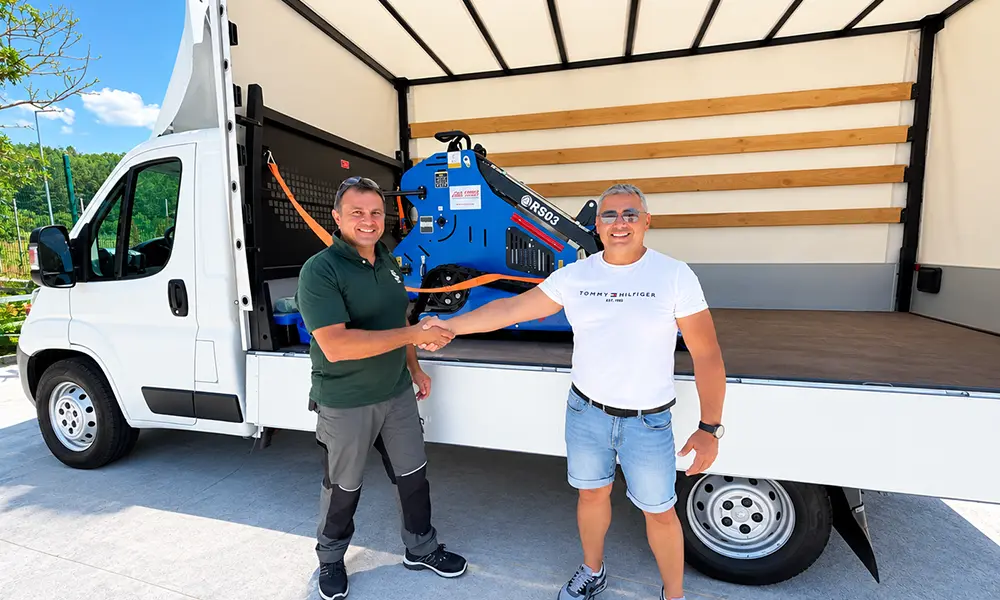
Dealers should acknowledge complaints promptly, record the details, and communicate the next steps. Complex technical problems may require additional investigation.
Customers should provide machine identification, photos or videos, operating conditions, and relevant maintenance records.
Timely technical assistance, suitable replacement parts, clear communication, and consistent follow-up help improve customer confidence and satisfaction.
Tlf: +8615628788742
E-mail: contact02@rippa.com
WhatsApp: Rippa Gravemaskine
Adresse: Den sjette industripark, Jining by, Shandong-provinsen, Kina

 DA
 EN
 ES
 IT
 FR
 RU
 DE
 PT
 TR
 BG
 HR
 RO
 CS
 NN
 SL
 SV
 HU
 SK
 FI
 PL
 PT_BR

