When purchasing mini excavators for sale, buyers should understand how warranty coverage works before equipment problems occur. A clear warranty process helps equipment owners, importers, and dealers handle unexpected failures, communicate with suppliers, and reduce unnecessary repair expenses.
However, submitting a successful warranty claim involves more than contacting the seller. Buyers must check warranty eligibility, identify the equipment problem, collect supporting evidence, prepare the required documents, and follow the supplier’s review process.
Whether you purchased a machine for your own business or distribute equipment to local customers, understanding these steps can make warranty management more efficient.
Before submitting a warranty claim, confirm that the equipment and reported problem meet the applicable warranty conditions.
Check the Warranty Period
Review the purchase agreement and warranty documentation to identify the coverage start date, duration, and any operating-hour limitations.
Keep the original invoice and delivery records because they may be required to verify the purchase date.
Identify Covered Components
Read the warranty terms carefully to understand which components and types of failures are covered.
Depending on the manufacturer’s policy, coverage may apply to certain manufacturing or component defects but exclude normal wear, consumables, improper operation, or unauthorized modifications.
Review Maintenance and Operating Conditions
Check whether the machine has been operated and maintained according to the manufacturer’s instructions.
Missing maintenance records, improper servicing, or operation outside specified conditions may affect warranty eligibility.
Confirm the Applicable Warranty Provider
If you purchased a mini excavator for sale through a local dealer, contact the original seller or authorized service channel first.
For imported equipment, confirm whether the warranty is handled by the exporter, manufacturer, importer, or local distributor.
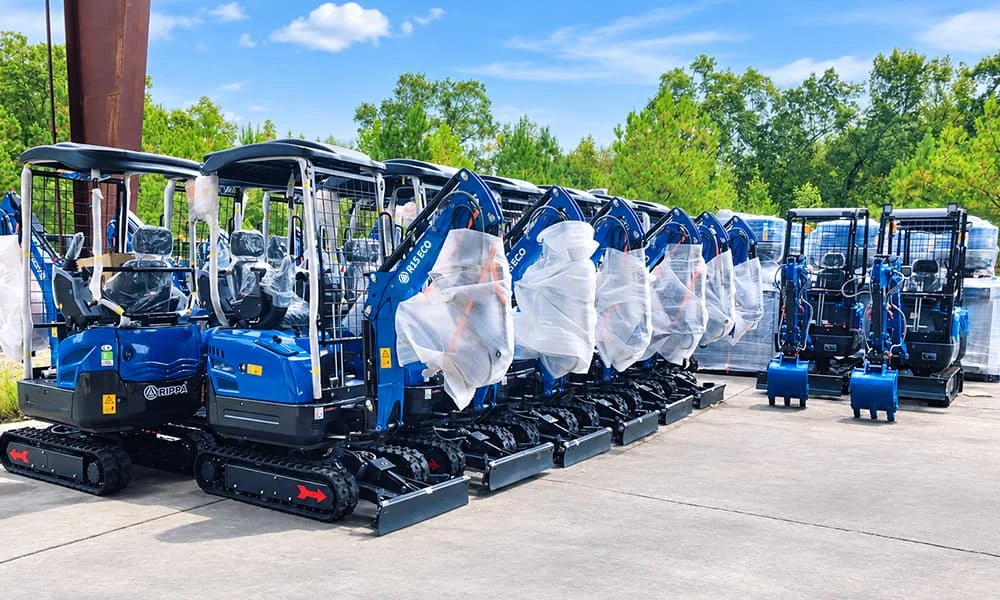
Accurate fault identification and supporting evidence help suppliers evaluate warranty requests more efficiently.
Record the Equipment Information
Before inspection, record the machine identification number, model information, operating hours, purchase date, and the date the problem first appeared.
These details help suppliers identify the equipment and review its service history.
Use a Mini Excavator Inspection Checklist
A mini excavator inspection checklist can help buyers document visible problems systematically.
Check relevant areas such as:
Only perform checks that are safe and appropriate for the operator. Complex diagnosis should be handled by qualified technicians.
Collect Photos and Videos
Take clear photographs of damaged components, leaking connections, warning indicators, or other visible defects.
Short videos showing abnormal equipment behavior can also help technical personnel understand the reported issue.
Review Mini Excavator Maintenance Records
Provide relevant mini excavator maintenance records, including servicing dates, completed inspections, and replaced components.
Avoid disassembling or repairing affected components before receiving instructions from the supplier, particularly when doing so could affect the warranty investigation.
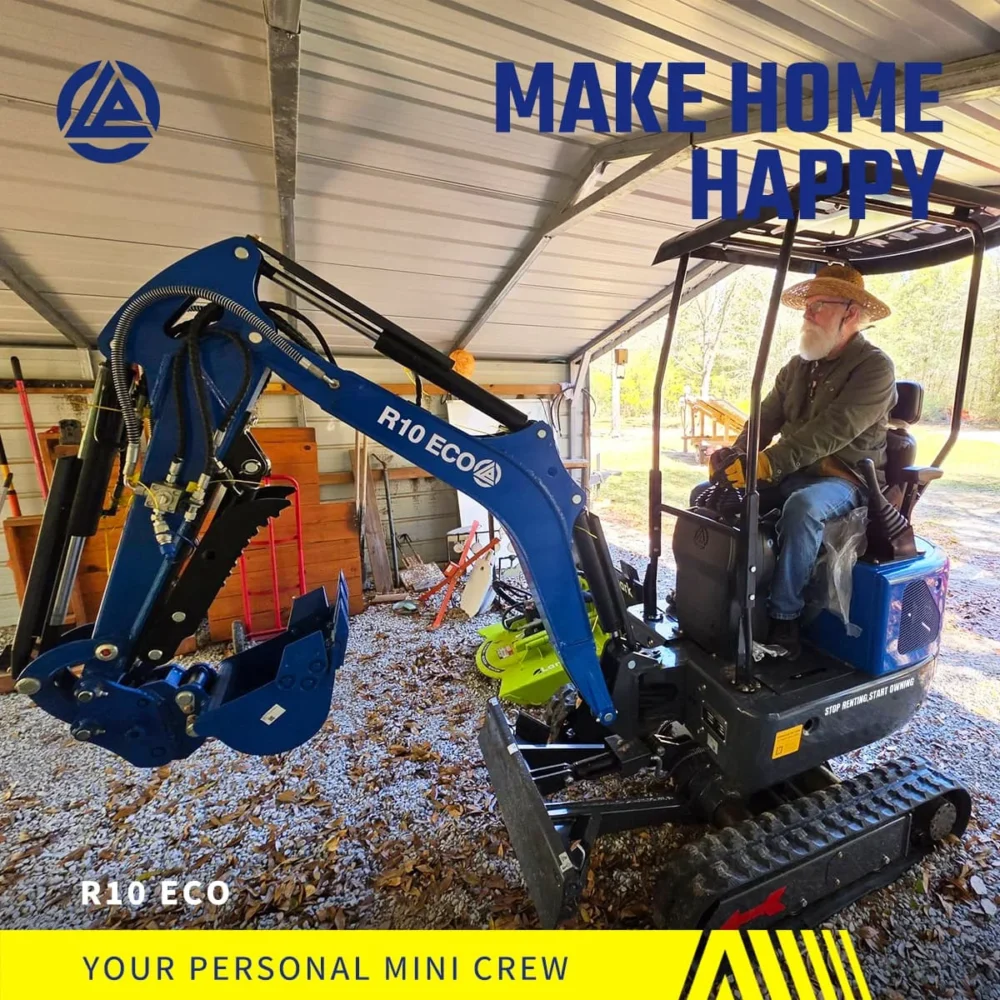
Preparing complete documentation reduces unnecessary communication and helps prevent delays during warranty review.
Prepare Proof of Purchase
Provide the original purchase invoice, sales contract, or other accepted proof of purchase.
For a mini excavator importer, relevant import and delivery records may also help establish the equipment’s purchasing history.
Provide Equipment Identification Details
Include the machine identification number, model information, serial number where applicable, and operating hours.
Ensure that the information matches the equipment and purchase documents.
Prepare a Detailed Fault Report
Describe the problem clearly, including:
Attach Supporting Evidence
Include photographs, videos, inspection records, and maintenance documentation.
Keep copies of all submitted materials and communication with the seller or manufacturer.
Organize the Claim File
Use one folder for each warranty case and include the application date, supporting documents, contact details, and subsequent updates.
An organized claim file makes it easier to follow up and resolve questions.

After preparing the required information, buyers should submit the claim through the appropriate sales or service channel.
Contact the Original Seller or Supplier
Reach out to the dealer or Chinese mini excavator supplier responsible for the original transaction.
Explain the problem and ask for the correct warranty application procedure.
Submit the Complete Application
Send the purchase information, equipment identification, fault report, photographs, videos, and maintenance records.
Ask the supplier to confirm receipt and provide a claim reference number if available.
Cooperate with Technical Assessment
The supplier may request additional photographs, operating videos, diagnostic information, or an inspection by qualified personnel.
Provide accurate information and follow the manufacturer’s instructions during the assessment.
Track the Claim Status
Maintain communication with the assigned contact and record important updates.
If additional information is requested, provide it promptly to avoid unnecessary delays.
Wait for Written Confirmation
Before arranging paid repairs or replacing components, obtain clear confirmation of the claim decision and the approved handling procedure.
Warranty approval should be based on the applicable warranty terms and the supplier’s assessment, not an informal verbal promise.
Explore RIPPA Distribution Opportunities
For equipment buyers and dealers, reliable manufacturer communication is important not only when handling warranty claims but also when building long-term business relationships.
RIPPA is a construction machinery manufacturer serving international equipment buyers and potential distribution partners.
Businesses interested in sourcing mini excavators and developing dealership relationships can explore RIPPA distributor opportunities to discuss equipment supply, after-sales support arrangements, and potential business cooperation.
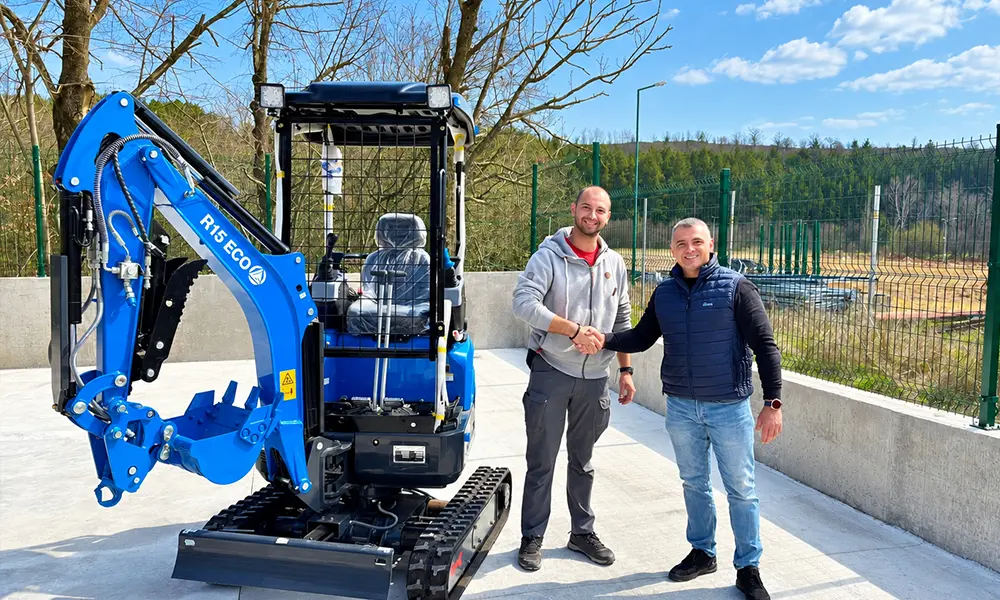
Once a warranty claim is approved, confirm the repair arrangements and understand which costs and responsibilities are covered.
Confirm the Approved Repair Plan
Ask the supplier to explain the identified fault, proposed repair method, responsible service provider, and estimated completion time.
Keep written confirmation of the approved repair work.
Verify Replacement Parts
If replacement mini excavator parts are required, confirm the correct part identification, compatibility, availability, and delivery arrangements.
Do not assume that every replacement component is automatically covered without checking the warranty decision.
Coordinate Repair Responsibilities
Clarify whether repairs will be performed by the manufacturer, an authorized dealer, or a qualified local service provider.
For overseas buyers, confirm transportation arrangements and whether additional labor or shipping charges apply.
Keep Repair and Replacement Records
Save repair reports, replaced component information, service dates, and relevant photographs.
These records may be useful for future maintenance, warranty questions, or resale documentation.
Verify the Equipment After Repair
After the work is completed, conduct appropriate operational checks with qualified personnel.
Confirm that the original problem has been addressed and retain the final service report for future reference.
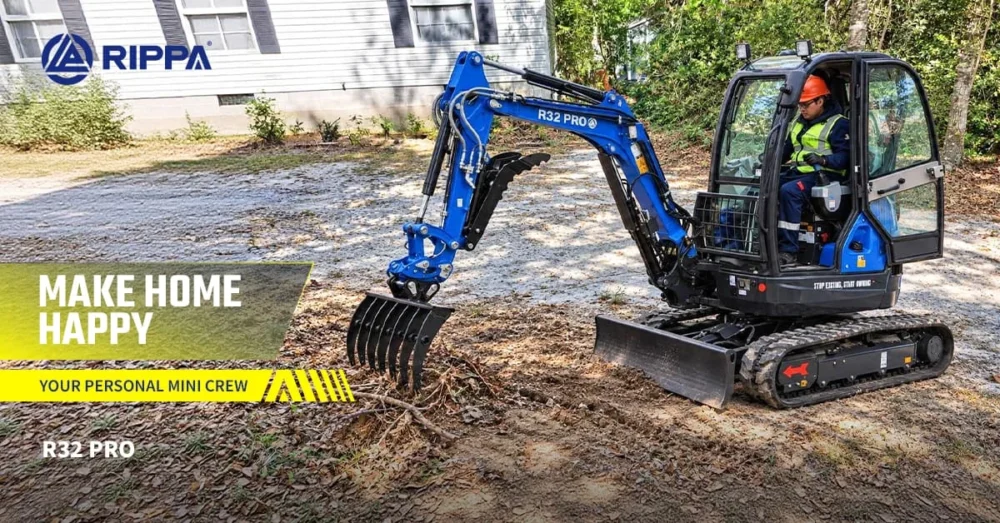
Processing time depends on the supplier’s review procedures, fault complexity, and parts availability. Ask the supplier for an estimated timeline.
Yes. Maintenance that does not follow the manufacturer’s requirements may affect warranty eligibility, depending on the applicable terms.
Request the written reason for rejection, review the warranty conditions, and provide additional evidence or request a review if appropriate.
Tlf: +8615628788742
E-mail: contact02@rippa.com
WhatsApp: Rippa Gravemaskine
Adresse: Den sjette industripark, Jining by, Shandong-provinsen, Kina

 DA
 EN
 ES
 IT
 FR
 RU
 DE
 PT
 TR
 BG
 HR
 RO
 CS
 NN
 SL
 SV
 HU
 SK
 FI
 PL
 PT_BR

