When comparing mini excavators for sale, warranty coverage is an important factor for equipment buyers and distributors. A clear warranty helps buyers understand which equipment problems may qualify for repair or replacement and what responsibilities remain with the owner.
A mini excavator warranty generally addresses eligible defects in materials or manufacturing workmanship during a specified period. However, coverage varies by manufacturer, component, operating conditions, and contract terms.
For equipment dealers, understanding warranty conditions is essential for answering customer questions, managing expectations, and supporting after-sales service. This guide explains what mini excavator warranties typically cover, common exclusions, warranty periods, and ways to maintain valid coverage.
A mini excavator warranty generally provides protection against certain defects associated with manufacturing or materials. It does not guarantee that every mechanical problem will be repaired free of charge.
Typical mini excavator warranty coverage may include eligible defects that affect machine operation under normal, approved working conditions.
Depending on the manufacturer’s written terms, warranty remedies may involve:
Labor, transport, diagnosis, and other related expenses may be covered, limited, or excluded depending on the warranty agreement.
For businesses evaluating mini excavators for sale, the written warranty document should clearly identify the covered equipment, applicable conditions, available remedies, and customer responsibilities.
Understanding these details before purchasing helps avoid misunderstandings when problems arise.
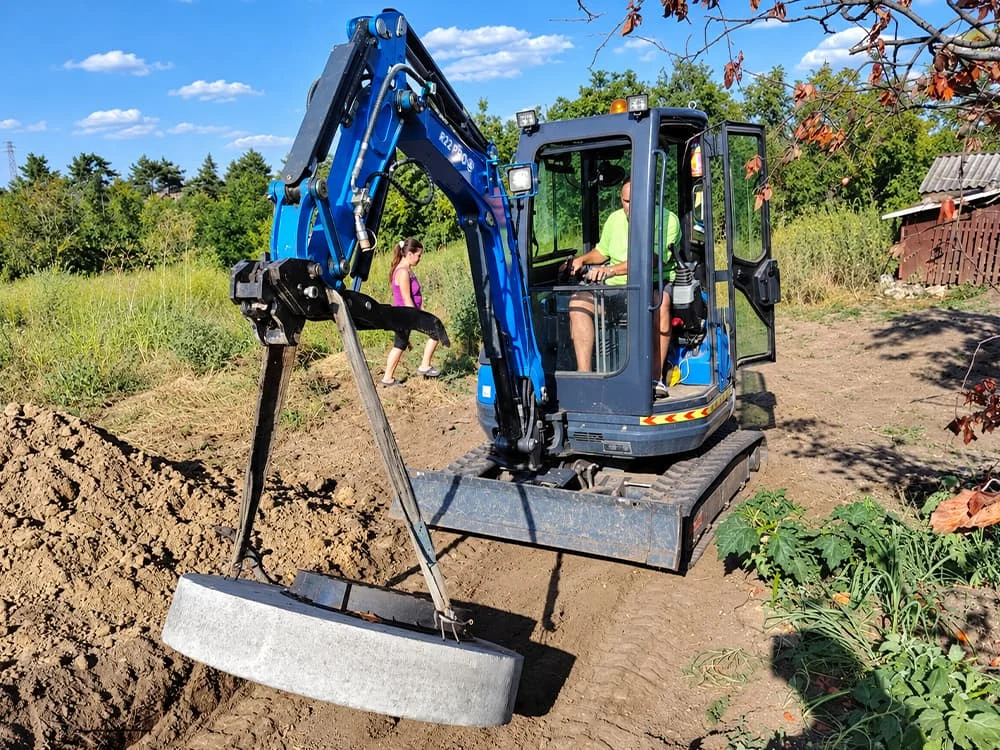
Warranty eligibility depends on the cause of the failure, the affected component, and the manufacturer’s policy.
Certain major systems may qualify for protection when a problem results from a covered manufacturing or material defect.
Engine Components
Eligible defects involving specified engine components may be covered, depending on the engine supplier and the applicable warranty agreement.
Hydraulic System
Hydraulic pumps, control valves, cylinders, or related components may qualify when a covered defect is confirmed. Damage caused by contamination or improper operation may be treated differently.
Travel and Drive Systems
Travel motors, final drives, and certain transmission-related components may be covered under specific warranty conditions.
Structural Components
Some manufacturers provide protection for eligible defects in structural assemblies or welded components.
However, not all mini excavator parts receive the same coverage. Individual components may have different terms, limitations, or exclusions.
When comparing compact excavators for sale, dealers should verify whether warranties are provided by the equipment manufacturer, engine supplier, or another authorized party.
The most reliable approach is to request written component-level coverage information rather than assuming every major part is automatically protected.
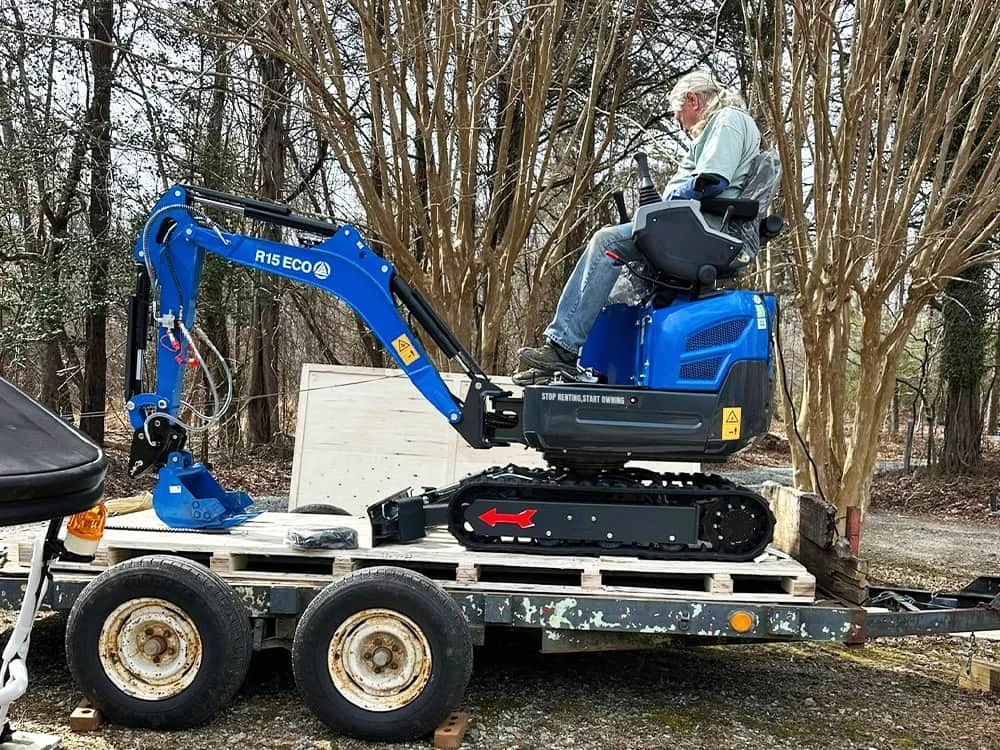
Understanding exclusions is just as important as knowing which defects may be covered.
A standard mini excavator warranty is not designed to cover every type of wear, damage, or service expense.
Common exclusions or limitations may involve:
Normal Wear and Tear
Tracks, bucket teeth, cutting edges, and other wear components may have limited coverage for ordinary deterioration during use.
Improper Operation
Damage caused by overloading, unsafe operation, or using equipment outside approved operating conditions may be excluded.
Unauthorized Modifications
Certain modifications that cause or contribute to equipment failure may affect warranty eligibility.
Improper Maintenance
Problems linked to unsuitable fluids, neglected inspections, or failure to follow required service procedures may fall outside warranty protection.
Accidental or External Damage
Damage caused by collisions, flooding, fire, or unsuitable environmental conditions may be excluded.
However, exclusions depend on the actual contract and applicable consumer or commercial warranty laws.
Importantly, using independent maintenance providers or compatible replacement parts does not automatically invalidate every warranty. The relevant terms, local laws, and relationship between the work and the claimed failure must be considered.
Proper mini excavator maintenance helps reduce avoidable damage and provides useful documentation if a warranty claim becomes necessary.
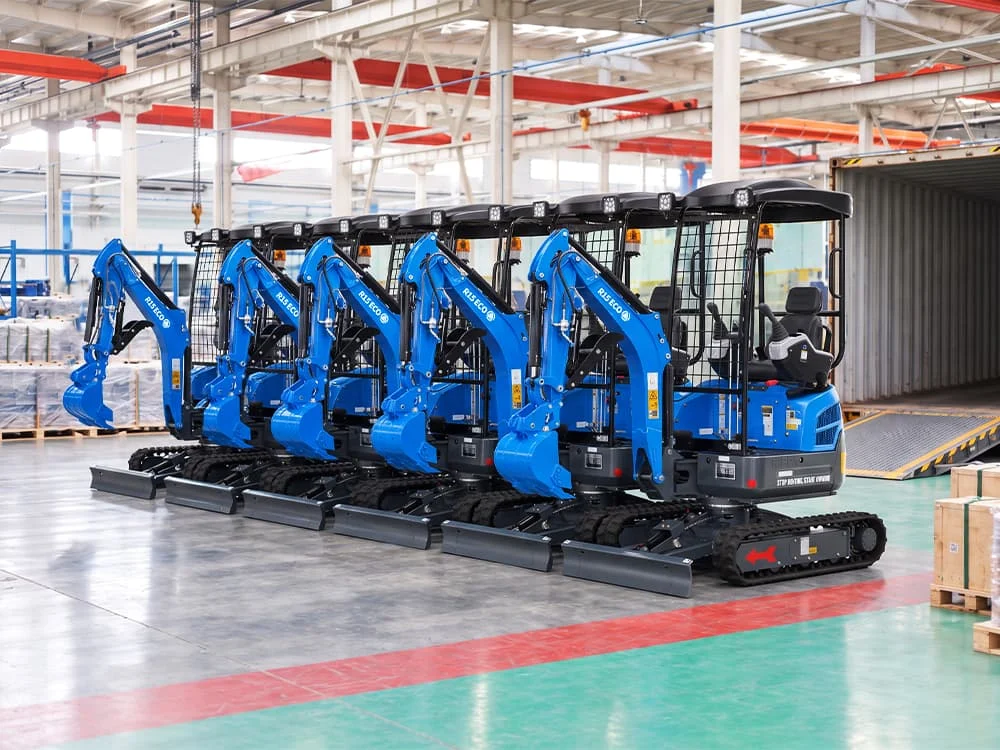
The mini excavator warranty period varies between manufacturers and may also differ by component, equipment application, and market.
Some warranties are based on a specified number of months or years. Others include operating-hour limits, with coverage ending when the first applicable limit is reached.
Before purchasing equipment, buyers should confirm:
For example, a warranty containing both time and operating-hour limits may expire when either limit is reached, depending on the contract.
Buyers comparing a mini excavator for sale should also ask whether commercial operating conditions affect the warranty.
Equipment distributors should keep accurate delivery, registration, and customer records so the applicable coverage period can be identified when support is requested.
Always confirm the actual warranty duration in writing before making purchasing commitments.
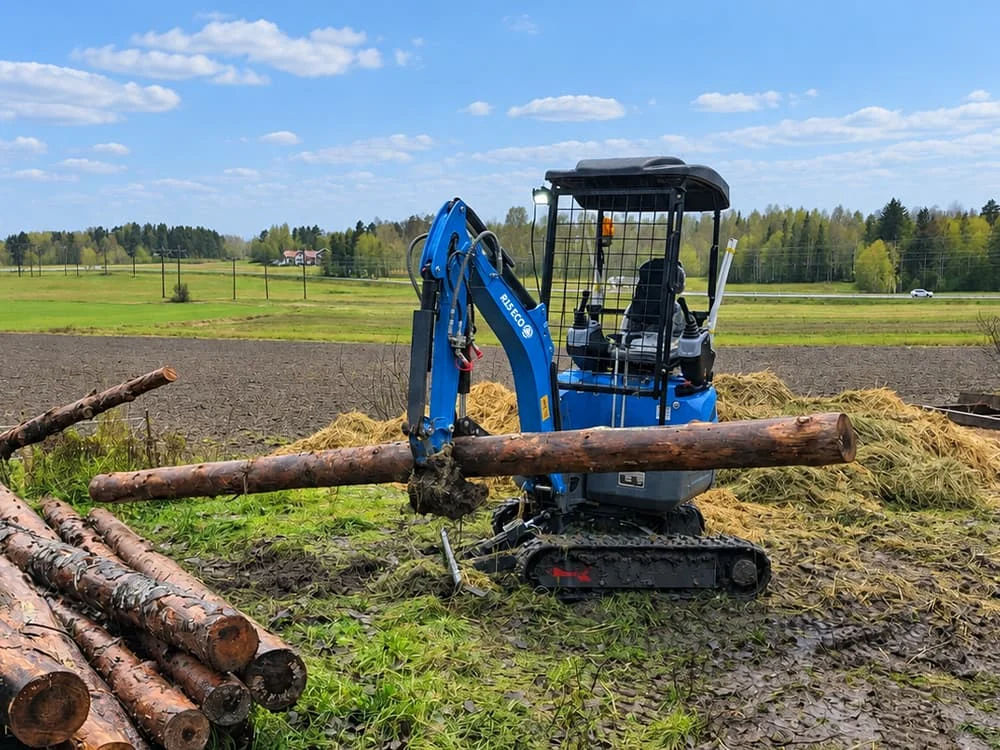
Maintaining valid warranty coverage requires understanding the manufacturer’s instructions, following applicable conditions, and keeping accurate equipment records.
The following practices help owners and dealers manage warranty responsibilities.
Complete required inspections, fluid changes, filter replacements, and other scheduled mini excavator maintenance according to the operating manual.
Operate the machine within approved load limits and working conditions. Avoid misuse that could damage critical components.
Record maintenance dates, operating hours, completed services, and relevant repair information. Retain receipts and supporting documents.
Choose replacement components and fluids that meet applicable specifications. Check the warranty terms and local legal requirements before assuming a particular supplier or service provider is mandatory.
When a potential defect appears, document the symptoms and contact the appropriate support provider. Continuing to operate damaged equipment may worsen the problem.
A mini excavator warranty claim may require the machine serial number, proof of purchase, operating hours, maintenance history, photographs, and a description of the issue.
For equipment dealers, clear warranty records and effective customer communication can help streamline after-sales support.
RIPPA is a construction machinery manufacturer serving customers with different equipment needs. Businesses exploring mini excavators for sale can contact RIPPA to confirm applicable warranty policies, available service arrangements, and distributor requirements.
Potential dealers interested in expanding their construction machinery business can explore RIPPA distributor opportunities and discuss warranty documentation, after-sales responsibilities, and market cooperation.
It may cover eligible manufacturing defects in hydraulic components. Coverage depends on the written warranty terms and the cause of the failure.
Normal wear is often excluded or limited. However, eligible manufacturing defects may be treated differently under the applicable warranty.
Common requirements include proof of purchase, the machine serial number, operating hours, maintenance records, and evidence of the reported problem.
Tel: +8615628788742
E-mail: contact02@rippa.com
WhatsApp: Rypadlo Rippa
Adresa: Šestý průmyslový park, město Jining, provincie Shandong, Čína

 CS
 EN
 ES
 IT
 FR
 RU
 DE
 PT
 TR
 BG
 HR
 RO
 NN
 SL
 SV
 HU
 SK
 DA
 FI
 PL
 PT_BR

