Demolition projects often leave behind concrete fragments, broken bricks, wood, metal, and loose soil. Removing these materials efficiently is essential before construction, renovation, or land preparation can begin.
For contractors comparing mini excavators for sale, compact excavation equipment provides a practical solution for post-demolition cleanup, particularly in confined spaces where larger machinery may have limited access.
With suitable attachments and proper operating techniques, mini excavators can remove debris, handle construction waste, clean restricted areas, and prepare the ground for the next project.
Effective demolition cleanup starts with site assessment and a clear material removal plan.
Before operating the machine, inspect the site and identify different types of debris, unstable structures, underground utilities, and potential hazards.
Separate ordinary construction waste from hazardous materials. Asbestos, contaminated soil, and chemical waste must be handled by qualified professionals according to local regulations.
A practical cleanup process generally follows three stages:
This sequence helps reduce repeated handling and keeps the work area organized.
When evaluating a mini excavator for sale, contractors should consider working range, machine stability, operating weight, and attachment compatibility.

Concrete fragments, broken bricks, and masonry waste are common materials left after demolition. Their size, weight, and shape determine the appropriate removal method.
Use a suitable bucket to collect loose concrete pieces and move them toward a designated loading area.
Large concrete sections may require additional breaking equipment before removal. Never exceed the machine’s approved lifting or operating capacity.
Broken bricks and masonry fragments can be collected using a general-purpose bucket.
Work systematically across the site to avoid leaving scattered materials behind. Avoid digging into areas containing unidentified underground utilities.
Wood, plastic, metal, and other materials should be separated rather than mixed together whenever possible.
A small excavator for sale may be suitable for smaller demolition projects, renovation sites, and restricted working areas, provided its capabilities match the material handling requirements.
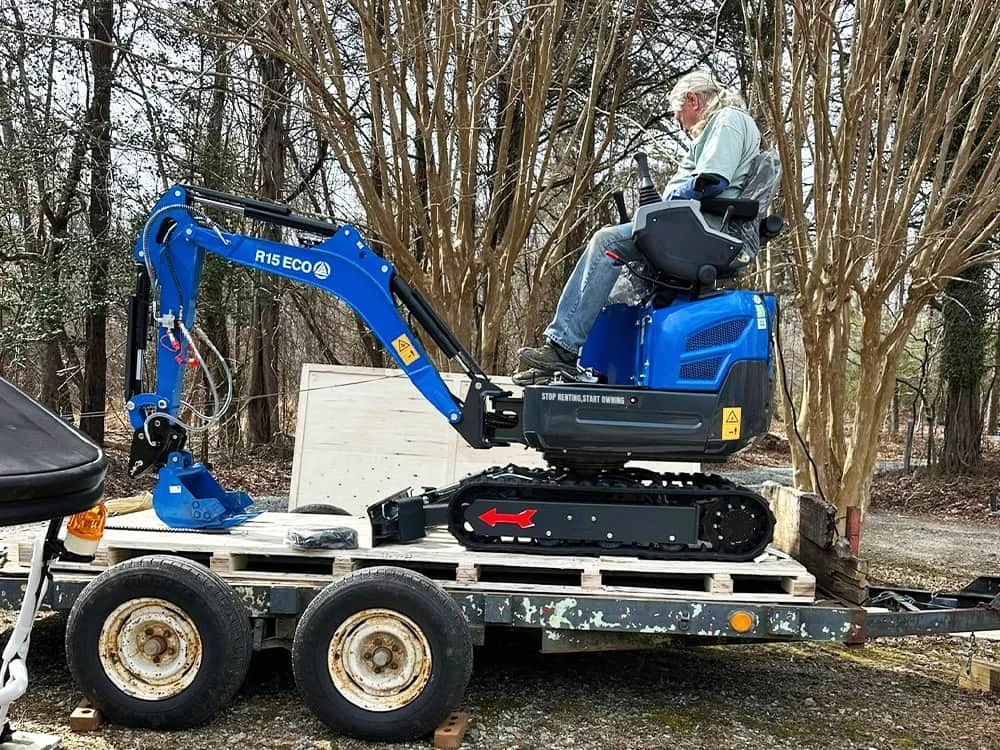
After debris has been collected, the next step is to organize materials for transportation and disposal.
Different mini excavator accessories support different cleanup tasks.
Common options include:
Attachment selection should consider hydraulic flow, operating pressure, mounting compatibility, and machine capacity.
Organize demolition waste into separate groups where local recycling and disposal requirements allow.
Typical categories include:
Hazardous materials must remain separate and follow the required specialist disposal procedures.
Move collected materials to designated storage or loading areas.
When loading transport vehicles, consider the machine’s approved lifting capacity, working radius, load stability, and site conditions.
Never lift suspended loads using unapproved bucket teeth or attachment points. Keep workers outside the machine’s operating and load-handling zones.

Once the main demolition waste has been removed, the site still requires detailed cleanup and surface preparation.
Compact machines can be useful around narrow access routes, building edges, and restricted workspaces.
Operators should control swing movements and maintain sufficient clearance from walls, foundations, underground utilities, and structures that must remain intact.
When comparing compact excavators for sale, consider machine width, tail swing, working range, and ground pressure.
Use an appropriate bucket to collect loose fragments, residual soil, and small debris.
Check corners, access paths, and areas around existing structures where materials may have accumulated.
After removing unwanted materials, use a suitable grading attachment or bucket to distribute soil and prepare the surface.
The required finish depends on the next construction activity, such as foundation preparation, landscaping, or site redevelopment.
When evaluating mini excavator price, contractors should also consider attachment requirements, expected productivity, transportation, and operating expenses.
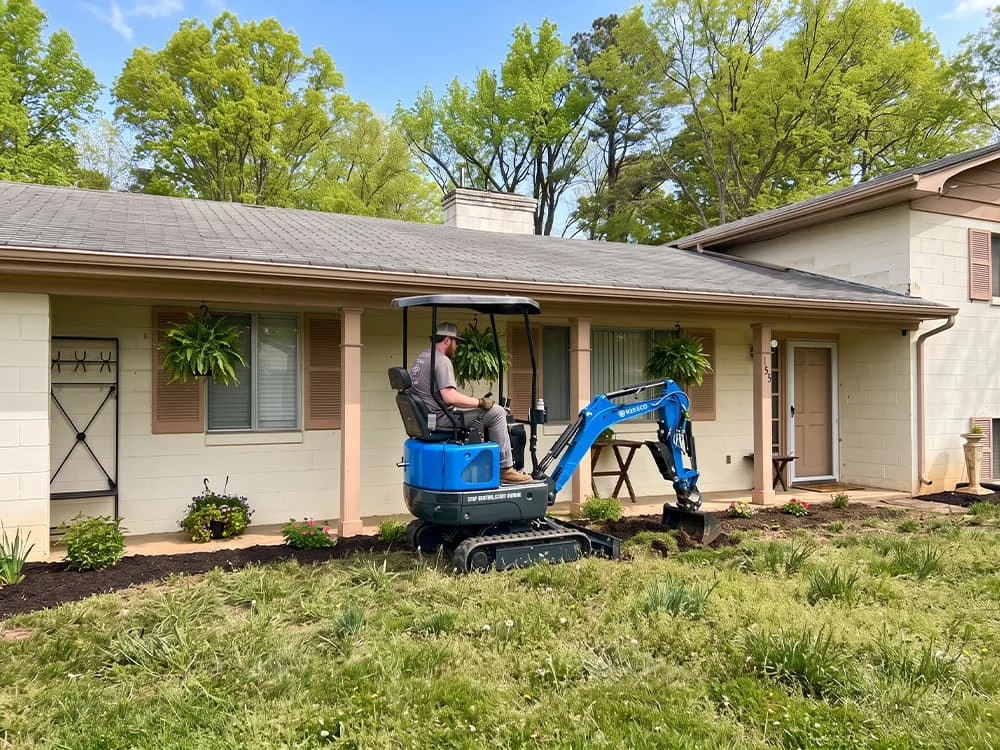
Demolition environments expose equipment to concrete dust, sharp fragments, heavy materials, and abrasive debris. Post-operation inspections help identify damage before the next project.
Check essential mini excavator parts, including:
Look for abnormal wear, loose connections, and visible damage.
Remove accumulated dust, mud, and debris from the undercarriage, attachment areas, and accessible cooling surfaces.
Follow the manufacturer’s cleaning instructions to avoid damaging electrical components, seals, and sensitive equipment.
A structured mini excavator maintenance routine should include fluid checks, lubrication, track inspection, and monitoring of hydraulic components.
A practical inspection checklist helps operators identify problems early and reduce unexpected downtime.
Mini excavators offer practical solutions for post-demolition cleanup, material handling, and site preparation.
For international machinery dealers, understanding these applications helps identify customer needs and recommend suitable equipment and attachments.
RIPPA welcomes international distribution partners interested in mini excavator sourcing and long-term cooperation. Explore RIPPA distributor opportunities to discuss equipment supply and potential dealership partnerships.
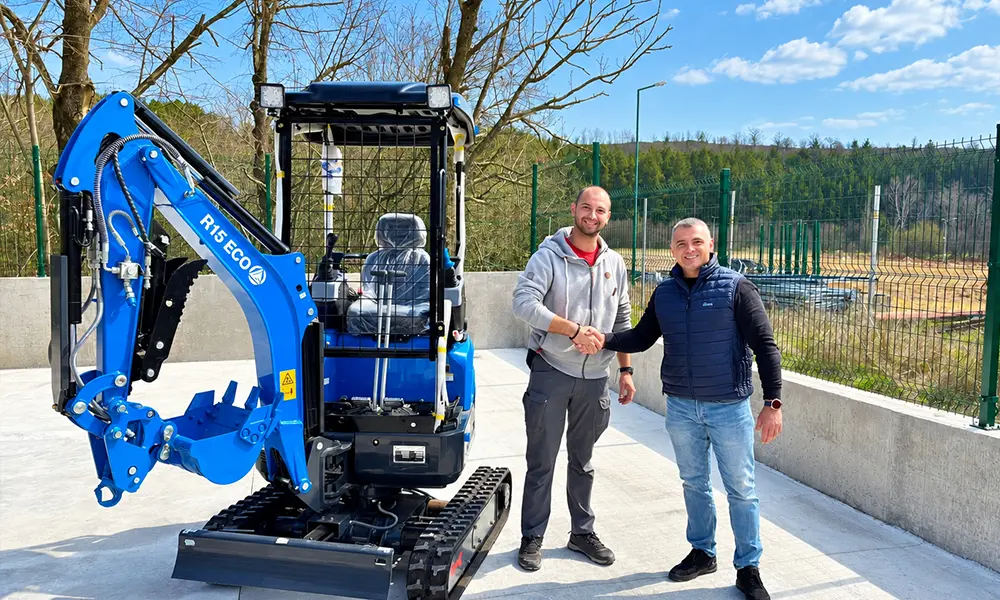
Yes. They can collect and handle appropriately sized concrete fragments within the machine’s operating and lifting limits. Large sections may require separate breaking equipment.
General-purpose buckets, grading buckets, and compatible grapples can support different cleanup tasks. Selection depends on material type and machine compatibility.
Yes. Their compact dimensions can help access restricted areas, provided ground stability, clearance, and operating safety requirements are met.
Tel: +8615628788742
E-mail: contact02@rippa.com
WhatsApp: Rypadlo Rippa
Adresa: Šestý průmyslový park, město Jining, provincie Shandong, Čína

 CS
 EN
 ES
 IT
 FR
 RU
 DE
 PT
 TR
 BG
 HR
 RO
 NN
 SL
 SV
 HU
 SK
 DA
 FI
 PL
 PT_BR

