In modern industry, efficiency is everything. From warehouses and factories to construction sites and logistics hubs, businesses rely heavily on forklifts, lift trucks, and material handling equipment to move goods quickly and safely.
Understanding how these machines work—and choosing the right equipment—can significantly improve productivity, reduce labor costs, and enhance operational safety.
This complete guide covers everything you need to know about material handling equipment, including types, applications, benefits, and buying considerations.
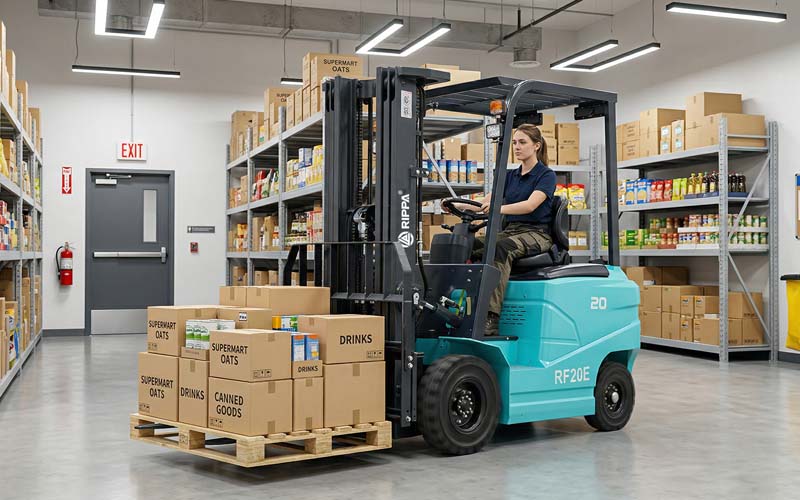
A forklift, also known as a lift truck, is a powered industrial vehicle designed to lift, carry, and transport materials over short distances.
●Forks (for lifting pallets)
●Mast (vertical lifting mechanism)
●Overhead guard (operator protection)
●Counterweight (balance and stability)
●Power source (electric battery, diesel engine, or LPG)
Forklifts are essential for handling palletized goods, making them a core part of warehouse and logistics operations.
Material handling equipment refers to a wide range of machines and tools used to move, store, control, and protect materials throughout manufacturing, warehousing, distribution, and disposal processes.
It includes both manual tools and automated systems, helping businesses optimize workflow and reduce human effort.
Forklifts are the most commonly used material handling machines.
Types include:
●Electric forklifts
●Diesel forklifts
●LPG forklifts
●Rough terrain forklifts
They are ideal for loading, unloading, stacking, and transporting goods.
Pallet jacks are simple tools used to move pallets over short distances.
Types:
●Manual pallet jacks
●Electric pallet trucks
They are widely used in retail stores, small warehouses, and delivery operations.
Reach trucks are designed for high stacking in narrow aisles, making them essential for modern warehouse systems.
Stackers are compact lifting machines used for light-duty stacking and material handling.
They are a cost-effective alternative to forklifts for smaller operations.
Conveyor systems automate the movement of goods, reducing manual handling.
Common in:
●Manufacturing plants
●Distribution centers
●Airports and logistics hubs
AGVs represent the future of material handling, using automation and navigation systems to transport goods without human intervention.
Material handling equipment plays a critical role in multiple industries:
●Efficient storage and retrieval
●Faster order fulfillment
●Reduced labor costs
●Movement of raw materials
●Transport of finished goods
●Streamlined production processes
●Handling heavy building materials
●Improving on-site efficiency
●Transporting feed, equipment, and supplies
●Managing high inventory turnover
●Supporting fast delivery systems
Investing in the right equipment offers several advantages:
Machines can handle tasks faster than manual labor.
Reduces workplace injuries caused by heavy lifting.
Minimizes labor requirements and material damage.
Advanced equipment allows for vertical storage and efficient layouts.
Supports business growth and increasing demand.
Selecting the right material handling equipment requires careful planning.
●Weight
●Size
●Shape
●Indoor vs. outdoor
●Floor conditions
●Space limitations
High-frequency operations require more durable machines.
Consider both initial investment and long-term costs.
Automation and smart systems may be necessary for large-scale operations.
Despite advances in automation, forklifts remain the backbone of material handling because they are:
●Versatile
●Cost-effective
●Easy to operate
●Suitable for multiple industries
They can also be equipped with various attachments, increasing their functionality.
As global demand for efficient and affordable equipment grows, RIPPA has become a strong competitor in the material handling industry.
●Comprehensive product range (forklifts, loaders, compact equipment)
●High cost-performance ratio
●Durable machines designed for global markets
●Fast delivery from overseas warehouses
●Strong distributor support and OEM services
RIPPA is particularly suitable for dealers, contractors, and B2B buyers looking to expand their equipment portfolio while maintaining profitability.
The industry is evolving with new technologies and demands:
●Electrification: Shift toward electric forklifts
●Automation: Increased use of AGVs and smart systems
●Sustainability: Focus on energy efficiency and low emissions
●Digitalization: Integration of IoT and fleet management systems
Businesses that adapt to these trends will gain a competitive advantage.
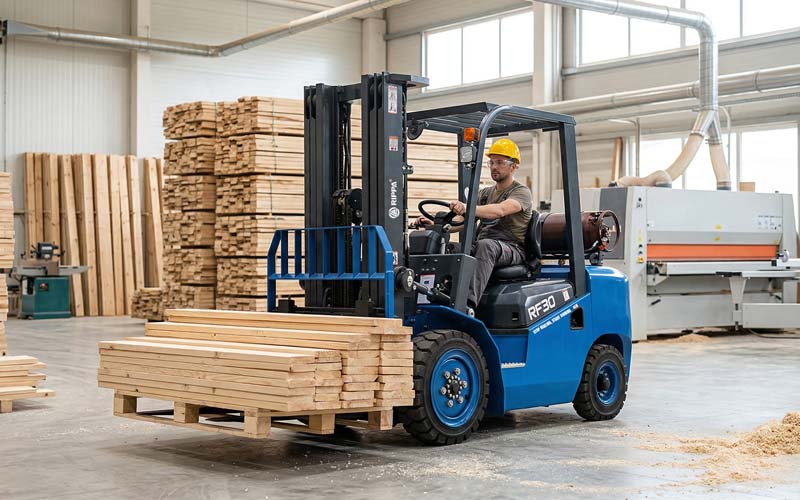
Forklifts, lift trucks, and material handling equipment are essential for efficient operations across industries. From simple pallet jacks to advanced automated systems, each type of equipment plays a unique role in improving productivity and safety.
By understanding your operational needs and choosing a reliable supplier like RIPPA, you can build a more efficient, scalable, and profitable business.
Tel: +8615628788742
E-mail: contact02@rippa.com
WhatsApp: Rypadlo Rippa
Adresa: Šestý průmyslový park, město Jining, provincie Shandong, Čína

 CS
CS  EN
EN  ES
ES  IT
IT  FR
FR  RU
RU  DE
DE  PT
PT  TR
TR  BG
BG  HR
HR  RO
RO  NN
NN  SL
SL  SV
SV  HU
HU  SK
SK  DA
DA  FI
FI  PL
PL  PT_BR
PT_BR 
