Searching for a Chinese mini excavator for sale gives international buyers access to a wide range of compact construction equipment. However, finding a suitable machine involves more than comparing online prices. Buyers need to understand product configurations, evaluate the manufacturer, confirm export arrangements, and make sure the selected equipment matches its intended applications.
For contractors, the priority is finding a machine that fits daily job requirements. For importers and equipment dealers, supplier reliability, product consistency, and purchasing arrangements are equally important.
This guide explains how to evaluate Chinese mini excavators and what to check before placing an international order.
Before contacting suppliers, define the work the machine will perform. Different projects may require different machine sizes, configurations, and attachment options.
Mini excavators are commonly considered for residential excavation, drainage, utility trenching, and outdoor renovation. Buyers should check the available working space, access routes, and required digging capabilities.
Landscaping contractors may use compact excavators for soil preparation, garden renovation, and general property improvement. Machine dimensions and attachment compatibility are important considerations.
Farm operators may need equipment for drainage channels, land maintenance, and other property work. Ground conditions and the frequency of use should influence the purchasing decision.
Contractors working across different small projects may value equipment that can be transported between sites and used for multiple applications. Buyers should compare the machine’s actual capabilities with their expected workload.
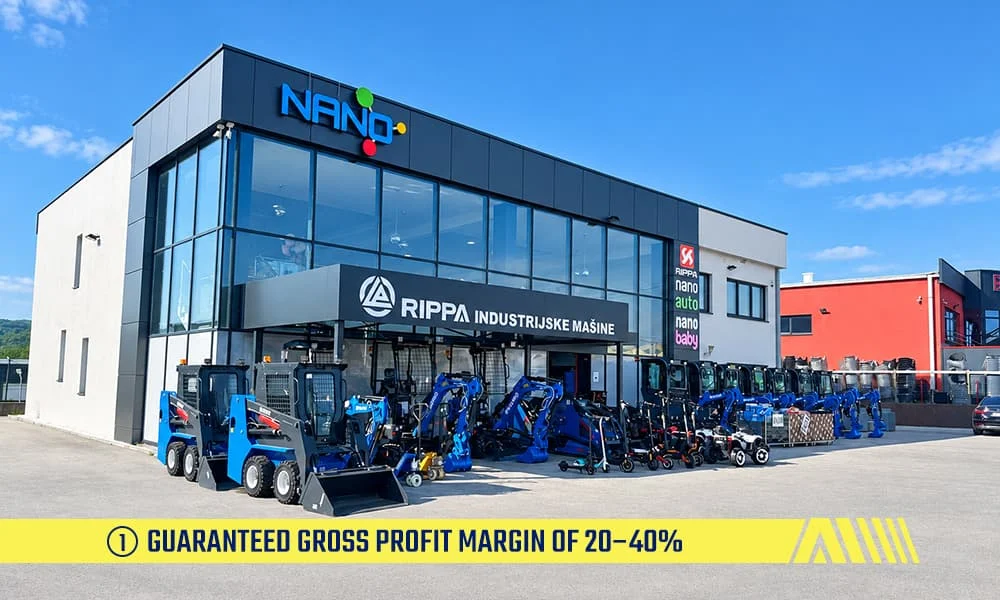
Products listed under the same general category can have different configurations. A useful comparison should include more than the machine’s advertised weight or price.
| Comparison Item | What Buyers Should Check |
|---|---|
| Machine dimensions | Whether the machine fits the intended worksite |
| Engine configuration | Brand and version included in the quotation |
| Hydraulic system | Configuration and operating requirements |
| Working capability | Whether it matches the intended tasks |
| Attachment options | Availability and compatibility |
| Maintenance access | Convenience of routine inspection |
| Product documentation | Completeness and consistency of information |
Ask suppliers to provide specifications for the exact model and configuration being quoted. If multiple versions are available, request a clear explanation of the differences.
This helps prevent misunderstandings between the advertised product and the machine ultimately supplied.
When sourcing equipment internationally, buyers should verify the supplier before making a purchasing decision.
Review the company’s official website, business information, manufacturing history, and product range. Look for consistent company details across its product pages, quotations, and business communications.
Ask whether the supplier manufactures the equipment directly and what product categories it produces. Factory information, production videos, and product documentation can help buyers understand the business behind the quotation.
A professional supplier should be able to explain the machine’s configuration and provide relevant product documents. Be cautious when important specifications are unclear or change between communications.
Pay attention to how the supplier answers technical and purchasing questions. Clear answers are particularly important when buyers need to compare several models or prepare an import order.
Once a suitable model has been identified, the next step is to confirm the transaction details.
Product configuration: Make sure the model, engine, major components, and selected options match the quotation.
Attachments: Confirm which attachments are included and which are optional. Verify compatibility before adding them to the order.
Commercial terms: Review the quoted price, payment conditions, order quantity, and responsibilities of both parties.
Export documentation: Ask which commercial and shipping documents will be supplied for the transaction.
Packaging and transportation: Clarify how the machine will be prepared for shipment, which transportation arrangements apply, and who is responsible for each stage.
Parts information: Ask how replacement parts are identified and ordered, especially if the machine will be used regularly.
Written confirmation is important. Buyers should retain the final quotation, configuration details, and agreed purchasing terms.
The purchasing process can differ depending on whether the buyer needs one machine or plans to distribute equipment in a local market.
Contractors and business owners should focus on the machine’s intended application, operating requirements, maintenance needs, and total purchasing arrangements.
They should avoid choosing a model based only on its initial price if its configuration does not match the work.
Dealers need to consider a broader set of factors:
For dealers, a consistent supplier relationship can be just as important as the initial product selection.
RIPPA Group is a construction machinery manufacturer based in Jining, Shandong, China. Its product range includes mini excavators and other construction equipment for international markets.
International buyers interested in a RIPPA mini excavator can review the available product options and contact the company to discuss their application requirements.
Before requesting a quotation, buyers should prepare information about their intended use, preferred machine category, required configuration, and purchasing quantity. This helps make product discussions more specific and makes it easier to compare available options.
Dealers and importers can also discuss product selection and potential cooperation arrangements with the sales team.
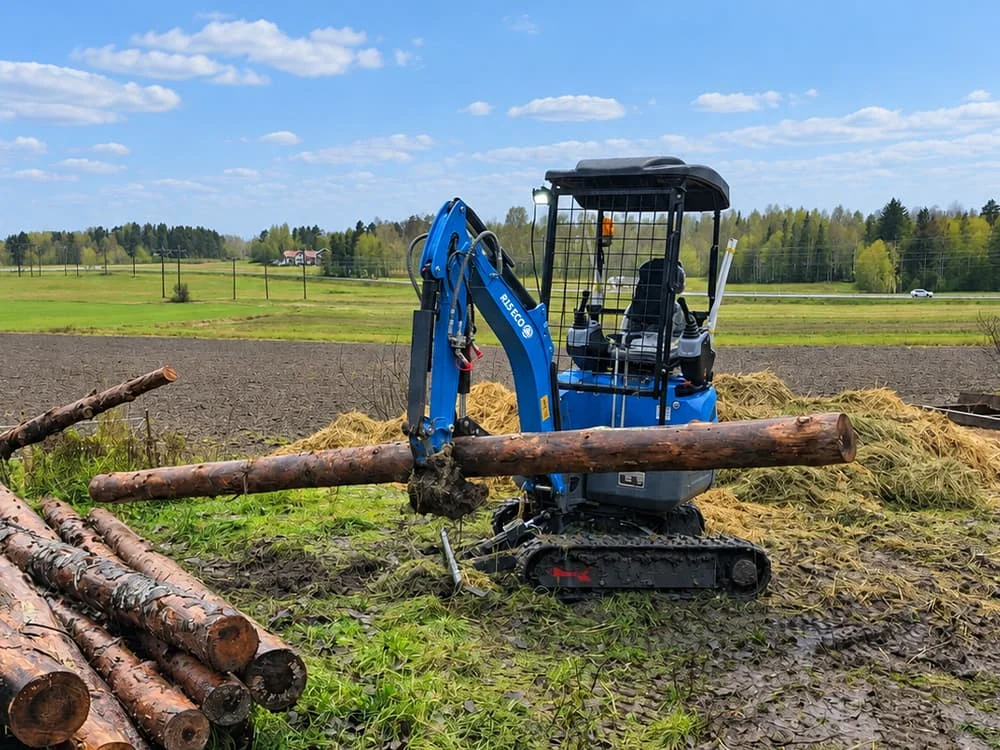
Start by identifying the machine category and intended applications. Then compare manufacturers, product configurations, documentation, and purchasing terms before requesting quotations.
Ask about the exact model, engine and component configuration, attachment options, product documentation, export arrangements, parts information, and payment terms.
Direct purchasing may be suitable for importers and dealers who want to communicate with the manufacturer about product configurations and repeat orders. Buyers should still verify the company and confirm all transaction details.
Ask the supplier which commercial, product, and shipping documents are available for your order. Confirm the documents required by your destination country’s import procedures before shipment.
Buying a Chinese mini excavator requires a clear understanding of the machine, manufacturer, and international purchasing process. The right equipment should match the intended application, while the supplier should provide consistent product information and clear commercial communication.
Whether purchasing for construction work or planning dealer distribution, compare complete configurations, verify the manufacturer, and confirm the order details in writing. A structured purchasing process helps reduce uncertainty and supports better equipment sourcing decisions.
Tel: +8615628788742
Email: contact02@rippa.com
WhatsApp: Rippa Excavator
Address: The sixth industrial park,Jining city,Shandong Province,China

 EN
 ES
 IT
 FR
 RU
 DE
 PT
 TR
 BG
 HR
 RO
 CS
 NN
 SL
 SV
 HU
 SK
 DA
 FI
 PL
 PT_BR

