When comparing mini excavators for sale, buyers should consider more than machine size and digging performance. Track type also affects ground protection, traction, maintenance requirements, and suitability for different jobsites.
Rubber tracks are commonly used for landscaping, residential construction, and work on finished surfaces. Steel tracks are often preferred for demanding environments where abrasion resistance and durability are priorities.
For contractors and equipment dealers, understanding these differences helps match equipment to customer applications. It can also support better purchasing decisions and long-term equipment value.
Rubber and steel tracks serve the same basic purpose: supporting machine movement and distributing its weight across the ground. However, their materials behave differently under various working conditions.
Rubber tracks generally provide better protection for finished surfaces and produce less direct metal-to-ground contact. Steel tracks offer greater resistance to certain forms of mechanical damage and may be suitable for demanding ground conditions.
The return on investment depends on how frequently the machine operates, the surfaces it works on, and the cost of maintaining or replacing its tracks.
For example, a landscaping contractor working on lawns and paved areas may benefit from rubber tracks because they help reduce surface damage. A contractor working on rough, abrasive terrain may prioritize the durability of steel tracks.
When evaluating mini excavators for sale, buyers should compare track suitability alongside machine specifications, expected utilization, and maintenance requirements.
For dealers, understanding these differences makes it easier to recommend equipment that fits customers’ actual working conditions.
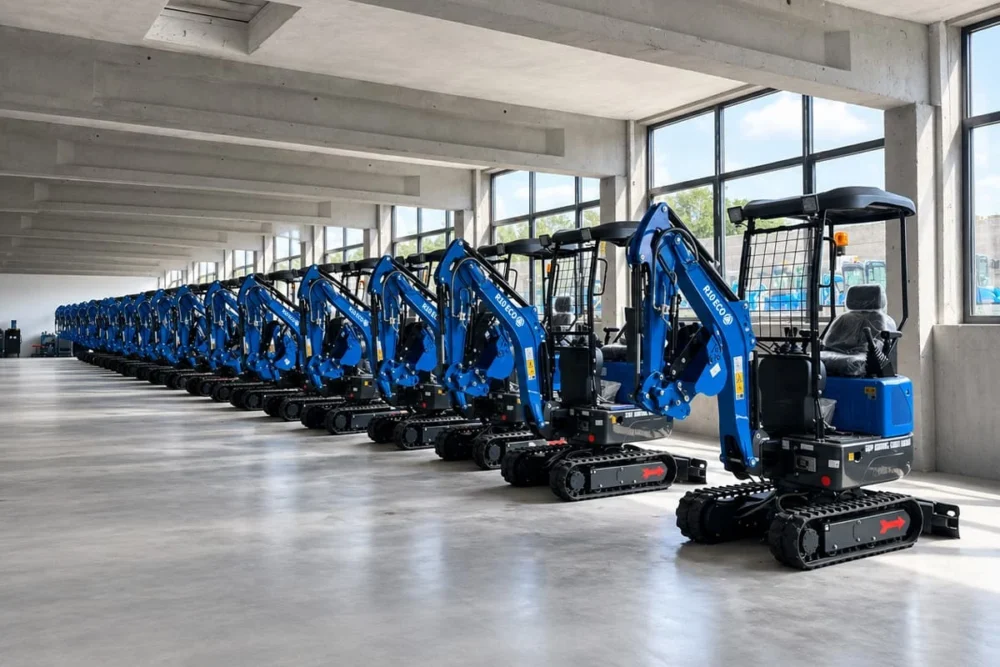
Rubber tracks are popular for projects where surface protection and maneuverability are important.
A customer looking for a mini excavator for sale for residential landscaping or property maintenance may prefer rubber tracks because they can reduce damage to lawns, paving, and other finished surfaces when used appropriately.
Key advantages include:
However, rubber tracks can be damaged by sharp debris, abrasive materials, and unsuitable operating conditions. Their service life depends on track quality, tension, operating habits, and jobsite conditions.
Rubber tracks are not automatically the best choice for every project. Contractors should consider the surface, expected workload, and potential replacement requirements before selecting them.
For equipment dealers, explaining these advantages helps customers understand why rubber-track configurations may be appropriate for specific applications.
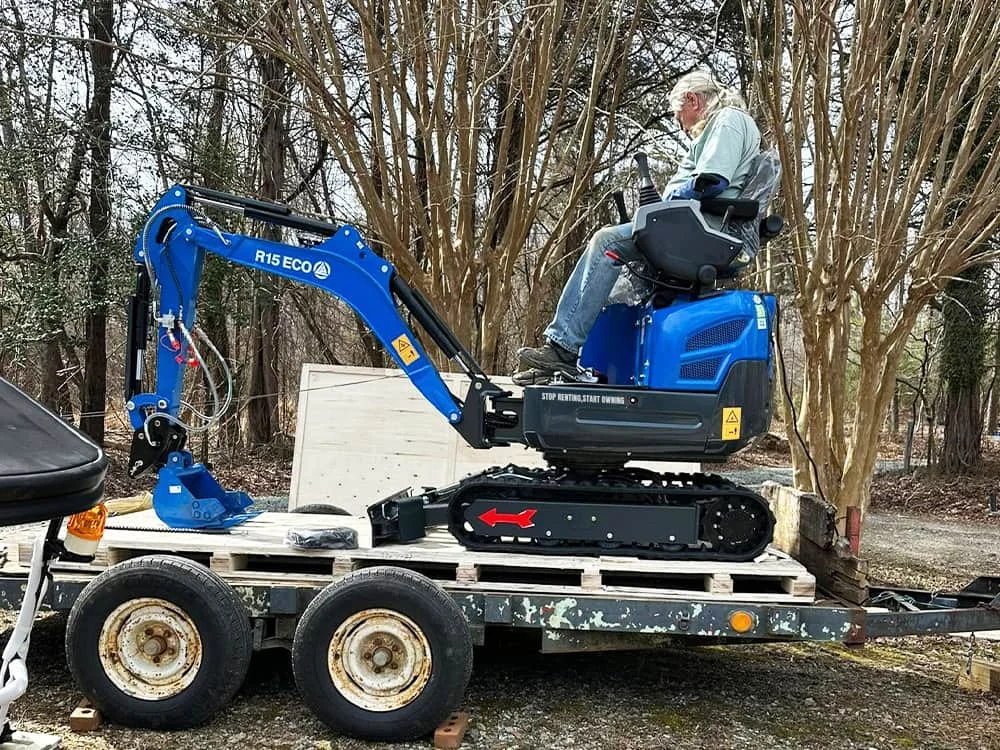
Steel tracks are designed for demanding working conditions where resistance to certain types of mechanical wear is important.
Depending on their construction and configuration, steel tracks may be suitable for rocky terrain, abrasive ground, and some heavy-duty applications.
Potential advantages include:
However, steel tracks can damage asphalt, paving, lawns, and other finished surfaces. They may also produce more vibration and noise during travel.
Steel tracks are not immune to wear. Abrasive soil, incorrect tension, poor lubrication of applicable components, and unsuitable operating practices can still increase maintenance requirements.
Businesses comparing compact excavators for sale should evaluate the intended terrain, transportation requirements, ground protection needs, and manufacturer recommendations before choosing a track configuration.
The best option is the one that meets the project’s operating requirements without creating unnecessary maintenance or surface-repair costs.
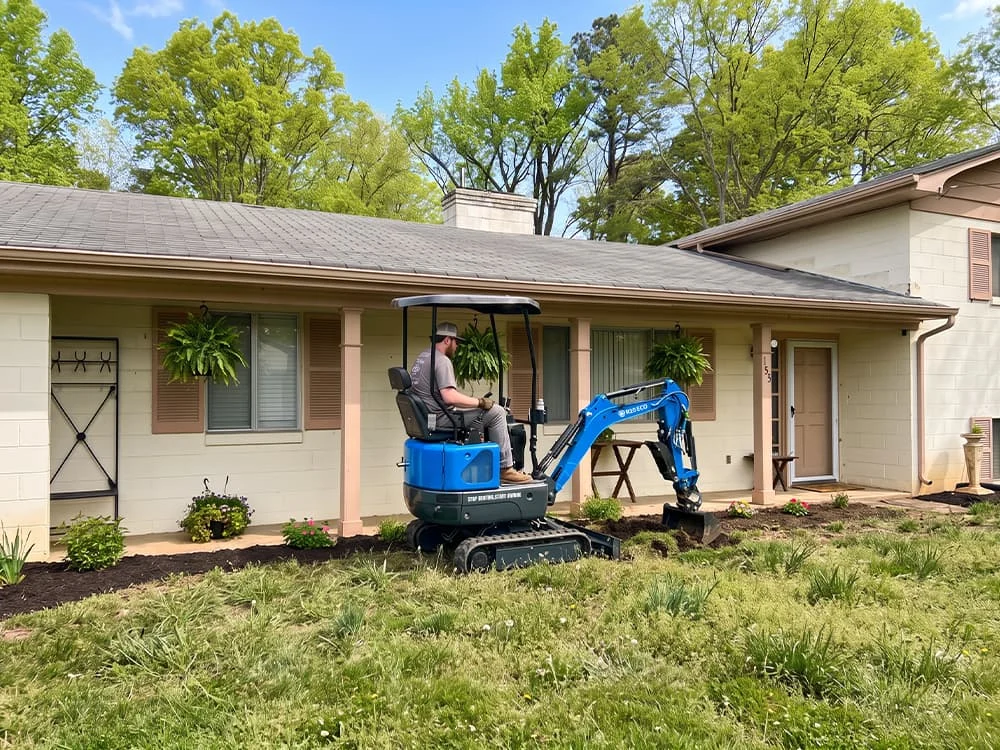
Proper mini excavator maintenance helps preserve track performance and reduce avoidable downtime.
Rubber and steel tracks require different inspection and care procedures, so operators should follow the manufacturer’s maintenance instructions.
For rubber tracks, routine checks should include:
For steel tracks, operators should inspect track links, pins, bushings, rollers, sprockets, and other applicable undercarriage components for wear or damage.
Incorrect tension can accelerate wear in either track system. Regular inspections help identify problems before they lead to more extensive repairs.
When considering mini excavator price, buyers should also account for the expected cost of track replacement, routine servicing, and downtime. The initial purchase price alone does not determine long-term operating expenses.
For dealers, providing clear track-care guidance can improve customer satisfaction and support long-term relationships.
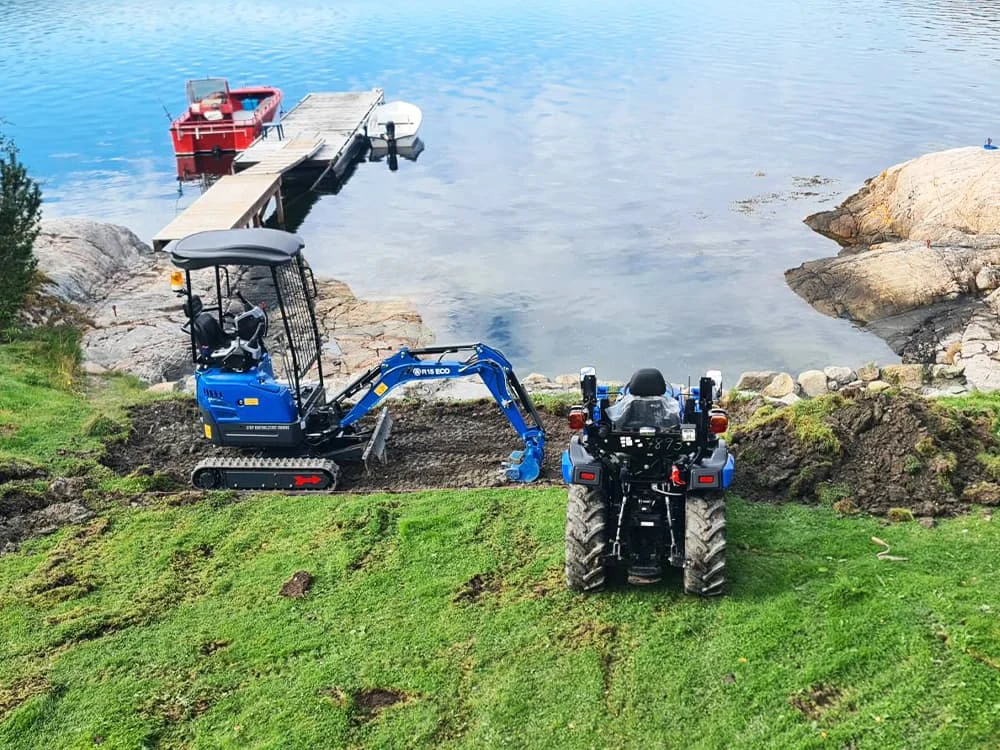
RIPPA is a construction machinery manufacturer offering mini excavators for different working environments and applications.
When selecting equipment, buyers should consider the type of ground, required traction, surface-protection needs, operating conditions, and compatible track configurations.
Rubber tracks may be suitable for landscaping and residential projects, while steel tracks may be worth considering for certain rough or abrasive environments. The correct configuration depends on the machine and the manufacturer’s approved options.
Businesses exploring mini excavators for sale can review equipment options and discuss their application requirements with RIPPA.
For potential distributors, understanding local customer needs can help identify suitable equipment configurations for landscaping contractors, construction companies, and other end users.
RIPPA welcomes inquiries from businesses interested in equipment distribution and long-term cooperation. Visit the RIPPA distributor recruitment page to explore dealership opportunities and discuss product requirements.
Often, yes. Rubber tracks can help protect lawns and finished surfaces, although the result depends on ground conditions and operating practices.
Not in every situation. Service life depends on track construction, terrain, workload, maintenance, and operating habits.
It can. Track configuration and replacement requirements may affect equipment costs and long-term maintenance expenses.
Тел: +8615628788742
Имейл: contact02@rippa.com
WhatsApp: Багер Rippa
Адрес: Шестият индустриален парк, град Джининг, провинция Шандун, Китай

 BG
BG  EN
EN  ES
ES  IT
IT  FR
FR  RU
RU  DE
DE  PT
PT  TR
TR  HR
HR  RO
RO  CS
CS  NN
NN  SL
SL  SV
SV  HU
HU  SK
SK  DA
DA  FI
FI  PL
PL  PT_BR
PT_BR 
