Managing cash flow is essential for equipment dealers selling mini excavators. Even when sales are growing, poor purchasing decisions, slow customer payments, and excessive inventory can create financial pressure. Dealers need to balance money coming in with the costs of purchasing equipment, maintaining inventory, and operating their businesses.
With many mini excavators for sale available in the market, dealers should develop a clear financial strategy before expanding their product inventory. Understanding purchasing costs, pricing, inventory turnover, and payment collection can help dealers maintain stable operations and support long-term business growth.
Before purchasing inventory, dealers should calculate the complete cost of bringing each machine into their business. The purchase price alone does not represent the actual investment.
Important cost categories include:
Dealers should calculate the landed cost of each machine by adding all purchasing-related expenses. This provides a more accurate foundation for pricing and profit calculations.
Working with a reliable manufacturer can also improve purchasing planning. RIPPA, as a construction machinery manufacturer, offers mini excavators for dealers to evaluate for their product inventory. When discussing supplier cooperation, dealers should confirm order quantities, payment arrangements, production schedules, shipping terms, and after-sales support.
Planning purchases around actual sales demand rather than simply ordering more machines can help protect available working capital.
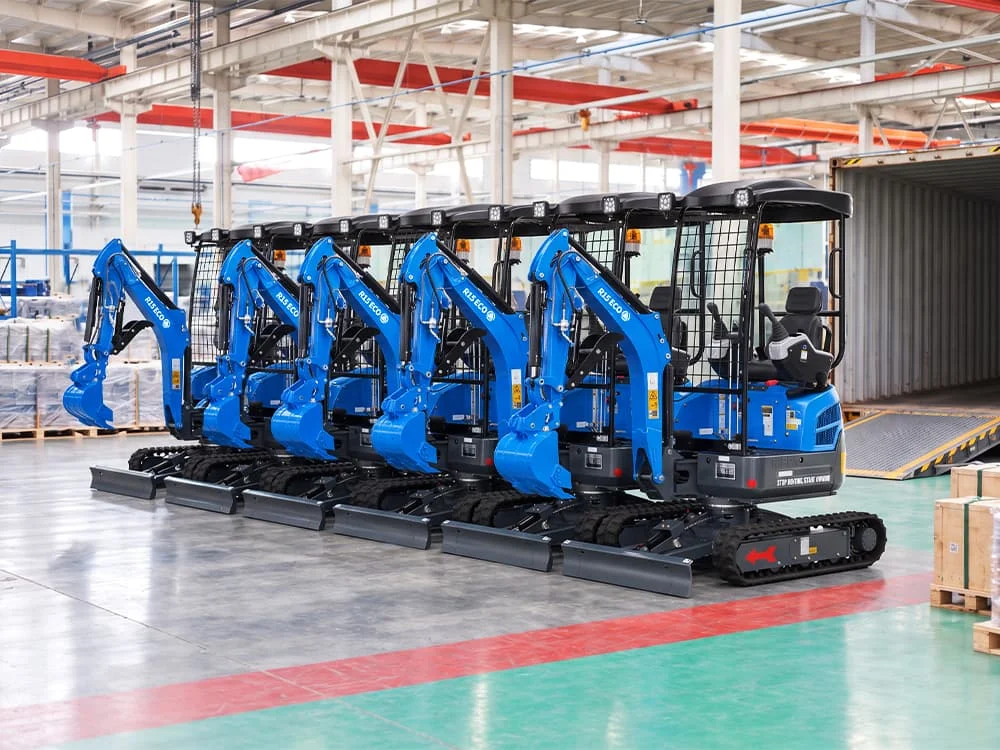
Inventory management directly affects how much cash a dealer can use for daily operations. When too many machines remain unsold, capital becomes tied up in inventory instead of supporting new purchases, marketing, and business expenses.
Dealers can improve inventory management through several practical methods.
Review monthly sales volumes, customer inquiries, and product preferences. Identify which equipment categories generate consistent demand and which move more slowly.
Avoid purchasing large quantities without sufficient demand. Use historical sales and confirmed customer orders to determine appropriate purchasing quantities.
Track how long each machine stays in stock. Slow-moving inventory should receive additional attention through improved product promotion, customer follow-up, and purchasing adjustments.
Establish purchasing schedules based on current stock, expected demand, and supplier delivery times. This helps dealers avoid both excessive inventory and unnecessary stock shortages.
When managing small excavators for sale, dealers should also consider differences in machine size, configuration, and target customer groups. Maintaining a balanced inventory can reduce financial pressure and improve the availability of products customers actually need.

Pricing decisions influence both sales competitiveness and cash flow. Setting prices too low may reduce profit margins, while prices that are too high can slow sales and increase inventory holding costs.
Dealers should establish prices based on three main factors.
Calculate the complete cost.
Start with the landed cost, including equipment purchases, transportation, import expenses, storage, and other related costs.
Set a reasonable profit margin.
Determine the target profit based on business expenses, market conditions, and customer expectations. Dealers should distinguish between gross profit and the final profit remaining after operating expenses.
Compare market prices.
Research competing equipment suppliers and compare machine configurations, product capabilities, warranty arrangements, and after-sales support. Price comparisons should consider the complete purchasing value rather than the equipment price alone.
For example, if a machine costs $8,000 in total landed expenses and the dealer targets a 20% gross margin on the selling price, the required selling price is $10,000.
Dealers should regularly review mini excavator price changes, purchasing costs, and sales performance. This helps maintain competitive pricing without sacrificing financial stability.
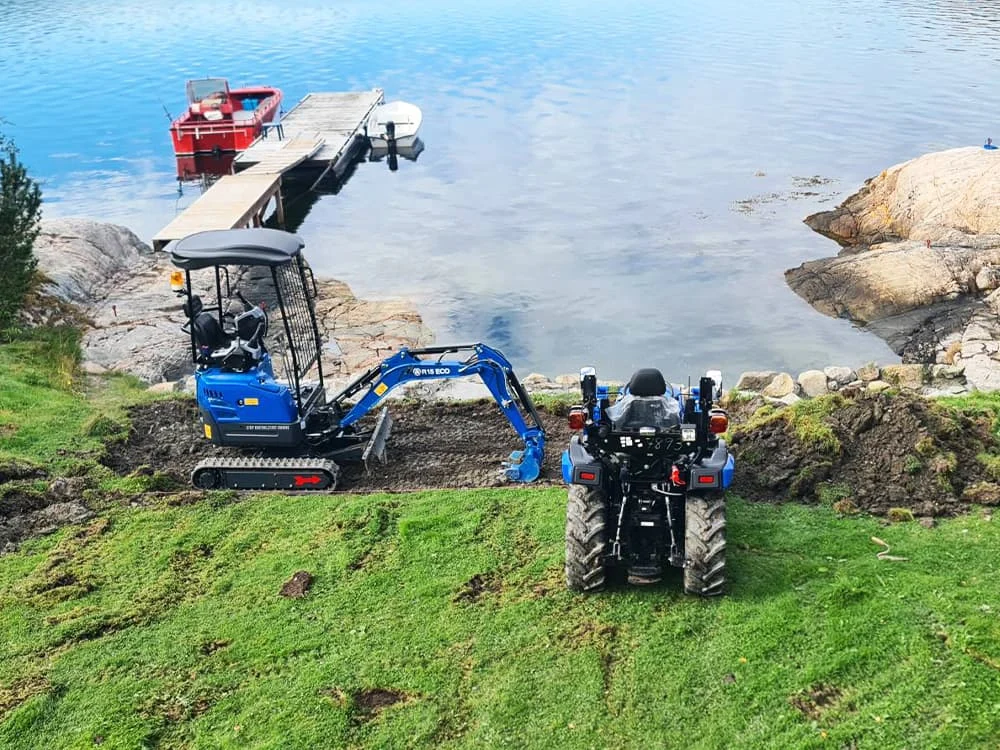
Selling equipment does not automatically mean cash has been collected. Delayed payments can create serious cash flow problems, especially when dealers must pay suppliers and operating expenses before receiving customer balances.
A clear payment management process can reduce this risk.
Establish payment terms before confirming orders.
Clearly communicate deposits, payment deadlines, outstanding balances, and delivery conditions. Customers should understand their payment responsibilities before the transaction begins.
Use milestone-based payments where appropriate.
Depending on the sales agreement, dealers can arrange deposits when orders are confirmed and collect remaining payments according to agreed production, shipping, or delivery milestones.
Monitor outstanding receivables.
Maintain a payment tracking sheet containing customer names, invoice amounts, due dates, received payments, and outstanding balances.
Follow up on overdue payments.
Contact customers before payment deadlines and follow up promptly when payments become overdue. Consistent communication helps reduce delays and payment disputes.
Dealers should also establish credit limits for customers purchasing on credit. Extending excessive credit without reviewing payment history can put business liquidity at risk.
A structured payment process helps dealers turn equipment sales into actual cash inflows rather than relying only on reported sales revenue.

Cash flow forecasting helps dealers understand whether future income will be sufficient to cover upcoming expenses. Instead of waiting until money becomes tight, dealers should prepare a monthly cash flow plan.
A basic forecast should include:
| Cash Flow Item | Monthly Amount |
| Opening cash balance | Starting available funds |
| Customer payments received | Expected sales collections |
| Equipment purchases | Supplier payments |
| Shipping and import expenses | Transportation and clearance |
| Operating expenses | Salaries, rent, marketing, and utilities |
| Other expenses | Maintenance and unexpected costs |
| Closing cash balance | Remaining available funds |
The basic calculation is:
Closing Cash Balance = Opening Cash Balance + Cash Inflows – Cash Outflows
Dealers should update this forecast regularly using actual customer payments, confirmed orders, supplier payment schedules, and expected operating expenses.
Working capital should also include a reasonable cash reserve for unexpected costs, delayed customer payments, and changes in delivery schedules.
When planning inventory for compact excavators for sale, dealers should avoid using all available cash to purchase machines. Maintaining sufficient working capital allows businesses to pay suppliers on time, cover daily expenses, and respond to new sales opportunities.
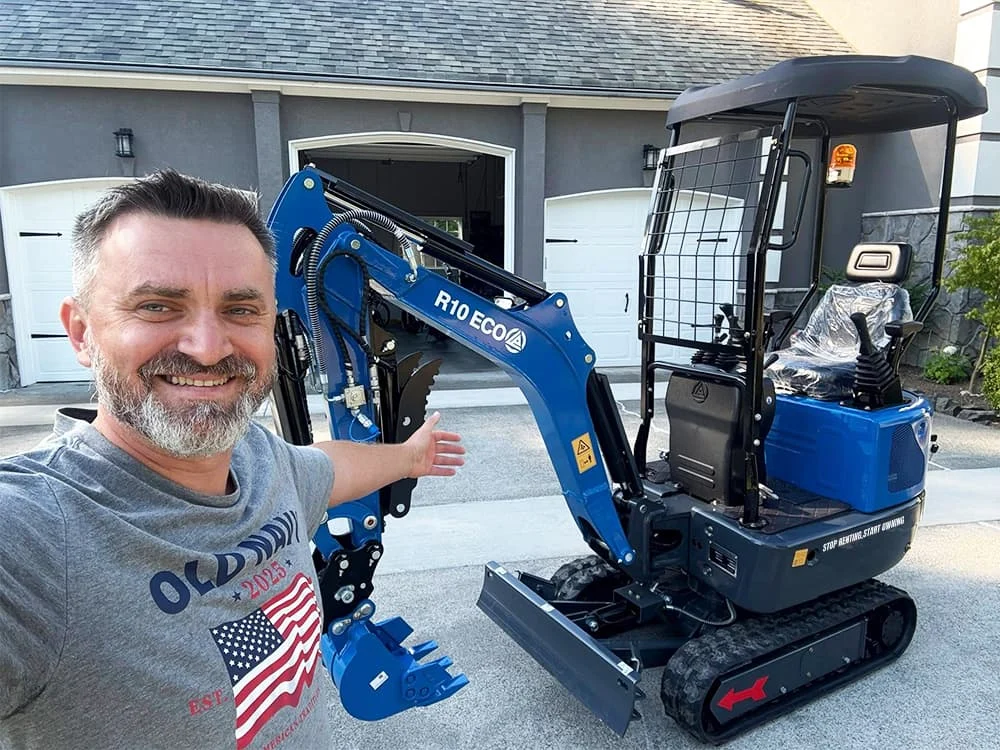
It ensures dealers can pay suppliers, maintain inventory, cover operating expenses, and support daily business activities.
Use sales data to plan purchasing quantities, monitor inventory turnover, and avoid unnecessary stock accumulation.
Include equipment costs, transportation, import expenses, storage, and operating costs before setting selling prices.
Improve payment collection, control purchasing expenses, reduce slow-moving inventory, and review cash flow forecasts regularly.
Тел: +8615628788742
Имейл: contact02@rippa.com
WhatsApp: Багер Rippa
Адрес: Шестият индустриален парк, град Джининг, провинция Шандун, Китай

 BG
 EN
 ES
 IT
 FR
 RU
 DE
 PT
 TR
 HR
 RO
 CS
 NN
 SL
 SV
 HU
 SK
 DA
 FI
 PL
 PT_BR

