Managing equipment returns is essential for dealers selling mini excavators. A clear return process helps control costs, protect customer relationships, and reduce inventory losses. Whether the issue involves manufacturing defects, transportation damage, or improper operation, dealers need consistent procedures to inspect equipment and resolve complaints.
For businesses offering mini excavators for sale, effective return management also depends on reliable suppliers, proper maintenance, and responsive after-sales support.
Dealers should follow five steps to manage equipment returns efficiently.
Collect the customer’s purchase details, delivery date, operating hours, and reason for requesting a return. Ask for photos or videos showing the problem before arranging an inspection.
Check the return policy, warranty coverage, delivery conditions, and applicable legal requirements. For B2B transactions, the signed purchase agreement should guide the return process.
Arrange an on-site inspection or request supporting photos, videos, and maintenance records. Check whether the reported problem affects normal machine operation.
Depending on the inspection results, dealers can offer repairs, replacement parts, machine replacement, or refunds according to the agreement and applicable requirements.
Document the problem, inspection findings, repair costs, and final decision. Keeping complete records helps dealers identify recurring issues and improve future service.
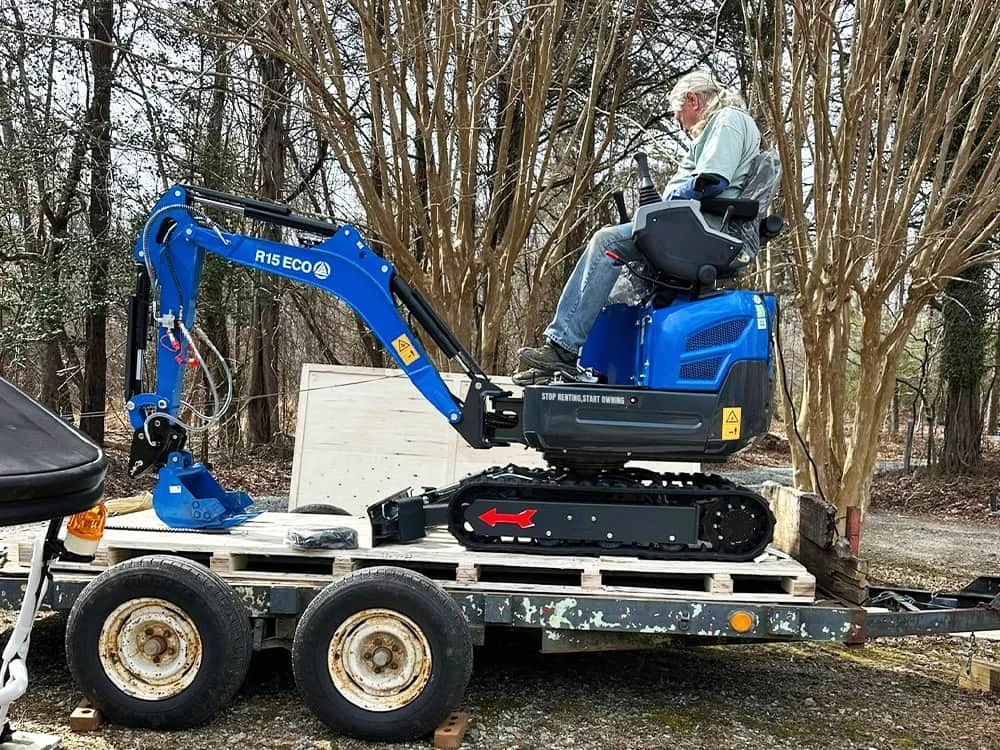
Understanding return reasons helps dealers prevent unnecessary complaints and improve customer satisfaction.
Dealers should classify each complaint correctly. A manufacturing defect requires a different solution from transportation damage or improper maintenance. Identifying the actual cause helps avoid unnecessary returns and repeated service costs.
A mini excavator inspection checklist helps dealers evaluate returned equipment and identify the source of a problem.
The inspection should cover these important areas:
| Inspection Area | Key Items to Check |
| Motor | Starting performance, unusual noise, and oil leaks |
| Hidrolik sistem | Hoses, cylinders, connections, and leakage |
| Undercarriage | Tracks, rollers, and sprockets |
| Working equipment | Boom, arm, bucket, and connections |
| Electrical system | Wiring, switches, and control functions |
| Structure | Cracks, deformation, and loose bolts |
| Maintenance records | Operating hours and previous repairs |
After inspection, compare the findings with delivery photographs, operating records, and maintenance history.
For example, damage documented before delivery may indicate a transportation issue. A confirmed manufacturing defect should be reviewed under the supplier’s warranty terms. Damage caused by incorrect operation or neglected maintenance should be evaluated separately.
Dealers should keep inspection photographs, videos, and written reports as evidence. This makes responsibility decisions clearer and reduces disputes with customers and suppliers.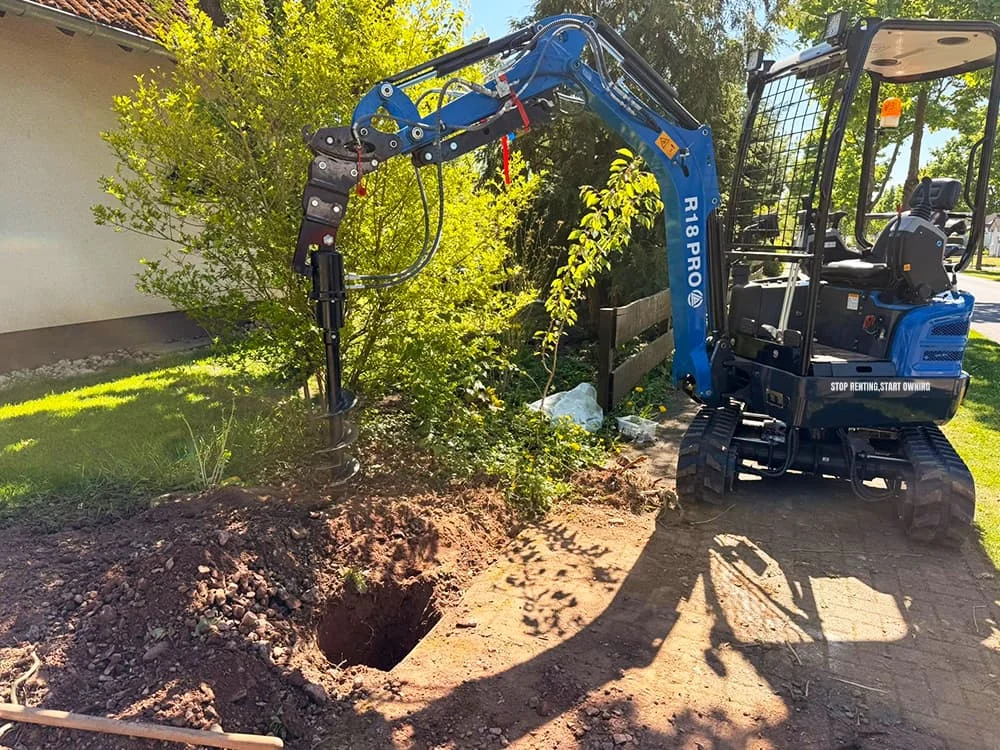
The right solution depends on equipment condition, repair costs, warranty coverage, and the original mini excavator price.
Repairs: Choose repairs when the problem is minor and can be resolved by replacing damaged components or correcting a technical issue. Consider labor, parts, and transportation costs before approving the work.
Replacements: Consider replacing components or the entire machine when a serious defect cannot be reliably repaired within a reasonable period. The decision should follow warranty conditions and the severity of the problem.
Refunds: A refund may be appropriate when the return meets contractual conditions, the problem cannot be reasonably resolved, or applicable law requires it.
| Solution | Suitable Situation |
| Repair | Minor or repairable problems |
| Replacement | Serious or unresolved defects |
| Refund | Eligible returns requiring financial settlement |
Dealers should compare the total repair cost with replacement expenses and consider customer downtime before making a decision. Clear communication also helps customers understand the available solutions.

Preventing repeat returns requires consistent maintenance, accessible replacement parts, and reliable after-sales service.
Establish maintenance schedules.
Provide customers with clear instructions for checking engine oil, hydraulic oil, filters, tracks, and other important components. Regular mini excavator maintenance helps identify potential problems before they cause equipment failure.
Improve servicing efficiency.
Create a clear process for receiving service requests, diagnosing faults, arranging repairs, and following up with customers. Timely mini excavator servicing reduces downtime and improves customer confidence.
Manage spare parts inventory.
Keep commonly required mini excavator parts available and monitor supplier delivery times. Faster access to replacement components helps dealers complete repairs and avoid extended equipment downtime.
Extend equipment lifespan.
Provide operator guidance and encourage preventive maintenance. Proper operation, regular inspections, and timely component replacement can help extend mini excavator lifespan.
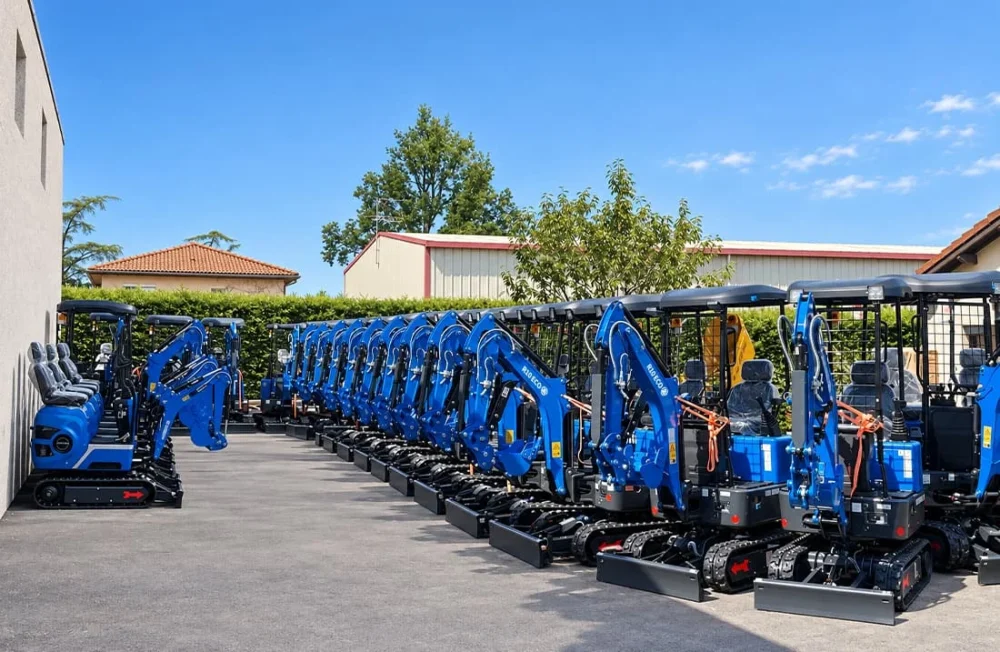
Working with a reliable Chinese mini excavator supplier is another important part of return prevention. RIPPA, as a construction machinery manufacturer, can support dealer cooperation through manufacturing quality management, technical communication, and parts support.
When evaluating suppliers, dealers should review production inspections, warranty arrangements, spare parts availability, and after-sales communication. Reliable supplier cooperation helps reduce avoidable equipment problems and build long-term customer relationships.
Can customers return a mini excavator after using it?
It depends on the purchase agreement, warranty terms, return policy, and applicable laws.
Who pays for mini excavator return shipping?
Responsibility depends on the reason for return and the agreed sales conditions.
How can dealers reduce equipment returns?
Use pre-delivery inspections, clear product information, operator training, and regular maintenance.
Tel: +8615628788742
E-posta: contact02@rippa.com
WhatsApp: Rippa Ekskavatör
Adres: Altıncı sanayi parkı, Jining şehri, Shandong Eyaleti, Çin

 TR
 EN
 ES
 IT
 FR
 RU
 DE
 PT
 BG
 HR
 RO
 CS
 NN
 SL
 SV
 HU
 SK
 DA
 FI
 PL
 PT_BR

