When comparing mini excavators for sale, fuel efficiency is an important consideration for contractors, equipment buyers, and distributors. Machine size affects engine power, operating weight, hydraulic demand, and fuel consumption.
Smaller excavators generally consume less fuel per hour, while larger machines can handle heavier workloads and move more material in less time. However, lower hourly fuel consumption does not always mean better overall fuel efficiency.
Understanding how excavator size affects fuel use helps buyers select machines suited to their projects. For equipment dealers, this knowledge also supports better product recommendations and customer purchasing decisions.
Fuel consumption varies according to operating weight, engine design, workload, and working conditions.
A 1-ton mini excavator usually requires less fuel per hour than a 5-ton machine because it typically uses a smaller engine and operates with lower power requirements.
The following table provides broad estimates of hourly diesel consumption for different mini excavator sizes.
| Mini Excavator Size | Estimated Fuel Consumption |
| 1-Ton Mini Excavator | 1–2 L/h |
| 2-Ton Mini Excavator | 1.5–3 L/h |
| 3-Ton Mini Excavator | 2–4 L/h |
| 5-Ton Mini Excavator | 4–7 L/h |
These figures are approximate planning ranges, not RIPPA specifications or guaranteed consumption rates. Actual fuel use depends on the machine, engine, operating conditions, and workload.
Smaller machines are commonly used for landscaping, residential projects, and light excavation. Larger mini excavators generally offer greater digging capability for more demanding work.
When comparing mini excavators for sale, buyers should evaluate both fuel consumption and expected productivity.
A machine with higher hourly fuel consumption may complete a project faster, potentially reducing total fuel used for the entire job.
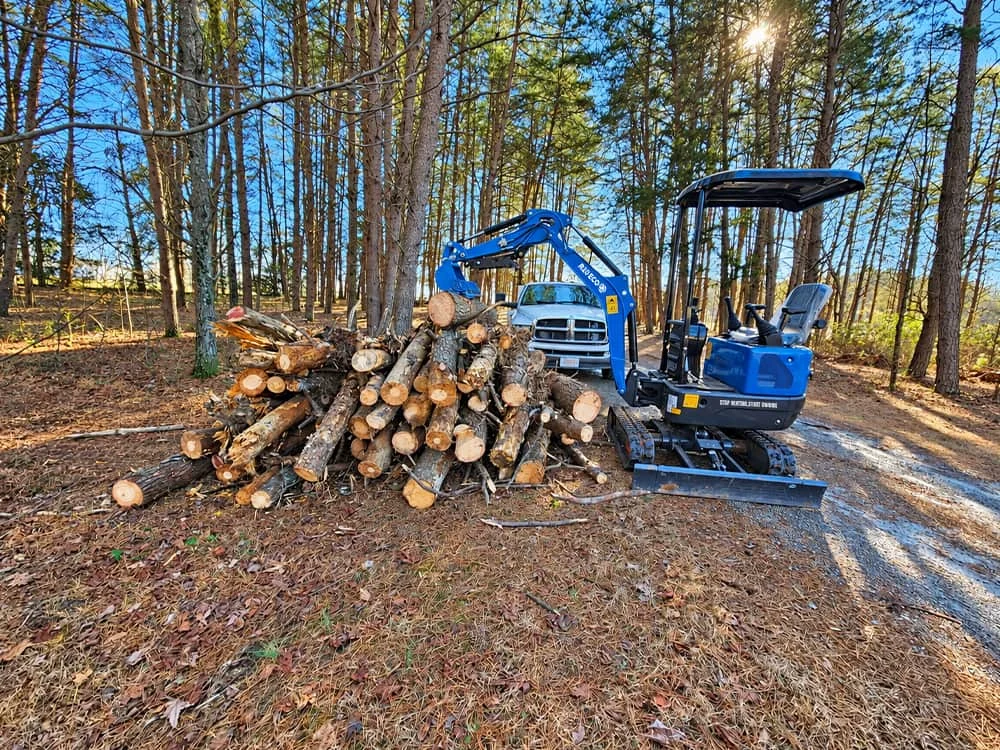
Larger mini excavators typically consume more fuel because they require more power to operate heavier structures and support greater digging and hydraulic demands.
Several factors explain this relationship.
Engine Power
Larger excavators generally have more powerful engines. These engines can support demanding digging operations but may consume more fuel under comparable operating conditions.
Operating Weight
Moving a heavier machine can require more energy, particularly on uneven terrain or during frequent travel.
Hydraulic Requirements
Larger excavators often have hydraulic systems designed to handle greater loads and operate larger working equipment. Higher hydraulic power demand can increase engine load and fuel consumption.
Attachment Size
Larger buckets and compatible attachments may require additional power, depending on the task.
When evaluating a mini excavator for sale, buyers should not focus only on engine size. Hydraulic efficiency, machine design, and workload also influence actual fuel consumption.
The correct machine size depends on achieving a balance between available power and the requirements of the job.
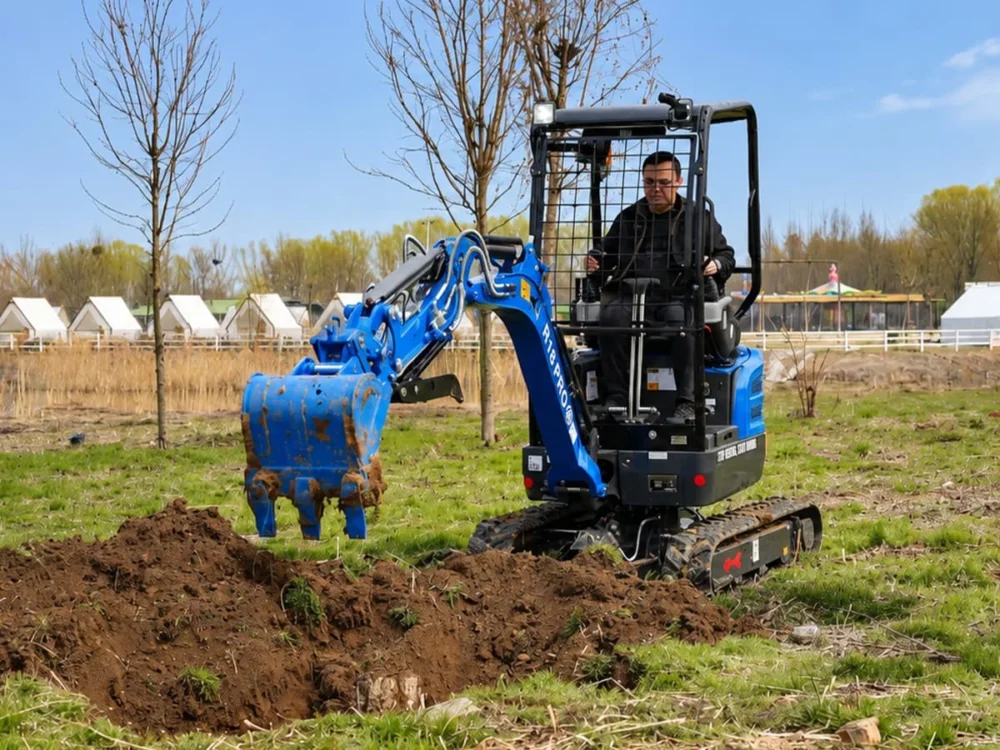
Not necessarily.
A smaller excavator may consume less diesel per hour, but fuel efficiency should also be evaluated against the amount of work completed.
For example, consider two hypothetical machines performing the same excavation task:
| Factor | Smaller Excavator | Larger Excavator |
| Hourly Fuel Consumption | 2 L/h | 4 L/h |
| Time Required | 8 hours | 3 hours |
| Total Fuel Used | 16 liters | 12 liters |
This is an illustrative calculation, not a measured comparison between actual excavator models.
Although the smaller excavator uses less fuel per hour, the larger machine uses less fuel to complete the example project.
This distinction is important when comparing equipment.
A small excavator for sale may be appropriate for narrow access areas, landscaping, and lighter excavation. Larger compact machines may provide better productivity for projects requiring greater digging force or material movement.
The most useful measure is often fuel consumption per unit of completed work, such as liters per cubic meter of excavated material.
Therefore, choosing the smallest machine does not automatically produce the lowest fuel consumption for every project.
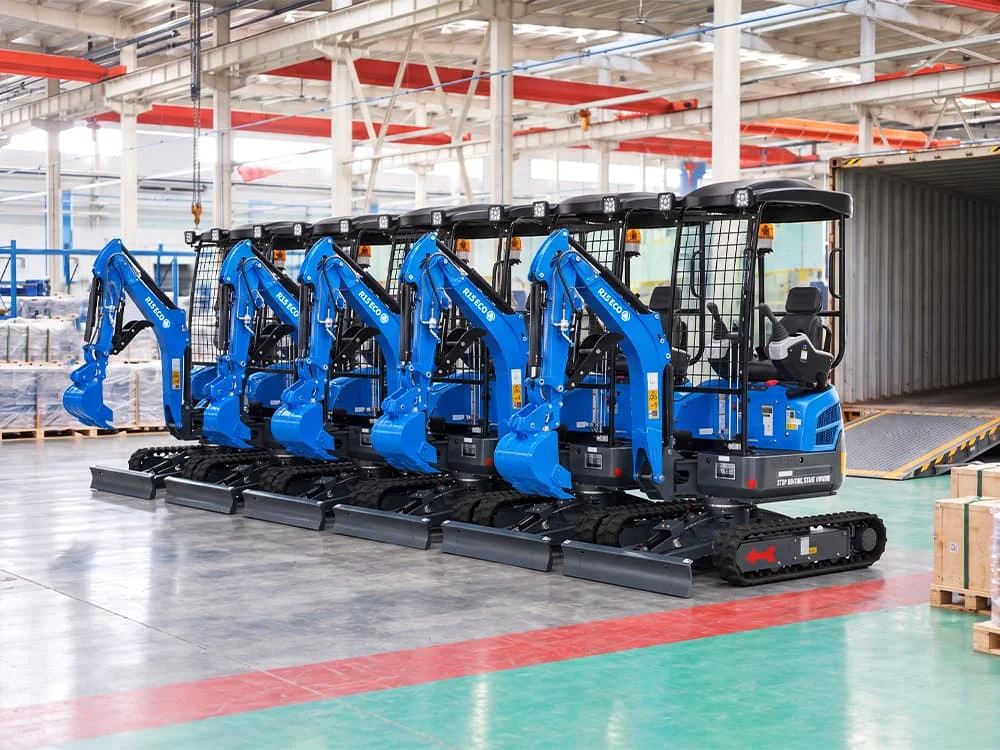
Machine size is important, but actual fuel consumption also depends on working conditions and equipment maintenance.
Digging in loose soil usually requires less power than working in compacted or difficult ground. Higher loads can increase fuel consumption.
Long periods of unnecessary idling consume fuel without completing productive work.
Hydraulic systems that operate correctly help transfer power efficiently. Problems such as internal leakage or excessive resistance can reduce overall performance.
Smooth movements, appropriate engine speeds, and efficient digging methods can help avoid unnecessary fuel consumption.
Regular mini excavator maintenance supports reliable engine and hydraulic performance.
Operators should follow manufacturer recommendations for air filters, fuel filters, engine oil, hydraulic components, and scheduled inspections.
Poor maintenance can reduce efficiency and contribute to increased fuel consumption.
For equipment distributors, explaining these factors helps customers understand why machines of similar size may deliver different real-world fuel performance.
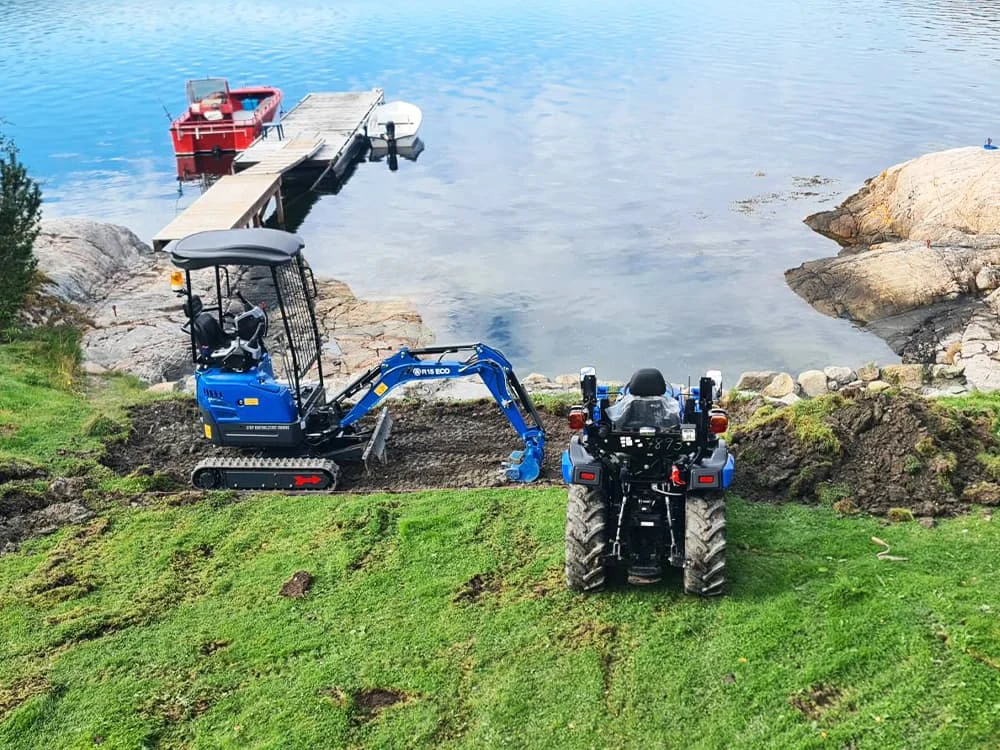
Choosing the correct excavator size starts with understanding the work rather than selecting the machine with the lowest hourly fuel consumption.
For Landscaping and Light Excavation
Smaller mini excavators may suit garden projects, narrow access areas, and light digging tasks where maneuverability is essential.
For Residential Construction
Medium-sized mini excavators may offer a useful balance between fuel consumption, digging performance, and operating flexibility.
For More Demanding Projects
Larger compact excavators can be appropriate when greater digging capability and faster material handling are required.
When comparing compact excavators for sale, buyers should consider:
Although mini excavator price is important, the machine’s suitability for the intended work should remain a central purchasing consideration.
For equipment dealers, understanding fuel efficiency across different machine sizes helps match products to local customer requirements.
RIPPA is a construction machinery manufacturer offering mini excavators for different working applications. Businesses evaluating equipment options can contact RIPPA to discuss specifications and suitability for their markets.
Companies interested in expanding their construction equipment business can explore RIPPA distributor opportunities to learn more about potential dealership cooperation.
Generally, yes, on an hourly basis. However, actual consumption depends on engine design, workload, and operating conditions.
Engine size matters, but hydraulic demand, machine weight, workload, and operating habits also affect fuel use.
There is no single best size. The most fuel-efficient choice is a machine that can complete the required work with suitable productivity and minimal unnecessary fuel consumption.
Tel: +8615628788742
E-mail: contact02@rippa.com
WhatsApp: Rypadlo Rippa
Adresa: Šiesty priemyselný park, mesto Jining, provincia Shandong, Čína

 SK
SK  EN
EN  ES
ES  IT
IT  FR
FR  RU
RU  DE
DE  PT
PT  TR
TR  BG
BG  HR
HR  RO
RO  CS
CS  NN
NN  SL
SL  SV
SV  HU
HU  DA
DA  FI
FI  PL
PL  PT_BR
PT_BR 
