Starting or expanding a skid steer loader dealership requires more than finding a machine at a competitive price. Dealers need a suitable product range, a dependable manufacturing partner, a clear sales strategy, and a plan for supporting customers after delivery.
In the United States, compact equipment serves a variety of industries, including landscaping, agriculture, property maintenance, construction, and material handling. These applications create opportunities for dealers who understand their local customers and can match equipment to practical job requirements.
For businesses considering a new equipment line, evaluating the supplier and the local market together is an important first step.
Before selecting a skid steer loader supplier, determine which customer groups your dealership intends to serve.
Different customers may have different purchasing priorities. Landscaping companies may focus on maneuverability and attachment options, while contractors may evaluate operating efficiency, machine durability, and the ability to handle recurring workloads.
Potential customer groups include:
Research the number and type of potential customers in your service area. Review competing equipment brands, local dealer coverage, customer purchasing habits, and the product categories that appear to be underserved.
This information can help you decide whether a skid steer loader dealership fits your existing business and whether you should also consider other compact equipment categories.
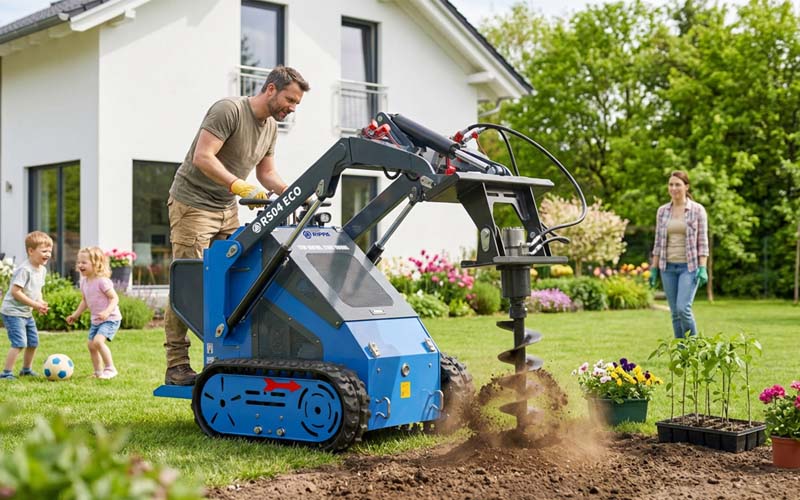
The manufacturer you select will influence product availability, purchasing conditions, communication, and the consistency of your customer experience.
When evaluating a supplier, consider its manufacturing background, product range, quality inspection procedures, export experience, and ability to explain the commercial terms of a dealership arrangement.
Ask potential suppliers questions such as:
Request written answers wherever possible. A clear supplier evaluation process can help prevent unexpected costs and reduce confusion after an order is placed.
RIPPA offers compact construction machinery, including skid steer loader products. Prospective buyers can review available equipment through the RIPPA product website and discuss product suitability with the company.
A skid steer loader dealership should be built around the requirements of its intended customers rather than a generic product list.
Before choosing models, identify the work customers expect to perform and determine which machine configurations are appropriate for those applications.
Depending on the equipment and compatibility requirements, buyers may evaluate buckets, forks, grading tools, and other work attachments. Always confirm attachment compatibility with the supplier before advertising a specific combination to customers.
Dealers should also review operating conditions, transport requirements, maintenance access, and applicable safety practices.
A carefully selected product range makes it easier for sales teams to explain the benefits of each machine and recommend suitable equipment to different customer groups.
A dealership’s financial performance depends on more than the difference between its purchase price and selling price.
Before investing in inventory, estimate the total cost of acquiring, storing, marketing, delivering, and supporting each machine.
Typical expenses may include:
Next, estimate the number of machines you realistically expect to sell, your expected gross margin, and your monthly operating expenses.
For example, a dealer planning to stock multiple machines should compare the financial implications of different order quantities and shipping arrangements. The best option depends on local demand, available working capital, and inventory turnover.
Use supplier quotations and your own market research to build a realistic business plan rather than relying on general profit claims.
Inventory planning is particularly important for equipment dealers because machines represent a significant investment.
Ordering too much inventory can tie up working capital, while insufficient stock may delay customer deliveries and limit sales opportunities.
Discuss production lead times, order scheduling, shipping options, and shipment tracking with your supplier. If overseas warehouse inventory is available for the relevant market, confirm which models are stocked, the actual delivery conditions, and any additional costs.
Parts availability also deserves attention. Ask how replacement parts are requested, what information is required for technical support, and how service issues are escalated.
A practical inventory and support plan can help a dealership respond to customer demand without making unsupported delivery or service promises.
A new skid steer loader dealership needs a clear plan for reaching buyers.
Start with a professional website that explains the equipment range, intended applications, product documentation, purchasing process, and contact options. Product pages should answer common buyer questions and provide a straightforward path to request a quotation.
Useful marketing activities may include:
For SEO, relevant topics include skid steer loader availability, compact equipment selection, attachment compatibility, and manufacturer comparisons.
Use accurate product information and avoid claiming local inventory, exclusive territory rights, or specific service coverage unless these arrangements have been confirmed.
Businesses interested in adding RIPPA equipment to their product range should first define their target territory, customer base, preferred products, and expected purchasing volume.
These details can help establish whether the product offering and supply arrangements match the dealership’s needs.
Before agreeing to a partnership, discuss pricing, order quantities, delivery terms, territory arrangements if applicable, marketing support, product documentation, and after-sales processes.
The specific terms should be confirmed directly with RIPPA rather than assumed from general dealership advice.
Explore available RIPPA construction equipment and contact the company to discuss potential supply or dealer cooperation.
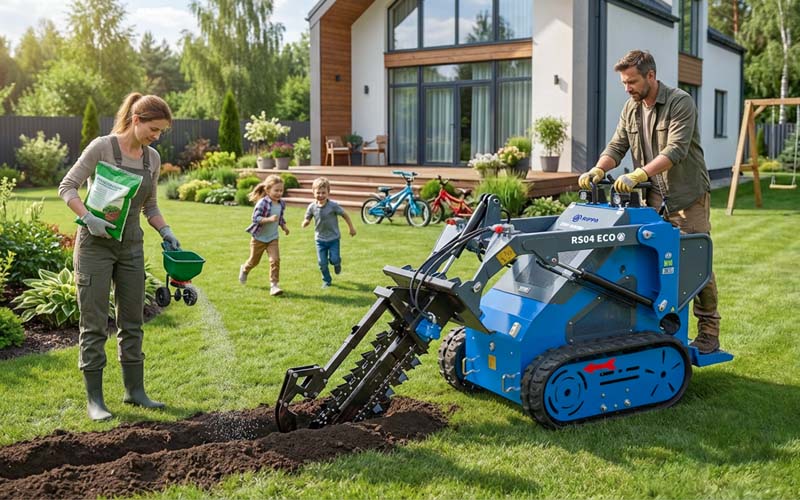
Research your local market, identify target customers, compare manufacturers, prepare a business plan, and contact potential suppliers to discuss commercial terms. Confirm inventory requirements, documentation, delivery arrangements, and support processes before committing to an order.
The investment depends on inventory size, machine costs, transportation, storage, marketing, staffing, parts, and working capital. Request supplier quotations and prepare a market-specific financial plan before estimating the required investment.
Evaluate manufacturing experience, product suitability, quality control, parts availability, documentation, communication, and commercial terms. The supplier should be able to explain the arrangements that apply to your specific order.
Yes. A dealership may consider multiple compatible equipment categories if they meet customer demand and fit its inventory, sales, and support capabilities. Mini excavators and skid steer loaders may serve overlapping customer groups, although the right combination depends on the local market.
A successful skid steer loader dealership starts with a realistic understanding of local demand and a careful evaluation of potential manufacturing partners.
By comparing product suitability, purchasing costs, delivery arrangements, customer support, and marketing opportunities, dealers can make better-informed decisions about adding new equipment lines.
Contact RIPPA to review available equipment and discuss whether a supply or dealership relationship fits your business objectives.
Tel: +8615628788742
E-mail: contact02@rippa.com
WhatsApp: Rypadlo Rippa
Adresa: Šiesty priemyselný park, mesto Jining, provincia Shandong, Čína

 SK
SK  EN
EN  ES
ES  IT
IT  FR
FR  RU
RU  DE
DE  PT
PT  TR
TR  BG
BG  HR
HR  RO
RO  CS
CS  NN
NN  SL
SL  SV
SV  HU
HU  DA
DA  FI
FI  PL
PL  PT_BR
PT_BR 
