Choosing compatible attachments is essential for getting reliable performance from compact construction equipment. For buyers exploring mini excavators for sale, the right attachment can expand machine applications, improve job efficiency, and support different customer requirements.
However, not every attachment fits every excavator. Machine weight, lifting capacity, hydraulic specifications, mounting dimensions, and working conditions all affect compatibility. Selecting equipment based only on appearance or advertised machine size can lead to installation problems, poor performance, or safety risks.
For machinery dealers and importers, attachment compatibility also influences customer satisfaction and after-sales support. The following steps explain how to identify, compare, and verify compatible attachments before making a purchase.
The first step is identifying attachment options that are suitable for the excavator and its intended applications.
Identify the Machine Configuration
Collect the excavator model, serial number, operating weight, auxiliary hydraulic specifications, and mounting information. Use the manufacturer’s documentation to identify approved attachment categories and any operating restrictions.
This information provides a starting point for selecting compatible mini excavator accessories.
Create an Initial Attachment Shortlist
Determine which attachments are needed for the work being performed. Common options include:
Each option must still be checked against the machine’s actual capabilities.
Check Manufacturer Compatibility Information
Review attachment specifications, equipment compatibility lists, and installation instructions. Do not assume that attachments designed for similar-sized excavators will automatically fit.
If an attachment is not listed as compatible, request technical confirmation before including it in the final shortlist.
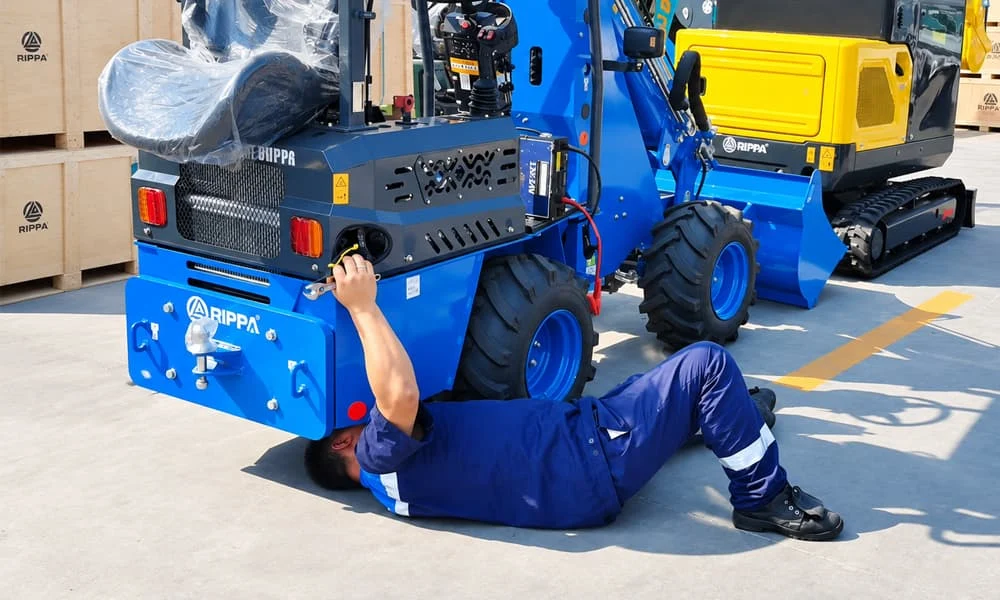
Attachment size and weight must match the excavator’s physical and operational limits.
Match Attachment Weight to Machine Capacity
Check the attachment’s operating weight, including any coupler or mounting components. Compare this information with the excavator manufacturer’s permitted attachment limits.
An attachment that is too heavy can affect stability, operating performance, and component wear.
Check Dimensions and Working Clearance
Review attachment width, length, mounting dimensions, and available working clearance.
For example, a wider bucket may improve material handling in suitable conditions, but it may also increase resistance or exceed the machine’s recommended operating limits.
Consider Lifting and Stability Requirements
Attachments used for lifting or handling materials require particular attention to rated lifting capacity, load position, machine configuration, and working conditions.
Never treat machine operating weight as its allowable lifting capacity.
Compare Different Excavator Categories
When evaluating a small excavator for sale, buyers should assess attachment suitability using the exact machine specifications.
The same principle applies to compact excavators for sale, because machines in similar size categories may have different hydraulic capacities, mounting systems, and permitted loads.
Choose attachments according to verified machine limits rather than general size descriptions.
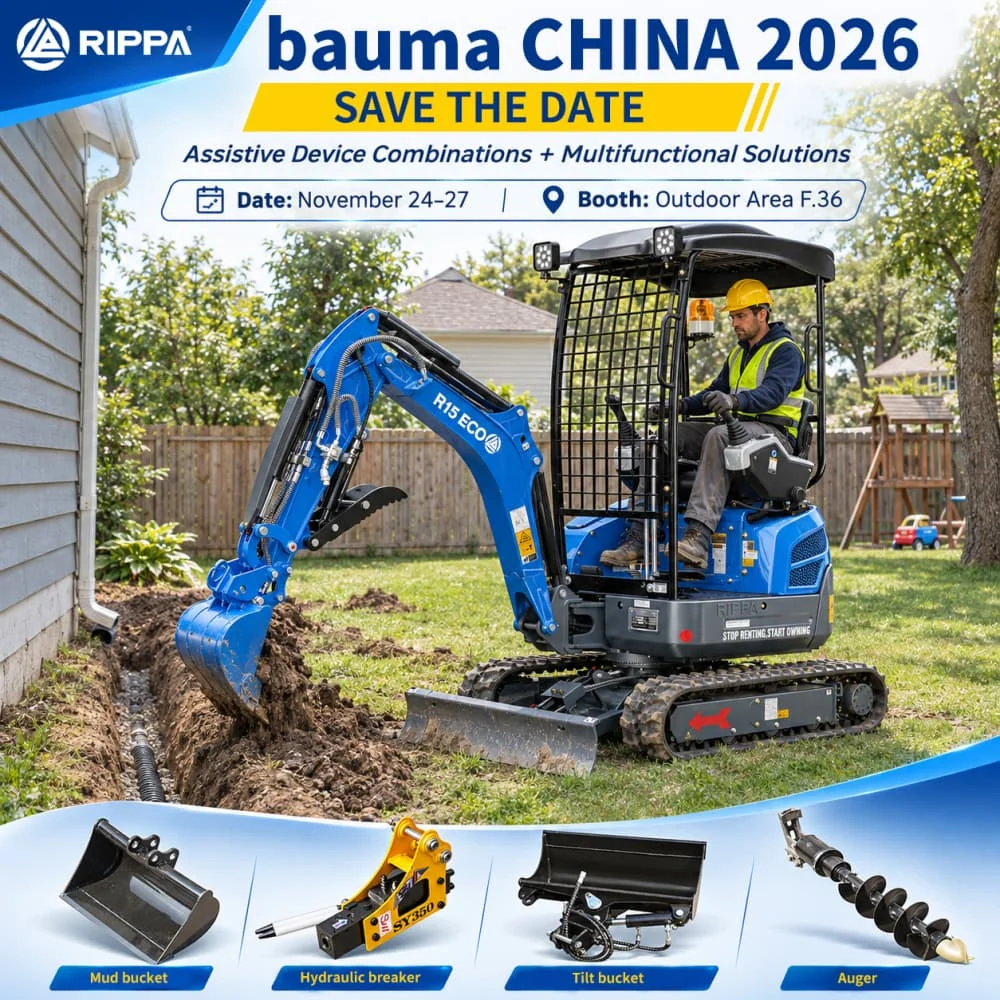
A compatible attachment must connect correctly to the excavator and, when hydraulically powered, operate within its hydraulic system limits.
Verify the Mounting Interface
Check pin diameter, pin spacing, mounting width, and the type of attachment connection.
If the machine uses a quick coupler, confirm that the attachment is approved for that coupler and can be securely locked according to the manufacturer’s instructions.
Check Hydraulic Flow Requirements
Hydraulic attachments such as breakers and augers require suitable auxiliary hydraulic flow.
Compare the attachment manufacturer’s required flow range with the excavator’s available auxiliary hydraulic output.
Insufficient flow can reduce performance, while unsuitable operating conditions may damage equipment.
Confirm Hydraulic Pressure Compatibility
Check the attachment’s allowable working pressure against the machine’s hydraulic specifications.
Some attachments also require particular return-line arrangements, operating modes, or additional hydraulic functions.
Inspect Connection Components
Review hoses, fittings, couplers, and other related mini excavator parts.
Connection components must have appropriate specifications and be suitable for the hydraulic circuit. Matching connector shapes alone does not establish hydraulic compatibility.
Where electrical controls are required, confirm that the machine provides the necessary connections and functions.
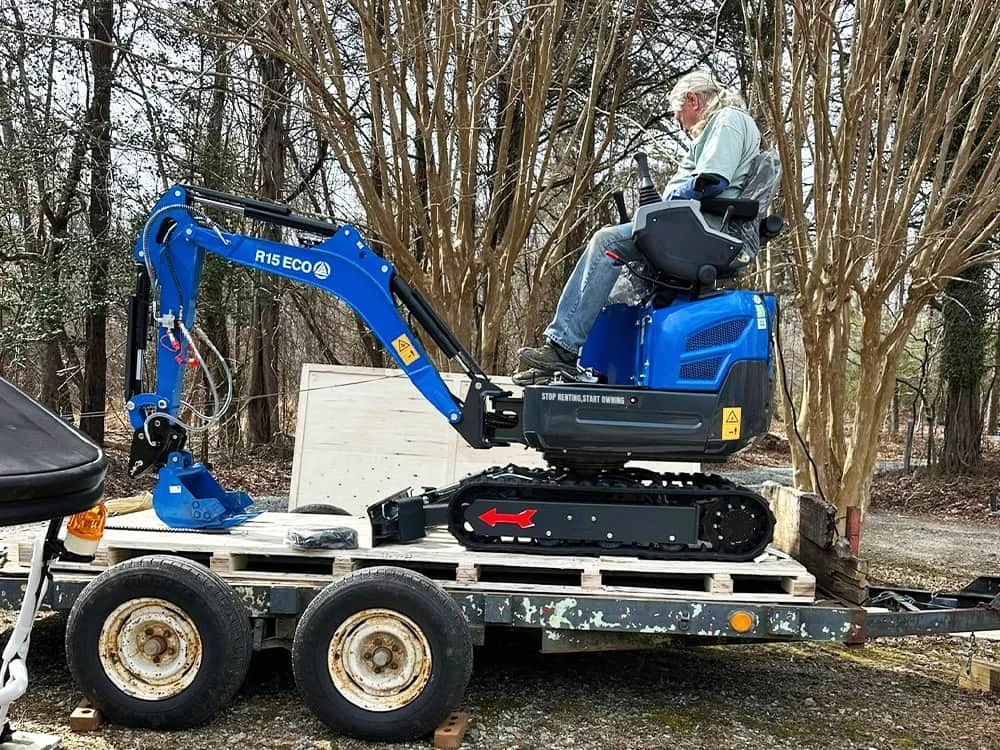
After identifying attachments that meet the excavator’s technical requirements, compare them according to actual job conditions.
Match Attachments to Working Tasks
Different applications require different attachment functions.
| Application | Attachment Option | Main Selection Consideration |
| Trenching | Digging bucket | Width, digging resistance, and machine capacity |
| Surface grading | Grading bucket | Working width, weight, and control |
| Hole drilling | Auger | Required torque, hydraulic flow, and drilling diameter |
| Material handling | Grapple | Weight, gripping capacity, and hydraulic requirements |
| Concrete breaking | Hydraulic breaker | Impact class, flow, pressure, and mounting compatibility |
Compare Performance Within Machine Limits
Two attachments may both fit the excavator but perform differently.
Compare working width, productivity, durability, maintenance requirements, and suitability for the materials being handled.
For example, a larger bucket is not automatically the better choice. Ground conditions and available machine power may make a smaller attachment more effective.
Consider Maintenance and Support
Ask whether wear components, replacement parts, installation instructions, and technical support information are available.
Dealers should prioritize attachments that customers can operate and maintain using clear documentation.
Evaluate Long-Term Practical Value
Compare attachment suitability against expected usage frequency, operating conditions, maintenance needs, and service availability.
The best choice is the attachment that meets the job requirements while remaining within the excavator’s verified operating limits.
Before ordering, review the technical information and obtain confirmation that the selected attachment is suitable for the intended excavator.
Use a Compatibility Inspection Checklist
A mini excavator inspection checklist can help buyers organize the final verification process.
Confirm the following:
Request Written Supplier Confirmation
Provide the equipment identification and attachment specifications to the supplier.
Ask for written confirmation of compatibility, including any necessary mounting components, hydraulic connections, or operating restrictions.
This is especially important when purchasing from a Chinese mini excavator supplier for distribution in overseas markets.
Review the Complete Purchase Requirements
When comparing quotations, do not focus only on the mini excavator price or the attachment’s advertised cost.
Check whether the quotation includes the correct attachment configuration, required connection components, documentation, packaging, delivery arrangements, and applicable service terms.
Confirm Before Installation
Once the attachment is delivered, check its identification and specifications against the approved order.
Installation and functional testing should follow the relevant manufacturer’s instructions and be performed by qualified personnel under appropriate safety conditions.
If the supplied attachment differs from the confirmed specifications, resolve the discrepancy before use.
Explore RIPPA Distributor Opportunities
For international machinery dealers, selecting compatible equipment and attachments helps reduce purchasing errors and support customer requirements.
RIPPA is a construction machinery manufacturer working with international equipment buyers and potential distribution partners.
Dealers interested in expanding their machinery business can explore RIPPA distributor opportunities to discuss mini excavator sourcing, attachment requirements, and potential long-term dealership cooperation.
Yes, but only when their mounting dimensions, hydraulic requirements, weight limits, and other relevant specifications are compatible.
Compare their suitability for the intended job, operating performance, attachment weight, maintenance needs, and manufacturer recommendations.
Verify mounting dimensions, hydraulic specifications, machine capacity, required components, and written supplier compatibility confirmation.
Тел: +8615628788742
Электронная почта: contact02@rippa.com
WhatsApp: Экскаватор Rippa
Адрес: Шестой промышленный парк, город Цзинин, провинция Шаньдун, Китай

 RU
 EN
 ES
 IT
 FR
 DE
 PT
 TR
 BG
 HR
 RO
 CS
 NN
 SL
 SV
 HU
 SK
 DA
 FI
 PL
 PT_BR

