When sourcing mini excavators for sale, overseas importers and equipment dealers may need to adjust OEM orders after the initial confirmation. Changes to equipment configurations, quantities, branding, or delivery schedules can affect production costs and shipment arrangements.
Without a clear management process, even small changes may lead to incorrect specifications, unexpected charges, or delayed deliveries. These problems are particularly important for businesses developing equipment distribution networks and planning inventory for their customers.
Effective OEM order change management requires accurate tracking, controlled configuration updates, cost assessments, written approvals, and final shipment verification.
The following five methods explain how buyers can manage OEM order changes while maintaining clear communication with manufacturers.
A centralized change-management system helps buyers avoid missing requests and conflicting instructions.
Create an OEM Change Register
Record every requested modification in a shared order change log.
For each request, include the purchase order number, change identification number, original requirement, proposed modification, request date, and responsible person.
Dealers sourcing a mini excavator for sale should use the same process for both small and large changes.
Assign Clear Responsibilities
Designate who can request, evaluate, approve, and implement changes.
A single authorized contact on each side can help reduce communication errors and prevent unofficial instructions from reaching production teams.
Track Change Approval Status
Use clear statuses such as Pending Review, Approved, Revision Required, and Rejected.
An unapproved request should not be treated as a confirmed production instruction.
Maintain Document Version Control
Save the original purchase order and each approved revision.
When managing multiple orders of mini excavators for sale, use consistent version numbers so procurement and production teams can identify the latest valid requirements.

Product and quantity changes should be checked against the approved order before revised instructions are released.
Compare Original and Revised Configurations
When updating an order for a small excavator for sale, compare the original specification sheet with the proposed changes.
Check agreed equipment features, attachments, branding details, and other relevant requirements.
Record each difference rather than replacing the original specifications without explanation.
Control Quantity Adjustments
When adjusting quantities for compact excavators for sale, confirm whether the revised order still satisfies agreed minimum order requirements.
Quantity changes may affect production planning, packaging, transportation, or purchasing conditions.
Check Branding and Customization Requirements
If OEM logos, colors, product labels, or packaging need modification, confirm whether the changes are feasible at the current production stage.
Previously manufactured branded components may require replacement or additional work.
Update Approved Order Documents
After approval, revise the purchase order, equipment specification sheets, and relevant customization instructions.
Distribute only the latest approved documents to the responsible teams.
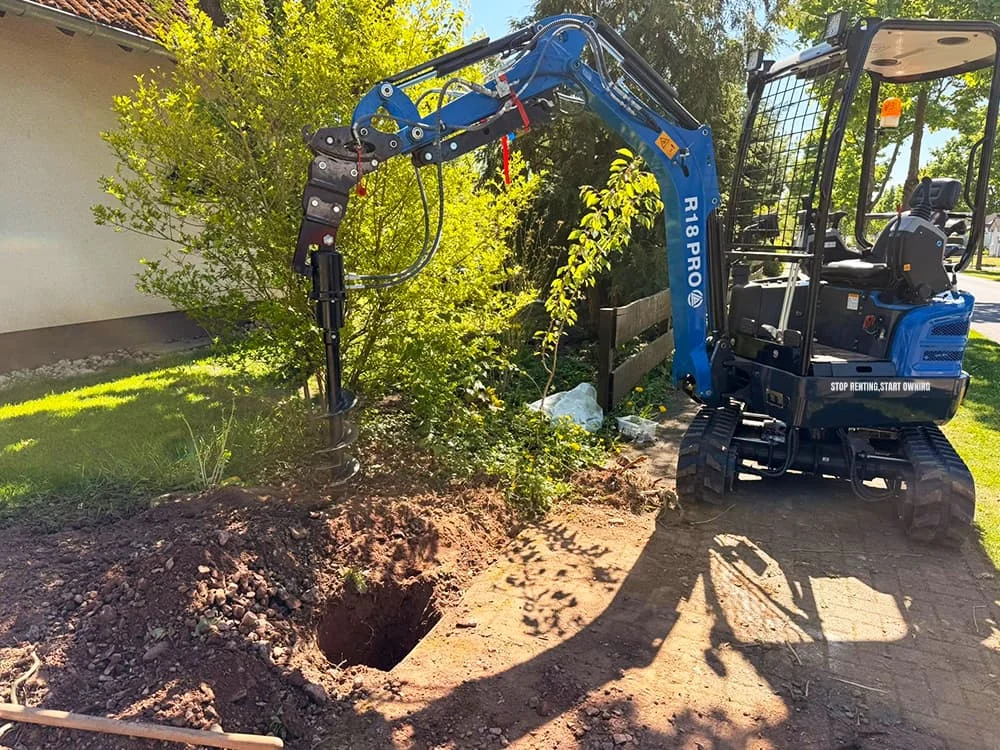
OEM order modifications can affect financial commitments and delivery schedules. These impacts should be reviewed before changes are approved.
Request a Revised Cost Breakdown
When a change affects mini excavator price, ask the supplier to explain the additional or reduced costs.
Separate equipment configuration changes, customization expenses, material charges, and other applicable adjustments.
Review Production Progress
Confirm whether the affected equipment is still in planning, already in production, or approaching shipment.
Changes requested during later production stages may be more difficult or expensive to implement.
Evaluate Delivery Schedule Changes
Ask the manufacturer to provide an updated production completion date and estimated shipment schedule.
Compare the revised timeline with customer commitments and planned inventory availability.
Approve Additional Costs Before Implementation
Do not accept unexpected charges without reviewing the supporting explanation and updated quotation.
Record the agreed pricing and delivery adjustments in a written change approval.
Prioritize Critical Changes
Evaluate whether each modification is necessary for product compliance, customer requirements, or the intended application.
If a nonessential change creates substantial delays, consider retaining the original specification for the current order and applying the modification to a later purchase.
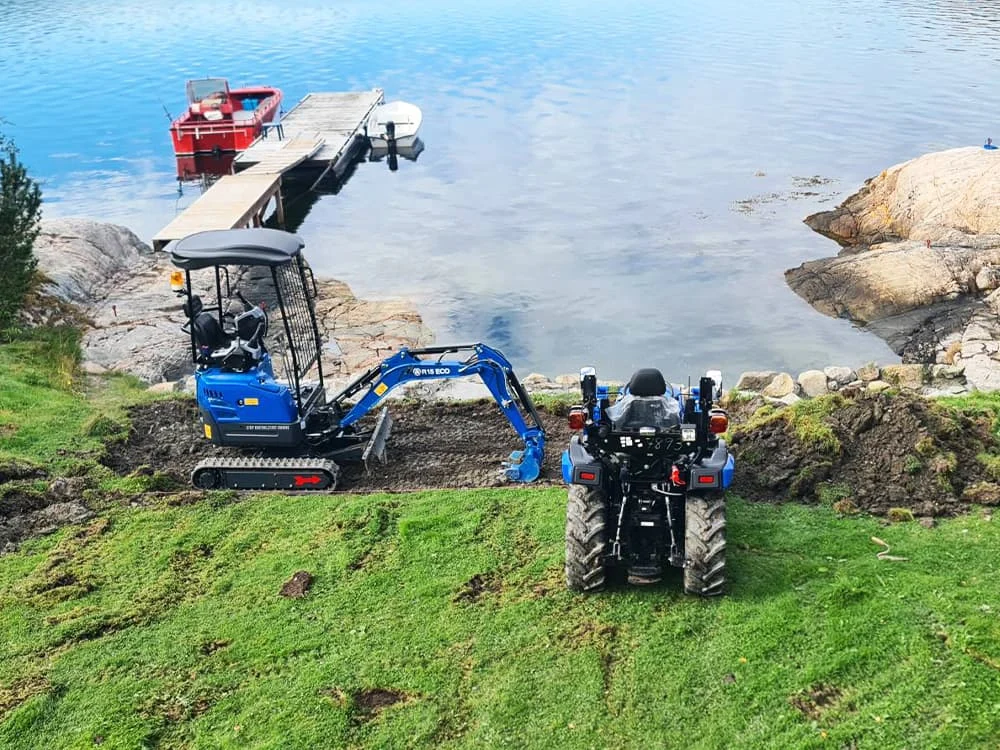
Successful change management depends on structured communication and clear authorization between buyers and manufacturers.
Submit Formal Change Requests
Send a written request to the Chinese mini excavator supplier identifying the affected order, original details, requested changes, and preferred implementation date.
Attach updated technical drawings or branding documents when applicable.
Confirm Manufacturing Feasibility
Ask the manufacturer to evaluate the proposed modification against production progress, material availability, and the existing delivery schedule.
A requested change should not be considered accepted until the supplier confirms its feasibility and commercial conditions.
Establish Written Approval Rules
Both parties should confirm the revised specifications, quantities, pricing, and delivery conditions before implementation.
Identify the authorized representatives responsible for approving changes.
Communicate Approved Changes to Production Teams
Once approved, ensure the updated requirements reach purchasing, manufacturing, inspection, packaging, and logistics personnel as necessary.
Keep records of the approved revisions and the dates they became effective.
Explore RIPPA Distribution Opportunities
Clear purchasing procedures help overseas dealers coordinate equipment requirements and establish dependable supply relationships.
RIPPA is a construction machinery manufacturer serving international equipment buyers and potential distribution partners.
Businesses interested in equipment sourcing and dealership cooperation can explore RIPPA distributor opportunities to discuss purchasing arrangements, equipment supply, and potential long-term cooperation.
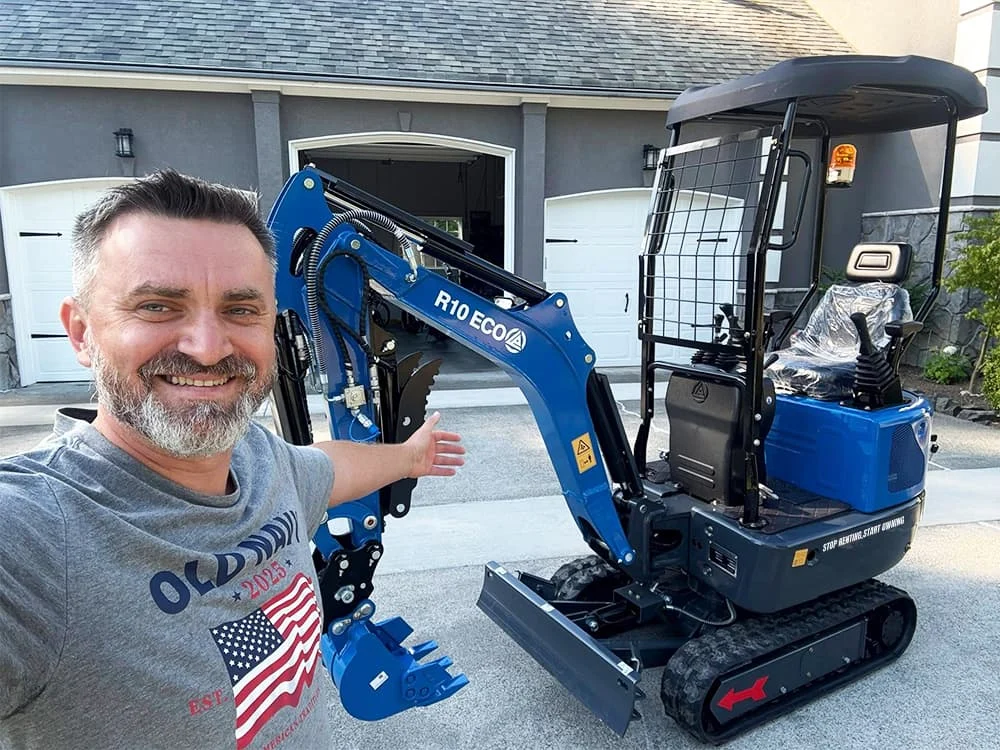
Final verification helps confirm that approved modifications have been implemented correctly before equipment leaves the factory.
Review the Final Purchase Order
A mini excavator importer should compare the latest approved order with final production records.
Check equipment quantities, configurations, branding instructions, and agreed shipment requirements.
Verify Equipment and Packaging
Where appropriate, arrange pre-shipment inspections covering the modified equipment features, product identification, labels, and packaging.
Any remaining differences should be documented and resolved according to the agreed acceptance process.
Update Shipping and Import Documentation
Confirm that relevant mini excavator import documents, such as commercial invoices and packing lists, reflect the final approved shipment details.
Other documents may also require updates depending on destination-market requirements and the nature of the changes.
Confirm Logistics Arrangements
Review shipping quantities, packaging measurements, collection schedules, and transportation instructions.
If changes affect shipment timing, notify the appropriate logistics and receiving teams.
Close the Change Record
Once the approved modification is verified, update the change register with its final status, supporting evidence, and responsible reviewer.
Retain the records for future reference and potential purchasing disputes.

Possibly. Approval depends on manufacturing progress, the requested modification, and the supplier’s agreed conditions.
Request a written cost assessment, compare alternatives, and approve revised pricing before the change is implemented.
Compare approved order revisions with production records, inspection results, packing lists, and applicable shipping documents.
Тел: +8615628788742
Электронная почта: contact02@rippa.com
WhatsApp: Экскаватор Rippa
Адрес: Шестой промышленный парк, город Цзинин, провинция Шаньдун, Китай

 RU
 EN
 ES
 IT
 FR
 DE
 PT
 TR
 BG
 HR
 RO
 CS
 NN
 SL
 SV
 HU
 SK
 DA
 FI
 PL
 PT_BR

