Managing inventory costs is one of the biggest challenges for construction equipment dealers. For businesses offering mini excavators for sale, excessive inventory can increase storage expenses, tie up working capital, and reduce profitability.
Dealers can reduce inventory costs by forecasting demand accurately, optimizing stock levels, improving purchasing decisions, working with reliable suppliers, and maintaining equipment during storage.
These five strategies help distributors improve inventory turnover while keeping the right machines available for customers.
Accurate demand forecasting helps dealers avoid purchasing more equipment than their local markets can absorb.
Review sales records from the previous three to six months to identify popular equipment categories and seasonal changes.
Compare completed orders with customer inquiries to understand which machines generate actual purchases.
For example, if a particular mini excavator for sale receives frequent inquiries but few completed orders, dealers should investigate pricing, specifications, and customer requirements before increasing inventory.
A simple forecasting process should consider:
Dealers can calculate average monthly sales using:
Average Monthly Sales = Units Sold ÷ Number of Months
If a dealer sells 24 machines over six months, average monthly demand is four units.
This figure provides a starting point for planning inventory, although seasonal changes and future orders should also be considered.
Safety stock protects dealers against delivery delays and unexpected demand. However, excessive safety stock increases storage costs and working capital requirements.
Dealers should regularly adjust stock levels based on sales performance and supplier lead times.
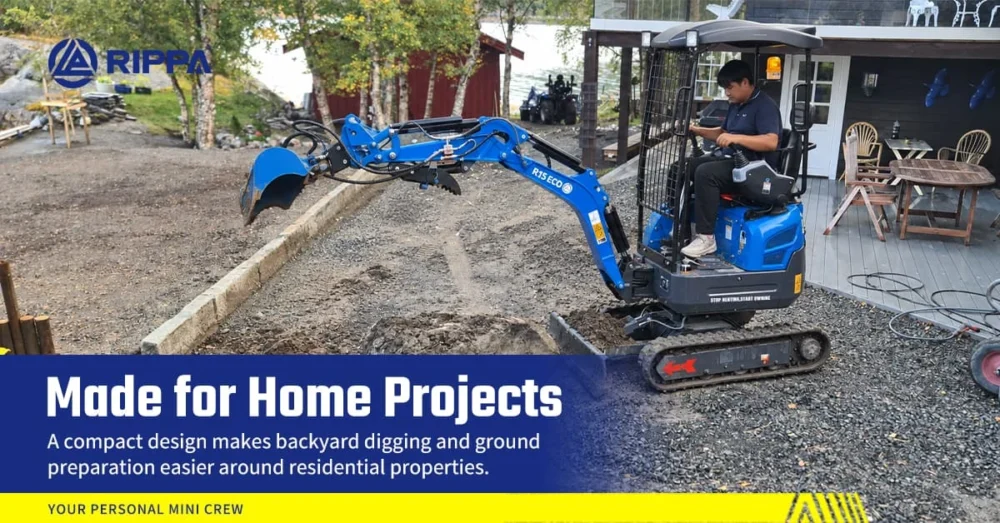
Maintaining the right inventory mix helps dealers reduce unnecessary storage expenses and improve equipment availability.
Divide inventory into three categories:
Dealers should prioritize fast-moving categories while limiting stock of configurations with uncertain demand.
For example, searches for small excavator for sale may indicate strong interest in machines suitable for landscaping and residential construction. Dealers should confirm whether this interest translates into actual local sales.
Different markets require different machine sizes, attachments, and equipment configurations.
Instead of stocking every possible option, dealers can focus on combinations that match their customers’ most common applications.
Businesses promoting compact excavators for sale should evaluate which configurations generate the highest sales volume and fastest turnover.
Inventory turnover measures how efficiently stock is converted into sales.
Inventory Turnover = Cost of Goods Sold ÷ Average Inventory Value
A low turnover rate may indicate excessive stock, weak demand, or inefficient purchasing decisions.
Dealers can review slow-moving inventory monthly and adjust future purchasing plans accordingly.

Purchasing and pricing decisions directly influence the amount of capital tied up in inventory.
Large orders may reduce the purchase cost per machine, but they can also increase storage expenses and financial risk.
Dealers should compare potential purchasing discounts with the additional cost of holding unsold equipment.
Smaller, more frequent orders may improve cash flow when suppliers offer reasonable lead times and shipping arrangements.
The purchase quotation alone does not represent the total cost of equipment inventory.
Dealers should account for:
Understanding these expenses helps dealers determine whether additional inventory is financially justified.
The mini excavator price should reflect market demand, equipment configuration, total acquisition costs, and competitive positioning.
Dealers can use targeted promotions or equipment bundles to improve turnover, but discounts should be evaluated against gross profit.
The goal is to increase inventory efficiency rather than simply reduce selling prices.
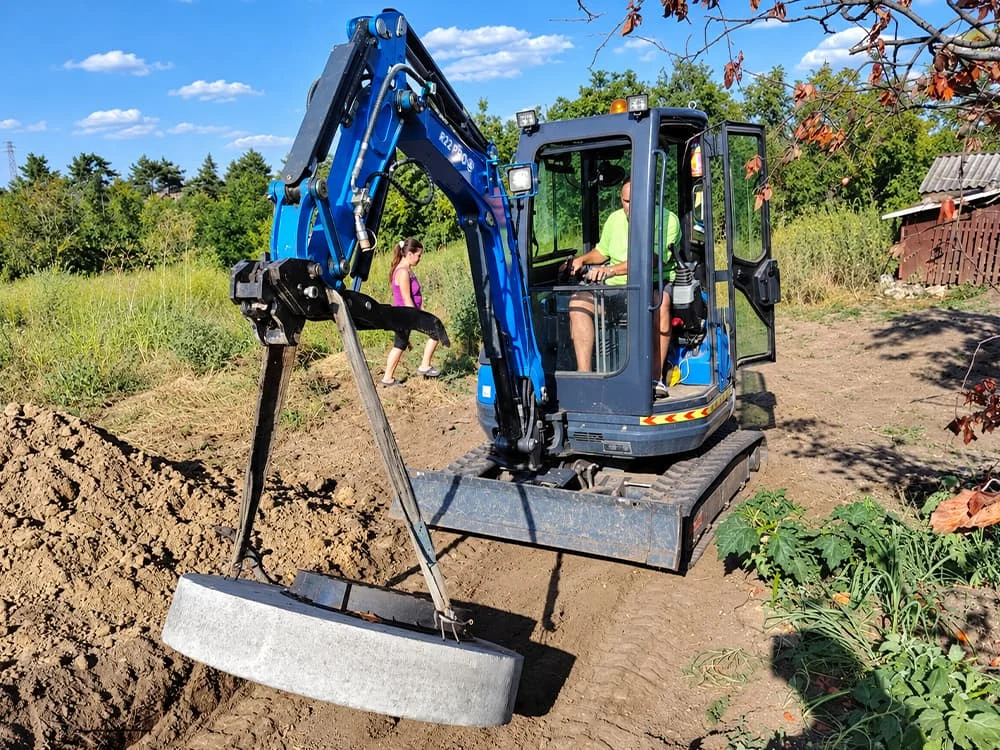
Supplier selection plays an important role in reducing inventory costs and preventing unnecessary purchasing delays.
A reliable Chinese mini excavator supplier should provide clear quotations, realistic delivery schedules, and accurate order information.
Predictable lead times help dealers plan replenishment and avoid maintaining excessive stock to compensate for uncertainty.
Before placing orders, distributors should confirm production schedules, shipping arrangements, payment terms, and product availability.
Dealers should evaluate shipping expenses alongside order quantities.
Consolidated shipments may reduce transportation costs per unit, but purchasing more equipment than necessary can increase storage and financing expenses.
Comparing different shipment sizes helps determine the most economical purchasing arrangement.
Dealers should review applicable mini excavator import requirements before purchasing equipment internationally.
Important considerations may include customs documentation, product conformity requirements, applicable duties, and destination-market regulations.
Incorrect documentation or unexpected clearance delays can increase storage charges and disrupt inventory planning.
RIPPA is a Chinese construction machinery manufacturer focused on mini excavators and related equipment applications.
For international dealers, cooperation with a manufacturing partner can support discussions about equipment sourcing, purchasing schedules, and supply arrangements.
RIPPA welcomes distributors interested in exploring long-term business partnerships.
Visit RIPPA Distributor Opportunities to learn more about equipment supply and potential dealership cooperation.
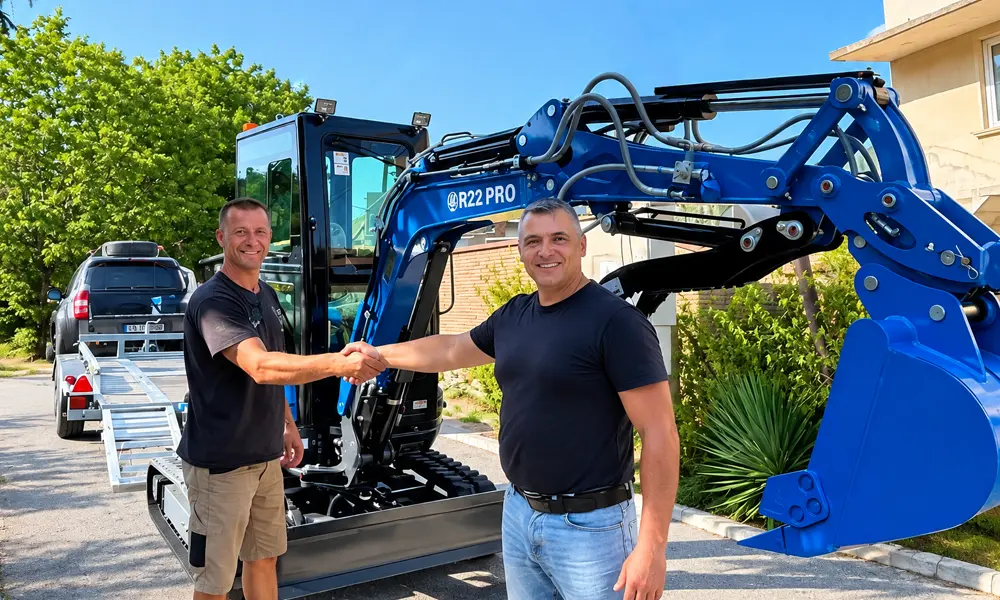
Equipment stored for extended periods may require additional inspections and servicing before delivery.
Proper parts management and maintenance help dealers reduce avoidable storage-related expenses.
Dealers should identify frequently required mini excavator parts, including filters, hydraulic hoses, seals, and other maintenance components.
However, excessive parts inventory can create unnecessary storage costs.
Parts purchasing should be based on actual service demand, equipment compatibility, and supplier availability.
Regular mini excavator maintenance helps preserve equipment condition while machines remain in inventory.
A storage inspection plan may include:
Machines should be serviced according to their specific manufacturer guidelines rather than a single universal schedule.
Pre-delivery inspections help identify storage-related problems before equipment reaches customers.
Dealers should verify the machine’s condition, required maintenance, and supplied components before shipment or handover.
Maintaining accurate inspection records can reduce unexpected repair costs and support customer satisfaction.
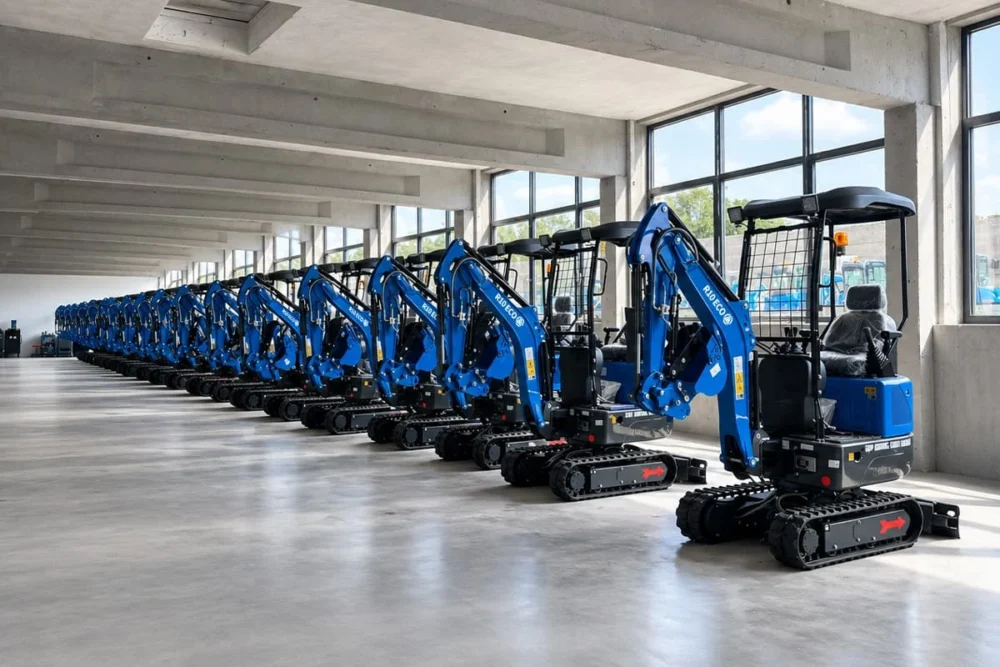
Accurate demand forecasting and controlled purchasing help dealers avoid excessive stock and reduce storage expenses.
Dealers should monitor stock regularly and review inventory turnover, sales trends, and slow-moving equipment at least monthly.
Dealers can adjust future orders, offer targeted promotions, and prioritize equipment configurations with stronger local demand.
Tel: +8615628788742
Email: contact02@rippa.com
WhatsApp: Rippa Excavator
Adresa: Al șaselea parc industrial, orașul Jining, provincia Shandong, China

 RO
 EN
 ES
 IT
 FR
 RU
 DE
 PT
 TR
 BG
 HR
 CS
 NN
 SL
 SV
 HU
 SK
 DA
 FI
 PL
 PT_BR

