Selling mini excavators for sale is only the beginning of a long-term relationship between equipment dealers and customers. After delivery, buyers expect reliable technical assistance, timely repairs, accessible spare parts, and clear warranty support.
For overseas importers and distributors, poor after-sales management can lead to unresolved complaints, repeated equipment problems, higher service costs, and lost customers. A structured service system helps dealers respond efficiently, coordinate with manufacturers, and maintain customer confidence.
Effective after-sales management requires clear responsibilities, standardized service procedures, accurate maintenance records, and continuous performance monitoring. The following five practices explain how equipment dealers can build a reliable after-sales service system.
A professional after-sales system starts with clearly defined responsibilities and standardized service procedures.
Define Service Responsibilities
Establish who handles customer inquiries, technical diagnosis, warranty applications, spare parts requests, and repair arrangements.
Dealers should distinguish their responsibilities from those of the manufacturer, importer, and local service partners.
Create Standard Operating Procedures
Develop written procedures covering customer registration, complaint handling, technical support, repair approval, and service completion.
Each request should have a responsible employee and a clearly defined next step.
Set Service Response Standards
Define internal response targets for acknowledging requests, providing initial feedback, arranging inspections, and updating customers.
These standards help employees understand priorities and prevent service requests from being overlooked.
Use a Centralized Service Record
Maintain customer information, equipment identification, purchase records, maintenance history, and previous service cases in one system.
For businesses selling mini excavators for sale, centralized records make it easier to identify recurring problems and provide consistent customer support.
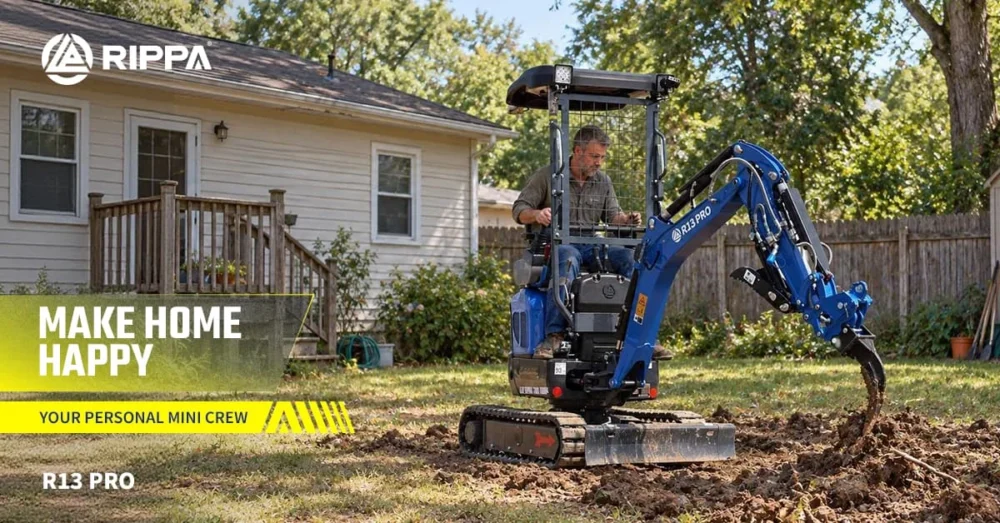
A standardized service ticket system helps dealers control customer requests from the first report to final resolution.
Register Every Customer Request
When customers report equipment problems, collect their contact details, machine identification, purchase information, operating hours, and a clear description of the issue.
Request photographs or videos when necessary to support initial diagnosis.
Classify Complaints by Priority
Separate safety-related problems, equipment breakdowns, performance issues, routine servicing requests, and general product inquiries.
Safety-critical problems should receive immediate attention and be handled according to appropriate technical procedures.
Assign Service Tickets to Responsible Employees
Create a unique ticket number for every case and assign it to the appropriate technician or service coordinator.
Record the issue, responsible person, expected response time, and current processing status.
Track Repairs Until Completion
Keep customers informed about diagnosis results, required spare parts, repair arrangements, and estimated completion dates.
Do not close a service ticket simply because a response has been sent. Confirm that the reported issue has been addressed and record the customer’s feedback.
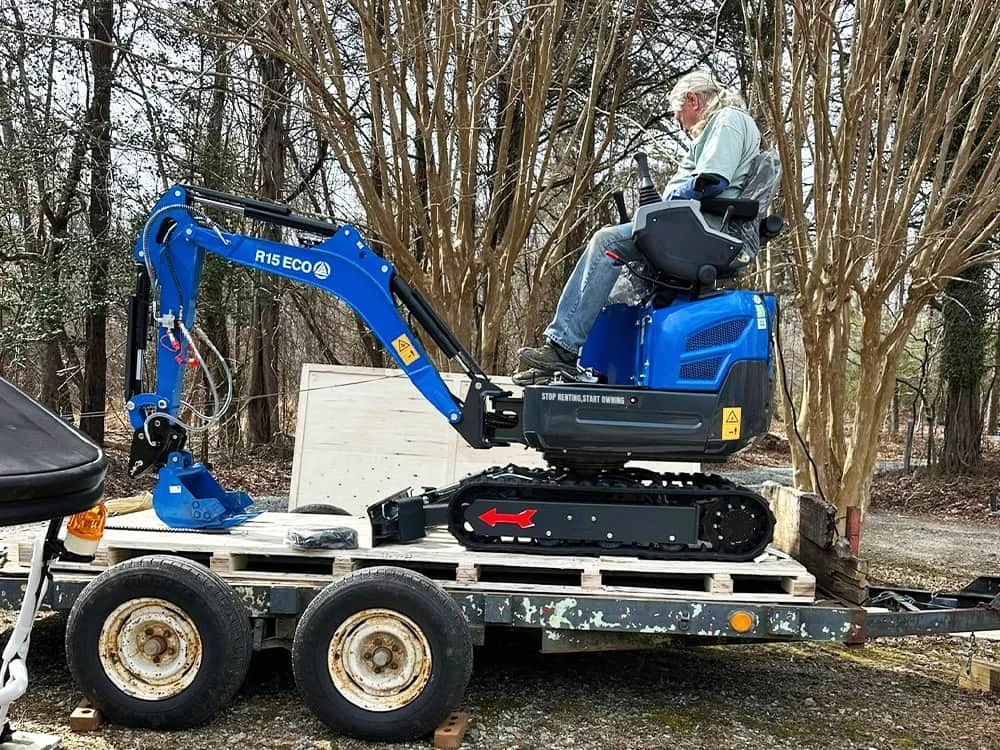
Preventive maintenance helps reduce unexpected breakdowns and supports equipment reliability throughout its service life.
Establish a Maintenance Schedule
Create a mini excavator maintenance schedule based on the manufacturer’s operating manual, equipment working conditions, and service requirements.
Include routine checks, lubrication, fluid inspections, filter replacement, and other applicable maintenance tasks.
Maintenance intervals should follow the relevant equipment documentation rather than an assumed universal schedule.
Use a Standard Inspection Checklist
A mini excavator inspection checklist helps technicians and customers perform consistent equipment checks.
Typical inspection items include:
Record inspection results and document any abnormal findings requiring further attention.
Organize Mini Excavator Servicing
Establish procedures for booking servicing, assigning technicians, recording completed work, and updating maintenance histories.
Where local repair capabilities are limited, coordinate with qualified service partners or the manufacturer.
Provide Technical Support and Maintenance Guidance
Give customers access to relevant operation manuals, maintenance instructions, and technical information.
For complex faults, collect diagnostic evidence and escalate the case to qualified technical personnel.
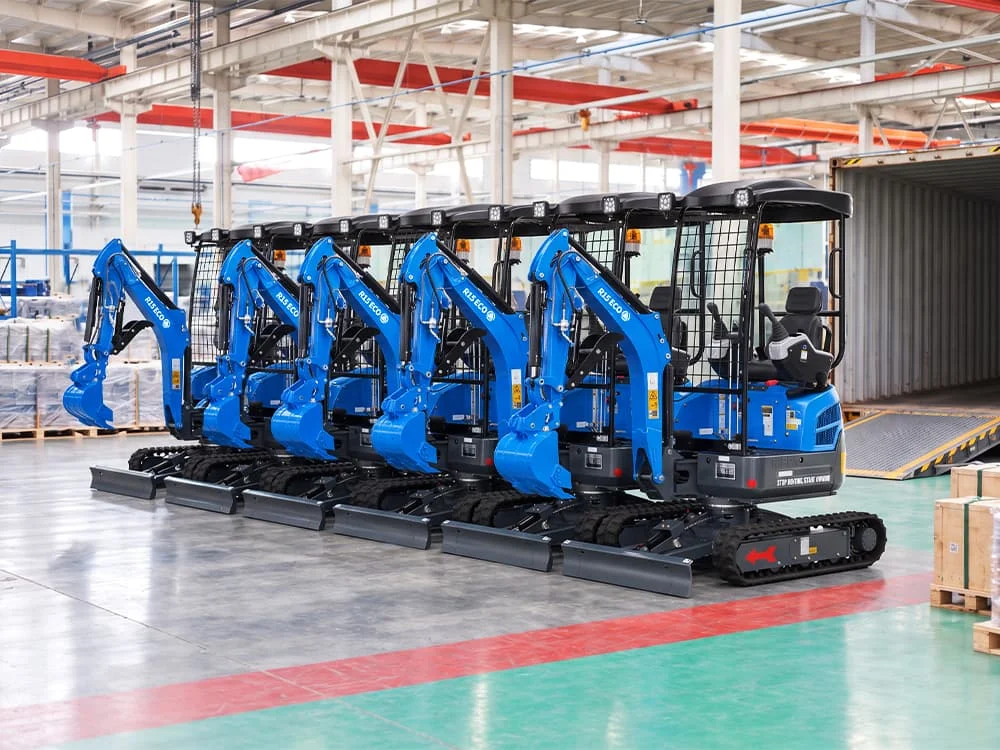
Spare parts availability and warranty management directly influence customer experience and dealer operating costs.
Build a Spare Parts Inventory System
Identify frequently requested mini excavator parts and establish appropriate stock levels based on equipment population, historical demand, and supplier lead times.
Classify parts by equipment application, part number, availability, and replenishment requirements.
Create a Parts Ordering Process
Standardize parts inquiries, identification, quotations, purchasing approvals, and delivery tracking.
Accurate part identification helps prevent incorrect orders and unnecessary replacement expenses.
Standardize Warranty Claims
Define the documents and evidence required for warranty applications.
These may include equipment identification, purchase records, operating hours, photographs, videos, and maintenance history.
Review each claim against the applicable warranty terms before determining responsibility.
Monitor After-Sales Costs
Track labor, replacement parts, transportation, technical assistance, and other service expenses.
Review mini excavator price information and parts quotations when calculating repair costs and preparing customer service estimates.
Analyze Repeated Problems
Identify recurring equipment issues, repeated parts requests, and unusually high repair expenses.
Share relevant findings with the manufacturer to support product improvements and more effective service planning.
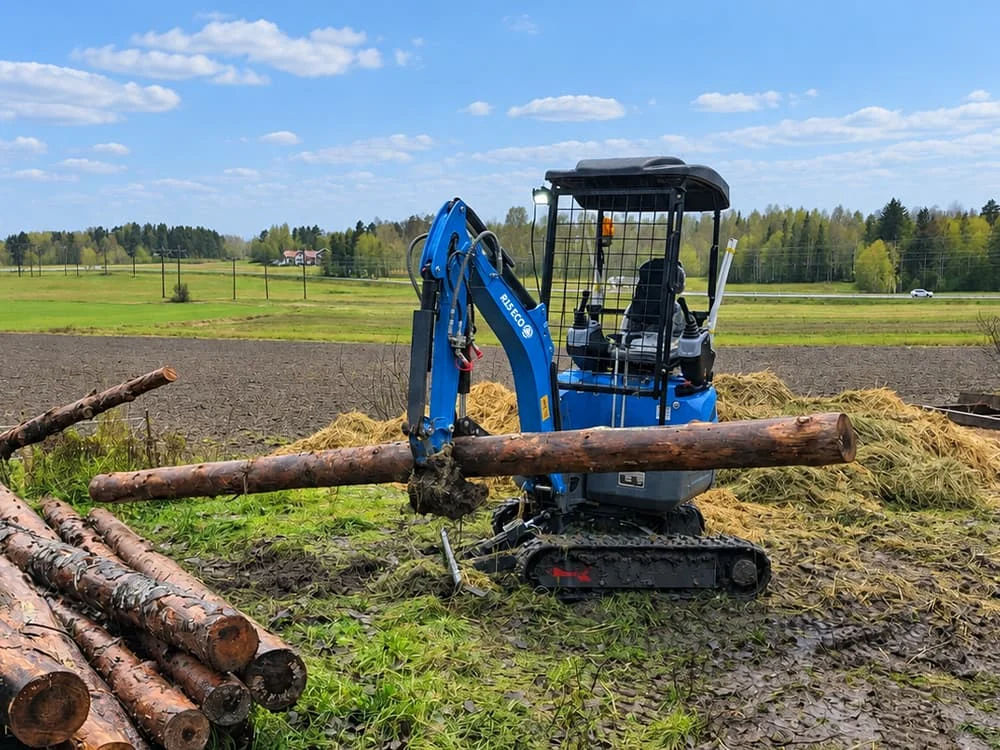
After-sales management should be measured regularly to ensure that service procedures produce meaningful results.
Track Key Service Performance Indicators
Dealers can monitor the following indicators:
These indicators help managers identify service bottlenecks and prioritize improvements.
Coordinate with the Manufacturer
A reliable Chinese mini excavator supplier can be an important technical support partner.
Establish communication procedures for complex faults, warranty-related questions, parts identification, and product quality feedback.
Support Overseas Importers and Dealers
A mini excavator importer should establish clear communication between the manufacturer, local dealers, technicians, and end customers.
Define who handles technical questions, parts requests, and customer complaints in each market.
Collect Customer Feedback
Follow up after repairs and maintenance services to understand whether problems have been resolved.
Use customer feedback to improve response procedures, technician training, spare parts planning, and service quality.
Explore RIPPA Distribution Opportunities
Reliable after-sales support is essential for building customer trust and long-term dealership relationships.
RIPPA is a construction machinery manufacturer serving international equipment buyers and potential distribution partners.
Importers and equipment dealers interested in developing their machinery business can explore RIPPA distributor opportunities to discuss equipment supply, cooperation opportunities, and potential long-term partnerships.
Maintenance frequency depends on the equipment manufacturer’s instructions, operating hours, and working conditions. Follow the applicable maintenance schedule.
Dealers should prioritize frequently requested maintenance items and replacement parts based on equipment demand, historical usage, and supplier lead times.
Establish a standard claim process, collect equipment and fault evidence, verify warranty coverage, and track each case until a decision is communicated.
Tel: +8615628788742
Email: contact02@rippa.com
WhatsApp: Rippa Excavator
Adresa: Al șaselea parc industrial, orașul Jining, provincia Shandong, China

 RO
 EN
 ES
 IT
 FR
 RU
 DE
 PT
 TR
 BG
 HR
 CS
 NN
 SL
 SV
 HU
 SK
 DA
 FI
 PL
 PT_BR

