When comparing mini excavators for sale, machine weight and transportation requirements are important considerations for contractors, equipment buyers, and distributors. Understanding these factors helps businesses plan transportation, select suitable trailers, and prepare equipment for safe delivery.
Mini excavators are used in landscaping, agriculture, residential construction, and general excavation. Their compact dimensions can simplify transportation, but the actual requirements depend on machine weight, overall dimensions, attachments, and local transport regulations.
For equipment dealers, understanding these details also helps estimate logistics requirements and plan inventory more effectively.
Mini excavator weight varies according to machine size, structural design, engine configuration, and equipment attachments.
Smaller machines are generally easier to transport, while larger compact excavators may require heavier trailers and more careful load planning.
The following table provides broad illustrative weight categories for initial planning:
| Excavator Category | Approximate Operating Weight |
| Micro excavator | Under 1 ton |
| Small mini excavator | 1–2 tons |
| Medium mini excavator | 2–3 tons |
| Larger mini excavator | 3–5 tons |
| Larger compact excavator | 5–6 tons or more |
These are general categories, not specifications for individual machines. Actual operating weights vary by manufacturer, model, and configuration.
When evaluating mini excavators for sale, buyers should check the manufacturer’s stated operating weight rather than relying on the machine’s general size category.
The total transport weight may also include buckets, attachments, accessories, and other equipment secured for delivery. These items should be included when calculating the load carried by a trailer.
For distributors handling multiple machines, accurate weight information helps with transportation planning, freight quotations, and inventory logistics.
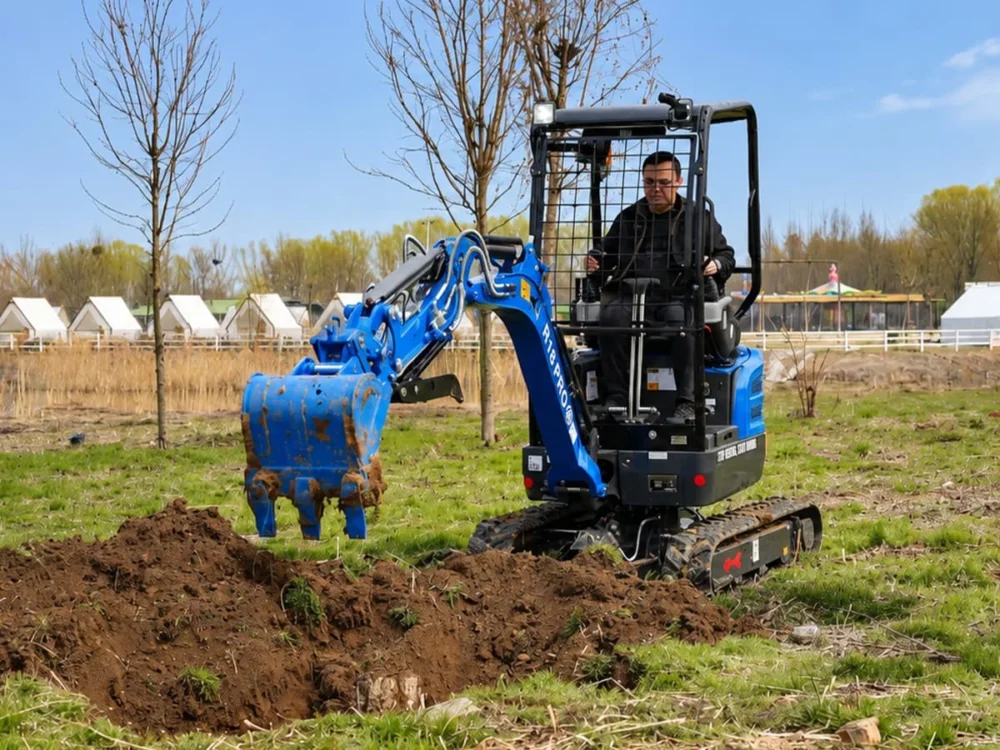
Weight is only one part of transportation planning. Overall dimensions determine whether a machine fits the available trailer and complies with applicable road transport requirements.
Before transporting a mini excavator for sale, check the following measurements:
Transport dimensions can differ depending on the position of the boom, arm, bucket, and other components. Always use the manufacturer’s transport specifications for the actual configuration.
Businesses comparing compact excavators for sale should evaluate both operating dimensions and transport dimensions. A machine that fits a narrow jobsite may still require careful positioning on a trailer.
For equipment dealers, checking dimensions before shipment can reduce loading problems and help ensure that transportation arrangements match the equipment being delivered.
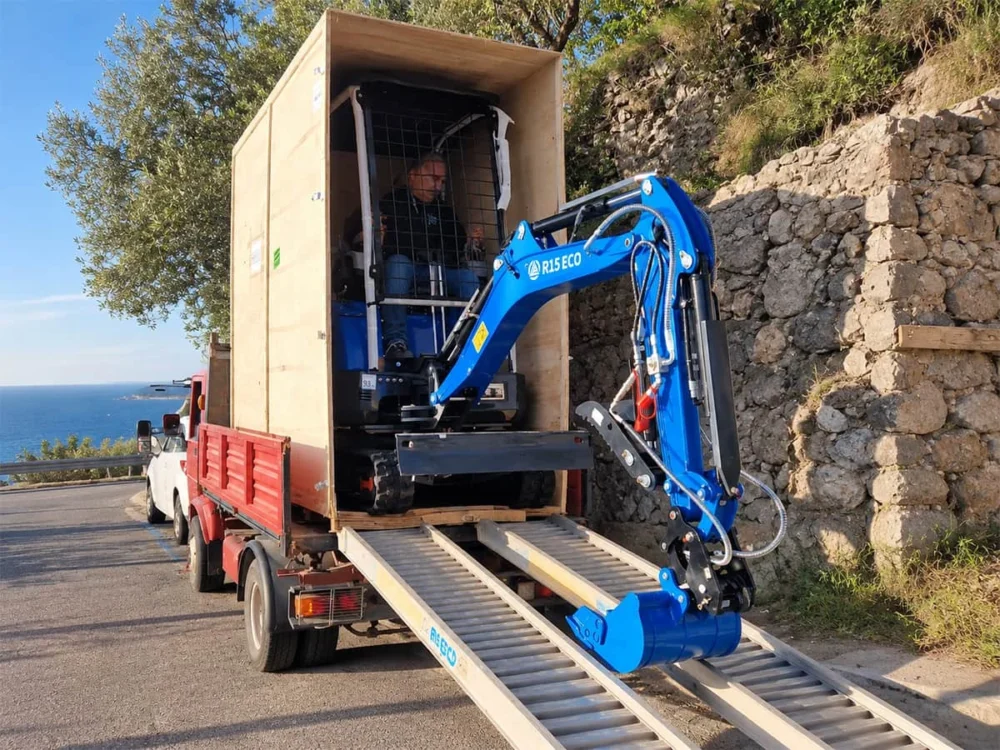
Selecting a suitable trailer requires more than matching its advertised capacity to the excavator’s operating weight.
Buyers should verify the trailer’s rated payload, gross vehicle weight rating, axle ratings, and towing vehicle capacity. The combined weight of the excavator, attachments, securing equipment, and other cargo must remain within all applicable limits.
Consider these factors before choosing a trailer:
Payload capacity: Confirm that the trailer can safely carry the complete transported load.
Deck dimensions: Ensure sufficient space for the excavator and its approved transport position.
Loading equipment: Use an appropriate ramp or loading system designed for the machine’s weight and track configuration.
Weight distribution: Position the machine according to the trailer and vehicle manufacturer’s instructions.
Tie-down points: Use suitable, rated securing points and restraints to prevent movement during transit.
The correct trailer depends on machine weight, transport dimensions, towing capacity, and applicable regulations. Buyers should consult qualified transport professionals when requirements are unclear.
For businesses purchasing small excavators for sale, choosing suitable transportation equipment from the beginning can help prevent loading delays and unnecessary logistical complications.
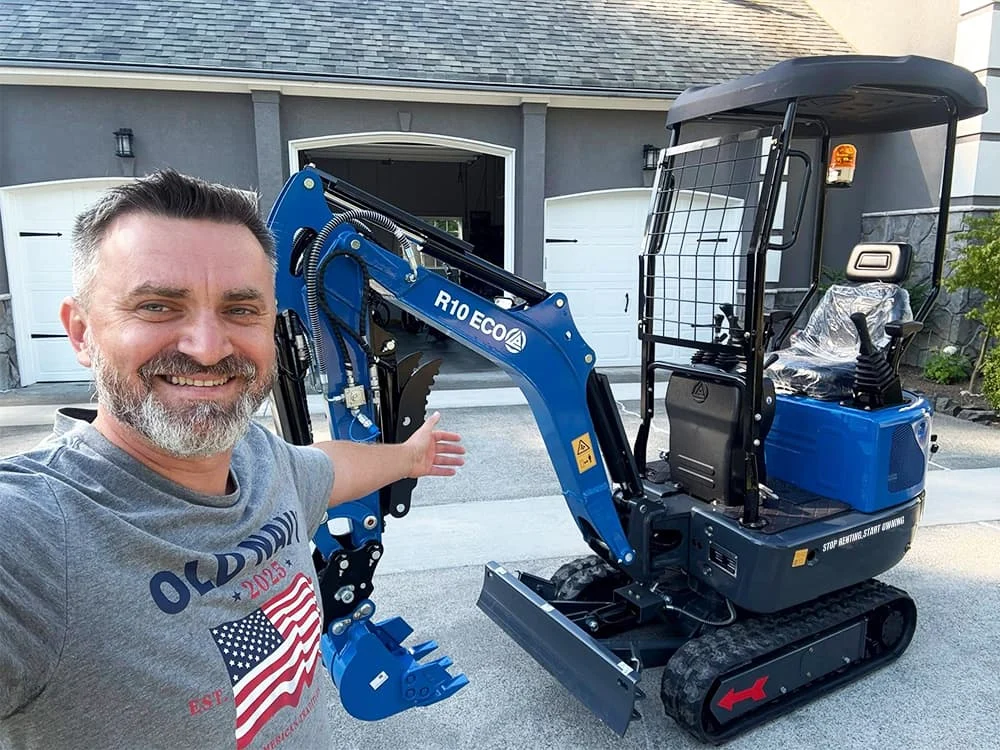
A pre-transport inspection helps protect the machine, transport vehicle, and other road users.
Before moving a mini excavator, follow the manufacturer’s transportation instructions and complete a structured inspection.
Check for visible damage, fluid leaks, loose components, and other issues that could affect safe transportation.
Lower the attachment as instructed, position the boom and arm correctly, and secure movable components according to the manufacturer’s guidance.
Remove excessive mud and debris where appropriate. Inspect the tracks and ensure the machine is positioned correctly for loading.
Use rated tie-down equipment at approved securing points. Confirm that the excavator cannot shift, rotate, or move during transit.
Check route restrictions, permitted dimensions, load limits, and any required permits or warning equipment.
Regular mini excavator maintenance also supports reliable transportation. A machine with damaged tracks, leaking hydraulic components, or unsecured attachments may require attention before it can be moved safely.
For distributors, consistent inspection procedures help standardize equipment preparation before shipment and reduce avoidable delivery problems.
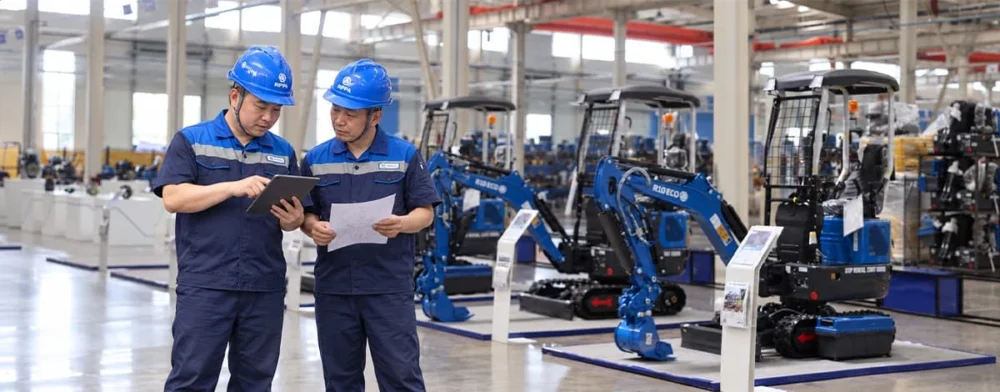
Transportation costs depend on more than distance. Machine weight, dimensions, loading requirements, route restrictions, and delivery arrangements can all influence the final expense.
Heavier equipment may require a trailer with greater payload capacity. Oversized dimensions can trigger additional planning, permits, or specialized transport arrangements, depending on local regulations.
When assessing the mini excavator price, buyers should consider transportation as part of the total delivered cost rather than evaluating the equipment quotation alone.
Relevant expenses may include:
For equipment distributors, understanding these expenses helps improve purchasing plans, estimate landed costs, and organize inventory more efficiently.
RIPPA provides construction machinery options for businesses serving different customer requirements. Buyers and distributors should confirm the relevant machine specifications and transportation information before finalizing shipping arrangements.
Businesses interested in expanding their equipment offerings can explore RIPPA distributor opportunities to learn more about potential cooperation.
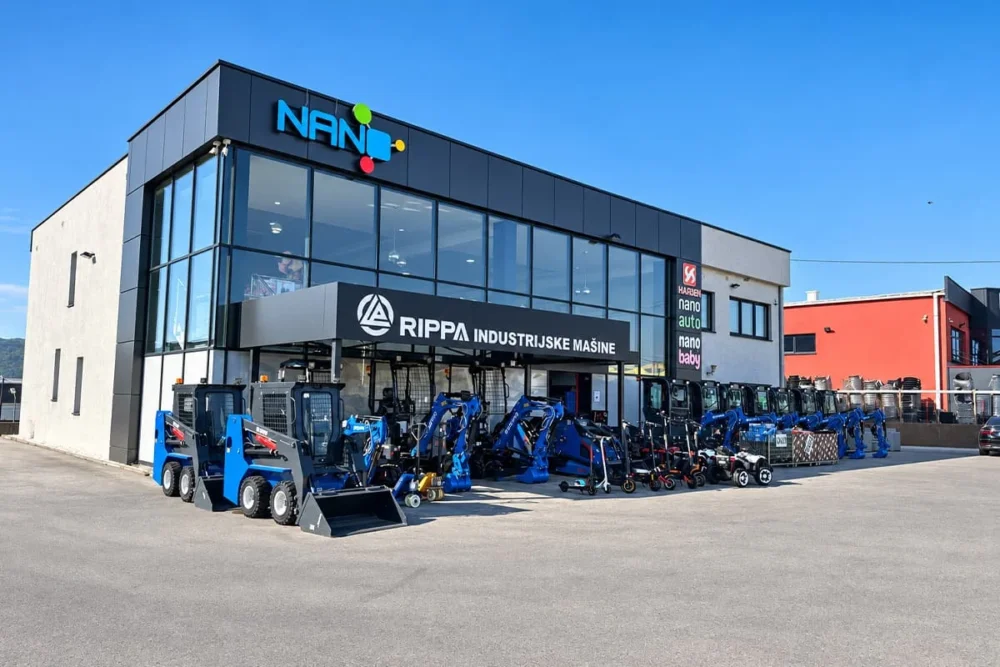
Weight varies by machine size, design, and configuration. Always check the manufacturer’s published operating weight.
Possibly, if the trailer, towing vehicle, payload capacity, dimensions, and applicable regulations are suitable for the complete load.
Yes. Weight can affect trailer requirements, loading arrangements, route planning, and transportation charges.
Tel: +8615628788742
Email: contact02@rippa.com
WhatsApp: Rippa Excavator
Adresa: Al șaselea parc industrial, orașul Jining, provincia Shandong, China

 RO
RO  EN
EN  ES
ES  IT
IT  FR
FR  RU
RU  DE
DE  PT
PT  TR
TR  BG
BG  HR
HR  CS
CS  NN
NN  SL
SL  SV
SV  HU
HU  SK
SK  DA
DA  FI
FI  PL
PL  PT_BR
PT_BR 
