Starting a mini excavator dealership can create a business opportunity for entrepreneurs who understand construction equipment, local customer needs, and equipment distribution. However, profitability depends on more than the number of machines sold. Purchase costs, operating expenses, inventory management, and after-sales support all influence the final return.
For anyone considering becoming a mini excavator dealer, understanding the revenue model and building a reliable relationship with a manufacturer are important first steps.
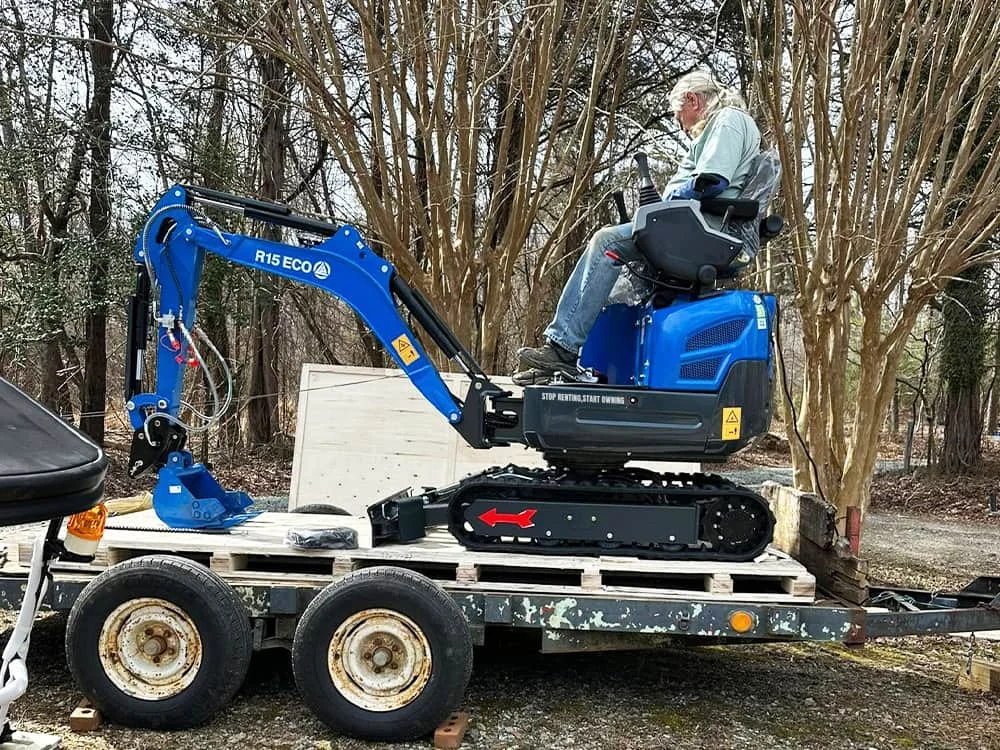
A mini excavator dealership can generate revenue through equipment sales, attachments, replacement parts, and related customer services. Actual profitability varies according to local demand, supplier pricing, sales volume, and operating costs.
A dealer serving contractors, landscapers, farms, and property maintenance businesses may reach several customer groups instead of relying on one market. Before entering the industry, research local competition, customer purchasing habits, and demand for compact construction equipment.
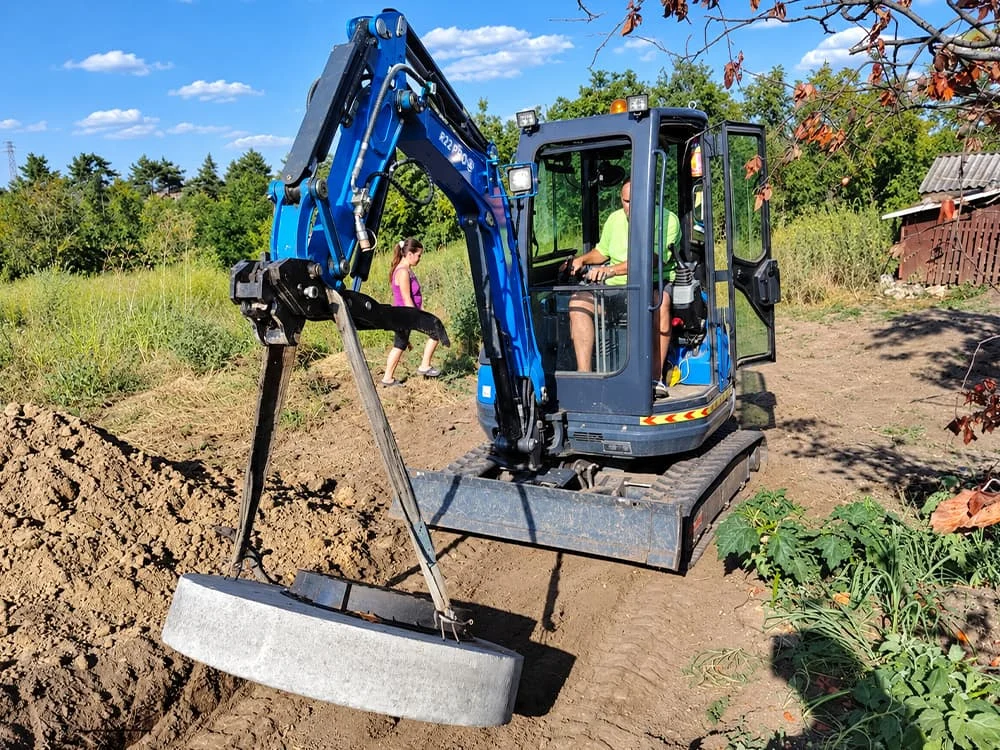
The main revenue source for mini excavator dealers is selling new machines to individual buyers, contractors, businesses, and other commercial customers. Additional opportunities may come from compatible attachments, replacement parts, and ongoing customer relationships.
Offering different machine configurations can help a dealer serve customers with different working requirements. For example, a customer looking for a small excavator for sale for landscaping may have different priorities from a construction company purchasing equipment for regular jobsite use.
Dealers should also consider supplier reliability. Consistent product availability, access to parts, and clear communication can help maintain customer confidence and support repeat business.
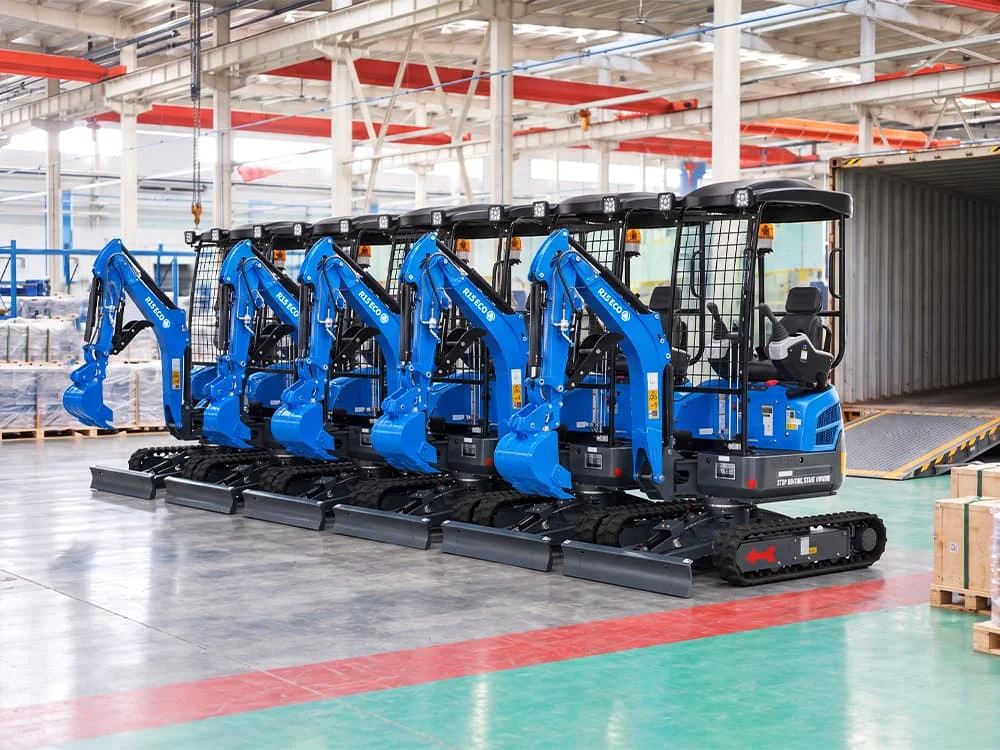
There is no universal profit figure for mini excavator dealers. Earnings depend on the difference between selling prices and acquisition costs, minus expenses such as transportation, storage, payroll, advertising, and customer support.
Dealers can estimate operating profit by tracking revenue from equipment and attachments, then deducting both direct costs and operating expenses. They should also account for inventory that remains unsold and the cash required to finance new stock.
Rather than relying on an assumed industry average, prospective dealers should build a financial forecast using actual supplier quotations, local selling prices, expected sales volume, and realistic monthly expenses.
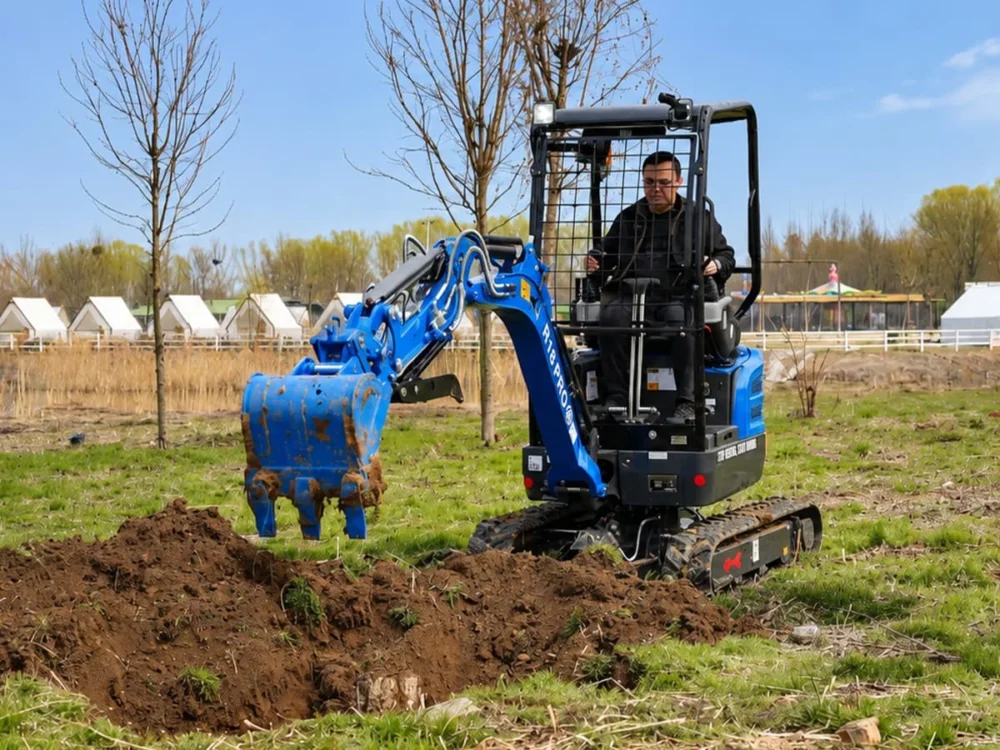
Startup costs depend on the dealership model. An operation that begins with customer orders may require a different investment from a business that maintains a showroom, warehouse, and several machines in stock.
Common expenses include:
Before committing funds, compare supplier terms and estimate how long inventory may take to sell. A realistic cash-flow plan helps dealers avoid tying up too much capital in slow-moving stock.
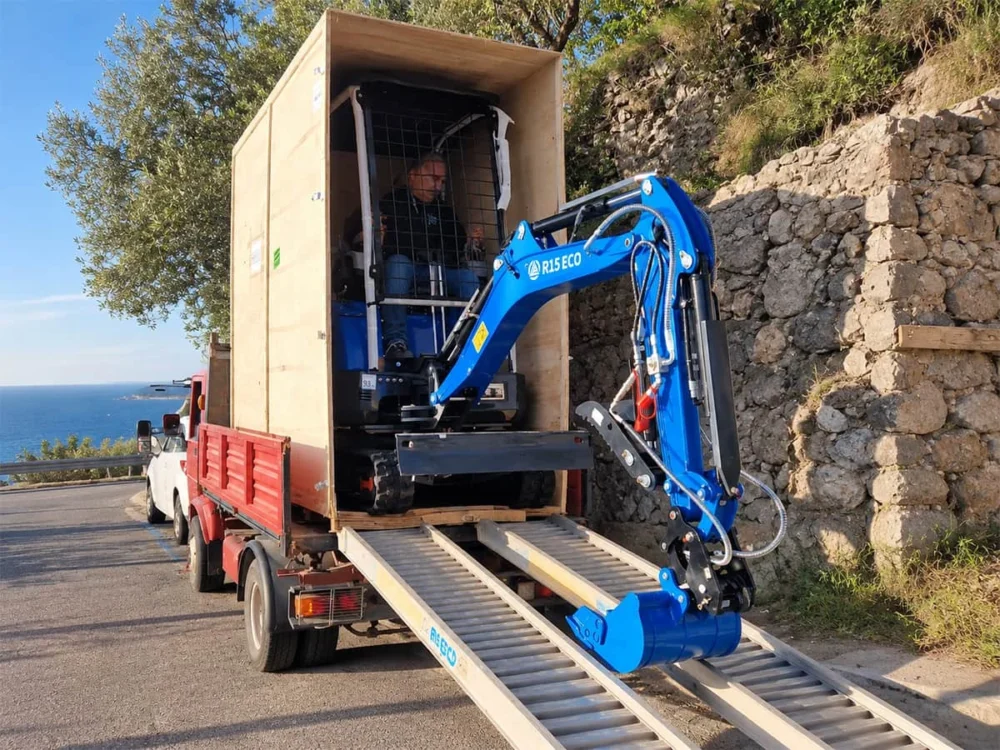
Several factors influence dealership performance, including local demand, competition, supplier pricing, product quality, and customer service. Dealers should evaluate these factors before choosing a product line or entering a new market.
Search behavior can also reveal customer demand. People searching for mini excavator dealers near me, mini excavator dealer near me, or mini excavator nearby are often looking for accessible sellers, available equipment, or local support. Dealers can respond by maintaining accurate business listings, publishing clear product information, and explaining delivery and service arrangements.
For online sales, pages targeting mini excavator sale searches should provide useful details about available machines, purchasing procedures, and how customers can contact the business. Clear information can help turn search traffic into qualified inquiries.
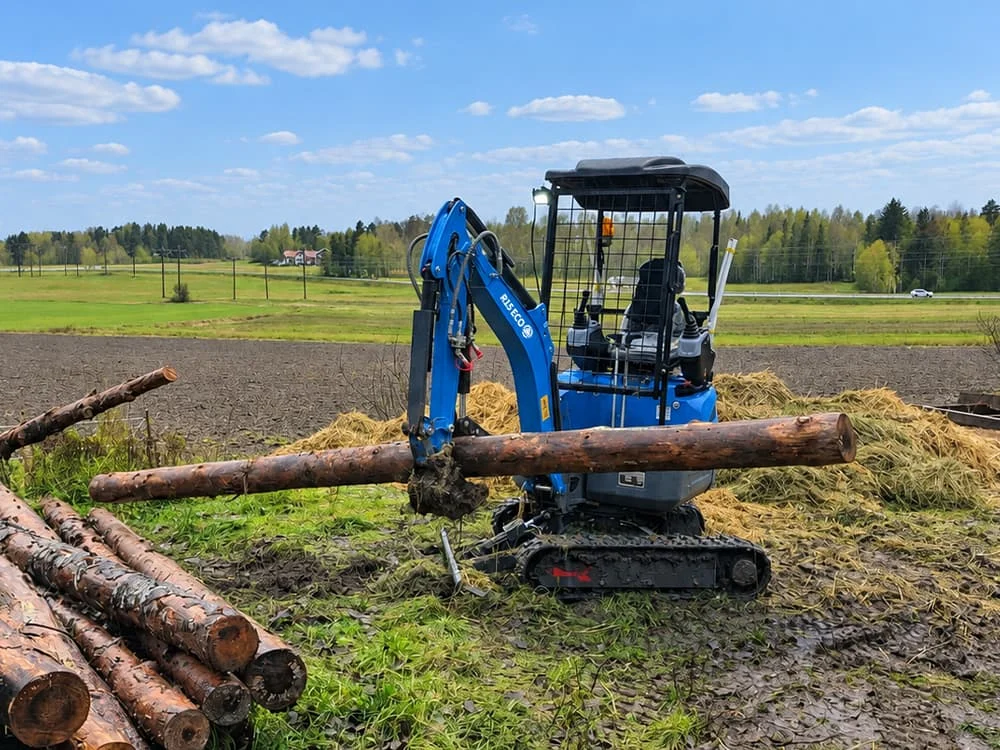
Dealers can improve their business performance by controlling inventory costs, selecting products that match local demand, and following up consistently with qualified leads. Monitoring conversion rates and the cost of acquiring each customer can help identify which marketing activities generate worthwhile sales opportunities.
Building a dependable parts supply and responsive after-sales process is also important. Customers may consider long-term service availability when deciding which dealer to trust, particularly when equipment is essential to their daily operations.
Dealers should review performance regularly, including sales volume, gross margin, inventory turnover, and customer acquisition costs. These measurements provide a more useful picture of profitability than revenue alone.
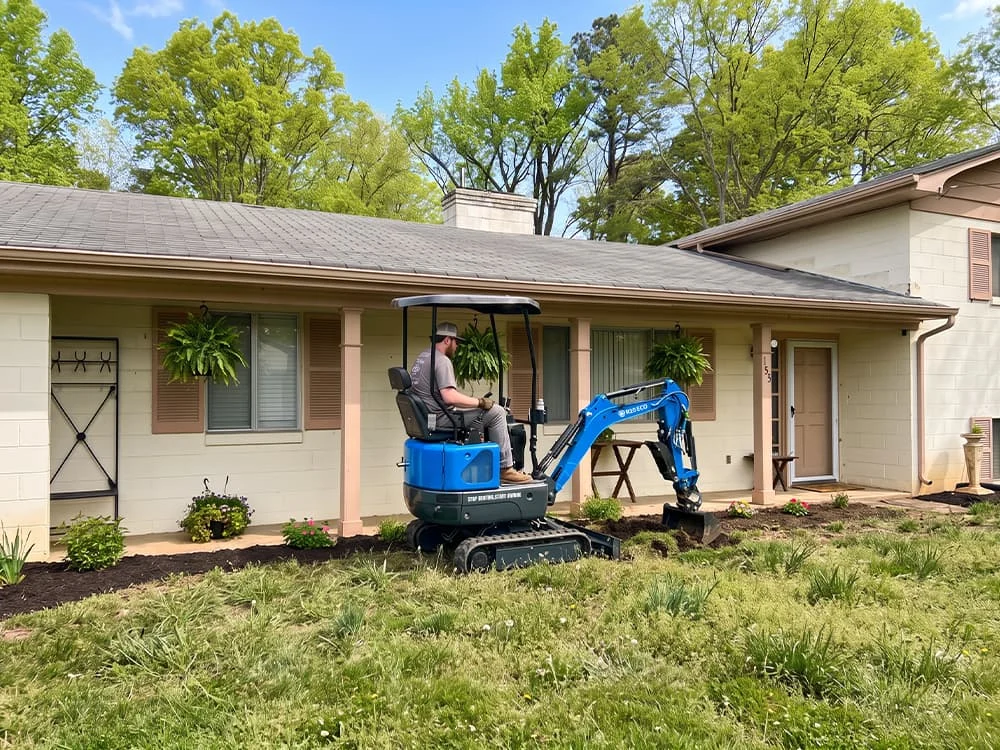
Choosing a manufacturer is an important decision for any business planning to become a mini excavator dealer. Dealers should assess product range, manufacturing capabilities, supply arrangements, parts availability, and the support offered to international partners.
RIPPA Group manufactures compact construction equipment and serves international markets. For prospective dealers, reviewing the available Modele de mini excavatoare RIPPA can help identify products that fit their customer base and local market requirements.
Before entering a partnership, discuss ordering procedures, shipping arrangements, spare parts, marketing resources, and after-sales responsibilities. Clear expectations help both parties plan for sustainable business development.
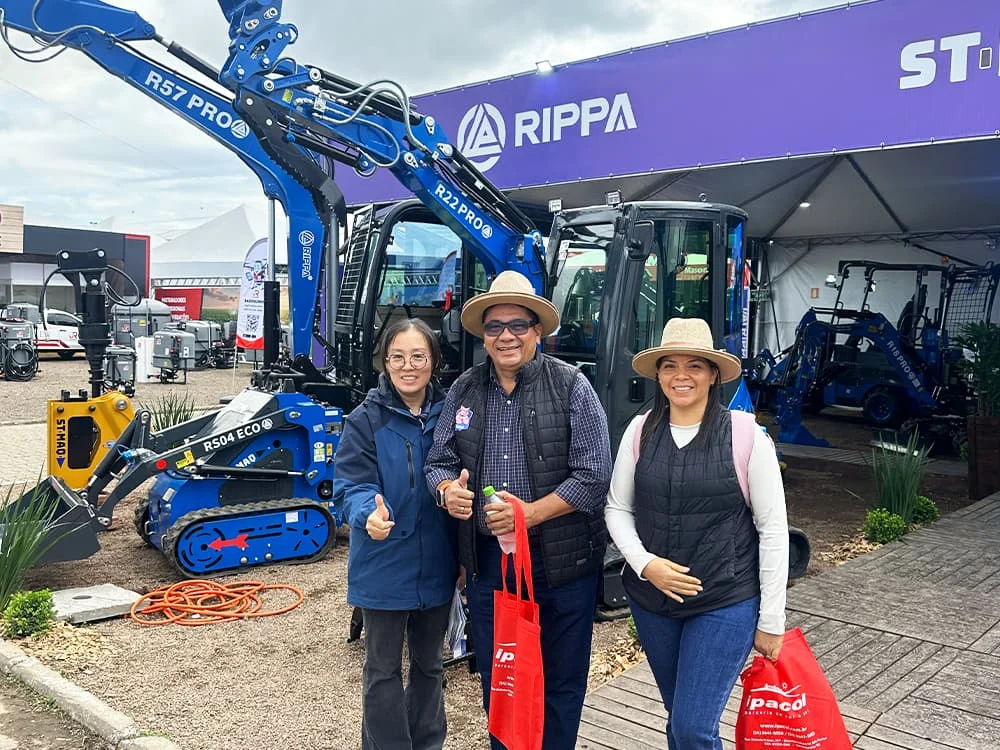
The first step is to identify your target market and estimate demand for new mini excavators in your region. Consider your potential customers, competing brands, preferred machine categories, and the level of inventory you can reasonably support.
Next, prepare a basic business plan covering startup funding, expected sales, operating expenses, and customer acquisition. Contact RIPPA to discuss product availability, distribution requirements, and potential cooperation arrangements.
You can learn more through the RIPPA distributor recruitment page. Share information about your market, business experience, and distribution plans so the company can assess whether the proposed partnership is suitable.
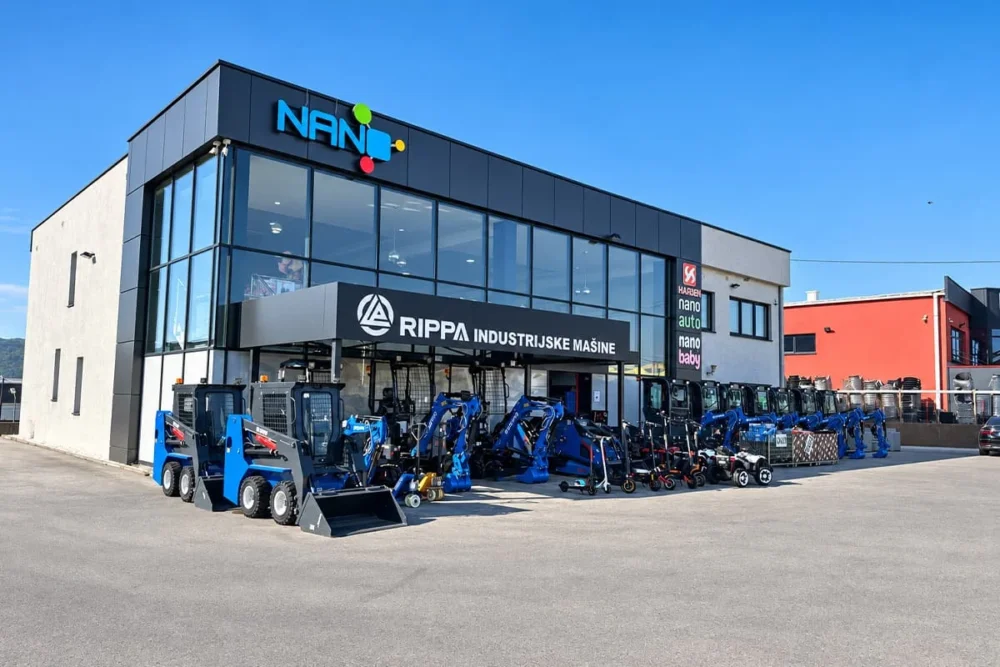
Search for local dealers, check their available new equipment, and confirm delivery, parts, and service support. Compare suppliers before making a purchase.
Yes. Small excavators may appeal to landscapers, contractors, farms, and property maintenance businesses. Success depends on local demand, pricing, and reliable supply.
Visit the RIPPA distributor recruitment page and submit an inquiry about your region, business, and distribution plans. Partnership terms should be confirmed directly with RIPPA.
Tel: +8615628788742
Email: contact02@rippa.com
WhatsApp: Rippa Excavator
Adresa: Al șaselea parc industrial, orașul Jining, provincia Shandong, China

 RO
RO  EN
EN  ES
ES  IT
IT  FR
FR  RU
RU  DE
DE  PT
PT  TR
TR  BG
BG  HR
HR  CS
CS  NN
NN  SL
SL  SV
SV  HU
HU  SK
SK  DA
DA  FI
FI  PL
PL  PT_BR
PT_BR 
