Mini excavators are widely used in landscaping, construction, agriculture, and property improvement. However, digging is only one part of many projects. Different jobs require different tools to handle soil, remove debris, break hard surfaces, and prepare the ground.
This is where mini excavator attachments become important. By selecting the right attachment for each task, operators can expand what a mini excavator can accomplish without relying on a single bucket for every operation.
For homeowners, contractors, and equipment businesses, understanding different excavator attachments makes it easier to choose a practical machine configuration for everyday work.
A mini excavator becomes more versatile when it can work with different attachments. Instead of using the same tool for every operation, operators can select equipment designed for specific materials and working conditions.
For example, a digging bucket is suitable for general excavation, while a hydraulic breaker is designed for breaking hard materials. A rake can help clear roots and debris, and a grapple can assist with handling logs and other bulky materials.
The right attachment can help operators:
For businesses working across multiple projects, this flexibility can make a mini excavator a more practical equipment choice.
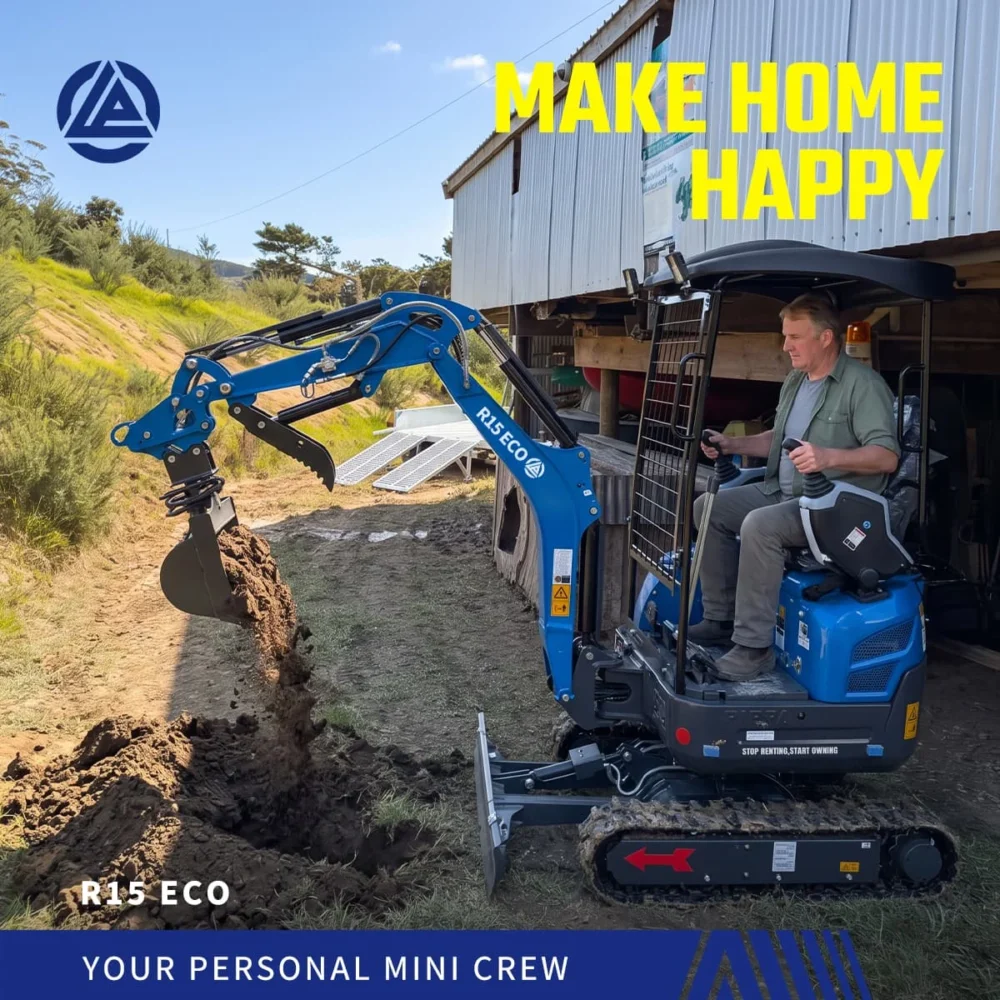
The best attachment depends on the material being handled and the result required. Understanding the purpose of each tool helps operators select the right configuration.
A digging bucket is one of the most commonly used mini excavator attachments. It is designed for digging soil, moving earth, excavating trenches, and handling loose materials.
Typical applications include:
For operators who regularly handle different excavation projects, a digging bucket is an essential starting point.
A hydraulic breaker helps mini excavators handle materials that cannot be removed efficiently through ordinary digging.
It is particularly useful for breaking concrete, asphalt, and certain types of rock during construction and renovation projects.
Common applications include:
This attachment allows contractors to expand their work beyond ordinary excavation.
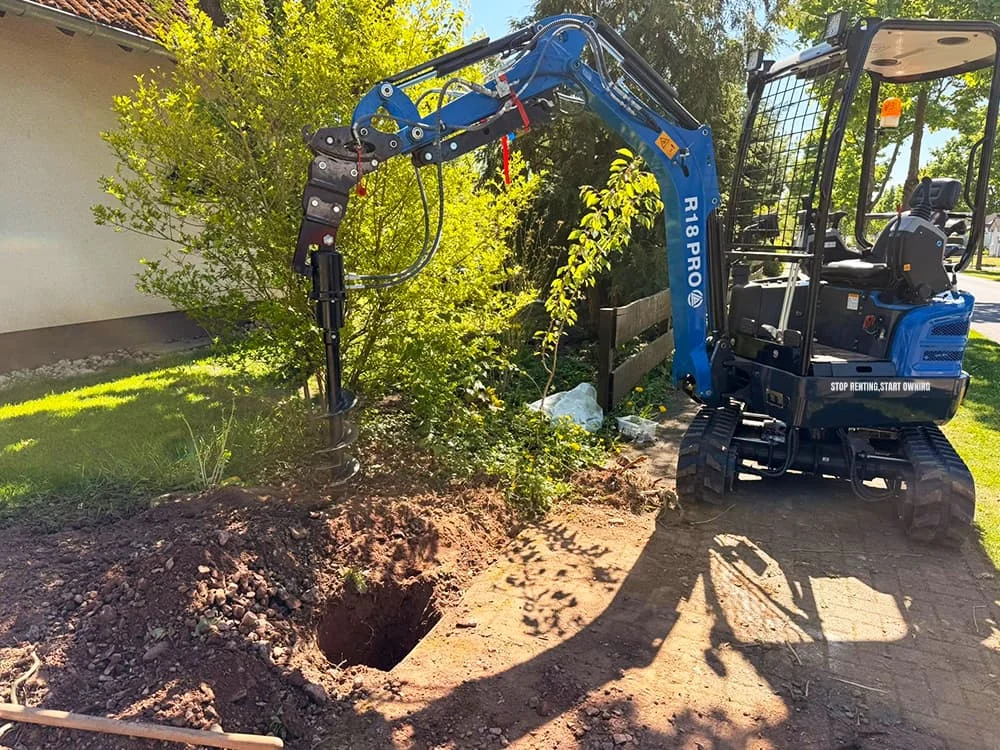
An auger attachment is designed for drilling holes into the ground. It is useful when projects require consistent hole placement and depth.
Typical applications include:
For landscaping contractors and property improvement businesses, an auger can make repetitive drilling tasks more manageable.
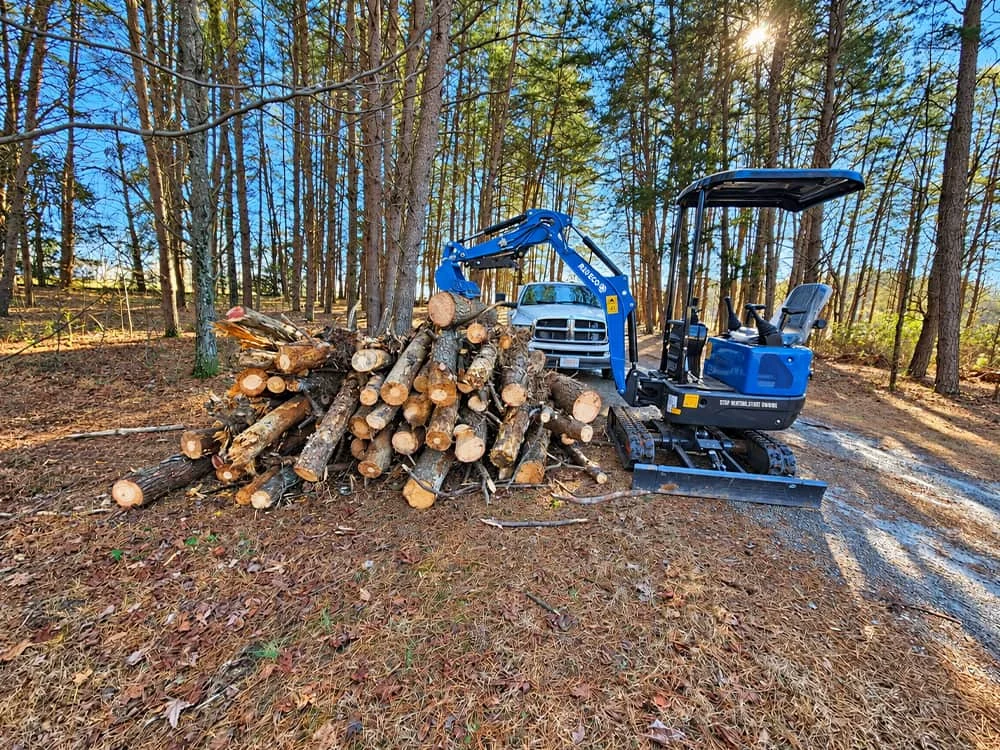
A log grapple is designed to grip, lift, and move bulky materials. Unlike a standard bucket, its gripping structure helps operators handle objects that are difficult to collect with conventional digging tools.
Common applications include:
This attachment is particularly useful for forestry-related work, farm maintenance, and property clearing.
A rake attachment helps collect roots, rocks, branches, and other unwanted materials from the ground.
It can support:
For projects that require clearing before excavation or planting, a rake can help make site preparation more organized.
A ripper is designed to penetrate and loosen hard or compacted ground. Its pointed working structure helps break up soil before further excavation.
Typical applications include:
It is a useful option for agricultural, landscaping, and construction projects where ground preparation is required.
A tilting bucket provides additional flexibility when shaping uneven surfaces. It helps operators work on slopes, edges, and areas where precise ground finishing is important.
Typical applications include:
For landscaping professionals, this attachment can support more detailed finishing work.
Choosing mini excavator attachments should start with the actual work requirements rather than simply selecting the largest number of available tools.
Here are four important factors to consider.
Start by identifying the jobs you perform most frequently. Landscaping businesses may prioritize buckets, rakes, and augers, while construction contractors may need digging buckets and hydraulic breakers.
Different working environments require different tools. Soft soil, compacted ground, rocky surfaces, and wet materials can all affect attachment selection.
Not every attachment is suitable for every mini excavator. Before selecting an attachment, confirm that the machine can support its connection system, hydraulic requirements, and operating demands.
If your business handles different types of work, consider attachments that allow your equipment to support additional applications. A flexible configuration can help you respond to changing project requirements.
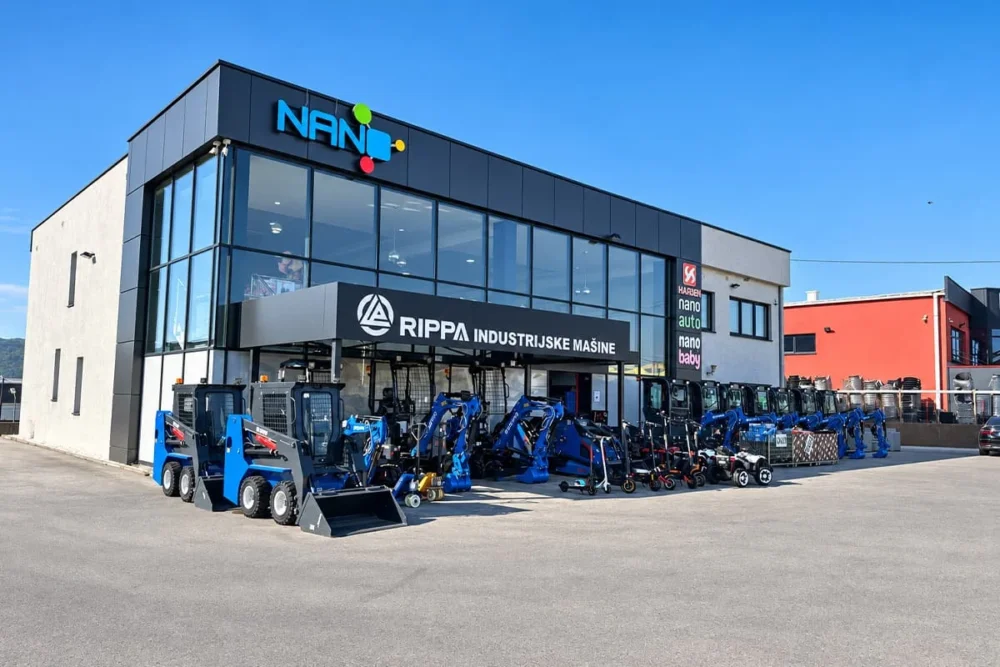
RIPPA offers a range of mini excavators and attachments designed for different working applications.
Its attachment selection includes digging buckets, hydraulic breakers, augers, mud buckets, log grapples, rakes, rippers, and tilting buckets.
These tools support different activities, from everyday excavation and landscaping to ground preparation, material handling, and construction work.
Rather than focusing on a single application, customers can consider their working environment, project requirements, and preferred equipment configuration when selecting a suitable machine.
For customers exploring different equipment options, RIPPA provides a product and application overview to help identify suitable solutions.
Explore RIPPA mini excavators and attachments to learn more about available equipment and applications.
For distributors and equipment businesses, offering different attachment options can also help address a wider range of customer requirements. Understanding local demand and common applications is an important part of building a suitable product portfolio.
For equipment dealers and construction businesses, attachments are not simply additional tools. They are part of the overall equipment solution.
Customers may have different requirements depending on their industries. A landscaping contractor may need equipment for digging, grading, and clearing, while an agricultural customer may prioritize soil preparation and material handling.
Providing suitable attachment recommendations can help businesses:
For this reason, equipment selection should consider both the machine and the attachments needed to complete actual projects.
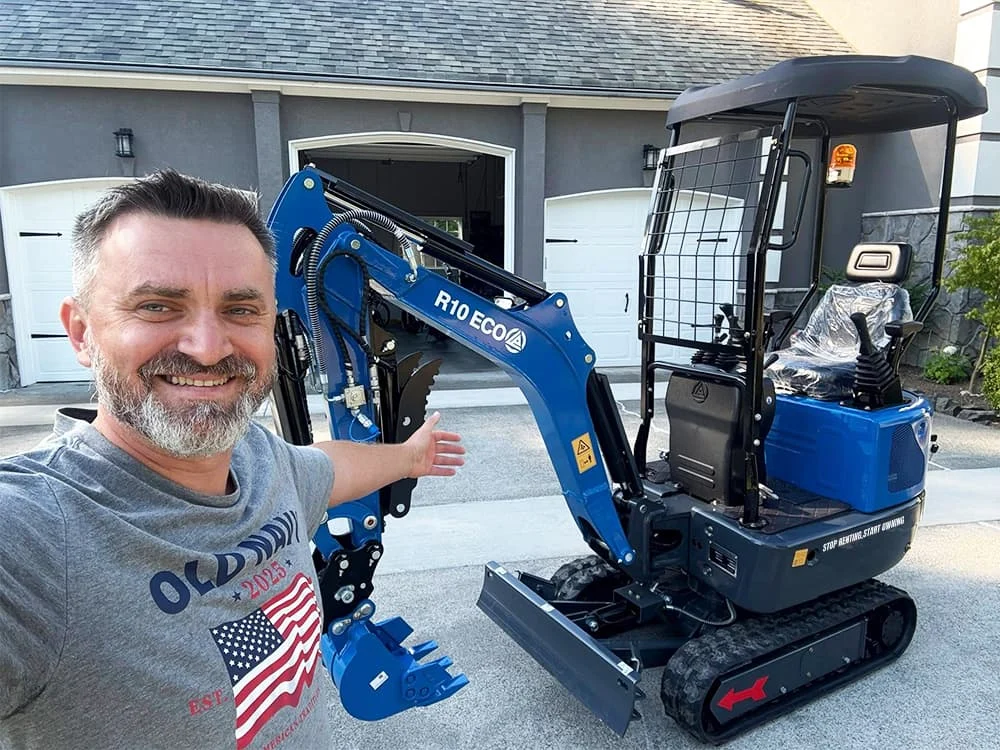
Common mini excavator attachments include digging buckets, hydraulic breakers, augers, log grapples, rakes, rippers, and tilting buckets. Each serves a different purpose depending on the working environment.
Yes. Buckets, augers, rakes, and tilting buckets can support landscaping activities such as digging, planting, clearing roots, and shaping ground surfaces.
A hydraulic breaker is designed for breaking concrete, asphalt, and certain hard materials. Always check machine and attachment compatibility before operation.
Tel: +8615628788742
E-mail: contact02@rippa.com
WhatsApp: Escavadeira Rippa
Endereço: O sexto parque industrial, cidade de Jining, província de Shandong, China

 PT_BR
 EN
 ES
 IT
 FR
 RU
 DE
 PT
 TR
 BG
 HR
 RO
 CS
 NN
 SL
 SV
 HU
 SK
 DA
 FI
 PL

