When researching mini excavator prices, buyers often compare quotations from multiple manufacturers before deciding which machine to purchase. However, the listed price is only one part of the total investment.
For overseas contractors, importers, and equipment dealers, the actual cost of purchasing a mini excavator depends on several factors, including machine configuration, engine selection, attachments, transportation, and import expenses.
Understanding these cost components helps buyers evaluate different suppliers, prepare realistic purchasing budgets, and avoid unexpected expenses after placing an order.
This guide explains what determines mini excavator prices and what international buyers should check before purchasing directly from a manufacturer.
A mini excavator quotation should clearly identify the equipment and services included in the offered price.
Different manufacturers may use different quotation formats. Some quotations cover only the basic machine, while others may include selected accessories or export preparation.
Before comparing prices, buyers should confirm the following:
Without this information, comparing two quotations can be misleading.
A lower quotation does not necessarily mean that the equipment offers better purchasing value.
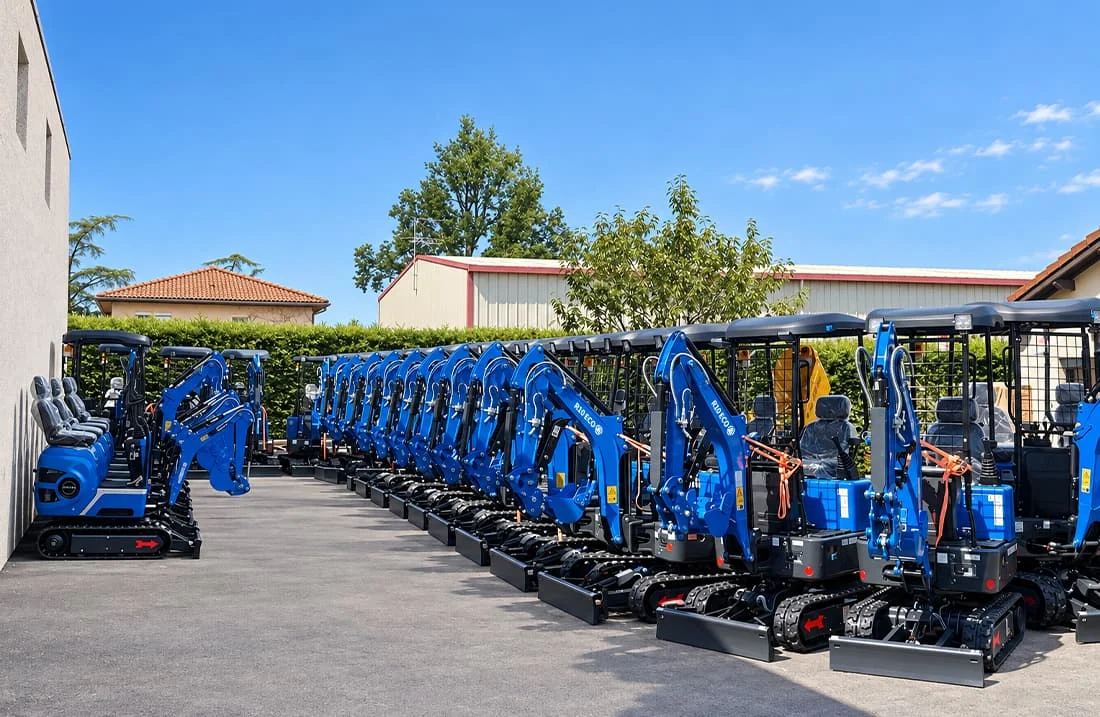
The first factor influencing mini excavator prices is the selected machine configuration.
Different models are designed for different working environments and customer requirements.
For example, contractors working on residential landscaping projects may prioritize compact dimensions and maneuverability. Buyers involved in more demanding excavation tasks may focus on digging capability, operating configuration, and available equipment options.
Before requesting a quotation, identify the intended application and ask the manufacturer to recommend an appropriate configuration.
Engine selection can influence the overall machine quotation.
Different engine brands and configurations may have different purchasing costs, maintenance requirements, and market acceptance.
International buyers should confirm:
For dealers, understanding these differences is particularly important when serving customers who have specific engine preferences.
The hydraulic system is another important consideration when evaluating mini excavator prices.
Buyers may require different attachments depending on their applications.
Common options include:
The availability and cost of these accessories depend on the machine configuration and manufacturer.
Before purchasing, confirm attachment compatibility and whether additional hydraulic connections are required.
Operator configuration can also affect the final quotation.
Depending on the product range, buyers may consider different cab or canopy arrangements and other available options.
For machines operating in colder or hotter environments, operator comfort may be an important purchasing consideration.
Dealers should confirm which configurations are available for the exact model rather than assuming that every option is standard.
Order quantity can influence the commercial terms offered by manufacturers.
Individual equipment purchases and wholesale orders may have different quotation conditions.
For importers and distributors, it is useful to discuss:
These details help buyers plan procurement more effectively.
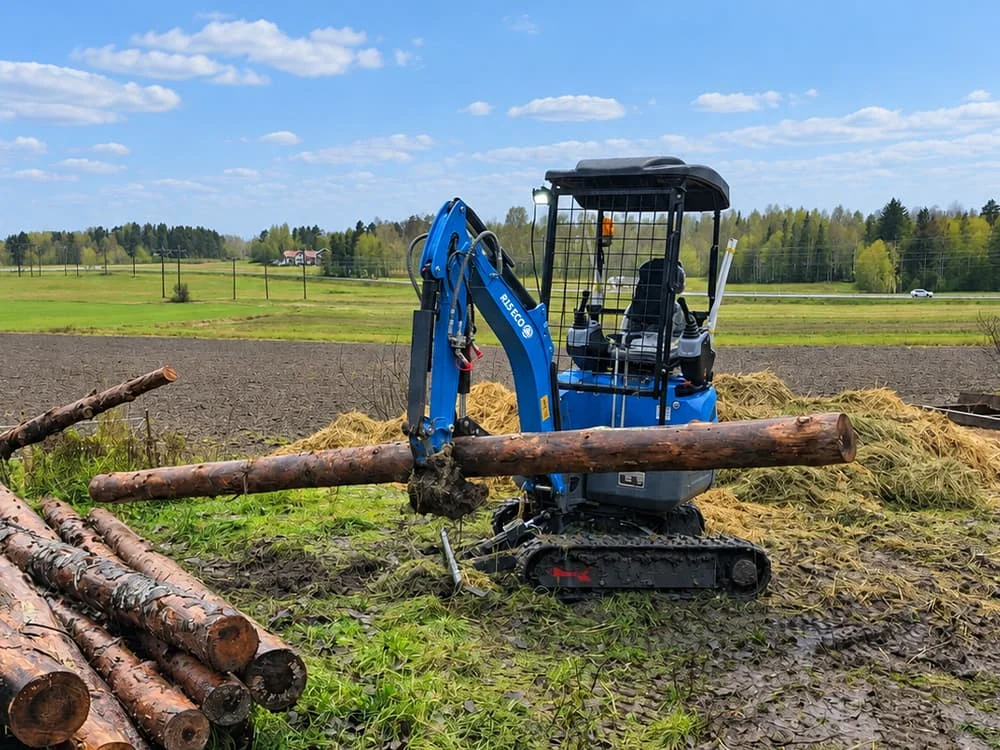
Not all mini excavator manufacturers offer the same product configurations, components, documentation, or commercial services.
When comparing quotations, buyers should evaluate the actual equipment and the supplier’s capabilities.
A complete comparison should consider manufacturing experience, product consistency, export documentation, communication efficiency, and parts supply arrangements.
Choosing a supplier based only on the lowest advertised price may create additional purchasing risks.
For international buyers, the factory quotation is not necessarily the final amount required to receive the machine.
Importing construction equipment involves several additional cost categories.
| Cost Item | What Buyers Should Consider |
|---|---|
| Factory price | Machine model and selected configuration |
| Attachments | Optional buckets and working tools |
| Export packaging | Packaging and container loading |
| International freight | Shipping route and transportation method |
| Insurance | Applicable shipping insurance |
| Import duties | Destination-country customs requirements |
| Local taxes | Applicable taxes and charges |
| Customs clearance | Documentation and clearance services |
| Inland transportation | Delivery from port to final destination |
The actual amount varies by destination country, shipping arrangements, and applicable import regulations.
Buyers should request a detailed quotation that clearly separates the machine price from additional expenses.
This makes it easier to calculate the estimated landed cost and compare suppliers on an equivalent basis.
When comparing mini excavator quotations, international buyers should use a consistent evaluation process.
Make sure the quotations refer to comparable machine models and configurations.
Check the engine, hydraulic system, included accessories, cab arrangement, and other selected options.
Comparing machines with different configurations based only on their listed prices can produce inaccurate conclusions.
Ask each manufacturer for official technical documentation.
Check whether the information includes operating weight, machine dimensions, digging specifications, engine details, and attachment compatibility.
All figures should correspond to the machine being quoted.
International equipment purchases require clear shipping arrangements.
Buyers should understand which party is responsible for packaging, loading, freight, insurance, and customs-related documentation.
Request clarification whenever quotation terms are unclear.
For equipment dealers, the supplier relationship continues after the first order.
Ask how spare parts inquiries are handled, whether technical documentation is available, and how future orders are coordinated.
These factors should be included when evaluating the overall value of a manufacturer.
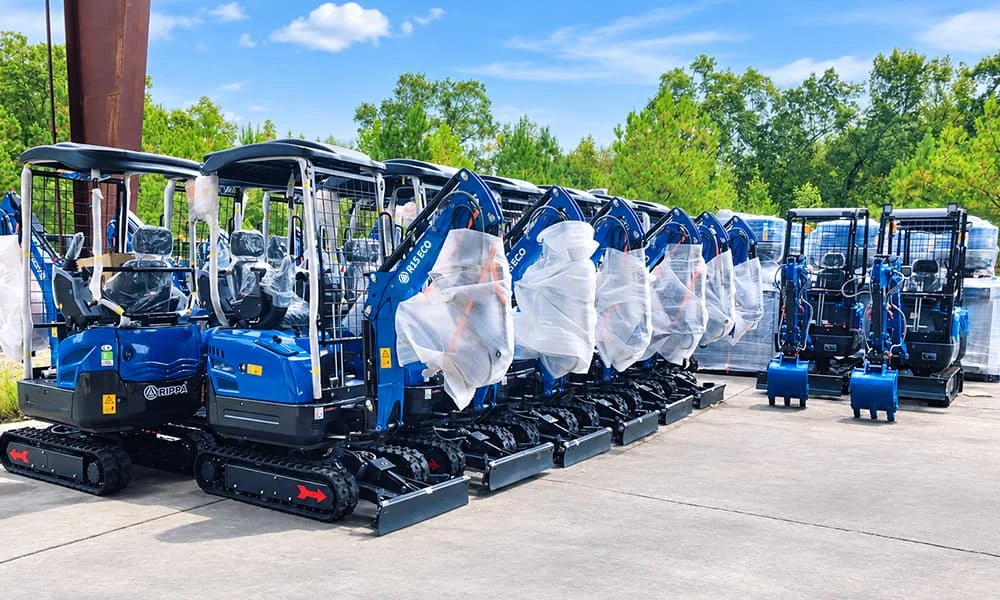
For distributors and wholesalers, purchasing equipment is also an inventory management decision.
Buying the wrong machine configuration can make it more difficult to match local customer demand.
Before placing a wholesale order, dealers should consider three important areas.
Local Market Demand
Research which mini excavator categories are commonly requested by local contractors, agricultural businesses, and landscaping companies.
Understand customer preferences regarding engine brands, machine configurations, and attachments.
Product Portfolio Planning
Consider whether the selected machines complement existing equipment categories.
A dealer offering multiple excavator configurations may be able to serve a wider range of customer applications.
Purchasing Budget
Include the complete import cost rather than calculating the investment from factory prices alone.
Freight, customs expenses, local delivery, and inventory holding costs can influence the overall purchasing plan.
A structured procurement process helps dealers make more informed inventory decisions.
Providing detailed information in an initial inquiry can help manufacturers prepare more relevant quotations.
Buyers should include:
These details help reduce unnecessary quotation revisions and improve purchasing communication.
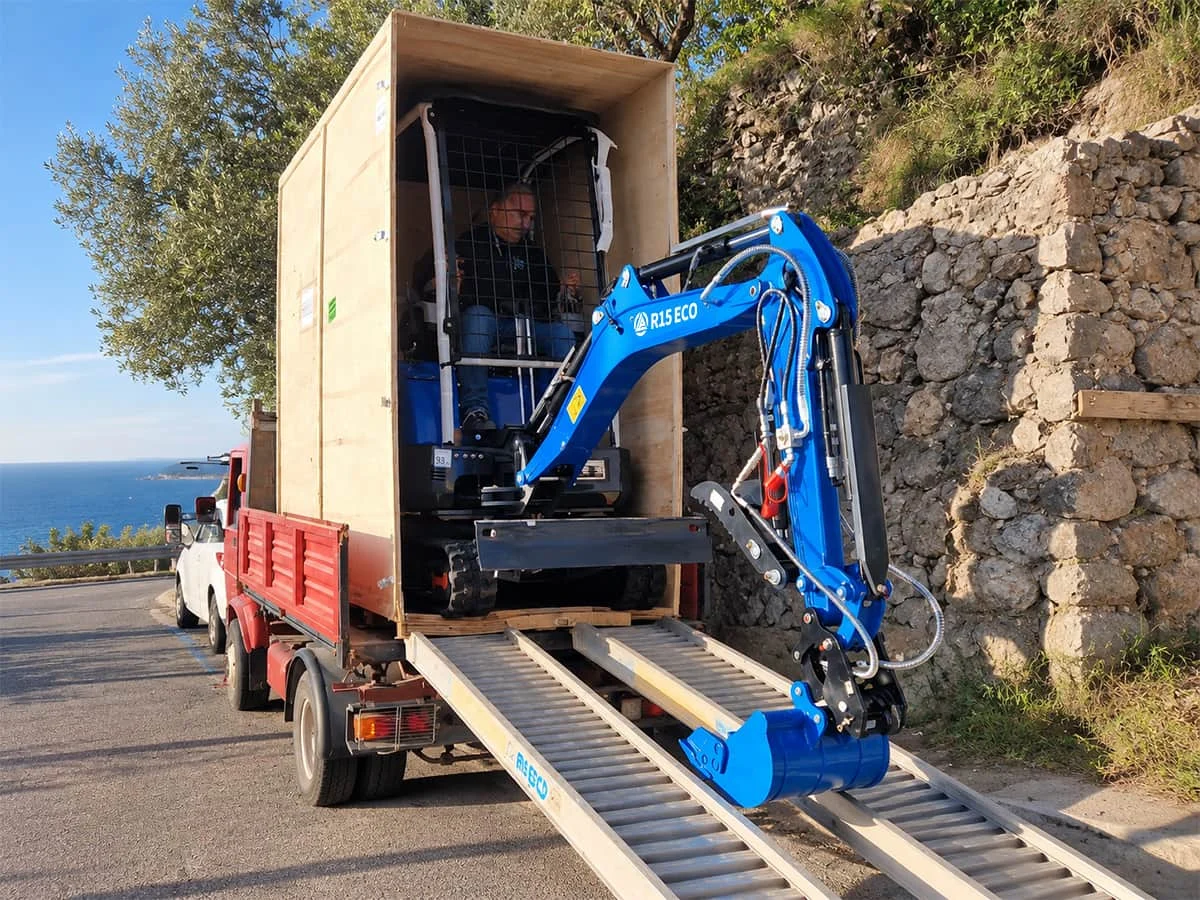
Mini excavator prices vary according to machine model, engine configuration, hydraulic system, attachments, manufacturer, and purchasing conditions. Buyers should request a quotation based on the exact machine configuration.
Different manufacturers may offer different components, configurations, production processes, included accessories, and commercial terms. Buyers should compare equivalent machines rather than relying on advertised prices alone.
Direct purchasing can provide a more direct quotation and communication process. However, the total investment still depends on machine configuration, transportation, import expenses, and the commercial terms offered by the manufacturer.
Common additional expenses include export packaging, international freight, insurance, customs duties, local taxes, clearance charges, and inland transportation.
Yes. International importers and equipment dealers can contact manufacturers to discuss order quantities, available configurations, commercial terms, and shipping arrangements.
Review manufacturing capabilities, official product documentation, component information, export experience, communication efficiency, and spare parts arrangements before making a purchasing decision.
Finding the right mini excavator price requires a complete understanding of machine configuration, transportation expenses, and supplier capabilities.
For contractors, the priority is selecting equipment that matches the intended working conditions. For overseas distributors, accurate quotations and reliable manufacturer communication are equally important.
RIPPA Group manufactures construction machinery and supplies equipment to international markets.
Whether you are sourcing a new mini excavator for your own projects or planning a wholesale purchase for your dealership, contact RIPPA to discuss your requirements.
Provide your destination country, preferred configuration, and order quantity to request product information and a purchasing quotation.
Tel: +8615628788742
E-mail: contact02@rippa.com
WhatsApp: Escavadeira Rippa
Endereço: O sexto parque industrial, cidade de Jining, província de Shandong, China

 PT_BR
 EN
 ES
 IT
 FR
 RU
 DE
 PT
 TR
 BG
 HR
 RO
 CS
 NN
 SL
 SV
 HU
 SK
 DA
 FI
 PL

