Site preparation is an essential step in construction, landscaping, and land development projects. It involves clearing obstacles, removing soil, creating drainage channels, and preparing stable ground for future work. For contractors exploring mini excavators for sale, compact excavation equipment offers practical solutions for these tasks.
Mini excavators can operate in confined spaces and handle multiple preparation activities with suitable attachments. Understanding their applications, operating methods, and equipment requirements helps contractors improve productivity and allows machinery dealers to recommend appropriate solutions.
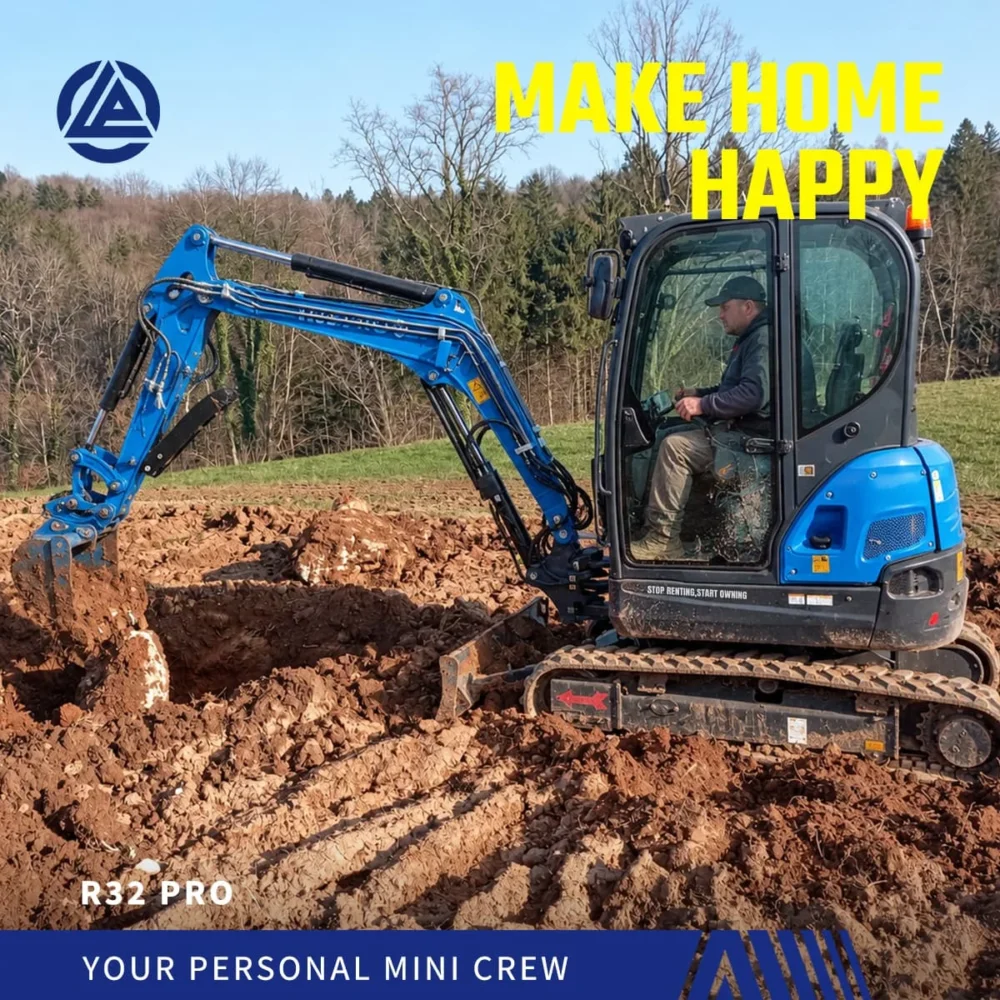
Mini excavators can complete several important site preparation activities before construction begins.
Site clearing involves removing vegetation, loose debris, roots, and other obstacles. Mini excavators equipped with suitable buckets or grapples can assist with removing manageable materials and opening access routes.
Operators should identify underground utilities and potential hazards before disturbing the ground.
Removing unwanted soil creates space for foundations, drainage systems, and landscaping features. Mini excavators can excavate shallow areas, load loose material, and redistribute soil within a construction site.
Digging depth, soil conditions, and bucket capacity influence the amount of work completed.
Mini excavators can remove high spots, spread loose soil, and assist with rough grading. With appropriate grading attachments, operators can prepare surfaces for subsequent leveling and compaction.
They are also useful for creating trenches and preparing areas for smaller construction projects.
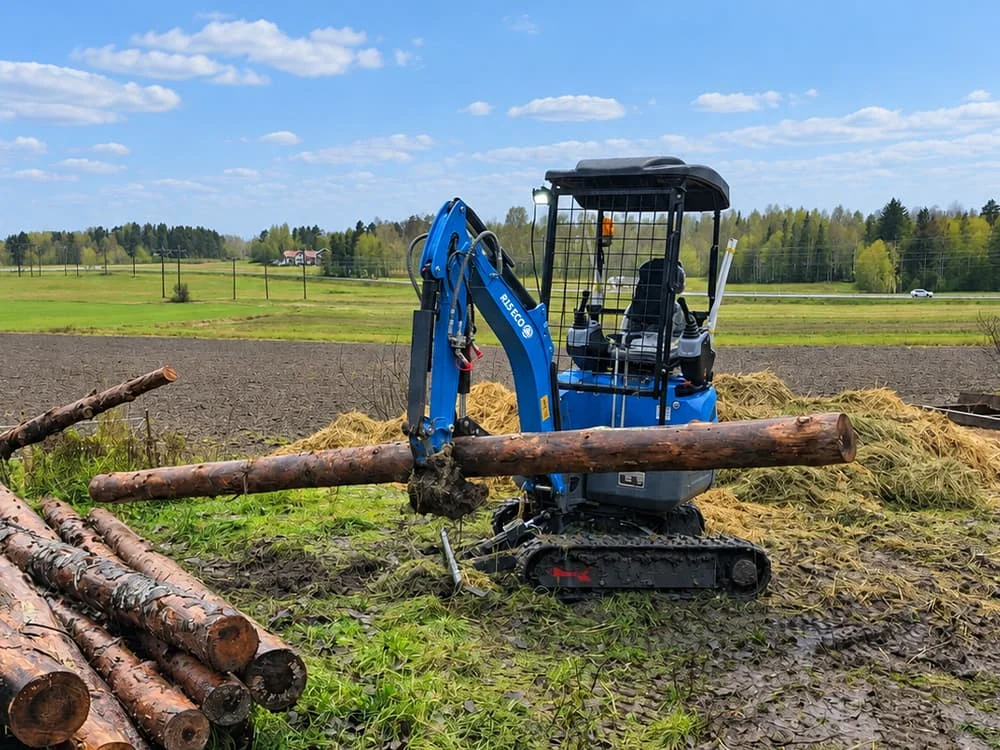
Effective site clearing requires a planned sequence rather than immediately starting excavation.
Before operating, identify site boundaries, access routes, underground utilities, and obstacles. Determine which materials must be removed and where excavated soil will be placed.
A mini excavator inspection checklist should cover tracks, hydraulic connections, bucket teeth, fluid levels, and attachment security before starting work.
Begin by removing accessible vegetation, loose debris, and manageable surface obstacles. Select appropriate attachments according to the material being handled.
Avoid overloading the bucket or attempting to remove obstacles beyond the machine’s rated capability.
Remove soil in controlled layers, maintaining stable machine positioning and suitable working distances from excavation edges.
Separate reusable soil from unwanted debris when practical. Plan material placement to reduce unnecessary machine movements and improve site organization.
For deeper excavations, follow applicable excavation protection requirements and assess ground stability before proceeding.
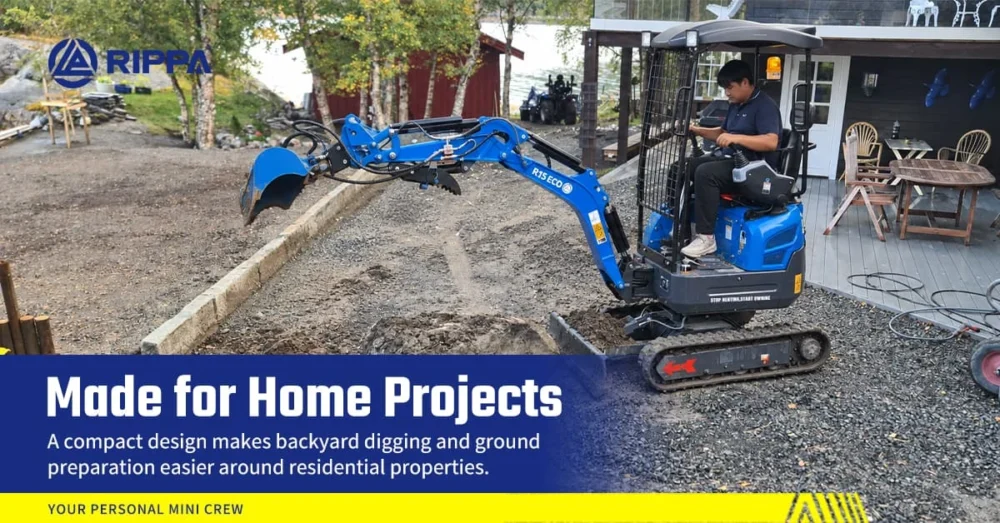
Different projects require specific preparation methods, excavation dimensions, and ground conditions.
Foundation preparation often involves removing vegetation, unsuitable surface material, and excess soil before establishing the required excavation depth.
Mini excavators can assist with excavation and positioning work around smaller foundations. However, foundation dimensions, bearing conditions, compaction, and final elevations must follow the project design.
Drainage preparation includes excavating trenches for pipes, channels, and other drainage components.
Operators should follow the specified trench depth, width, and slope while protecting existing utilities.
Correct drainage alignment helps direct water away from structures and reduce future water accumulation.
Landscaping projects may require removing old soil, shaping garden areas, creating planting beds, and preparing paths.
Mini excavators are useful where access is limited or larger construction equipment cannot operate efficiently.
Appropriate buckets and careful digging techniques help control excavation depth while reducing unnecessary disturbance to surrounding areas.
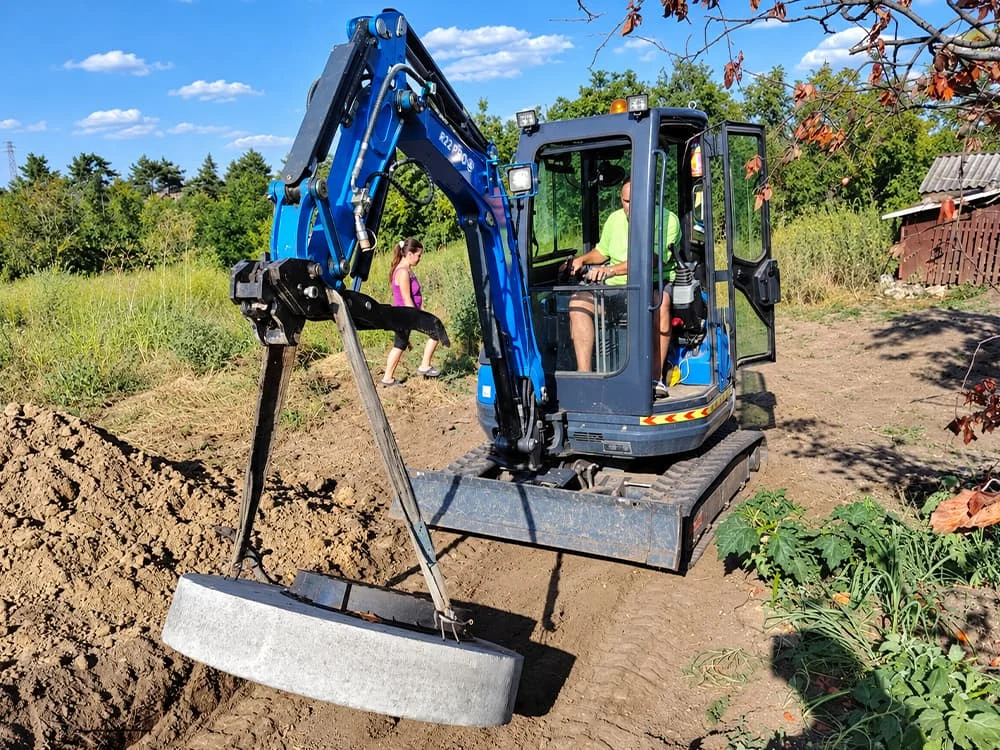
Ground leveling and grading establish the required surface shape before construction or landscaping continues.
Start by identifying uneven areas and checking the required elevations.
Use controlled bucket movements to remove excess material from higher sections. Avoid taking excessively deep cuts that could create uneven surfaces or destabilize the machine.
Move suitable excavated material into lower areas and distribute it gradually.
A grading bucket can assist with smoothing the surface and shaping the ground. Work in manageable sections and check elevations frequently rather than relying only on visual judgment.
Grading should follow the planned drainage direction to prevent unwanted water accumulation.
Use appropriate measuring equipment to verify levels and slopes. Mini excavators can perform rough shaping, while final compaction and precision finishing may require additional equipment.
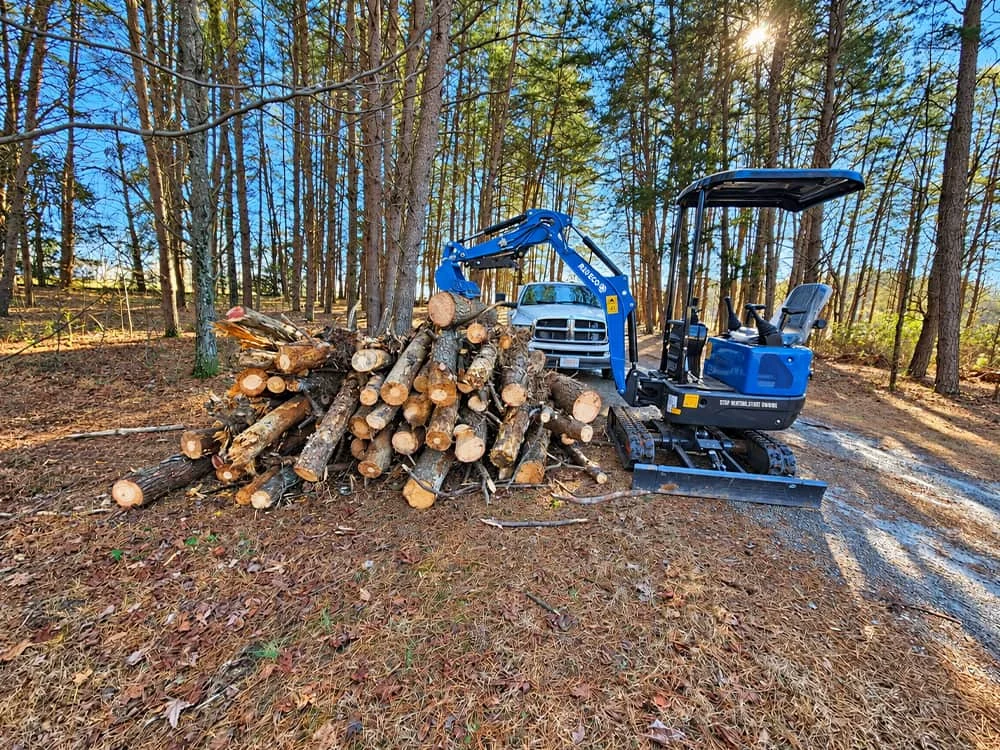
Equipment selection should reflect the site’s working space, soil conditions, excavation requirements, and intended applications.
When comparing a mini excavator for sale, evaluate operating weight, digging depth, machine width, and available working space.
A small excavator for sale may suit narrow gardens, residential properties, and smaller preparation projects.
Buyers comparing compact excavators for sale should consider hydraulic performance, stability, digging capabilities, and transportation requirements.
Different mini excavator accessories and attachments support specific preparation tasks.
Digging buckets handle soil removal, grading buckets assist with surface shaping, and compatible grapples can help handle debris.
Confirm attachment compatibility, operating limits, and hydraulic requirements before selecting equipment.
O mini excavator price should be considered alongside expected workloads, attachment costs, parts availability, and long-term operating expenses.
Regular mini excavator maintenance helps reduce downtime. Operators should inspect working components, clean the undercarriage, and follow the manufacturer’s recommended service intervals.
For dealers and importers seeking a Chinese mini excavator supplier, equipment suitability, technical documentation, replacement parts, and long-term service support are important purchasing considerations.
RIPPA is a construction machinery manufacturer working with international equipment buyers and potential distribution partners.
Interested in supplying miniescavadeiras for site preparation applications in your market? Explore RIPPA distributor opportunities to discuss equipment sourcing and potential dealership cooperation.
Yes. With suitable attachments, miniescavadeiras can clear manageable obstacles, excavate soil, and assist with material removal.
The appropriate size depends on working space, soil conditions, digging depth, and project requirements.
Digging buckets, grading buckets, and compatible grapples are commonly selected according to the preparation task.
Tel: +8615628788742
E-mail: contact02@rippa.com
WhatsApp: Escavadeira Rippa
Endereço: O sexto parque industrial, cidade de Jining, província de Shandong, China

 PT_BR
 EN
 ES
 IT
 FR
 RU
 DE
 PT
 TR
 BG
 HR
 RO
 CS
 NN
 SL
 SV
 HU
 SK
 DA
 FI
 PL

