Selling miniescavadeiras requires more than listing machines online. Dealers need to reach the right buyers, explain product benefits, generate qualified inquiries, and build long-term customer relationships.
The market for mini excavators for sale includes landscaping contractors, construction companies, agricultural businesses, and property maintenance professionals. Each customer group has different equipment requirements and purchasing priorities.
Effective mini excavator dealer marketing combines local promotion, search engine optimization (SEO), paid advertising, social media, and a structured sales process. These strategies help dealers attract potential buyers and turn inquiries into sales opportunities.
Successful mini excavator marketing strategies start with understanding the target market. Instead of promoting the same message to every buyer, dealers should tailor their marketing to specific customer needs.
Identify target customers. Landscaping businesses may prioritize compact dimensions and maneuverability, while construction contractors may focus on digging performance, durability, and attachment compatibility.
Create useful product content. Product pages should include accurate specifications, application examples, photos, videos, and answers to common purchasing questions. Helpful information gives buyers more confidence before contacting a sales representative.
Use multiple marketing channels. Combine search engines, social media, local business listings, industry events, and direct customer outreach to reach potential buyers at different stages of their purchasing journey.
Measure marketing results. Track qualified inquiries, quotation requests, sales conversions, and customer acquisition costs. These metrics help dealers identify which activities generate genuine business opportunities.
A clear marketing plan helps dealers focus their budgets on the channels that best match their target customers.
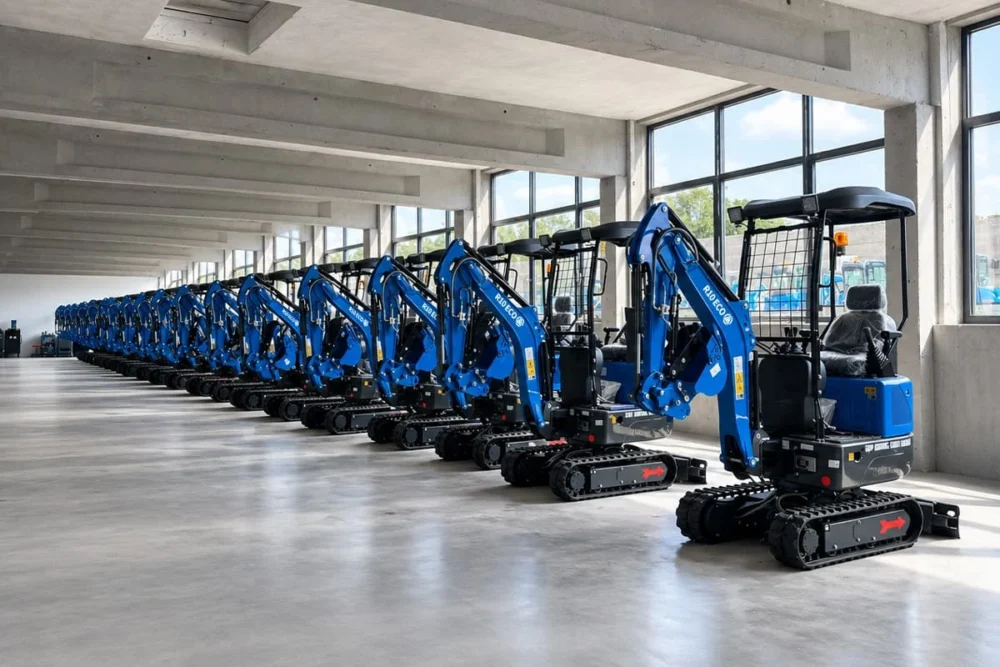
Local marketing helps dealers reach customers who need equipment in specific geographic areas.
Buyers searching for a mini excavator for sale may prefer a nearby dealer who can explain specifications, arrange an equipment inspection, and provide accessible after-sales support.
Dealers can improve local visibility in several ways.
Optimize local business listings. Maintain accurate business information, contact details, service areas, photos, and customer reviews on relevant platforms, including Google Business Profile where eligible.
Create location-specific landing pages. Develop useful pages for the cities or regions you genuinely serve. Include available equipment categories, local applications, delivery information, and clear contact options.
Build customer credibility. Encourage genuine customers to share their experiences. Reviews can help prospective buyers assess the dealership’s communication, product knowledge, and service quality.
Participate in local industry events. Construction exhibitions, contractor meetings, and equipment demonstrations provide opportunities to meet potential buyers directly.
The goal is to attract people with real purchasing needs rather than simply increase website traffic.
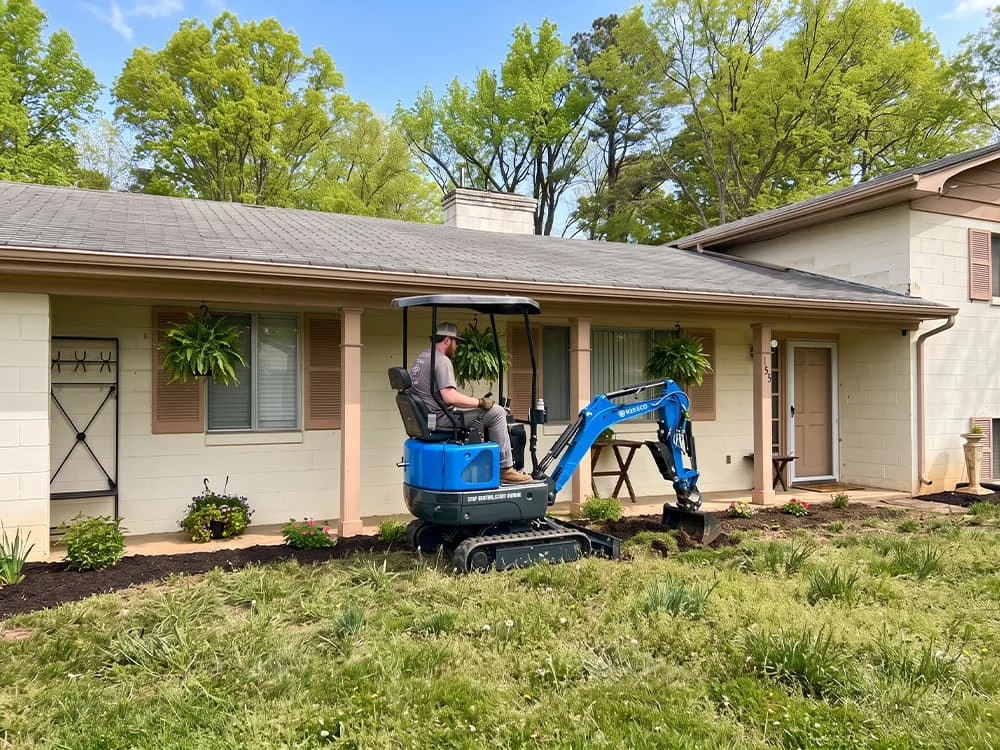
SEO and paid advertising help dealers connect with people actively researching equipment.
As part of a broader construction equipment marketing plan, these channels serve complementary purposes.
Search Engine Optimization
Publish useful content about equipment applications, specifications, attachments, and purchasing considerations. For example, a dealer can create guides explaining how to choose an excavator for landscaping or what to check before buying a compact machine.
Use relevant internal links to guide visitors from informational articles to product pages and inquiry forms.
Paid Search Advertising
Google Ads can reach users searching for equipment in targeted locations. Select relevant keywords, write accurate advertisements, and review search-term reports regularly. Negative keywords can help reduce irrelevant clicks.
Conversion-Focused Landing Pages
Create landing pages that clearly explain available equipment, specifications, and customer benefits. Make it easy for visitors to request information, ask questions, or arrange a demonstration.
Lead Tracking
Measure qualified inquiries, quotation requests, and sales opportunities rather than relying only on clicks or impressions.
Combining SEO with paid advertising helps dealers build long-term organic visibility while reaching buyers who are actively searching for equipment.
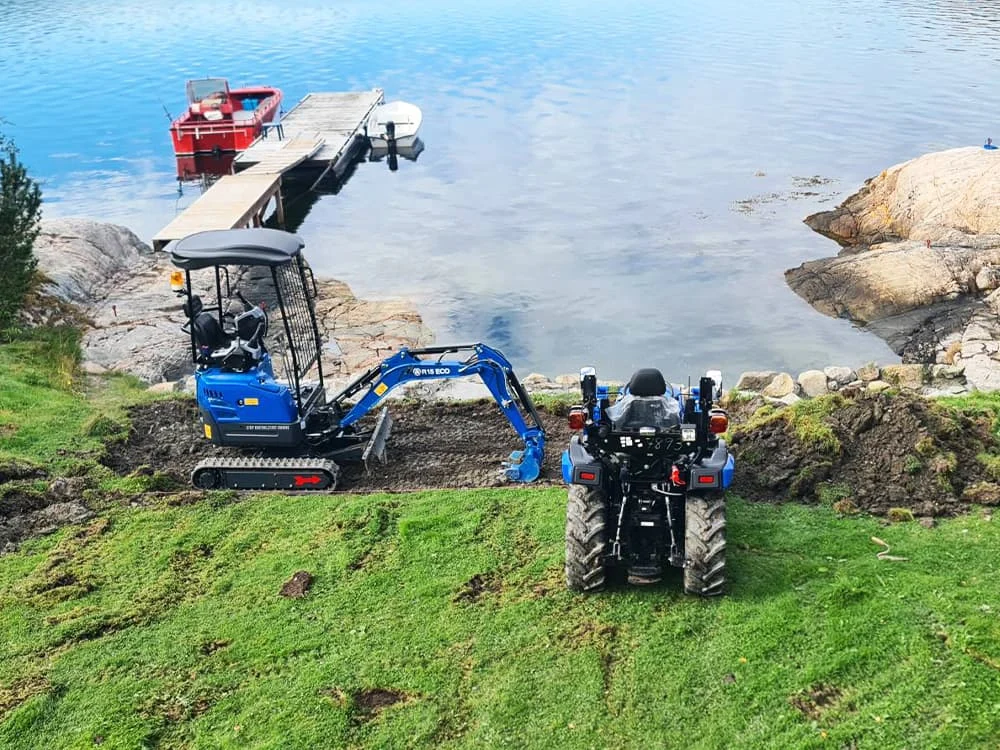
Social media and online listings help buyers discover equipment, compare options, and understand how machines perform in real working environments.
Dealers promoting a small excavator for sale or compact excavators for sale can use several practical methods.
Publish demonstration videos. Show digging, trenching, grading, and landscaping applications. Genuine demonstrations help buyers understand how equipment may fit their work.
Share product walkarounds. Use clear photos and short videos to explain machine dimensions, controls, attachments, and relevant features. Keep specifications accurate and avoid unsupported performance claims.
Choose relevant online marketplaces. List equipment on reputable platforms and industry directories used by your target customers. Keep descriptions, availability, photos, and contact details up to date.
Respond to inquiries promptly. Answer questions, provide requested specifications, and direct serious prospects to a sales representative.
Reconnect with interested visitors. Where appropriate and permitted, remarketing can help reach people who viewed product pages but did not submit an inquiry. Follow applicable privacy requirements and advertising platform policies.
The objective is to make equipment easier to discover and evaluate, then encourage interested buyers to contact the dealership.
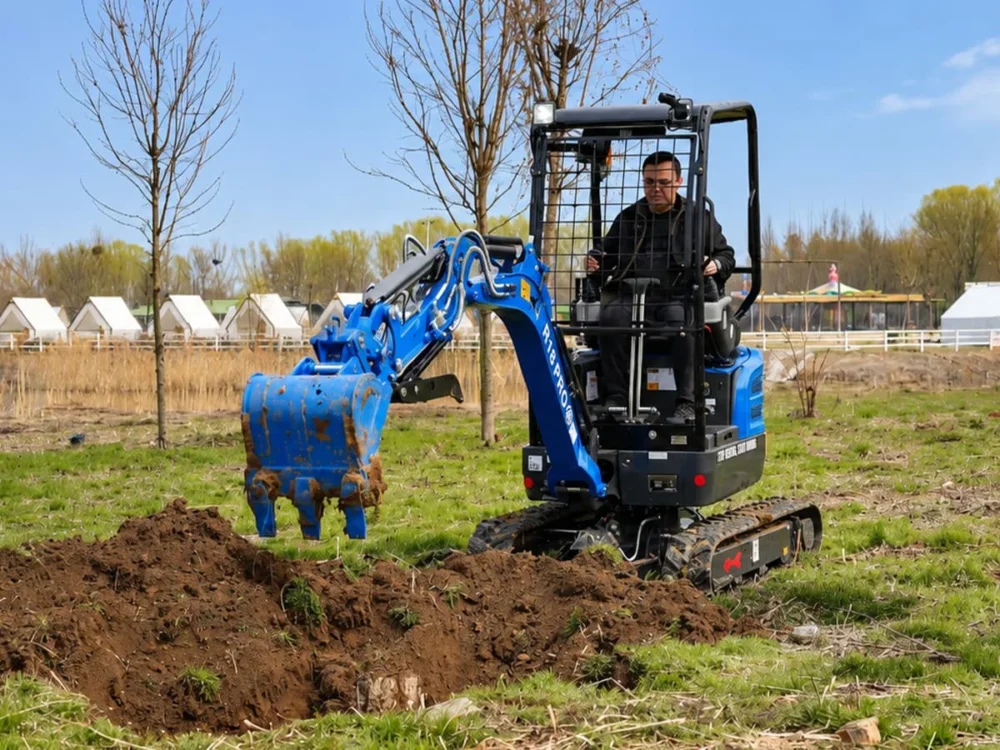
Generating inquiries is only the beginning. Dealers need a consistent process for understanding customer needs, following up, and maintaining relationships after a sale.
Qualify each inquiry. Ask about the intended application, working conditions, equipment requirements, location, and purchasing timeline. This helps the sales team recommend suitable options.
Provide relevant information. Share accurate specifications, attachment compatibility, delivery details, and applicable warranty documentation. Address the customer’s actual questions rather than sending generic messages.
Arrange demonstrations or consultations. When practical, offer equipment demonstrations or detailed consultations so buyers can evaluate whether the machine meets their needs.
Follow up systematically. Record inquiries in a customer relationship management system, assign responsibility, and schedule appropriate follow-ups. Track quotations and identify any unresolved purchasing concerns.
Build after-sales relationships. Provide maintenance information, explain service arrangements, and clarify parts availability. Satisfied customers may return for additional equipment or recommend the dealership to other businesses.
Choosing a reliable manufacturing partner also matters to long-term dealership success. RIPPA is a construction machinery manufacturer serving equipment buyers and distribution partners.
Businesses interested in developing a mini excavator dealership can explore RIPPA distributor opportunities to discuss potential cooperation, target markets, and business requirements.
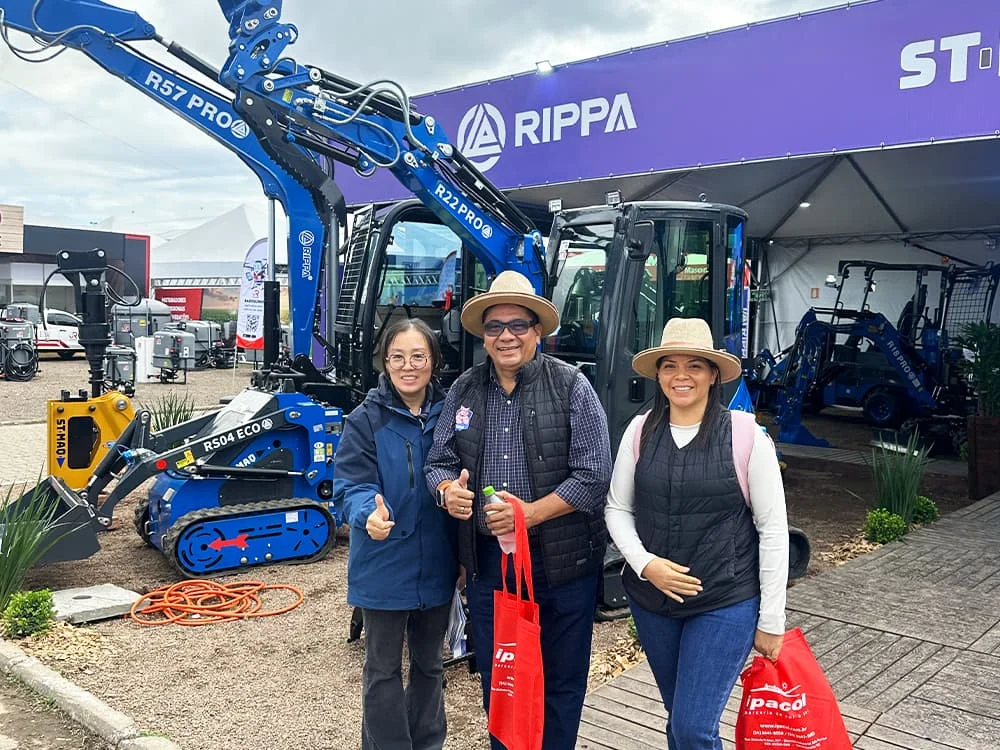
Combine local search visibility, genuine customer reviews, useful product pages, and equipment demonstrations to reach buyers in your service area.
Use relevant SEO keywords, targeted advertising, informative landing pages, and lead tracking to identify genuine purchasing opportunities.
Understand customer needs, respond promptly, follow up on quotations, provide accurate product information, and maintain reliable after-sales support.
Tel: +8615628788742
E-mail: contact02@rippa.com
WhatsApp: Escavadeira Rippa
Endereço: O sexto parque industrial, cidade de Jining, província de Shandong, China

 PT_BR
 EN
 ES
 IT
 FR
 RU
 DE
 PT
 TR
 BG
 HR
 RO
 CS
 NN
 SL
 SV
 HU
 SK
 DA
 FI
 PL

