Effective sales territory planning helps construction equipment dealers identify market opportunities, reach potential customers, and manage business resources efficiently. Without a clear territory strategy, dealers may spend too much time in low-demand areas while overlooking promising markets.
For businesses exploring mini excavators for sale, territory planning should consider local construction activity, customer distribution, competition, transportation, and service capabilities.
A practical plan involves identifying high-potential markets, mapping customers, dividing sales territories, allocating resources, and measuring regional performance. These steps help dealers develop a structured approach to expanding their equipment distribution businesses.
The first step in territory planning is identifying areas with sufficient demand for compact construction machinery.
Evaluate Local Construction Activity
Review residential construction, infrastructure development, landscaping projects, and agricultural activities. These sectors can indicate potential demand for mini excavators.
Areas with active construction projects may offer more opportunities for equipment sales, although actual purchasing demand should be verified.
Identify Potential Buyers
Target customers may include construction contractors, landscaping companies, agricultural businesses, and equipment dealers.
Customers searching for a small excavator for sale may have different purchasing priorities depending on their working environments and business needs.
Research Regional Market Conditions
Study local economic activity, machinery ownership patterns, equipment availability, and business development trends.
For companies promoting mini excavators for sale, combining customer inquiries with regional industry information provides a stronger basis for market selection.
Create a Market Priority List
Record potential markets, estimated customer demand, competition levels, and accessibility. Rank each area according to its business potential rather than geographic size alone.
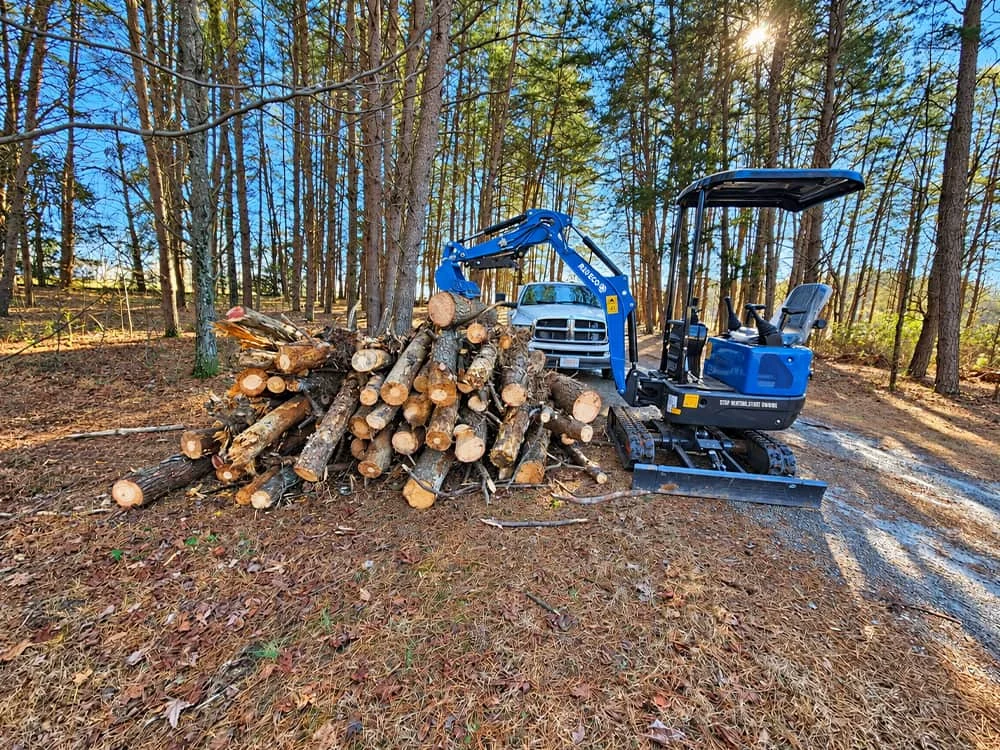
After identifying promising markets, dealers should understand where potential buyers and competing equipment businesses are located.
Map Customer Locations
Organize existing customers and prospects by city, region, or postal code.
Identify areas with concentrations of construction contractors, landscaping companies, and agricultural equipment users.
A customer searching for a mini excavator for sale may prefer suppliers that offer convenient delivery and responsive local support.
Identify Competitor Coverage
Research nearby construction equipment dealers, their product categories, showroom locations, and service capabilities.
Competitor analysis helps identify underserved markets and areas where additional sales resources may be needed.
Compare Customer Density and Competition
A region with many potential customers may also have strong competition. Another area may have fewer prospects but limited existing equipment supply.
Dealers should evaluate both demand and competitive conditions before selecting priority markets.
Build a Territory Map
Use a spreadsheet or mapping tool to organize customer locations, competitors, travel distances, and potential sales opportunities.
Update the information regularly as new customer inquiries and market data become available.
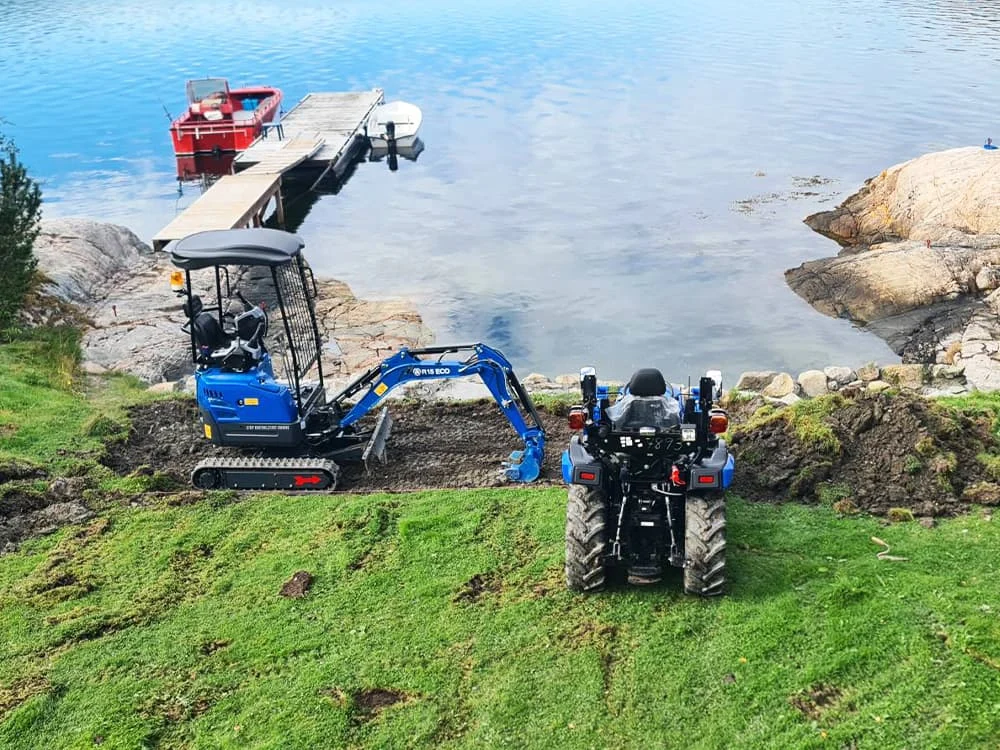
Once customer demand and competition are understood, dealers can divide markets into manageable sales territories.
Step 1: Define Geographic Boundaries
Begin with practical boundaries such as states, provinces, cities, or groups of nearby commercial areas.
Avoid creating territories that are too large for available sales and service resources.
Step 2: Estimate Territory Potential
Compare the number of target businesses, purchasing opportunities, competitor presence, and expected market development.
For dealers offering compact excavators for sale, product demand may vary between urban construction areas, agricultural regions, and landscaping markets.
Step 3: Evaluate Accessibility
Consider travel distances, transportation connections, delivery arrangements, and customer service accessibility.
A promising market may become less attractive if operating and delivery costs are unusually high.
Step 4: Assign Development Priorities
Divide territories into three practical categories:
Step 5: Assign Territory Responsibilities
Designate sales representatives or teams for each priority territory.
Define customer development activities, contact schedules, and expected sales results. Review geographic boundaries as the business develops.
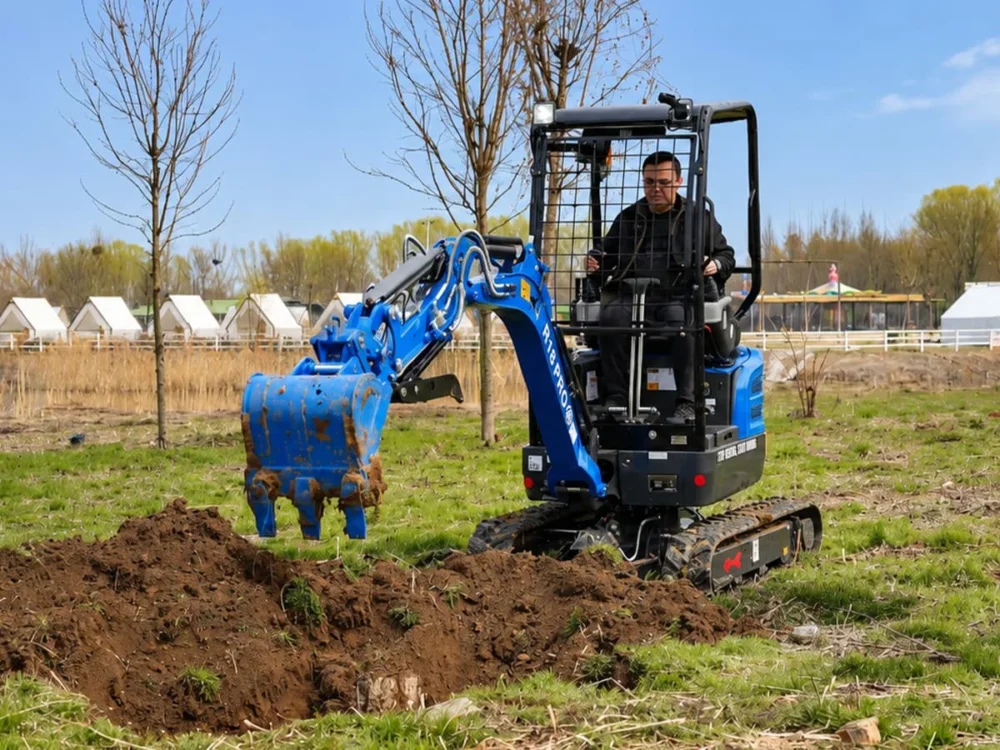
Territory planning must account for the resources required to support customers after initial contact.
Allocate Sales Personnel
Assign sales representatives according to customer concentration, territory potential, and travel requirements.
High-demand territories may require more frequent customer visits and equipment demonstrations.
Plan Equipment Availability
Coordinate equipment inventory and delivery arrangements with expected demand in each territory.
Dealers should avoid placing excessive inventory in areas without sufficient purchasing activity.
Organize Spare Parts Supply
Reliable access to mini excavator parts helps dealers respond to service requests and support customer operations.
Parts availability can be managed through local stock, centralized distribution, or supplier ordering arrangements.
Arrange Maintenance Coverage
Regional mini excavator maintenance support may involve qualified technicians, service partners, and clear customer response procedures.
Dealers should consider travel distances and available technical resources when establishing service coverage.
Balance Sales and Service Capacity
Expanding sales coverage without adequate support may weaken customer satisfaction.
A sustainable territory plan should connect customer acquisition, equipment delivery, parts availability, and after-sales responsibilities.
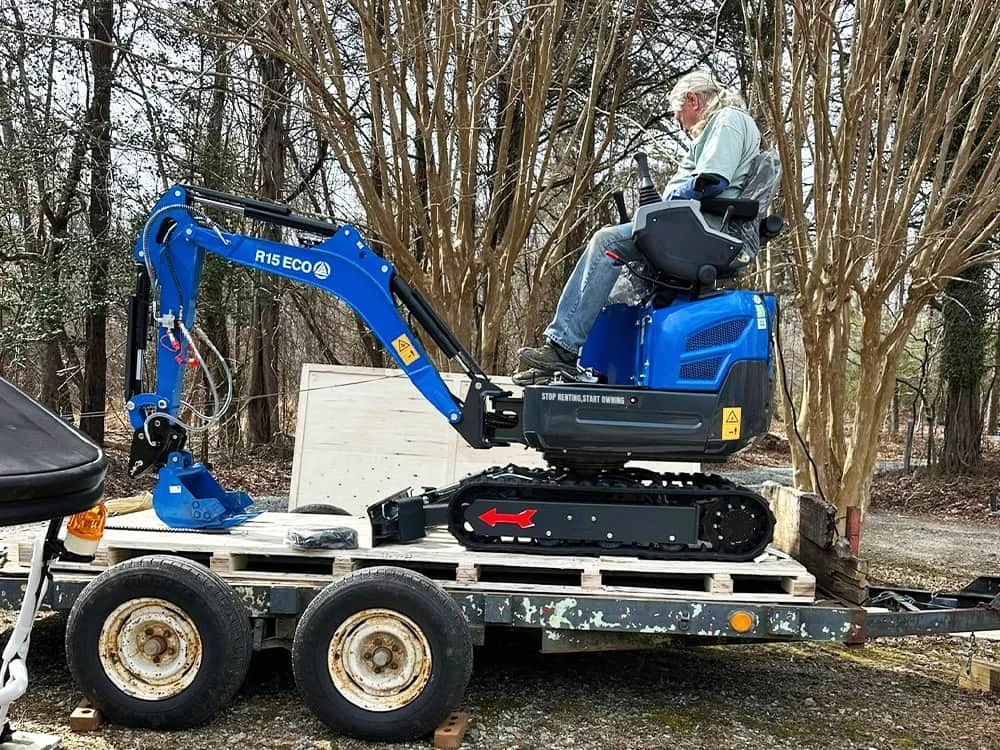
Territory planning becomes more effective when dealers establish measurable regional objectives.
Set Territory Sales Targets
Define monthly or quarterly goals for qualified inquiries, customer visits, quotations, and completed equipment sales.
Targets should reflect regional demand, available resources, and previous performance where reliable data exists.
Monitor Key Performance Indicators
Useful territory indicators include:
Compare Territory Results
Review actual performance against planned targets.
If a region generates many inquiries but few sales, investigate customer requirements, response times, and competitive conditions before increasing investment.
Adjust Territory Plans
Review customer distribution, staffing, inventory, and service coverage regularly.
Successful territories may justify additional resources, while weaker markets may require a different development approach.
Discuss Regional Cooperation
Dealers working with a Chinese mini excavator supplier should communicate their target markets, expected demand, and territory development plans.
RIPPA is a construction machinery manufacturer serving international equipment buyers and potential distribution partners. Businesses interested in expanding their markets for mini excavators for sale can explore RIPPA distributor opportunities to discuss regional development plans, equipment distribution, and potential cooperation.
Evaluate local demand, customer concentration, competition, transportation, and service capabilities. Prioritize areas with realistic sales potential.
It depends on the dealership agreement and applicable laws. Dealers should confirm geographic sales rights with their manufacturing partners.
Expansion is worth considering when existing territories perform consistently and the business has sufficient sales, inventory, and service resources.
Tel: +8615628788742
E-mail: contact02@rippa.com
WhatsApp: Koparka Rippa
Adres: Szósty park przemysłowy, miasto Jining, prowincja Shandong, Chiny

 PL
 EN
 ES
 IT
 FR
 RU
 DE
 PT
 TR
 BG
 HR
 RO
 CS
 NN
 SL
 SV
 HU
 SK
 DA
 FI
 PT_BR

