For businesses offering mini excavators for sale, equipment demonstrations help potential buyers understand machine capabilities and evaluate whether equipment meets their working requirements. Instead of relying only on product descriptions and photographs, dealers can demonstrate actual operations and answer customer questions directly.
A professional demonstration requires suitable equipment, proper preparation, safe operating conditions, and an effective sales follow-up process. The following guide explains five practical steps for organizing demonstrations and turning buyer interest into purchasing opportunities.
A successful demonstration begins with understanding customer requirements and preparing an appropriate presentation plan.
Identify Buyer Needs
Ask customers about their intended applications, working environments, and equipment preferences. Construction contractors may prioritize digging performance, while landscaping businesses may focus on maneuverability and restricted-space operation.
Select Suitable Equipment
Choose equipment that matches the customer’s requirements. Dealers offering mini excavators for sale should prepare relevant equipment categories and confirm that the selected machine can demonstrate the functions buyers want to evaluate.
Prepare the Demonstration Site
Select an accessible area with stable ground, sufficient operating space, and suitable equipment transportation access. Separate visitor areas from machine operating zones.
Arrange Staff and Materials
Assign trained operators and sales representatives. Prepare product information, operating documents, and a demonstration checklist. Confirm the appointment, participants, and schedule with buyers in advance.
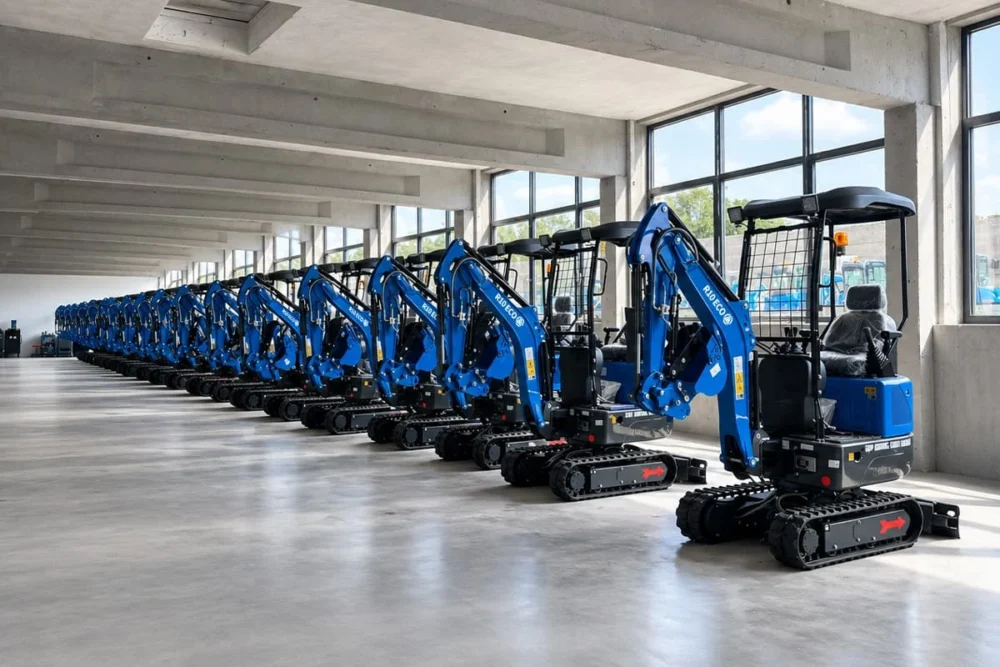
Proper equipment preparation helps prevent interruptions and ensures demonstrations can take place under appropriate safety conditions.
Inspect Equipment Condition
Check the machine exterior, tracks, undercarriage, attachments, and visible components. Look for damage, loose connections, fluid leaks, or other conditions requiring attention.
Check Operating Systems
Following manufacturer instructions, inspect relevant hydraulic components, fluid levels, hoses, engine condition, and control functions.
Complete necessary mini excavator maintenance before the scheduled demonstration and confirm that the equipment is ready for the planned activities.
Verify Safety Features
Check warning devices, emergency procedures, operator access, and applicable safety controls. Confirm that the ground conditions and demonstration area are suitable.
Prepare a Checklist
Record inspection results and resolve identified problems before operation. Only trained and authorized operators should conduct demonstrations.
If customers are invited to operate the machine, confirm that site conditions, applicable requirements, and supervision arrangements permit it.
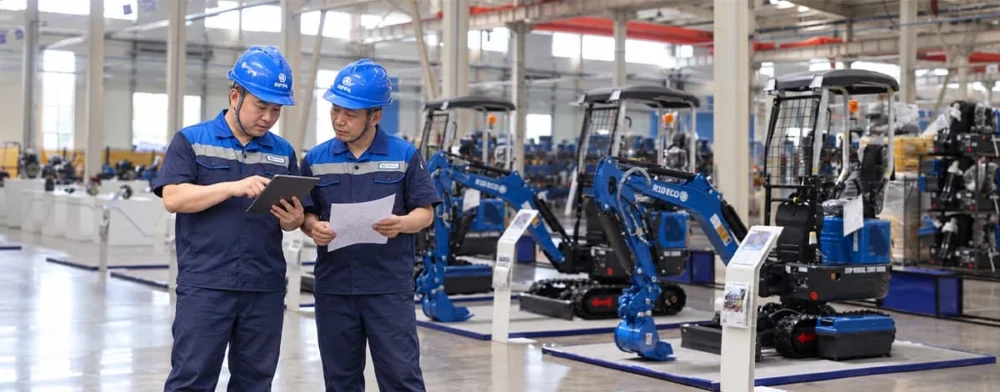
A structured demonstration helps buyers understand equipment functions and evaluate practical applications. Dealers should follow a logical sequence instead of showing unrelated functions.
Step 1: Introduce the Equipment
Explain the machine’s main components, intended applications, operating features, and available documentation. For customers researching a small excavator for sale, highlight features relevant to their working requirements.
Step 2: Demonstrate Starting and Controls
Show the correct starting procedure and explain the main operator controls before moving the machine.
Step 3: Demonstrate Travel and Steering
Show how the equipment moves and changes direction under suitable site conditions. Explain the space required for operation and allow buyers to observe maneuverability.
Step 4: Demonstrate Digging Operations
Perform a controlled digging task using suitable ground conditions. Explain the working sequence and show how the equipment handles the selected application.
Step 5: Demonstrate Swing and Material Handling
Where applicable, demonstrate swing operations and material handling. Dealers offering compact excavators for sale should explain relevant capabilities using verified equipment information.
Step 6: Introduce Compatible Attachments
Show available compatible attachments and explain their intended applications. Confirm compatibility before making recommendations.
Step 7: Explain Maintenance and Daily Use
Briefly introduce routine inspection points, maintenance responsibilities, and relevant operating precautions. This helps buyers understand equipment ownership as well as machine operation.
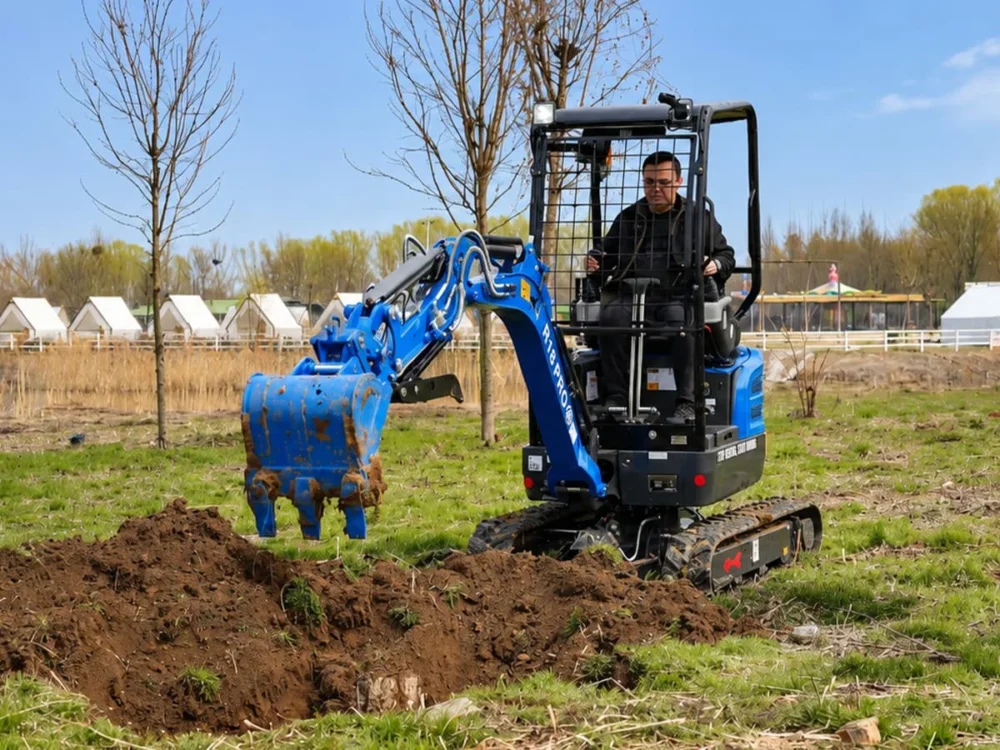
A demonstration becomes more valuable when it reflects the customer’s actual business needs. Dealers should adapt the presentation rather than using the same demonstration for every visitor.
Construction Contractors
Focus on digging operations, machine movement, working efficiency, and suitability for planned construction tasks.
Landscaping Businesses
Demonstrate maneuverability, controlled operation, and working in appropriate restricted spaces.
Agricultural Customers
Use relevant examples involving soil work, property maintenance, and agricultural applications.
Equipment Dealers and Importers
Focus on equipment categories, product documentation, purchasing arrangements, and potential market applications.
Encourage Buyer Participation
Invite customers to observe important operations, ask questions, and explain their requirements. Where permitted, qualified personnel may supervise customer operation under appropriate safety conditions.
Match Demonstrations to Purchasing Needs
Ask which features matter most and whether the equipment meets customer expectations. Record remaining concerns so sales representatives can provide relevant information after the demonstration.
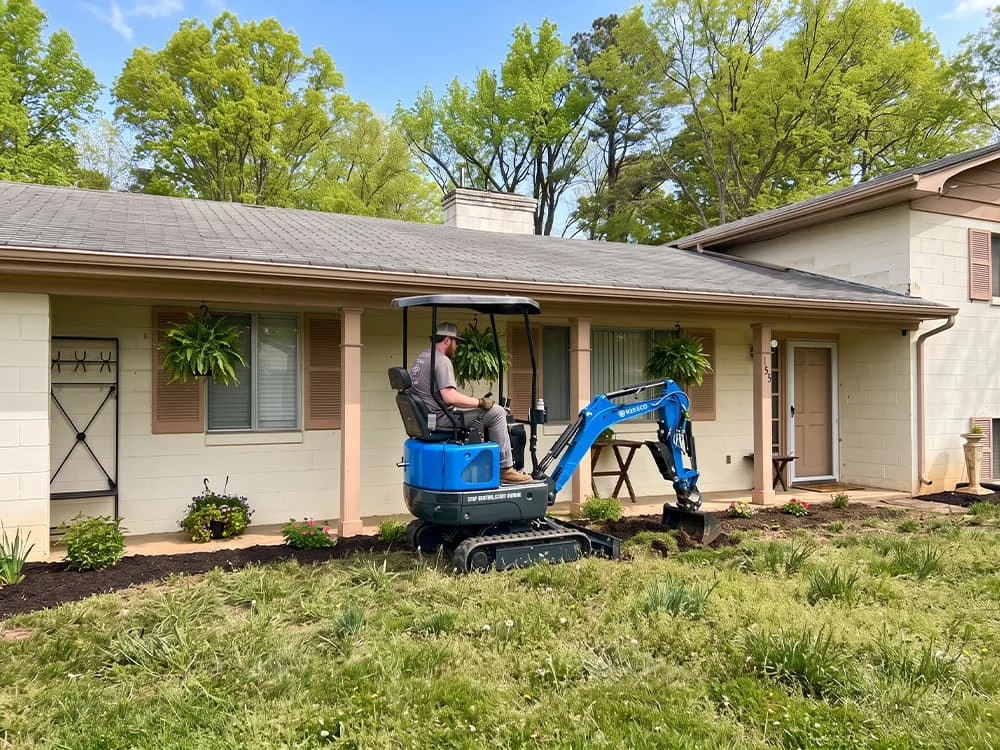
The sales process should continue after the demonstration ends. A structured follow-up process helps dealers turn customer interest into actual purchasing opportunities.
Collect Customer Feedback
Ask buyers which features they found useful, whether the equipment met their expectations, and what concerns remain unresolved. Record feedback about equipment suitability and purchasing priorities.
Prepare Relevant Quotations
When customers are ready to discuss purchasing, provide clear quotations covering equipment details, delivery arrangements, and purchasing terms.
When discussing mini excavator price, explain the factors affecting the quotation and answer cost-related questions accurately.
Address Remaining Questions
Customers may need additional information about equipment availability, maintenance, documentation, delivery, or after-sales support. Confirm information with the manufacturer when necessary.
Record Customer Information
Enter demonstration results, customer requirements, purchasing intentions, and follow-up dates into the CRM system. Identify customers with immediate purchasing plans and those requiring further communication.
Explore Manufacturer Cooperation
A reliable Chinese mini excavator supplier can help dealers coordinate equipment supply and develop local sales opportunities.
RIPPA is a construction machinery manufacturer serving international equipment buyers and potential distribution partners. Businesses interested in becoming RIPPA dealers can explore RIPPA distributor opportunities to discuss equipment distribution, product demonstrations, and potential dealership cooperation.
Allow sufficient time for equipment introduction, practical operation, and buyer questions. The duration depends on customer requirements and site conditions.
Inspect equipment condition, hydraulic systems, controls, safety features, attachments, and demonstration site conditions.
Only when permitted by applicable requirements and site rules, with appropriate supervision from an authorized operator.
Tel: +8615628788742
E-mail: contact02@rippa.com
WhatsApp: Rippa kotrógép
Cím: Jining város, Shandong tartomány, Kína

 HU
 EN
 ES
 IT
 FR
 RU
 DE
 PT
 TR
 BG
 HR
 RO
 CS
 NN
 SL
 SV
 SK
 DA
 FI
 PL
 PT_BR

