Starting a mini excavator dealership requires more than purchasing equipment and finding customers. A practical business plan helps dealers understand market demand, select suitable products, manage financial resources, and establish reliable customer support.
For businesses exploring mini excavators for sale, a clear dealership plan can reduce operational risks and support long-term development.
A successful plan should cover five essential areas: market research, dealership strategy, sales development, financial planning, and after-sales service. Each section should include realistic objectives and measurable actions.
Market research is the foundation of a dealership business plan. Dealers should understand local equipment demand before investing in inventory.
Identify Target Customers
Potential buyers include construction contractors, landscaping businesses, agricultural companies, and other commercial equipment users.
Customers searching for a small excavator for sale may have different equipment requirements depending on their working environments and business activities.
Research Local Competition
Identify existing machinery dealers, their product categories, service capabilities, and delivery arrangements.
Understanding competitors helps dealers identify opportunities to differentiate their businesses.
Evaluate Market Demand
Use local construction activity, customer inquiries, industry contacts, and historical sales information to estimate demand.
For businesses promoting mini excavators for sale, market research should connect customer needs with realistic sales opportunities.
Create a Market Analysis Plan
Document target customer groups, market opportunities, competitive conditions, and estimated demand. These findings should guide future inventory and sales decisions.
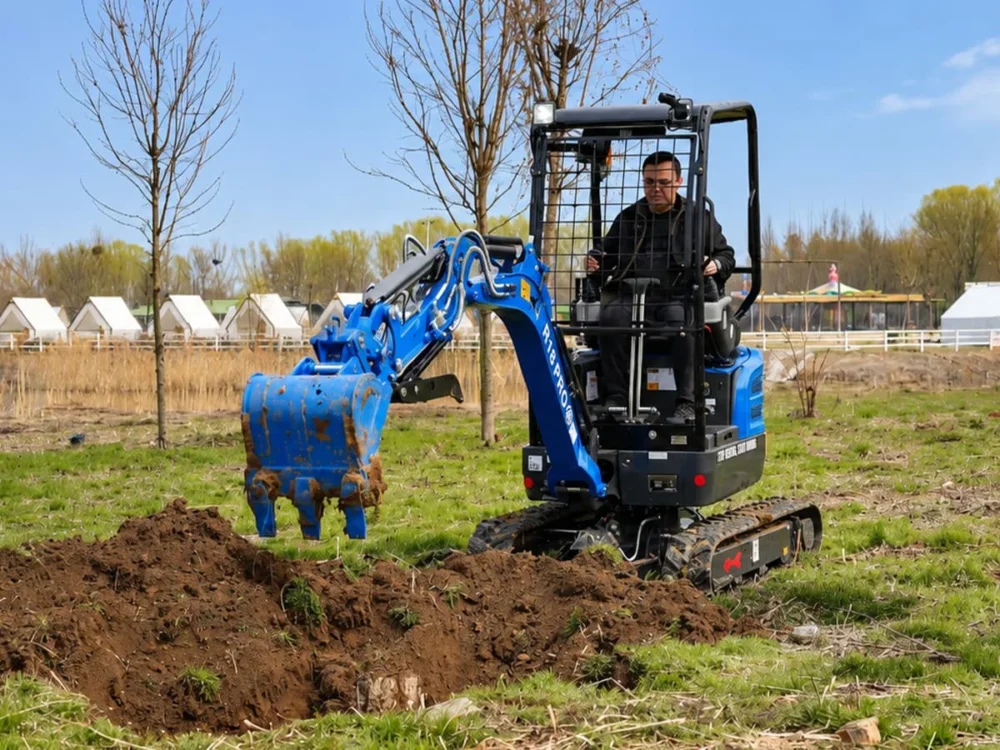
A dealership business plan should clearly explain how the company intends to operate and which equipment categories it will distribute.
Choose a Dealership Model
Businesses may consider exclusive or non-exclusive distribution arrangements, depending on manufacturer policies and negotiated agreements.
Each model can involve different territorial rights, purchasing commitments, and commercial responsibilities.
Determine Product Positioning
Dealers should select equipment categories based on local customer applications and market demand.
Companies offering compact excavators for sale should consider how their product range matches construction, landscaping, and agricultural requirements.
Evaluate Manufacturing Partners
Choosing a reliable Chinese mini excavator supplier requires reviewing communication processes, available product information, supply arrangements, and potential service responsibilities.
Prepare a Product Strategy
Define target equipment categories, expected customer groups, purchasing priorities, and supplier cooperation plans.
The strategy should remain flexible enough to respond to changing market conditions.
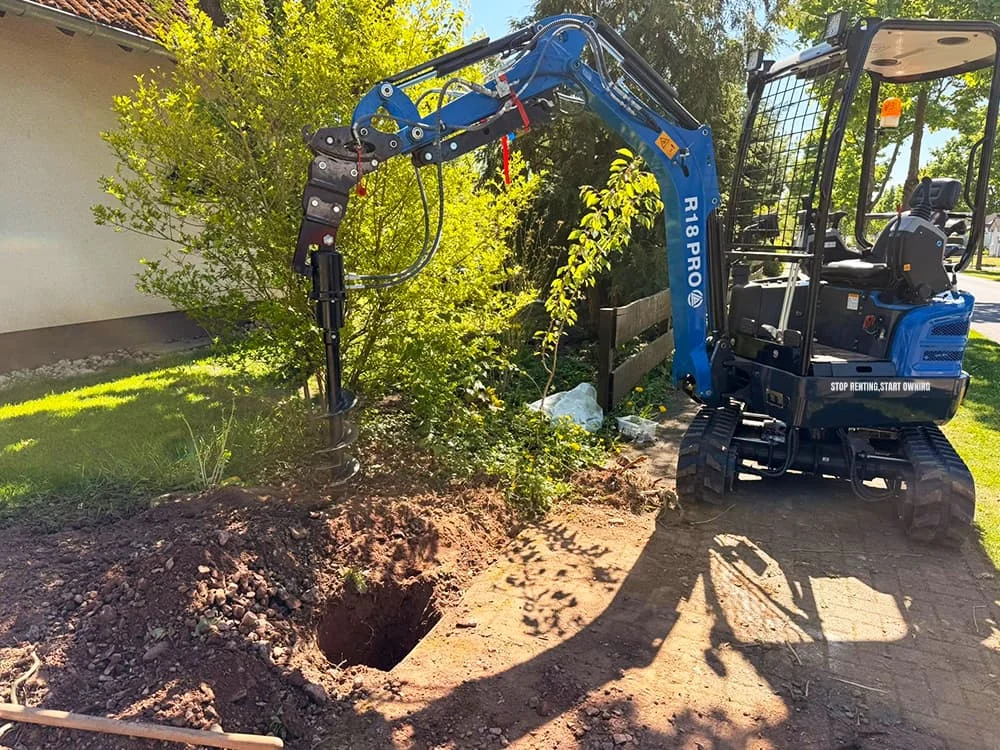
A practical sales plan explains how a dealership will attract customers, manage inquiries, and achieve business targets.
Select Customer Acquisition Channels
Dealers can reach potential customers through search engines, business websites, industry exhibitions, local partnerships, and direct sales activities.
A customer searching for a mini excavator for sale may compare delivery availability, equipment suitability, and customer support before making a purchase.
Set Measurable Sales Goals
Create monthly or quarterly targets for qualified inquiries, customer visits, quotations, and completed orders.
Sales goals should reflect local demand and the dealership’s operating capacity.
Plan Marketing Activities
Allocate resources to website content, equipment demonstrations, customer communication, and promotional campaigns.
Rather than relying only on advertising traffic, focus on attracting customers with genuine purchasing intentions.
Build a Sales Follow-Up Process
Record customer requirements, purchasing timelines, quotation details, and follow-up actions.
Include responsibility assignments and regular performance reviews in the business plan.
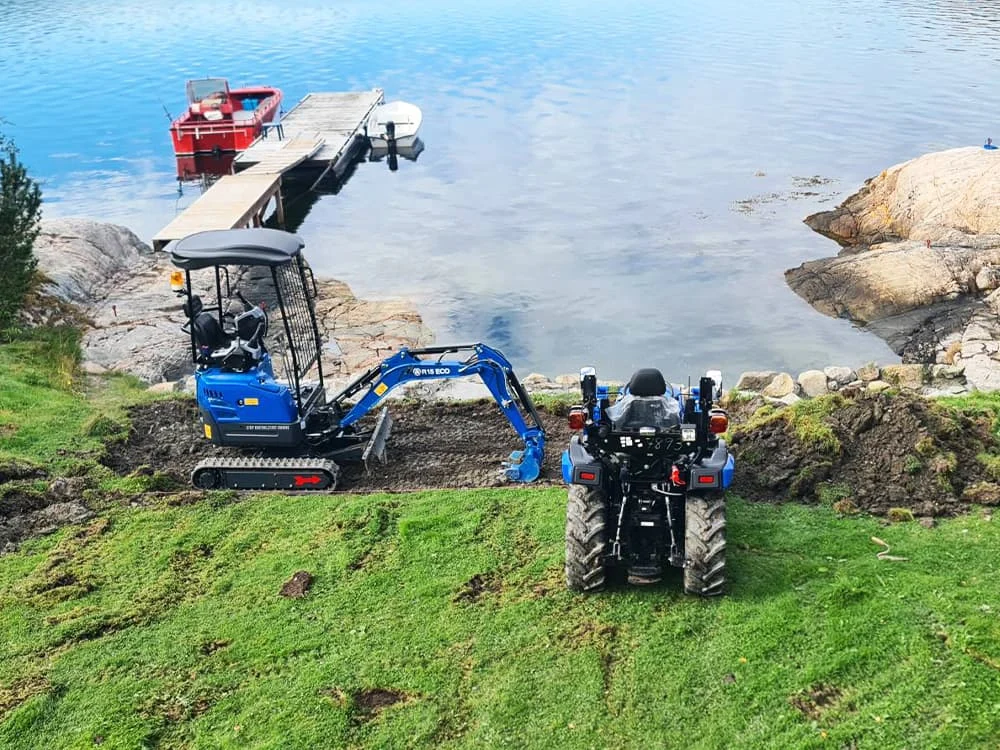
Financial planning determines whether a dealership can operate sustainably during its early development stages.
Estimate Startup Expenses
Typical cost categories include business registration, facilities, equipment purchases, transportation, marketing, staffing, and operating expenses.
Dealers should use supplier quotations and local cost estimates rather than relying on general assumptions.
Plan Equipment Inventory
Inventory decisions should reflect expected customer demand, available capital, and delivery schedules.
Businesses selling mini excavators for sale should avoid building inventory without evidence of sufficient market demand.
Prepare a Cash Flow Forecast
Estimate monthly cash inflows from equipment sales and expected outflows for purchases, operating expenses, and other commitments.
Consider possible delays between equipment purchases and customer payments.
Monitor Financial Performance
Track inventory turnover, operating expenses, sales revenue, and available working capital.
Review forecasts regularly and adjust purchasing plans when demand changes.
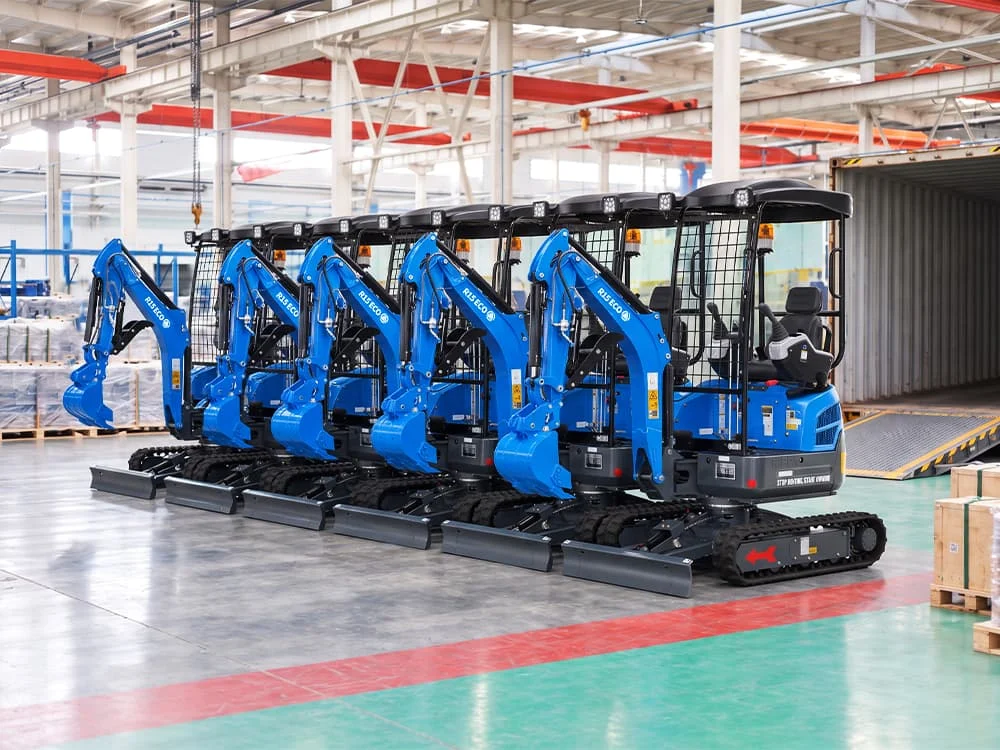
A complete dealership business plan should include after-sales support and measurable operating objectives.
Plan Spare Parts Support
Dealers need a clear process for identifying, ordering, and supplying mini excavator parts.
Inventory decisions should consider commonly requested components, supplier availability, and customer service expectations.
Establish Maintenance Support
A mini excavator maintenance plan should address routine servicing guidance, technical assistance, and customer communication.
Dealers should clarify service responsibilities with their manufacturing partners.
Define Customer Service Procedures
Create procedures for receiving service requests, recording customer concerns, coordinating technical support, and following up on unresolved issues.
Measure Dealership Performance
Track qualified leads, completed sales, inventory turnover, customer satisfaction, and service response times.
Compare actual results with the business plan monthly or quarterly to identify areas for improvement.
Explore Manufacturer Cooperation
A practical business plan connects customer demand, equipment supply, financial resources, and after-sales support.
RIPPA is a construction machinery manufacturer serving international equipment buyers and potential distributors. Businesses interested in expanding their equipment dealership operations can explore RIPPA distributor opportunities to discuss target markets, distribution plans, and potential cooperation.
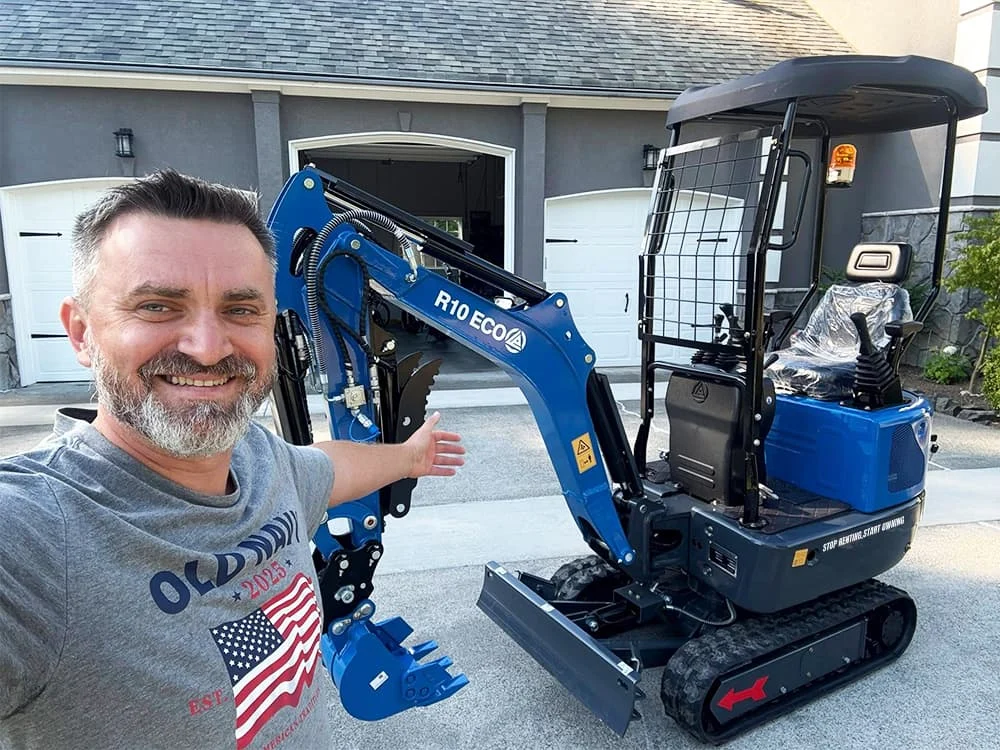
It should cover market research, product strategy, sales targets, startup costs, inventory planning, cash flow, and after-sales support.
Capital requirements vary by inventory size, facilities, staffing, and supplier terms. Dealers should prepare a budget based on actual quotations and local operating costs.
Review sales and cash flow monthly, with broader business plan updates every quarter or whenever market conditions change.
Tel: +8615628788742
E-mail: contact02@rippa.com
WhatsApp: Rippa kotrógép
Cím: Jining város, Shandong tartomány, Kína

 HU
 EN
 ES
 IT
 FR
 RU
 DE
 PT
 TR
 BG
 HR
 RO
 CS
 NN
 SL
 SV
 SK
 DA
 FI
 PL
 PT_BR

