When searching for an excavator for sale, buyers often look for equipment that can handle different jobs without the size of a full-scale excavator. A compact excavator offers digging capability in a smaller package, making it suitable for residential, commercial, agricultural, and utility work.
Compact excavators are commonly used for trenching, landscaping, drainage, foundation preparation, material handling, and property maintenance. Their smaller footprint also makes them easier to operate in areas where larger construction equipment may have limited access.
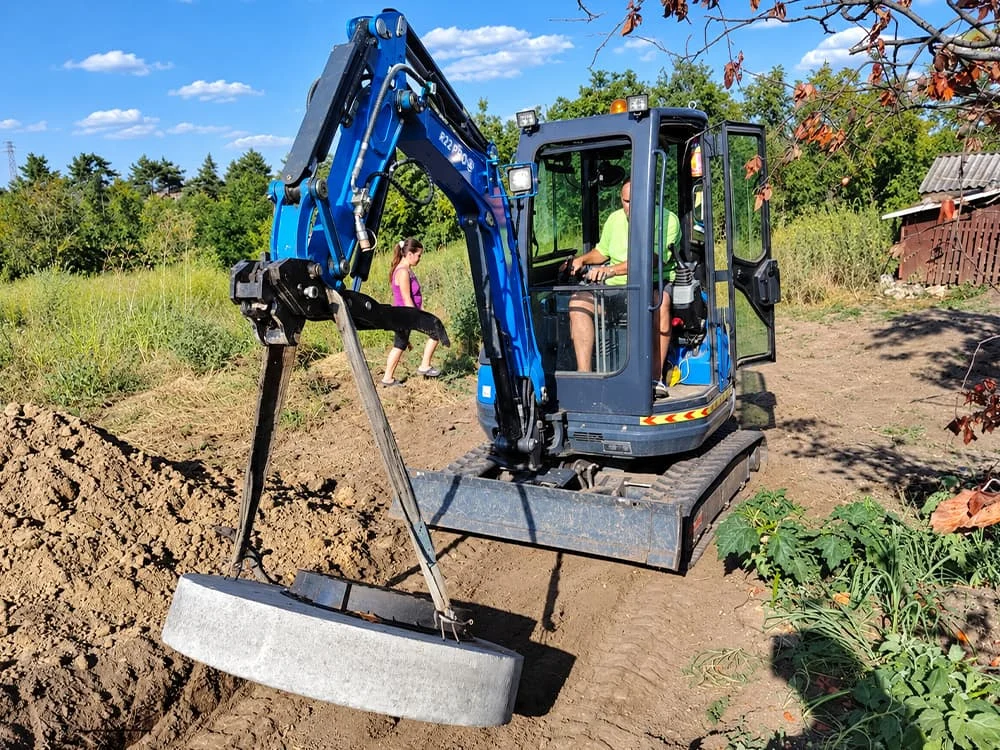
A small excavator can perform many common excavation tasks. Contractors use compact machines for digging trenches, removing soil, preparing foundations, backfilling, and creating drainage channels.
They can also support general site preparation and material handling when equipped with the right attachment. This makes a compact excavator useful for contractors who work on different types of projects throughout the year.
For smaller jobs, using a compact machine can also reduce the need for manual digging and help operators complete repetitive work more efficiently.
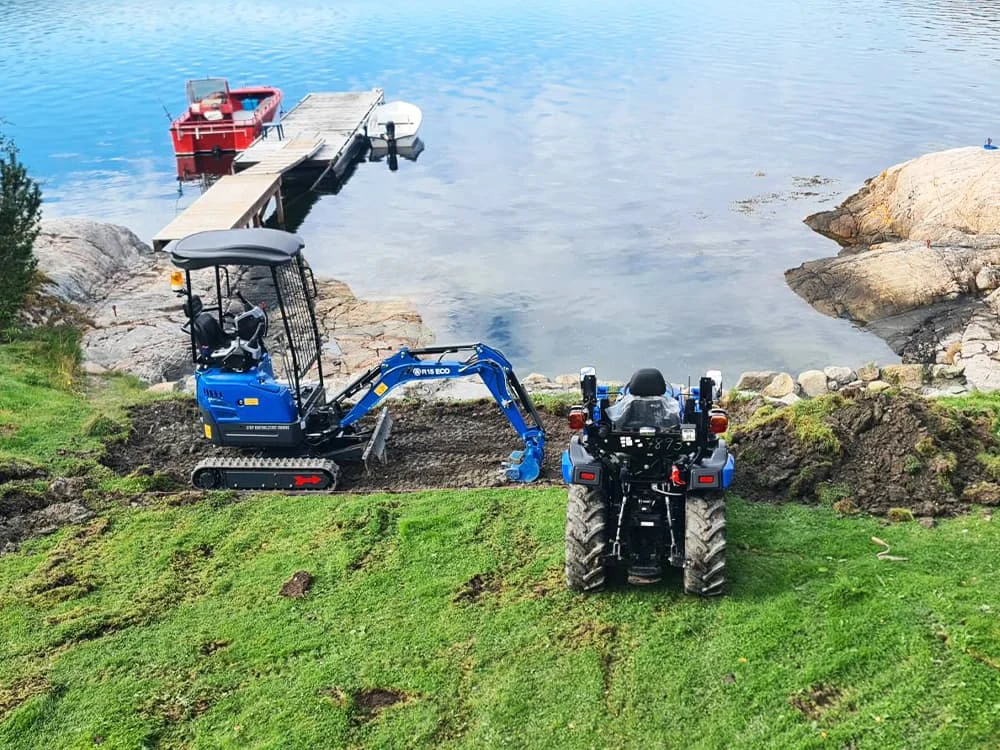
Residential construction often has limited working space. Houses, garages, fences, driveways, landscaping, and other structures can make it difficult to position a large excavator.
An excavator small enough for restricted areas can work around these obstacles more easily. Common residential applications include foundation work, trenching, drainage installation, landscaping, and backyard construction.
Compact size is especially useful when access through gates or narrow paths is required. Contractors can use the machine in areas where larger equipment may not be practical.
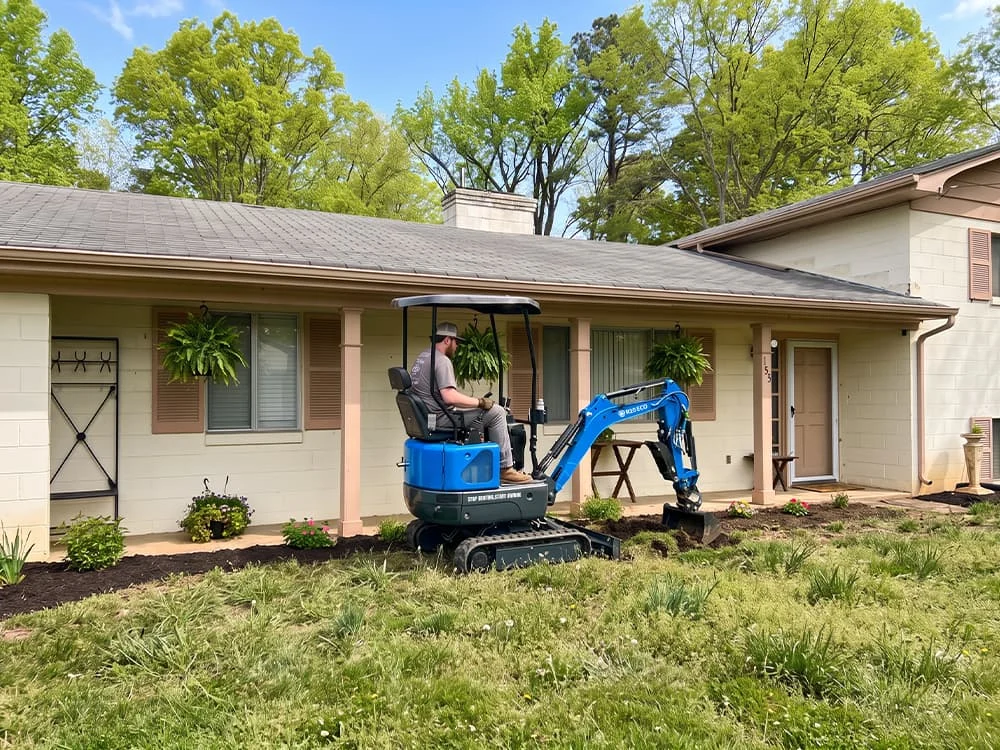
Landscaping is one of the most common applications for a mini digger machine. Landscaping contractors may use compact excavators to remove soil, prepare planting areas, create drainage channels, and reshape sections of a property.
They can also assist with installing landscape features and removing unwanted materials. Compared with manual digging, a compact excavator can help reduce labor requirements on larger landscaping projects.
Attachments can further expand its capabilities. Depending on the job, contractors may use buckets, augers, breakers, or grapples for different tasks.
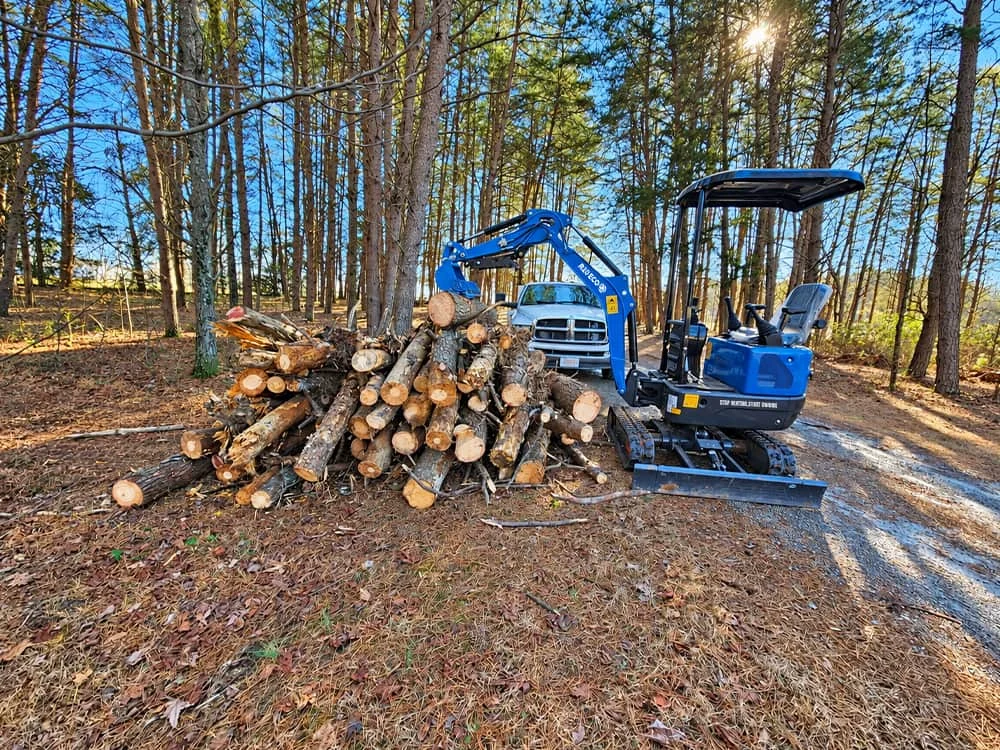
Yes. Compact excavators are well suited to many utility projects because underground installation often requires narrow and controlled excavation.
Contractors may use them for water lines, drainage pipes, electrical conduits, communication cables, and other underground infrastructure. The machine can create trenches while working in relatively restricted areas.
For utility contractors, access is an important factor. A compact excavator can often operate close to buildings, roads, sidewalks, and existing infrastructure where larger equipment may be difficult to position.
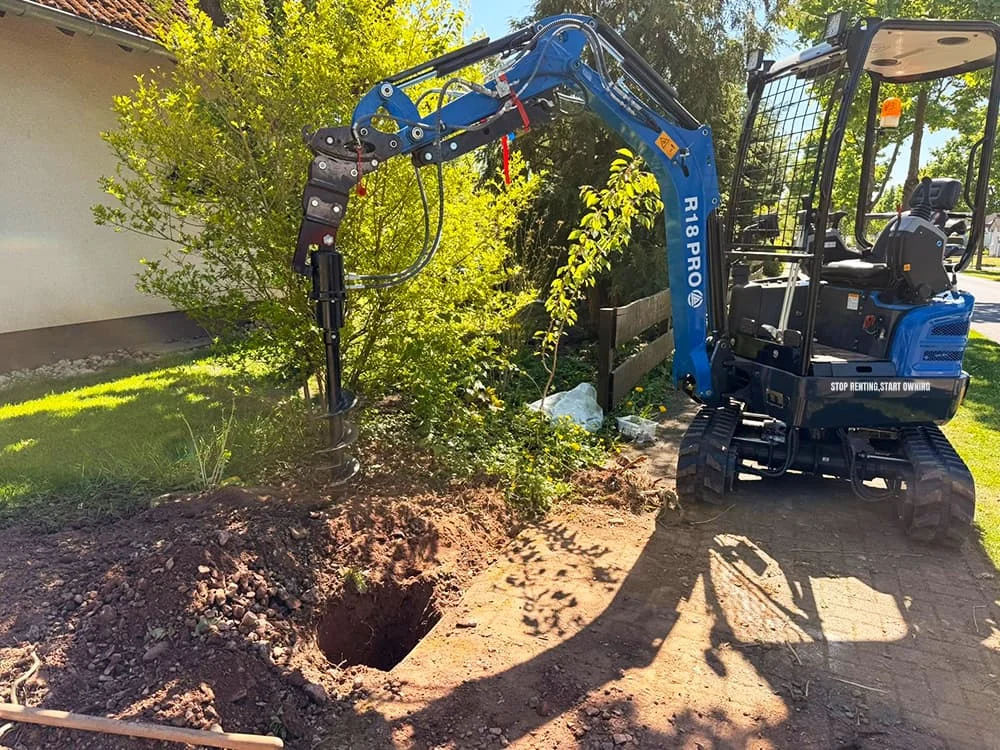
Farmers and agricultural contractors can also use compact excavators for property maintenance. Typical applications include drainage work, irrigation projects, ditch maintenance, land preparation, and small construction tasks.
A small excavator can also help maintain areas around barns, storage buildings, fencing, and farm access roads. Because agricultural properties often require different types of work throughout the year, machine versatility can be valuable.
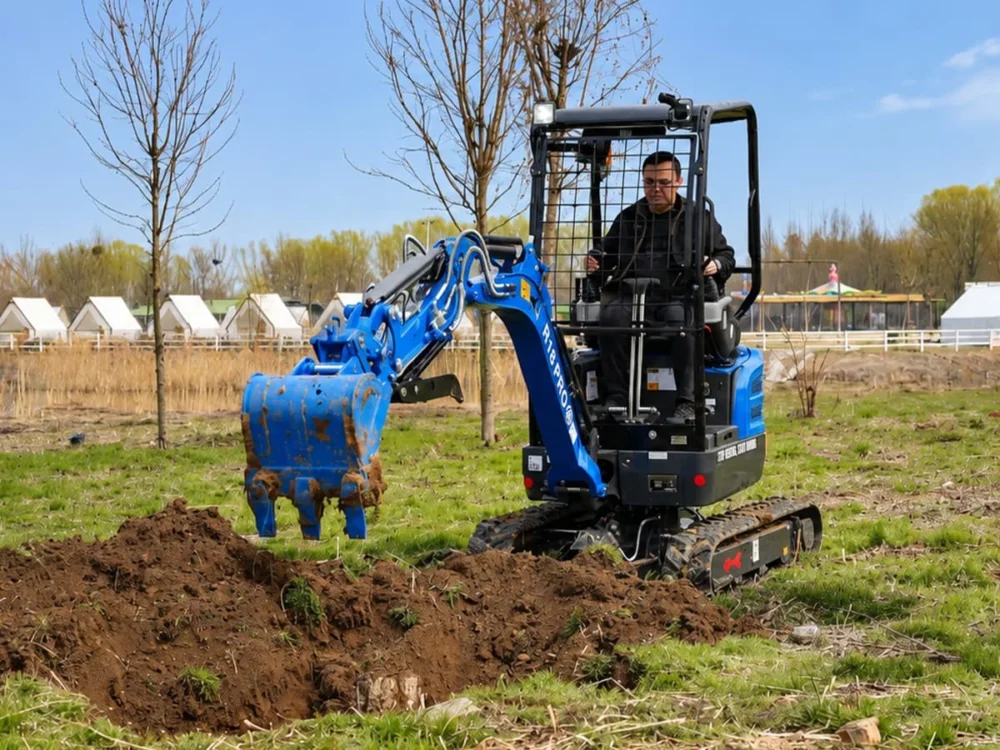
Digging is only one application. With suitable attachments, a compact excavator can support breaking, drilling, grabbing, lifting, and material-handling tasks.
For example, a breaker can be used for breaking hard materials, while an auger can help create holes for posts or other construction work. A grapple can assist with handling branches, debris, and other materials.
This flexibility allows contractors to use one machine for multiple tasks instead of relying on separate equipment for every application.
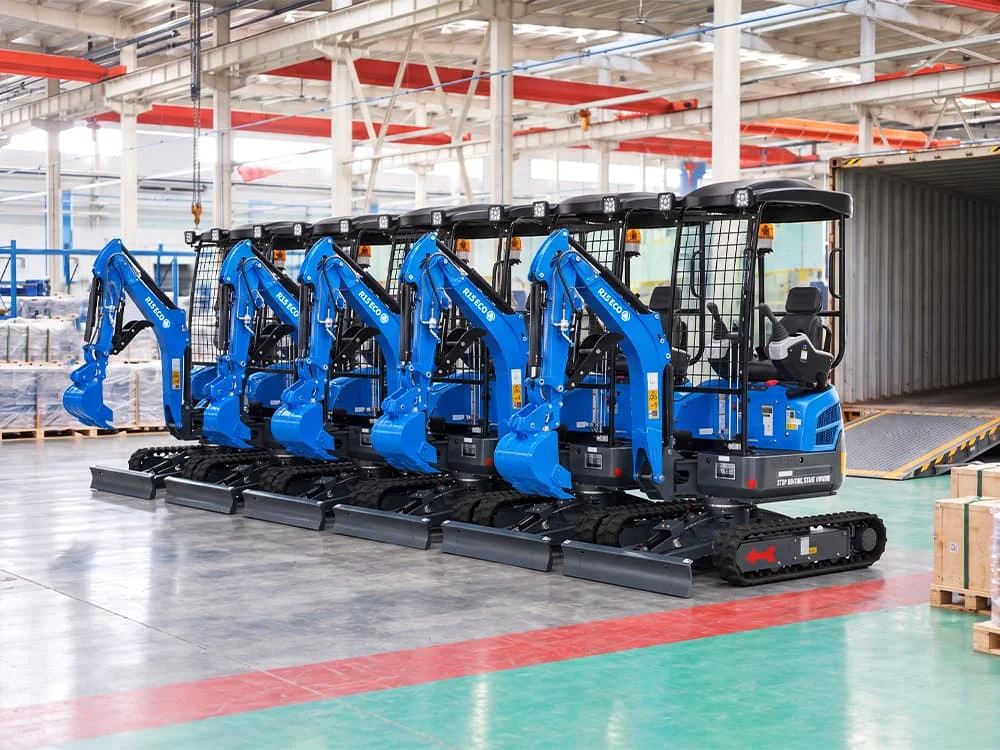
When comparing an excavator for sale, buyers should consider the work they expect the machine to perform. The right attachment can significantly expand the range of applications.
A contractor focused on trenching may mainly need digging buckets, while a landscaping company may benefit from augers or grapples. Construction and demolition work may require different tools again.
Choosing a machine that supports the attachments needed for future projects can make the equipment more useful over time.
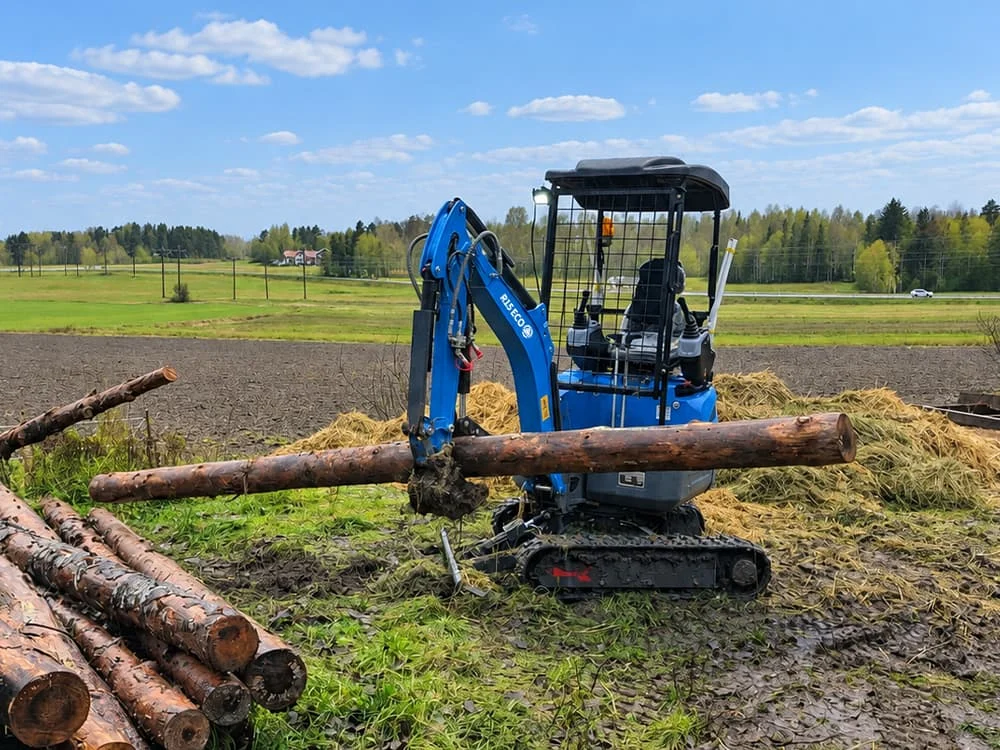
Contractors often need machines that can move between different jobsites. A compact excavator can support construction, landscaping, utilities, agriculture, drainage, and property maintenance.
This versatility is particularly useful for small and medium-sized contractors. Instead of using manual labor for every small excavation task, operators can use compact machinery to improve productivity.
For businesses expanding their equipment fleet, a mini excavator for sale can also provide an option for projects that do not require a full-size excavator.

Transportation is another practical advantage of compact equipment. Smaller excavators are generally easier to move between jobsites than larger machines.
Contractors handling several local projects may need to transport equipment frequently. A compact excavator can therefore help simplify scheduling between residential, commercial, agricultural, and utility jobs.
Reducing transportation difficulty can help keep equipment available when the next project begins.
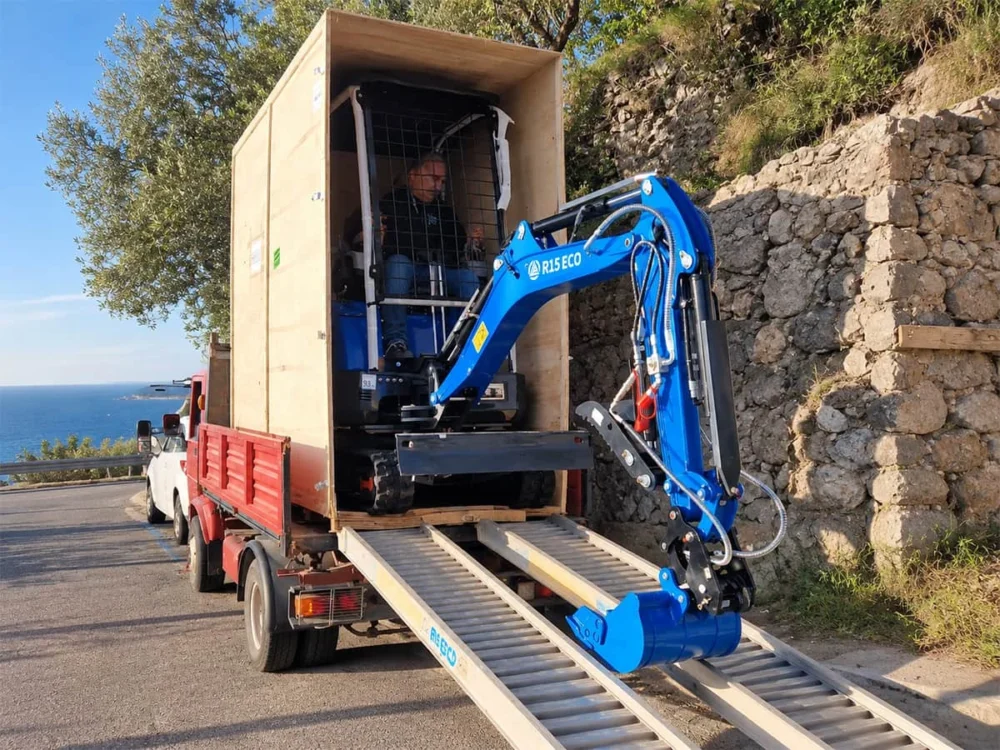
For international buyers searching for an excavator for sale, the decision involves more than the machine itself. Supplier experience, export support, parts availability, communication, and after-sales service are also important.
A manufacturer experienced in international markets can provide better support throughout the purchasing process. Clear product information, responsive communication, reliable shipping, and parts support are valuable for overseas customers and equipment dealers.
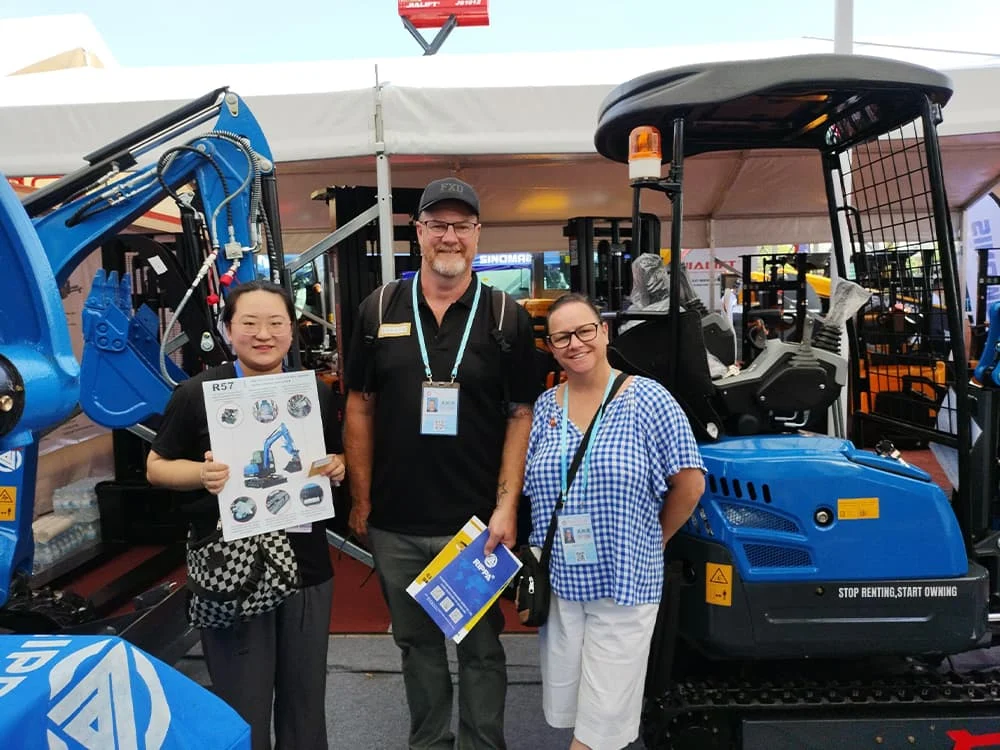
If you are researching an excavator for sale for construction, landscaping, utility, agriculture, or property maintenance, consider the working environment and applications first.
You can explore Rippa mini excavator models to find compact equipment options for different jobsite requirements and applications.
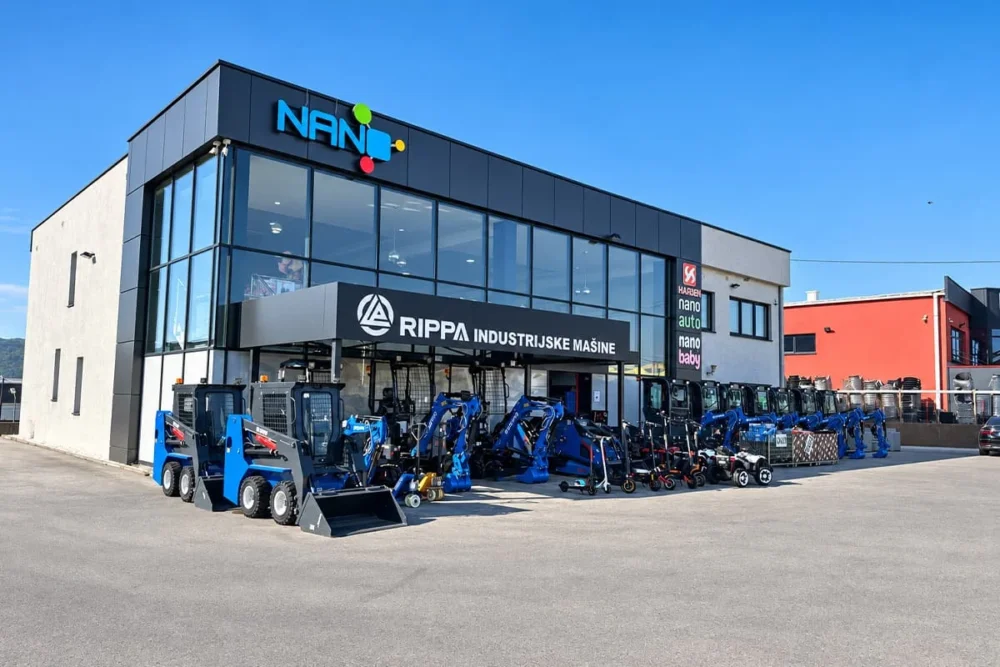
A compact excavator can handle much more than basic digging. From residential construction and landscaping to utilities, agriculture, drainage, and property maintenance, its compact design and attachment flexibility make it suitable for many types of work.
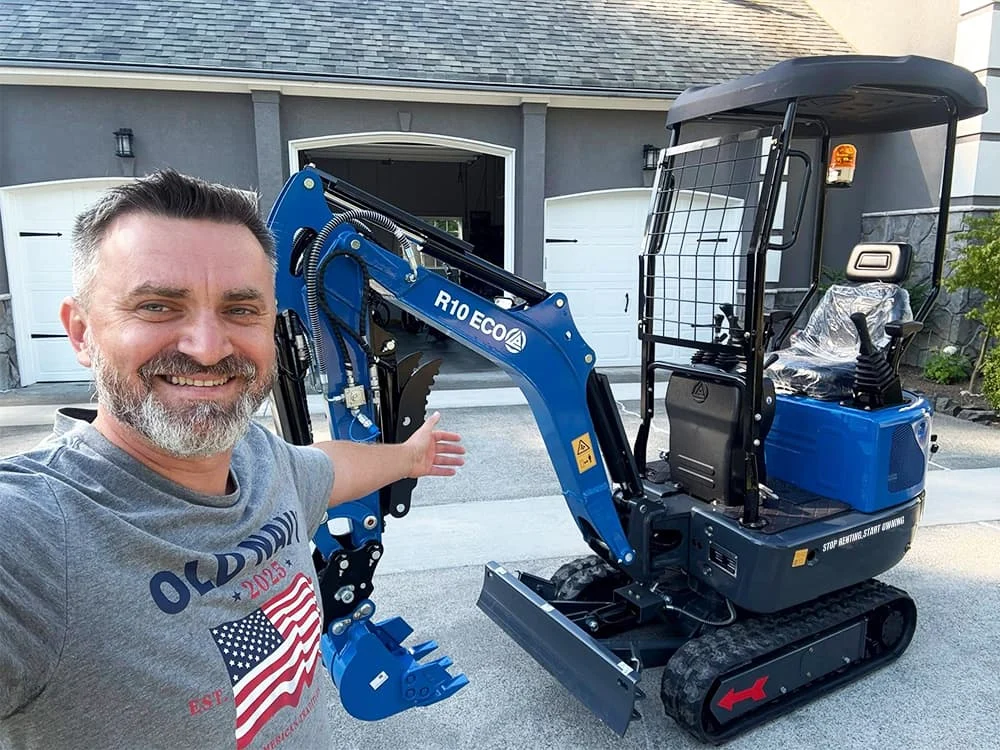
For buyers researching an excavator for sale, understanding these applications can help identify equipment that fits their projects. The right compact excavator can become a versatile and practical part of a contractor’s equipment fleet.
Tel: +8615628788742
E-mail: contact02@rippa.com
WhatsApp: Rippa kotrógép
Cím: Jining város, Shandong tartomány, Kína

 HU
HU  EN
EN  ES
ES  IT
IT  FR
FR  RU
RU  DE
DE  PT
PT  TR
TR  BG
BG  HR
HR  RO
RO  CS
CS  NN
NN  SL
SL  SV
SV  SK
SK  DA
DA  FI
FI  PL
PL  PT_BR
PT_BR 
