Becoming a successful mini excavator dealer requires more than having equipment available for customers. Dealers need product knowledge, sales skills, safety awareness, and the ability to coordinate after-sales support.
For businesses offering mini excavators for sale, a structured training program helps employees understand machine features, communicate with buyers, and support customers throughout the purchasing process.
Effective dealer training should cover product specifications, equipment safety, customer communication, maintenance, spare parts, and performance assessment.
This guide explains how to organize mini excavator dealer training and develop the practical skills needed to operate a professional equipment dealership.
Dealer training should begin with clear learning objectives and a practical training plan.
Different employees require different skills. Sales representatives need product knowledge and customer communication skills, while service personnel require technical information and maintenance training.
Dealership managers should understand inventory planning, customer service procedures, and sales performance management.
A basic training program should include:
Use product manuals, online lessons, classroom discussions, equipment demonstrations, and supervised practical exercises.
Hands-on learning helps participants connect technical information with real customer situations.
Define what employees should know and demonstrate after completing each module.
For businesses selling mini excavators for sale, clear training standards help create consistent product explanations and customer service practices.
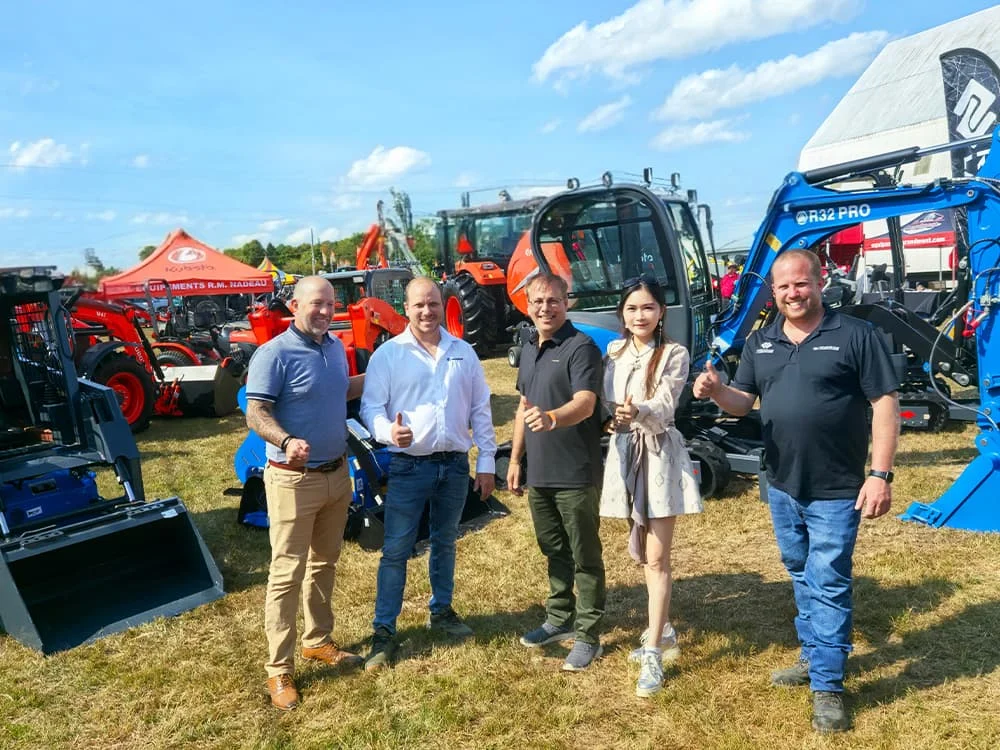
Product training enables dealers to explain equipment capabilities accurately and match machines to customer requirements.
Understand Equipment Specifications
Dealers should learn important specifications, including operating weight, digging depth, machine dimensions, engine characteristics, and hydraulic performance.
When customers search for a mini excavator for sale, these details help determine whether a machine suits their intended work.
Learn Common Applications
Training should cover construction, landscaping, agricultural work, trenching, and property maintenance.
For example, a customer looking for a small excavator for sale may prioritize compact dimensions and access to narrow working areas.
Dealers should explain applications based on verified specifications rather than unsupported performance claims.
Understand Attachments
Introduce common attachments and explain why compatibility, hydraulic requirements, and machine capacity must be checked before recommending equipment.
Explain Safety Features
Training should cover seat belts, protective structures, hydraulic safety locks, warning devices, and safe access procedures where applicable.
Employees should also understand basic safety inspections and the importance of following the operator’s manual.
Actual equipment operation and technical safety instruction should be provided by appropriately qualified personnel.
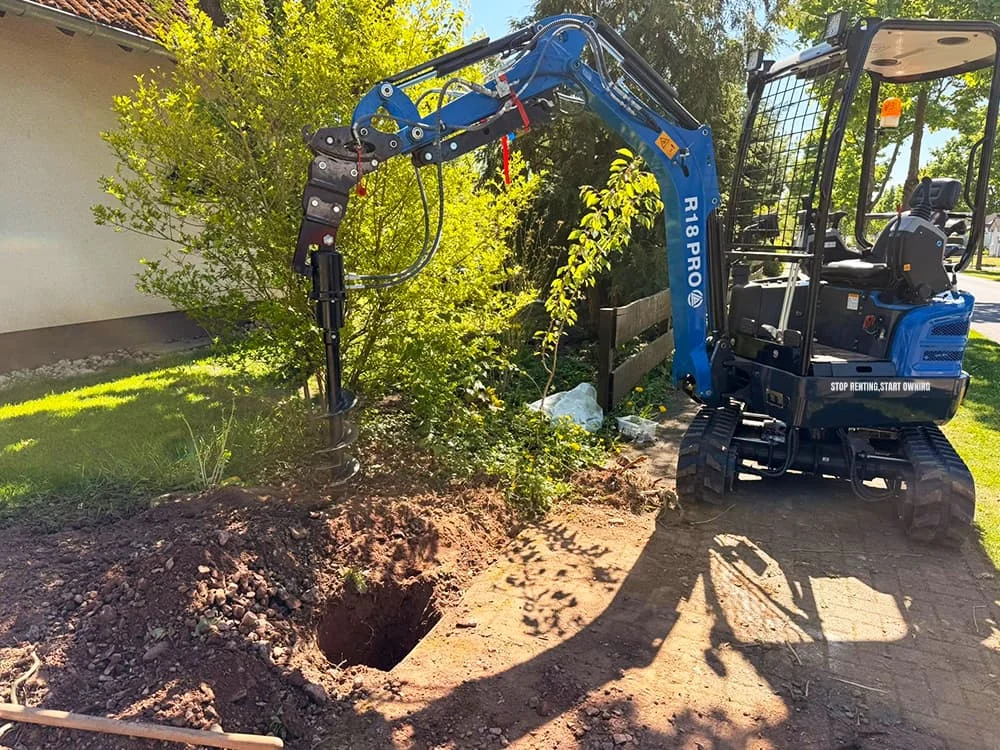
Sales training helps dealers understand customer needs and explain equipment benefits clearly.
Identify Customer Requirements
Teach sales representatives to ask about the customer’s industry, operating environment, intended applications, working space, and purchasing timeline.
These questions help identify suitable equipment instead of recommending the same machine to every buyer.
Practice Product Recommendations
Dealers should learn how to compare specifications and explain practical differences between equipment categories.
When presenting compact excavators for sale, focus on relevant capabilities such as maneuverability, working dimensions, attachment compatibility, and operating requirements.
Improve Customer Communication
Use role-playing exercises to practice answering product questions, explaining technical specifications, and addressing customer concerns.
Representatives should provide accurate information and acknowledge questions requiring manufacturer confirmation.
Develop Inquiry Follow-Up Skills
Training should cover recording customer information, responding to inquiries, preparing quotations, and scheduling appropriate follow-ups.
A customer relationship management system can help track communication and identify active purchasing opportunities.
Practice Equipment Demonstrations
Where practical, qualified personnel can demonstrate machine features while sales employees explain the relevant benefits.
Effective sales training builds confidence without encouraging exaggerated product claims.
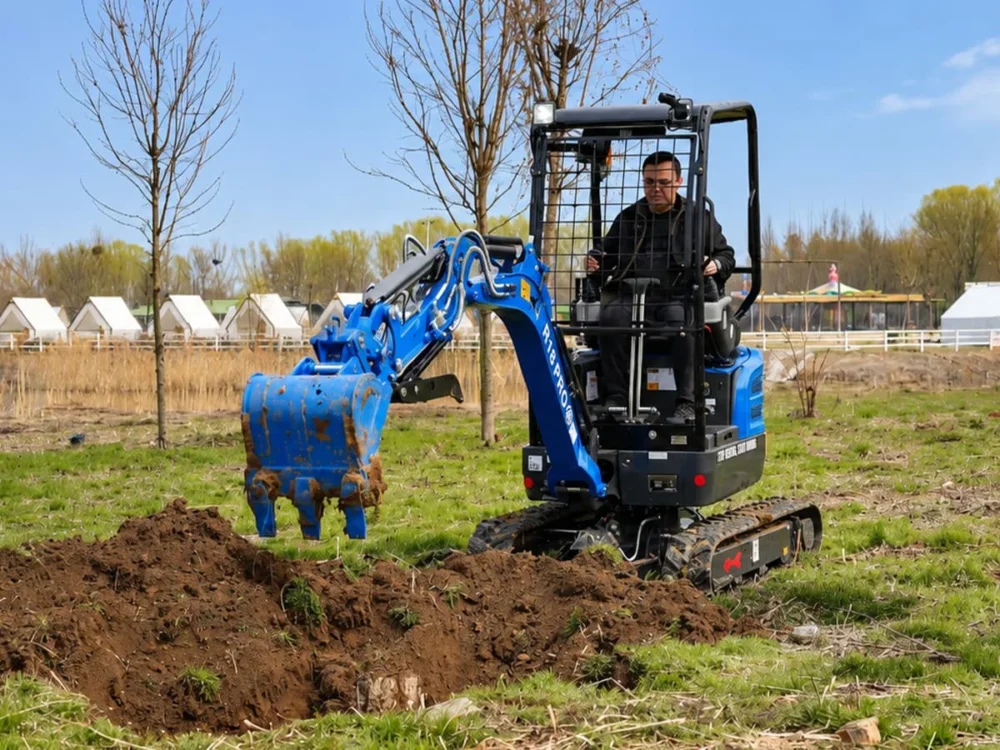
After-sales knowledge helps dealers answer maintenance questions and coordinate support when equipment requires attention.
Understand Maintenance Schedules
Employees should learn how to locate the manufacturer’s maintenance instructions and explain the importance of scheduled servicing.
Common mini excavator maintenance topics include fluid checks, filter replacement, lubrication, track inspection, and hydraulic system observations.
Maintenance intervals must follow the applicable equipment manual.
Identify Common Replacement Parts
Training should introduce frequently requested mini excavator parts, such as filters, seals, hydraulic hoses, bucket teeth, pins, and bushings.
Employees should understand how to verify part compatibility using machine information and official parts documentation.
Recognize Common Equipment Problems
Teach participants to recognize reported symptoms such as unusual noise, visible leaks, difficult starting, or abnormal track wear.
Service employees should follow approved diagnostic procedures. Sales personnel should know when to refer technical problems to qualified technicians.
Explain After-Sales Procedures
Introduce warranty documentation, service requests, parts ordering, customer communication, and repair record management.
Practice Customer Support
Use realistic cases to train employees on collecting machine details, recording reported problems, and communicating with the appropriate technical support provider.
These skills help dealers provide more organized after-sales service.
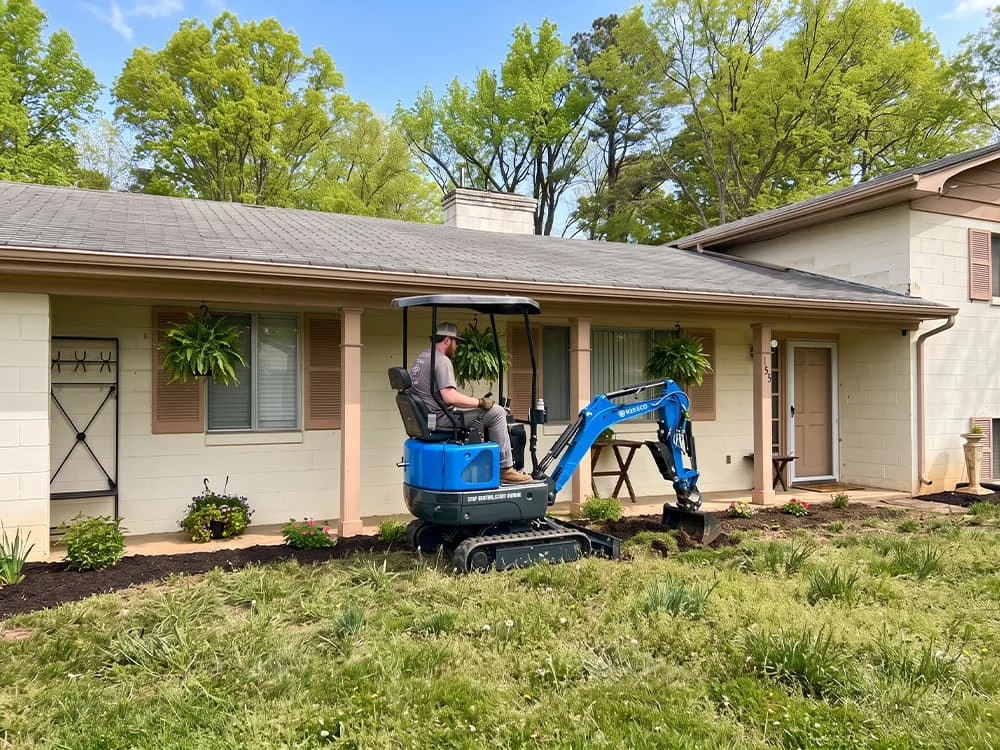
Training assessment helps dealership managers determine whether employees can apply what they have learned.
Use short written or online assessments covering product specifications, equipment applications, safety principles, maintenance, and customer service.
Organize role-playing exercises in which trainees identify customer needs, recommend suitable equipment, and explain technical information.
A mini excavator inspection checklist can help evaluate whether employees recognize essential inspection points.
The checklist may cover visible leaks, track condition, fluid levels, safety devices, and maintenance documentation.
Inspection exercises must follow the manufacturer’s instructions and appropriate safety procedures.
Qualified trainers can assess relevant technical tasks or equipment demonstrations where these activities are part of the employee’s role.
Review assessment results, identify knowledge gaps, and arrange additional learning when needed.
Training records should document completed modules, assessment results, and follow-up actions.
A structured training program helps prospective dealers develop product knowledge, sales capabilities, and after-sales awareness.
RIPPA is a construction machinery manufacturer serving equipment buyers and distribution partners. Businesses interested in selling mini excavators can explore RIPPA distributor opportunities to discuss dealership requirements, available product information, and potential training arrangements.
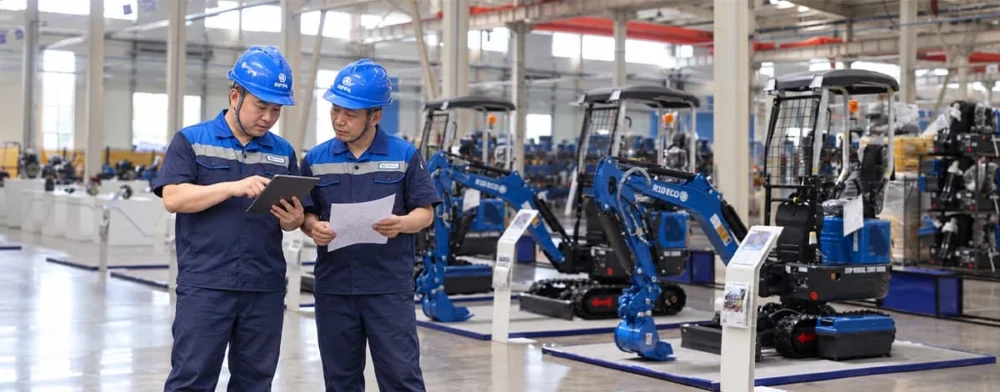
New dealers should learn product specifications, safety principles, sales communication, maintenance basics, spare parts, and after-sales procedures.
Training duration depends on employee experience, course content, and practical requirements. Dealers should assess competency rather than rely only on training hours.
Use knowledge tests, sales simulations, equipment inspection exercises, and periodic performance reviews to identify improvement areas.
Tel: +8615628788742
E-pošta: contact02@rippa.com
WhatsApp: Rippa Excavator
Adresa: Šesti industrijski park, grad Jining, pokrajina Shandong, Kina

 HR
 EN
 ES
 IT
 FR
 RU
 DE
 PT
 TR
 BG
 RO
 CS
 NN
 SL
 SV
 HU
 SK
 DA
 FI
 PL
 PT_BR

