Finding the right compact digger for a narrow yard, cramped jobsite, or congested city alley can make the difference between a smooth job and a logistical nightmare. Small excavators bring surprising power in a tiny footprint, letting crews dig, trench, and grade where larger machines simply won’t fit. This article walks through types, features, real-world advice, and how to choose when you search for a Small Excavator for Sale.
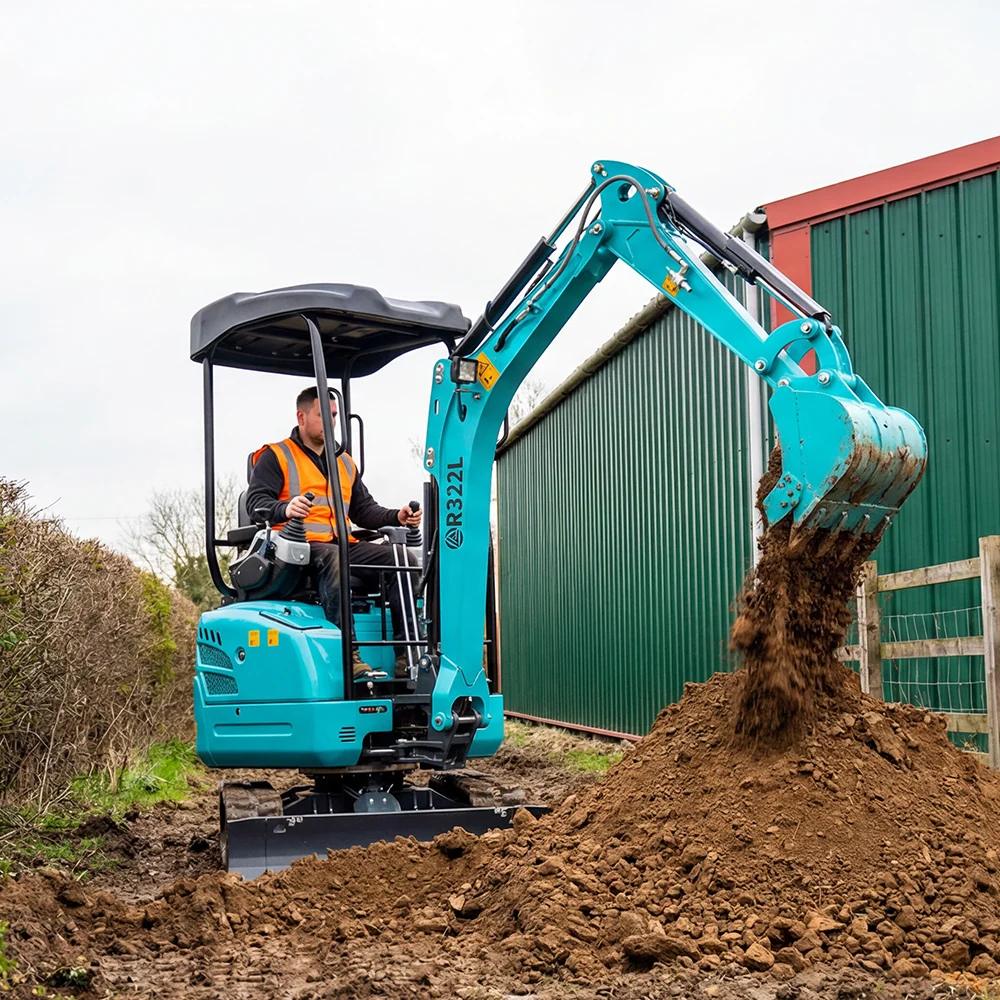
Tight spaces are unforgiving. A machine that’s just a foot narrower or a few hundred pounds lighter often decides whether a project is practical or not. Small excavators are specialized to minimize damage to landscaping, move through gates and narrow driveways, and operate safely near structures.
Beyond access, there’s control. Compact machines have less swing and more precise hydraulics, which helps when you’re working next to sidewalks, patios, or utility lines. They also reduce ground pressure, lowering the chance of rutting turf or compacting soil in sensitive areas.
On short jobs, quick setup and easy transport dominate the value equation. Small excavators typically hitch to a single-axle or light dual-axle trailer, arrive ready to go, and allow one operator to do what a crew of laborers would take days to do by hand.
Manufacturers use different labels, but practical distinctions matter. Micro excavators are the smallest and usually weigh under 2,000 pounds. They’re ideal for interior demo, greenhouse work, or passing through a 28–32 inch gate. Mini excavators range from about 1 to 6 metric tons, covering most residential and light commercial tasks. Compact excavators are on the larger end of “small,” up to roughly 10,000 pounds, and handle heavier digging and attachments.
Size isn’t just weight. Track or wheel width, tail swing, and transport dimensions dictate where machines can go. Zero-tail-swing and reduced-tail-swing designs let an operator swing the upper structure without protruding beyond the tracks—handy in tight alleys—but those machines might sacrifice some counterweight and stability.
Operators should choose based on gate clearance, transport limits, and the heaviest attachment you expect to use. If you regularly tackle sites with concrete saws or large breakers, a heavier compact model may be necessary. For landscaping and utility work in tight urban settings, a micro or mini model often outperforms a larger machine simply by fitting through the door.
The table below highlights typical operating weights, common uses, and the kind of access each size gives you. These are general ranges—check specific model specs for exact dimensions.
| Category | Typical operating weight | Common uses | Access advantages |
|---|---|---|---|
| Micro | 1,000–4,000 lb | Interior demo, small landscaping, narrow gates | Passes through tight openings, very low ground pressure |
| Mini | 4,000–13,000 lb | Residential excavation, utilities, small site prep | Balanced power and compact size, better attachment capacity |
| Compact | 13,000–22,000 lb | Light commercial, roadwork, larger landscaping | More power and stability while still relatively narrow |
Focus on features that matter for maneuverability, versatility, and operator comfort. A predictable, durable hydraulic system and a track setup suited to your ground conditions top the list. Pay special attention to machine width and transport height—those constraints often dictate whether a machine will fit through a gate or under a low eave.
Zero-tail swing is invaluable in tight quarters because the counterweight doesn’t extend past the track width during rotation. That minimizes the chance of hitting a fence or wall, though zero-tail machines can have slightly less rear ballast, affecting lifting capacity at full reach.
Auxiliary hydraulics determine how many attachments you can run and how responsive they are. A robust auxiliary flow will let you use a breaker, auger, or hydraulic thumb effectively. Finally, look for user-friendly controls, a comfortable seat, and simple service access—small operators often wear many hats, and time saved on maintenance is real money.
Tracks determine ground pressure and the ability to work on slopes or soft ground. Rubber tracks are standard on small excavators because they protect surfaces like pavers and lawns. Steel tracks add traction in rocky or heavily rutted jobs but increase surface damage and transport complexity.
Track width and undercarriage length affect stability. Wider tracks give better lift capacity and resist tipping under load. When buying a used machine, inspect track condition, tensioners, rollers, and idlers—these parts are expensive to replace and show wear early if the machine was poorly maintained.
Cabs on small excavators vary from open station fold-down canopies to fully enclosed, climate-controlled cabins. For year-round work in variable climates, an enclosed cab with heat and AC is worth the investment. Visibility is another factor—good sightlines reduce rework and increase safety, especially when working close to structures or pedestrians.
Control layouts can differ widely across brands. Try before you buy when possible. A well-laid-out console, joysticks with adjustable sensitivity, and a clear instrument panel cut operator fatigue and improve productivity on longer shifts.
Several manufacturers consistently deliver small excavators that perform well in constrained environments. Kubota, Bobcat, Takeuchi, Caterpillar, and Yanmar appear frequently on job sites where access is limited, each offering models optimized for narrow work. The right choice depends on the specific clearance and capacity you need.
Kubota’s mini excavators are widely praised for reliability and dealer support. Bobcat machines pair compact design with modern ergonomics. Takeuchi is known for durable undercarriages and excellent hydraulic control. Cat offers a familiar service network and machines that bridge the gap between small and mid-size capabilities. Yanmar provides tight-tail-swing designs with smooth hydraulic response.
Below are representative models to consider. Rather than specs that change by year, focus on operating weight, width, and scooping or dig depth relative to your job requirements. Visit dealers to test-fit machines through gates or under low overhangs wherever possible.
| Marke | Representative model | Why it’s good for tight spaces |
|---|---|---|
| Kubota | U17/U27 series | Narrow tracks and compact tails, strong dealer support and easy servicing |
| Bobcat | E20/E35 | Modern ergonomics, precise hydraulics, zero or reduced tail swing options |
| Takeuchi | TB216/TB240 | Durable undercarriage, smooth controls, well-balanced in confined work zones |
| Caterpillar | 302/303 series | Robust dealer network, familiar service protocols, compact transport dimensions |
| Yanmar | ViO series | Zero-tail-swing engineering and refined hydraulics for precision tasks |
Buying new offers warranty coverage, the latest emission-compliant engines, and machine customization. New machines minimize early downtime and allow ordering factory options that suit your access needs, such as narrow gauge tracks or specialized couplers. The downside is higher upfront cost and rapid initial depreciation.
Used machines offer value for budget-focused buyers and are often available on short notice. When choosing a used compact excavator, prioritize well-documented service histories and inspect wear items. A well-maintained five-year-old machine can be a better purchase than a new model used hard for a season and neglected afterward.
Consider downtime tolerance. If your schedule can’t absorb a breakdown, dealer support with rental replacements or fast parts access might justify a new purchase or certified pre-owned machine from a reputable dealer.
Inspect hydraulic hoses and connections for leaks and soft spots. Look for oil on the undercarriage that could indicate seal failure. High hours aren’t necessarily fatal to a machine if maintenance was consistent, but irregular service intervals are a red flag.
Check the swing bearing for play and listen for grinding noises while rotating. Test the track tension and look for uneven wear on rollers and idlers. Observe engine start-up behavior for smoke, difficulty starting, or odd noises, and verify the cooling system and radiator are clean and leak-free.
Attachments transform a compact excavator from a simple digger into a multi-role workhorse. Three attachments make the most difference for tight-space projects: augers for post holes, hydraulic breakers for demolitions, and thumbs or grapple setups for moving material. Each attachment requires the right hydraulic flow, so match flow rates before purchasing.
Quick couplers let operators swap tools without leaving the cab, saving time on short jobs. Mechanical couplers are simple and reliable, but hydraulic couplers add flexibility and speed—especially valuable on small crews where the operator wears multiple hats.
Compact plate compactors that mount to excavator arms are a clever accessory for trench work in residential settings. They eliminate additional machines on site and fold away for transport, keeping the job footprint minimal.
Expect sticker prices for a new mini excavator to vary widely depending on brand and options. Entry-level micro machines can start in the low tens of thousands, while fully equipped compact models trend into the mid-five-figures or higher. Used machines can be significantly cheaper but factor in potential repair and retrofit costs.
Financing terms are widely available through dealers with options for leasing, rental-purchase, or traditional loans. Leasing can reduce monthly outlay and give you flexibility for short-term projects, but ownership pays off if you anticipate continual use. Insurance for equipment and liability is an essential cost many small operators undervalue—shop for policies that cover transit, theft, and jobsite damage.
Don’t overlook operating costs: fuel consumption, track replacement, hydraulic hose replacement, and routine maintenance all add up. A maintenance log and predictable service intervals extend machine life and lower total cost per hour.
Even small excavators demand careful transport planning. Confirm ramp weight ratings, trailer capacity, and local road permits when moving machines on public highways. Overloading a trailer or using undersized ramps is a common source of accidents.
Securement is critical. Use rated chains and edge protectors to prevent track and undercarriage damage. Tie-downs should anchor at the excavator’s certified tie-down points when available. Chock the trailer and apply machine parking brakes before transit to reduce movement and wear during transport.
Clearance matters, too. Measure transport width, height, and length before committing to a route. Low bridges, narrow lanes, or tight driveways can turn a short trip into a logistical headache if you haven’t planned ahead.
Small excavators still require respect—working in close quarters magnifies the consequences of mistakes. Begin each job with a comprehensive site inspection and utility locates. Plan the swing arc, staging area for spoil, and walkways for personnel to minimize surprises once digging starts.
Use low-flow, fine-control settings when manipulating buckets near foundations or landscaping. Counterbalance loads by keeping material close to the machine and lifting with the boom slightly raised rather than fully extended. When working adjacent to structures, consider using a smaller bucket and multiple short lifts rather than one large, unwieldy scoop.
Soft-soil or slope work demands careful track placement and minimal sudden movements. Where possible, dig from stable ground and work progressively toward the unstable zones. If you need to operate on a slope, follow manufacturer guidance for side loads and avoid turning on steep inclines to prevent rollovers.
Confined spaces and urban jobs require an elevated safety mindset. Keep pedestrians informed and cordon off work areas. Hand-signaling and a spotter become invaluable when visibility is limited or when more than one machine operates nearby.
Trenching near homes or sidewalks needs shoring or protective systems if the depth exceeds regulated limits. Even shallow trenches can cave in if soil conditions are poor, so have a trench protection plan and the right equipment available before breaking ground.
Maintain good communication with utility locators and the client. Small machines can feel gentle, but a misstep with hydraulic power can damage underground lines—plan excavation zones, call for locates, and use vacuum excavation when working near known utilities.
Regular maintenance keeps operating costs predictable and supports resale value. Daily checks should include fluid levels, track condition, and hydraulic quick coupler latches. A short walk-around at the beginning of every shift prevents minor issues from becoming major repairs.
Oil and filter changes follow manufacturer intervals, usually based on operating hours. Greasing the boom, stick, pivot pins, and slew ring per the scheduled intervals protects bearings and keeps movements smooth. Keep a small repair kit and spare hydraulic hoses on hand if you operate far from dealer service.
Document every service action. Buyers love machines with complete maintenance logs, and technicians troubleshoot faster when patterns of past issues are known. Photographic records of track condition, wear parts, and replaced components can be worth their weight in negotiated sale price.
On a recent backyard landscaping job, I rented a Kubota mini excavator to prepare a narrow urban lot for a stone patio. The site had a 32-inch gate and a slope toward the neighbor’s retaining wall. The compact machine passed through the gate with a single plate on the trailer and allowed me to work without tearing up the lawn. Using a narrow bucket and a hydraulic thumb, we retrieved heavy roots and set stones without a second crew.
Another project involved alley utility repair in a historic district where access rules forbade sidewalk removal. A Bobcat E20 with a reduced-tail swing fit down the alley and worked around mature tree roots to replace a broken water main. The operator’s ability to rotate the upper structure without extending beyond the track saved both time and damage to adjacent property.
These experiences underline an important point: machine choice often solves problems designers assume require manual labor or complex rigging. The right compact excavator becomes a force multiplier in jobs where space would otherwise restrict work options.
Start with local dealers and look for certified pre-owned listings. Dealer-certified machines often carry short-term warranties and have undergone inspection and reconditioning—this reduces surprise repairs early in ownership. Compare multiple dealer offers and consider seasonal discounts, especially late in the model year.
Online marketplaces and auction sites provide broad selection and competitive pricing but demand careful inspection. When bidding or buying sight-unseen, insist on detailed photographs, hour logs, and independent inspection reports if possible. Reserve auctions are great for value but plan for transport and possible repairs once the machine arrives.
Rental houses sometimes sell off their fleets after a few years; these machines are typically service-heavy and well-documented, which can be a benefit if maintenance has been routine. Ask for maintenance logs, parts invoices, and previous repair details to assess the true condition.
Before signing anything, run through a purchasing checklist: verify transport dimensions against your access constraints, confirm hydraulic flows for planned attachments, and test the machine under load if possible. Ensure the seller provides a complete service history and clarifies any existing warranty or return policy.
Consider spare parts availability and dealer proximity. Brands with local dealerships often provide faster parts delivery and service technicians who know your area’s common challenges, such as sandy soils or winter cold starts. Factor that convenience into your total cost of ownership.
Plan for resale. A tidy, well-documented small excavator retains value well because demand remains high in landscaping, utilities, and contracting markets. Keep service records, avoid cosmetic neglect, and replace high-wear items before listing the machine for sale to maximize return.
One frequent error is underestimating transport needs. Buyers often assume a small excavator will fit in a standard pickup bed or on a light trailer without checking ramp angles and tongue weight limits. Confirm trailer and towing vehicle ratings before purchase to avoid dangerous compromises.
Another mistake is over-buying power and underestimating width. Bigger machines cost more to operate and may not even fit the sites that triggered the purchase decision. Match machine size to the tightest access point you expect to encounter, not the most open job on your schedule.
Finally, neglecting auxiliary flow compatibility leads to disappointment when preferred attachments won’t perform. Verify auxiliary pressure and flow specs for breakers, augers, and thumbs before committing to a model or plan how you’ll adapt attachments with flow control or auxiliary splitters.
Renting a model for a few days is one of the best ways to evaluate whether it suits your workflow. Use the rental period to test maneuverability, attachment swaps, and transport logistics. If you find the machine fits your requirements, evaluate the rental cost against a purchase and projected depreciation to guide your decision.
Short-term rentals also solve immediate capacity needs without the full purchase commitment. For contractors who juggle varied projects, a mixed strategy—own a core machine and rent specialized attachments or larger models for bigger jobs—optimizes cash flow and equipment utilization.
Emissions standards have tightened in recent years, so newer machines often come with Tier 4 or Tier 3 engines that reduce particulates and NOx. If you operate in an emissions-regulated area, validate the machine’s compliance to avoid fines and restrictions. Some older diesel engines may face limitations or require retrofit solutions for specific urban work.
Noise restrictions are another practical concern in residential areas. Smaller excavators generally run quieter than full-size units, but adding sound-reducing features like insulated cabs or mufflers can help when you’re working early or late near neighbors.
Lastly, consider disposal and recycling plans for fluids and filters. Responsible servicing practices protect local neighborhoods and align with many client requirements for environmentally sensitive projects.
Identify the narrowest point you’ll need to pass, the heaviest attachment you’ll ever use simultaneously, and how often the machine will travel between sites. Those three factors—clearance, capability, and utilization—are the practical axes that guide a purchase decision more than brand loyalty or price alone.
Consult with dealers and operators, test drive candidate machines where possible, and use rental trials to answer remaining doubts. Keep maintenance planning and transport logistics on your checklist from day one; they determine the true cost and convenience of ownership.
When you find the right machine—whether fresh from a showroom or a well-kept trade unit—you’ll notice how much easier tight-space work becomes. The right small excavator transforms what used to be hours of manual labor into efficient, controlled machine work, and that change in productivity pays off in time saved and fewer headaches on every subsequent job.
Tel: +8615628788742
E-Mail: contact02@rippa.com
WhatsApp: Rippa Bagger
Adresse: Der sechste Industriepark, Jining Stadt, Provinz Shandong, China

 DE
DE  EN
EN  ES
ES  IT
IT  FR
FR  RU
RU  PT
PT  TR
TR  BG
BG  HR
HR  RO
RO  CS
CS  NN
NN  SL
SL  SV
SV  HU
HU  SK
SK  DA
DA  FI
FI  PL
PL  PT_BR
PT_BR 
