Backfilling is an essential stage in construction, landscaping, pipeline installation, and foundation preparation. After excavation or underground installation, the surrounding space must be filled with suitable materials to restore ground levels and provide adequate support.
For contractors comparing mini excavators for sale, these machines offer practical solutions for moving soil, filling trenches, distributing backfill materials, and preparing construction surfaces. Their compact dimensions and maneuverability can be particularly useful in residential projects, narrow work areas, and locations where larger equipment has limited access.
Successful backfilling requires more than moving soil into an excavation. Material selection, layer thickness, pipe protection, and proper compaction all influence the final result.
Mini excavators can support several stages of backfilling, from transporting materials to filling excavated spaces and preparing the finished surface.
Before backfilling, inspect the excavation and confirm that the required underground work has been completed.
For pipeline projects, check pipe connections, alignment, and any required leakage or pressure tests before covering the installation.
For foundations, verify that the relevant structural work and inspection requirements have been completed.
A mini excavator can collect suitable soil or aggregate from a stockpile and transport it to the designated filling area.
The operator should distribute materials in controlled quantities rather than depositing large amounts in one location.
Use controlled bucket movements to place material around the excavation.
Work progressively across the area to maintain an even distribution and avoid damaging nearby structures or underground installations.
When comparing mini excavators for sale, contractors should consider bucket capacity, working range, machine stability, and the ability to operate in restricted spaces.
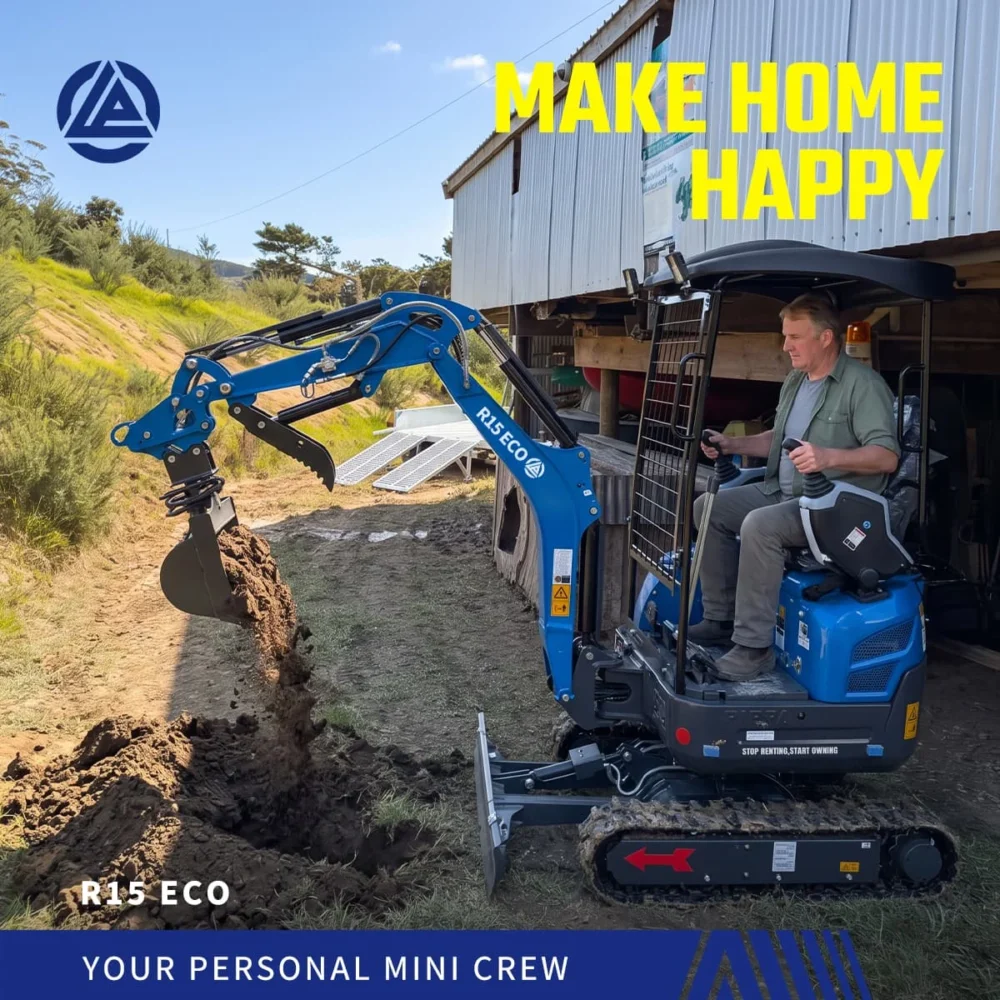
Proper preparation helps prevent settlement, contamination, and damage to underground structures.
Backfill materials should match the construction requirements and surrounding soil conditions.
Common options include:
The material specification should follow the project design rather than relying on whichever soil is available.
Before filling, remove organic matter, rubbish, loose debris, and unsuitable soil from the designated area.
For pipeline work, remove sharp stones and objects that could damage the pipe or its protective coating.
Organize material stockpiles and establish clear equipment access routes.
When selecting a mini excavator for sale, consider whether the machine can reach the filling area while maintaining a stable operating position.
Check the surrounding ground for soft spots, underground utilities, and other hazards before moving materials.

Layered backfilling helps distribute materials more evenly and makes it easier to achieve the required compaction.
For pipeline installations, begin with the specified bedding and initial protective material.
Place suitable material carefully around the pipe, making sure that the pipe remains correctly positioned.
Avoid dropping large amounts of soil directly onto the installation. Sharp rocks and oversized materials should be excluded where they could cause damage.
For foundation backfilling, use approved materials that meet the engineering requirements.
A small excavator for sale can help move soil into foundation trenches and distribute it around completed structures.
Operators should work carefully near foundation walls, drainage systems, and other components that must remain undamaged.
Backfill should be placed in layers rather than filling the entire excavation at once.
The appropriate loose layer thickness depends on material type, equipment, project specifications, and the compaction method.
After each layer is placed, use suitable compaction equipment where required before adding the next layer.
This approach helps reduce uneven settlement and improves the consistency of the completed backfill.
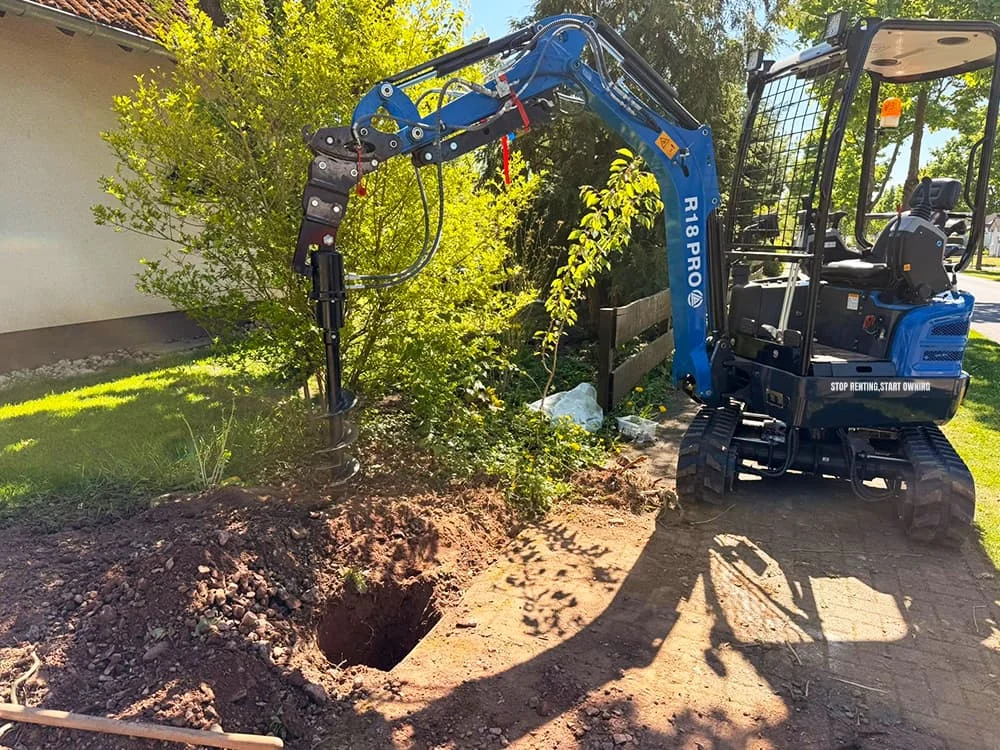
Once materials are ready, the excavator can help distribute them and prepare the surface for compaction.
Different mini excavator accessories can support backfill material handling.
Attachment selection should consider machine compatibility, bucket width, material characteristics, and working conditions.
Use controlled bucket movements to distribute backfill across the excavation.
Avoid creating large piles that make consistent material placement difficult.
For narrow trenches, work in manageable sections to maintain control around pipes and nearby structures.
After material placement, use the bucket or a suitable grading attachment to adjust the surface.
Remove excessive material from high spots and fill low areas according to the specified ground level.
When comparing compact excavators for sale, contractors should consider machine maneuverability, attachment compatibility, and the working space available around the excavation.
Die excavator can assist with material distribution and leveling, but it should not replace dedicated compaction equipment.
Use an appropriate plate compactor, roller, or other specified equipment to achieve the required density.
The compaction method should match the backfill material and project requirements.
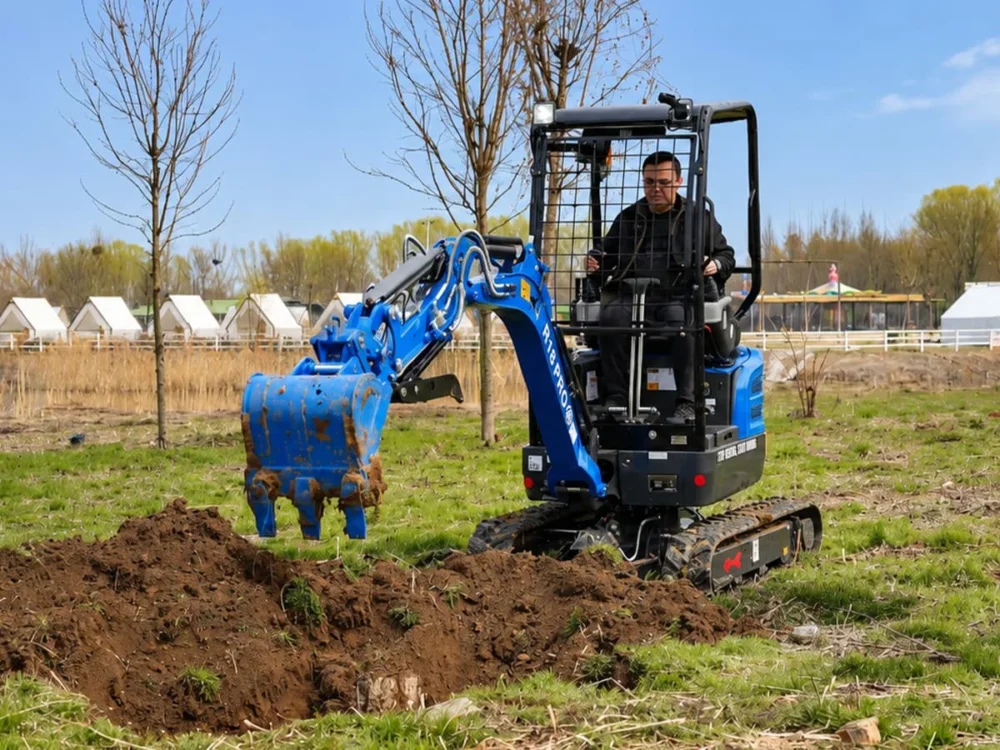
Backfilling quality should be checked throughout the process rather than only after the work is completed.
Inspect the finished area for uneven surfaces, low spots, excessive material, and visible settlement.
Use suitable measuring tools to verify the required elevations.
For trenches and foundations, check that the backfill profile matches the project specifications.
If settlement or soft areas appear, investigate the underlying cause before adding more material.
Possible causes include unsuitable backfill, insufficient compaction, excessive layer thickness, or water accumulation.
Remove or rework affected material as required, then replace and compact it according to the project specifications.
After backfilling work, inspect important mini excavator parts, including:
Remove accumulated soil and debris from the machine, especially around moving parts and connection points.
Regular mini excavator maintenance helps keep equipment ready for future construction work.
Use a mini excavator inspection checklist to review fluid levels, lubrication points, hydraulic connections, tracks, and attachment condition.
Follow the manufacturer’s maintenance recommendations and address abnormal wear or damage before the next project.
Mini excavators provide practical solutions for trench backfilling, foundation preparation, material handling, and site restoration.
For international machinery dealers, understanding these applications helps identify customer needs and recommend suitable equipment for local construction and landscaping markets.
RIPPA welcomes international distribution partners interested in mini excavator sourcing and long-term cooperation. Explore RIPPA distributor opportunities to discuss equipment supply and potential dealership partnerships.
Yes. Mini excavators can move and distribute suitable backfill materials around trenches, provided the machine can operate safely within the available space.
Layer thickness depends on the material, project specifications, and compaction equipment. Follow the required construction standards rather than using one thickness for every project.
Mini excavator price depends on machine size, configuration, attachment requirements, supplier offerings, and after-sales support.
Tel: +8615628788742
E-Mail: contact02@rippa.com
WhatsApp: Rippa Bagger
Adresse: Der sechste Industriepark, Jining Stadt, Provinz Shandong, China

 DE
 EN
 ES
 IT
 FR
 RU
 PT
 TR
 BG
 HR
 RO
 CS
 NN
 SL
 SV
 HU
 SK
 DA
 FI
 PL
 PT_BR

