When comparing mini excavators for sale, understanding engine types is important for choosing equipment that meets different working requirements. The power source affects machine performance, refueling or charging needs, maintenance, and suitability for specific jobsites.
Most conventional mini excavators use diesel engines, while gasoline-powered configurations are less common in modern hydraulic excavators. Electric mini excavators are also available in some markets, offering an alternative for certain working environments.
For contractors and equipment distributors, knowing the differences between these power systems helps make better purchasing decisions and recommend suitable machines to customers.
Mini excavators can be classified according to their engine or power system. The main options include diesel engines, gasoline engines, and electric drive systems.
Diesel Engines
Diesel engines are widely used in conventional mini excavators. They provide the power needed to operate hydraulic systems and support continuous excavation work.
Diesel-powered machines are common in construction, landscaping, agriculture, and utility projects.
Gasoline Engines
Gasoline engines are less common in modern hydraulic mini excavators. They may appear in certain specialized or very small machines, depending on the manufacturer and equipment design.
Buyers should confirm the actual power configuration rather than assuming gasoline engines are widely available.
Electric Power Systems
Electric mini excavators use an electric motor instead of a conventional combustion engine. Depending on their design, they may use battery power to drive the hydraulic system or other machine functions.
Electric machines can be suitable for certain indoor or noise-sensitive applications.
When evaluating mini excavators for sale, understanding these differences helps buyers identify the power system that best matches their working conditions.
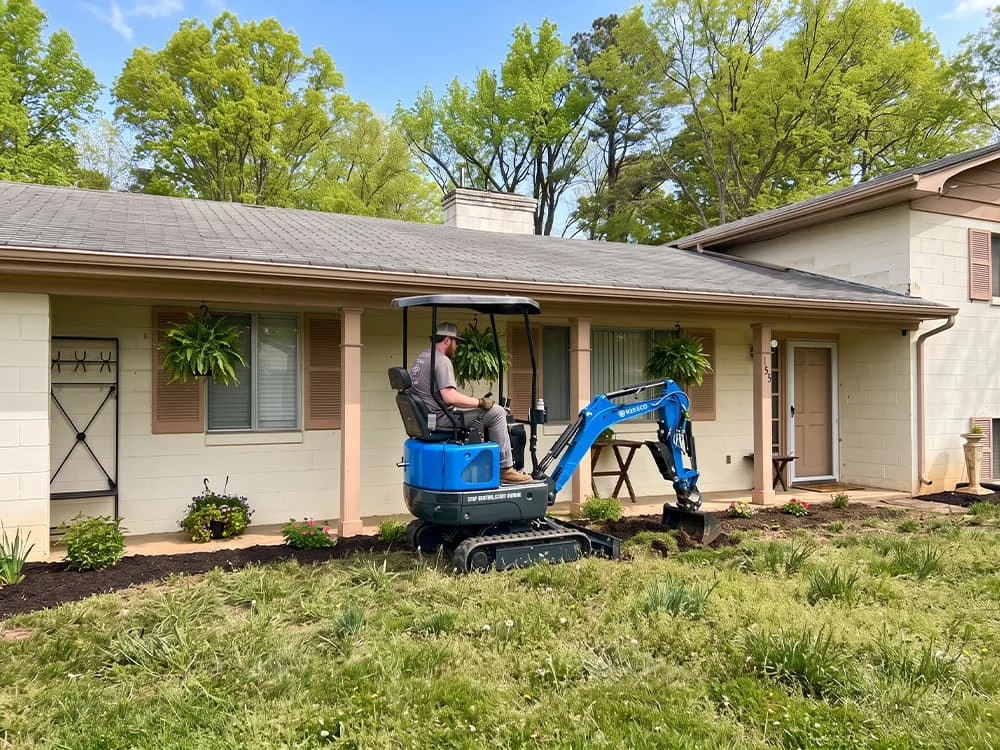
Diesel and gasoline engines are both internal combustion engines, but they differ in fuel ignition, operating characteristics, and typical equipment applications.
Diesel engines use compression ignition, while gasoline engines generally rely on spark ignition.
The following table highlights the main differences.
| Feature | Diesel Engine | Gasoline Engine |
| Ignition Method | Compression ignition | Spark ignition |
| Typical Excavator Use | Common in hydraulic mini excavators | Relatively uncommon |
| Operating Characteristics | Suitable for sustained working loads | Depends on engine design |
| Fuel Requirement | Diesel fuel | Gasoline |
| Service Components | Diesel fuel system and related components | Spark ignition system and related components |
Diesel engines are often selected for construction machinery because their operating characteristics suit sustained loads and hydraulic work.
Gasoline engines may be used in certain small equipment designs, but buyers should verify availability and suitability for the intended application.
When considering a mini excavator for sale, engine selection should account for actual job requirements, fuel availability, and service support.
Rather than assuming one fuel type is always superior, buyers should compare the specific engine specifications and machine design.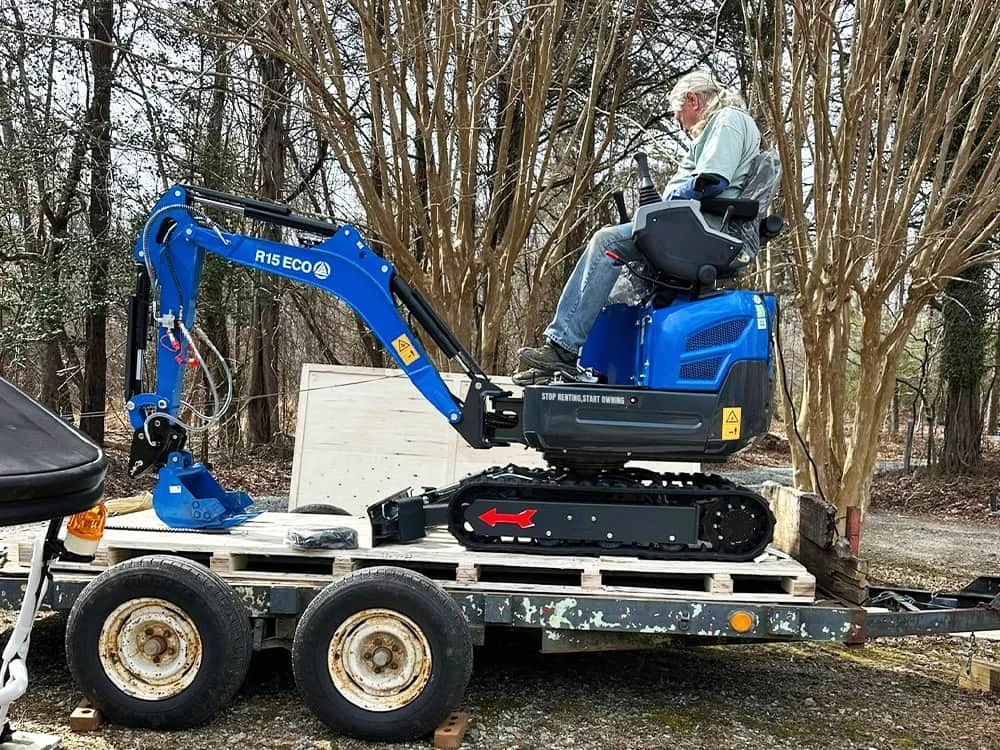
Electric and diesel mini excavators differ mainly in their energy sources, operating arrangements, and site requirements.
Diesel Mini Excavators
Diesel-powered machines can operate where fuel is available and do not depend on charging infrastructure. They are commonly used for outdoor construction and excavation projects.
However, combustion engines produce exhaust emissions and engine noise during operation.
Electric Mini Excavators
Battery-electric excavators produce no exhaust emissions at the machine during operation. They may also generate less powertrain noise, which can be useful in enclosed or noise-sensitive environments.
Their operating duration depends on battery capacity, workload, temperature, and machine design. Charging access and charging time must also be considered.
| Comparison | Diesel Mini Excavator | Electric Mini Excavator |
| Energy Source | Diesel fuel | Electricity |
| On-Machine Exhaust | Present | None during operation |
| Energy Replenishment | Refueling | Battery charging |
| Operating Duration | Depends on fuel capacity and workload | Depends on battery capacity and workload |
| Typical Considerations | Fuel supply and exhaust management | Charging access and duty cycle |
A customer searching for a small excavator for sale should evaluate whether the equipment will operate mainly outdoors, indoors, or in locations with restricted emissions.
Electric equipment is not automatically the best choice for every application. Machine performance, battery capacity, charging arrangements, and site conditions must all be considered.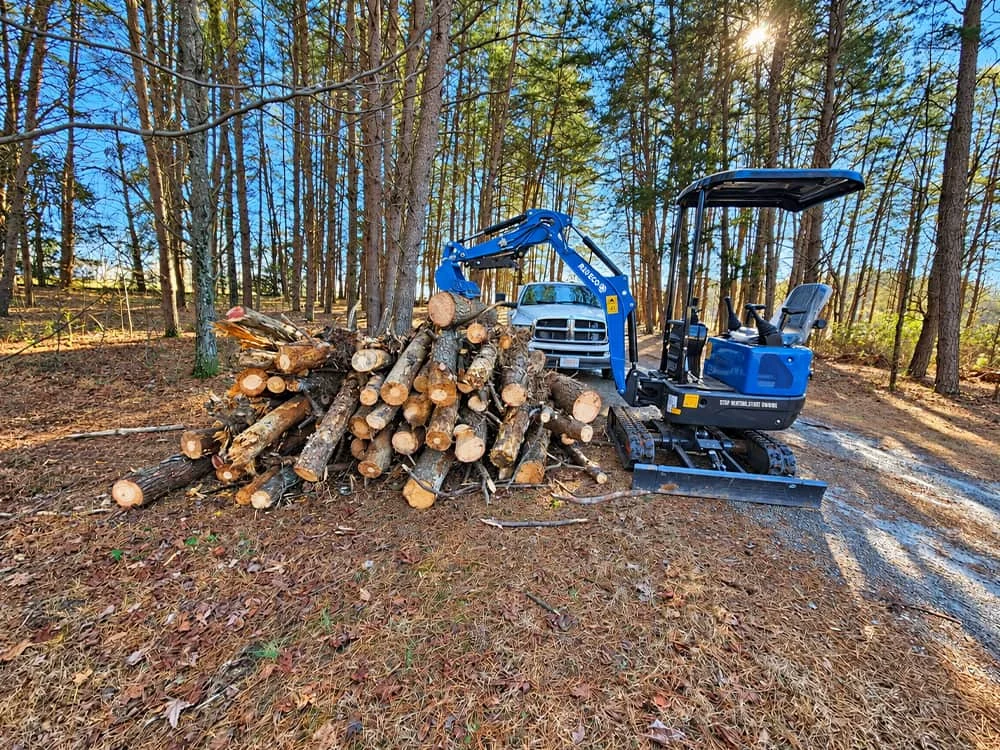
Different engine and power systems have different maintenance requirements and component configurations.
Diesel Engine Maintenance
Diesel-powered excavators require routine servicing of engine oil, filters, cooling systems, and other relevant components according to the manufacturer’s recommendations.
Depending on the engine and emissions configuration, additional systems may also require attention.
Gasoline Engine Maintenance
Gasoline engines require appropriate oil and filter servicing, along with inspection of ignition-related components such as spark plugs where fitted.
Specific service requirements depend on the engine design.
Electric Power System Maintenance
Electric excavators eliminate certain combustion-engine maintenance tasks, such as engine oil changes. However, their batteries, electrical connections, cooling equipment, and drive components still require inspection and servicing.
Routine mini excavator maintenance should always follow the manufacturer’s instructions for the specific machine.
When comparing mini excavator parts, buyers should also consider the availability of replacement components, technical documentation, and qualified service support.
For equipment dealers, understanding these differences helps with inventory planning, customer support, and long-term service arrangements.
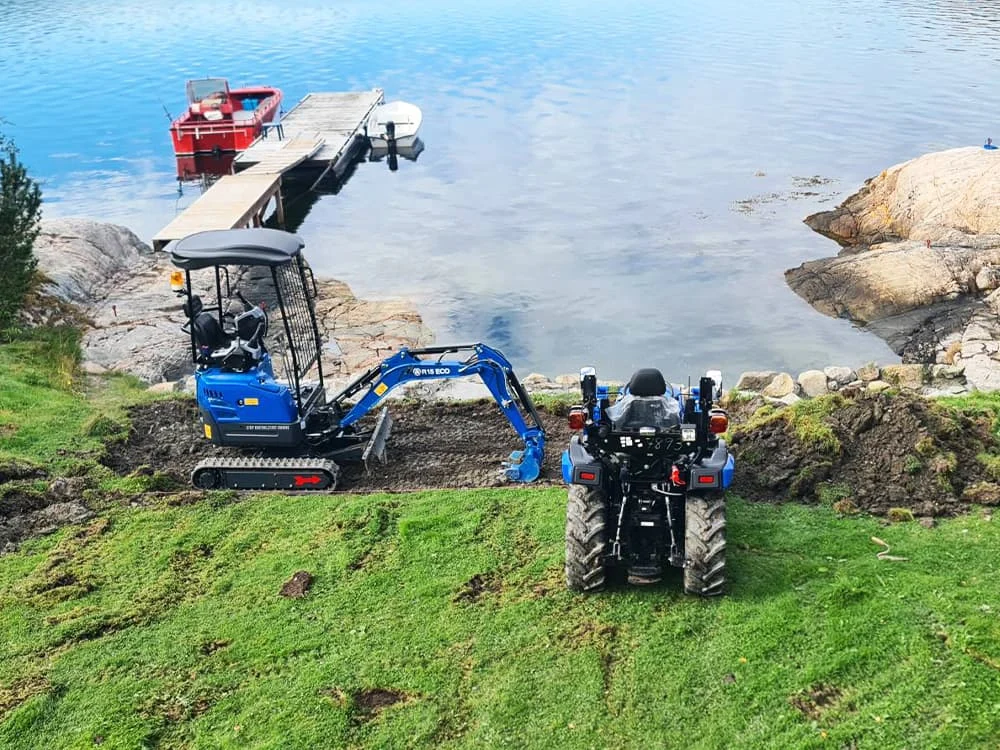
The right engine or power system depends on the customer’s working environment, operating requirements, energy availability, and local market conditions.
For general outdoor excavation, diesel-powered mini excavators are a common choice because of their established applications and refueling arrangements.
For enclosed or noise-sensitive environments, electric configurations may be worth considering where suitable machines and charging facilities are available.
Gasoline-powered configurations should be evaluated individually because they are not common across modern hydraulic mini excavator ranges.
When comparing compact excavators for sale, buyers should consider:
For equipment distributors, understanding these factors helps identify suitable machine configurations for local customers.
RIPPA is a construction machinery manufacturer offering mini excavators for different working applications. Buyers and potential distributors can contact RIPPA to confirm available engine configurations, technical specifications, and equipment suitability.
Businesses interested in expanding their construction equipment offerings can explore RIPPA distributor opportunities to discuss potential dealership cooperation and local market requirements.
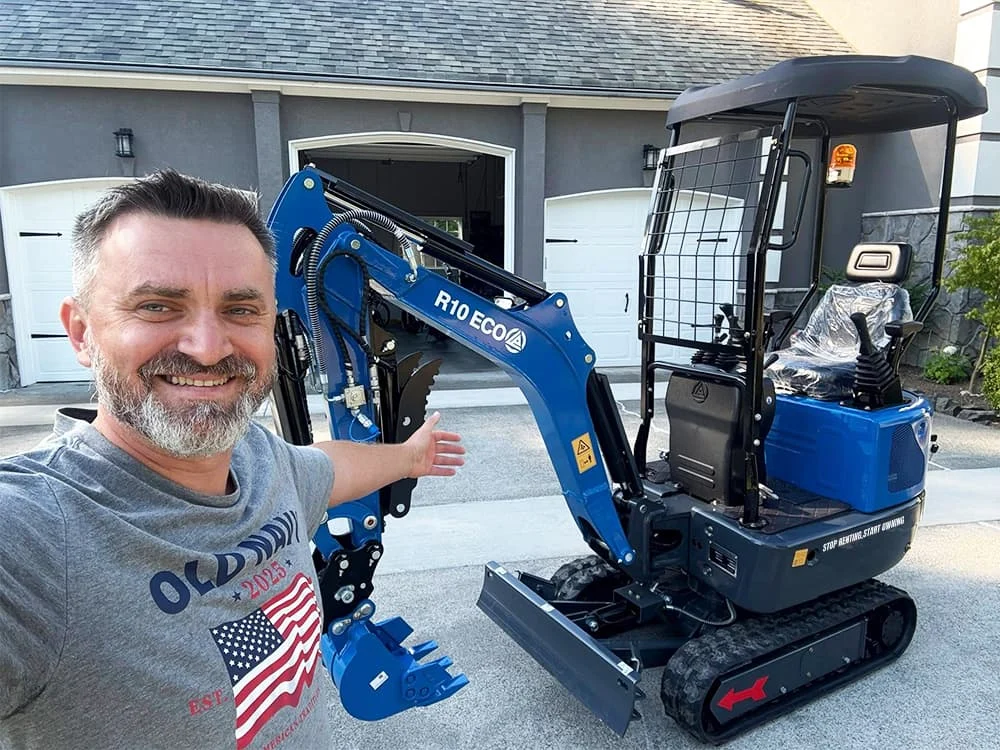
Diesel engines are the most common choice in conventional hydraulic mini excavators because they suit a wide range of construction applications.
Diesel engines are more common in modern mini excavators, but the appropriate choice depends on machine design, working requirements, fuel availability, and service support.
Diesel machines are commonly suited to outdoor excavation, while electric models may suit enclosed or noise-sensitive sites where charging is available.
Tel: +8615628788742
E-Mail: contact02@rippa.com
WhatsApp: Rippa Bagger
Adresse: Der sechste Industriepark, Jining Stadt, Provinz Shandong, China

 DE
 EN
 ES
 IT
 FR
 RU
 PT
 TR
 BG
 HR
 RO
 CS
 NN
 SL
 SV
 HU
 SK
 DA
 FI
 PL
 PT_BR

