When searching for mini excavators for sale, equipment businesses often compare two purchasing approaches: wholesale buying and purchasing through an established dealer. Both provide access to construction machinery, but they differ in purchasing volume, delivery arrangements, customer support, and overall business requirements.
Wholesale purchasing typically involves ordering equipment in larger quantities, often directly from manufacturers or distributors. Dealer buying usually involves purchasing through a local or regional equipment supplier.
For businesses planning to enter the construction equipment market, understanding these differences can help reduce purchasing risks and establish reliable supply relationships. RIPPA, a construction machinery manufacturer, offers mini excavator options for businesses exploring equipment distribution opportunities.
The primary difference between wholesale and dealer buying lies in how equipment is purchased, delivered, and supported.
Wholesale buyers often purchase multiple machines for resale or business operations. They may negotiate product configurations, order quantities, and delivery terms directly with suppliers.
Dealer buyers generally purchase equipment through established distribution networks, which may provide local product availability and service assistance.
| Comparison | Wholesale Buying | Dealer Buying |
| Purchase volume | Usually multiple units | Often individual or smaller orders |
| Supplier relationship | Manufacturer or wholesale distributor | Local or regional dealer |
| Delivery | May involve international shipping | May offer local availability |
| Product selection | Often supports bulk configurations | Depends on dealer inventory |
| Support | Based on supplier agreement | Often includes local assistance |
For businesses evaluating mini excavators for sale, neither approach is automatically better. The appropriate purchasing model depends on order volume, business capabilities, and long-term objectives.
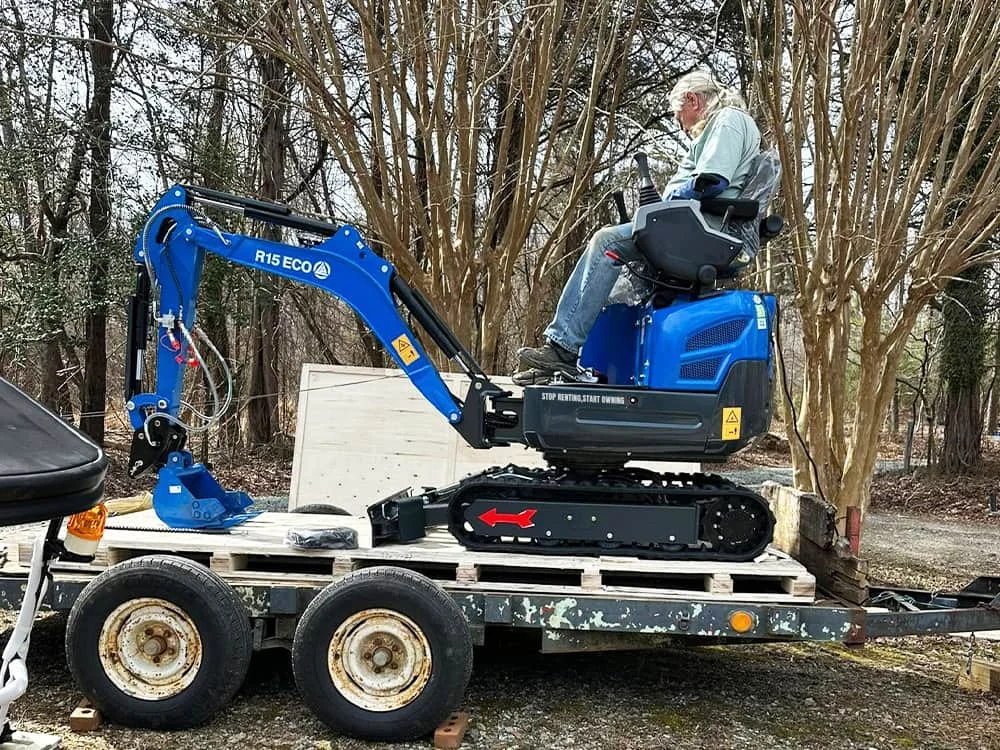
Wholesale purchasing usually begins with identifying a reliable Chinese mini excavator supplier and confirming product requirements.
Businesses should evaluate available models, technical specifications, manufacturing capabilities, and supplier communication before placing an order.
A typical wholesale purchasing process includes:
Wholesale purchasing can be suitable for businesses planning to distribute equipment in larger quantities.
However, buyers must consider import procedures, shipping coordination, inventory management, and local service responsibilities.
Clear communication with the manufacturer helps reduce misunderstandings and supports more consistent purchasing operations.
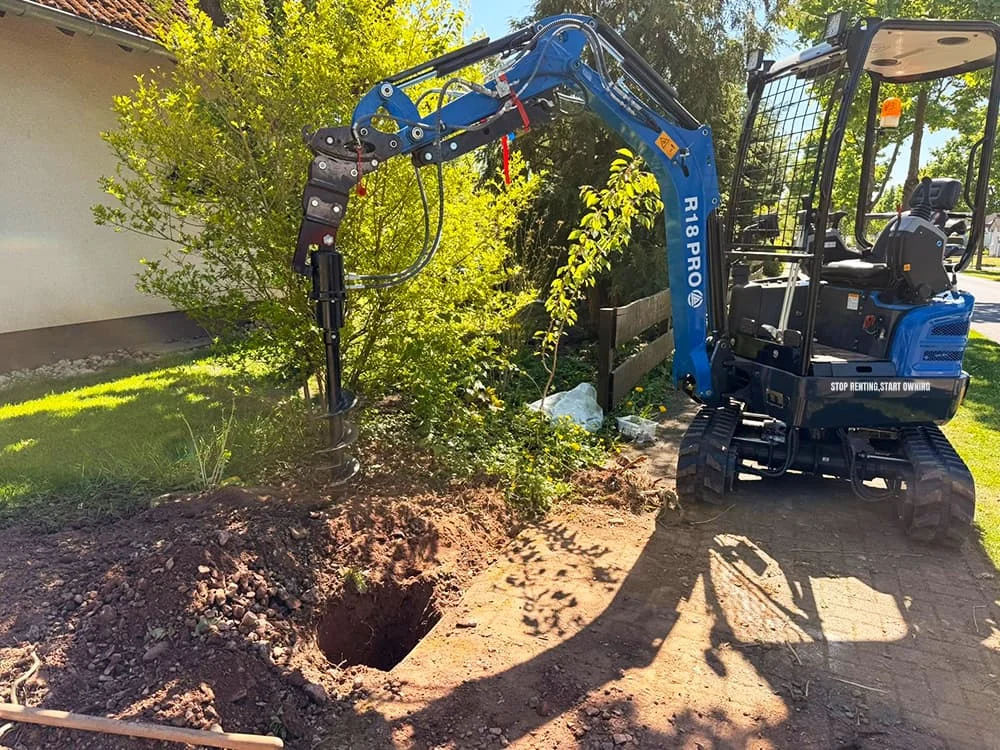
Purchasing through an equipment dealer generally provides a more localized buying experience.
A customer searching for a mini excavator for sale may prefer a regional dealer because equipment can sometimes be inspected before purchase.
Dealers may offer product demonstrations, configuration guidance, delivery coordination, and local service communication.
The purchasing process generally involves selecting a machine, checking availability, confirming specifications, reviewing commercial terms, and arranging delivery.
Dealer buying can be particularly useful for customers requiring smaller quantities or immediate equipment availability.
For businesses operating in regional construction equipment markets, established dealerships can also provide valuable customer relationships and local market knowledge.
However, equipment availability, product configurations, and service capabilities vary between dealers.
Buyers should verify warranty responsibilities, replacement parts availability, and technical assistance before making purchasing decisions.
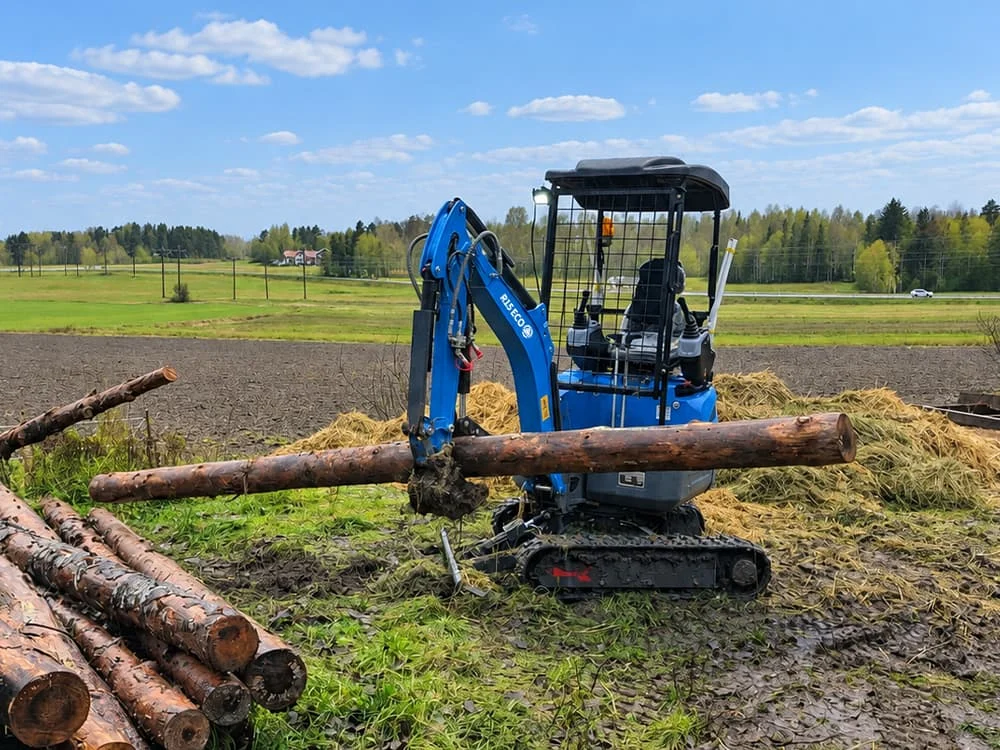
Die mini excavator price can differ between wholesale and dealer purchasing because each model involves different commercial arrangements.
Wholesale buyers may receive volume-based quotations, but larger orders often require greater upfront investment.
Additional expenses can include international freight, customs duties, taxes, storage, local transportation, and inventory financing.
Dealer purchasing may involve additional distribution expenses, but it can also provide local availability, smaller purchasing quantities, and support services.
For example, a wholesale buyer may obtain a lower per-unit supplier quotation while facing higher total logistics and inventory commitments.
A dealer buyer may pay more per machine but avoid managing international shipments and large equipment inventories.
Therefore, comparing purchase quotations alone does not provide a complete financial picture.
Businesses should evaluate the total landed cost, expected inventory turnover, service obligations, and available working capital.
For prospective distributors, understanding these expenses helps establish realistic purchasing plans and sustainable business operations.
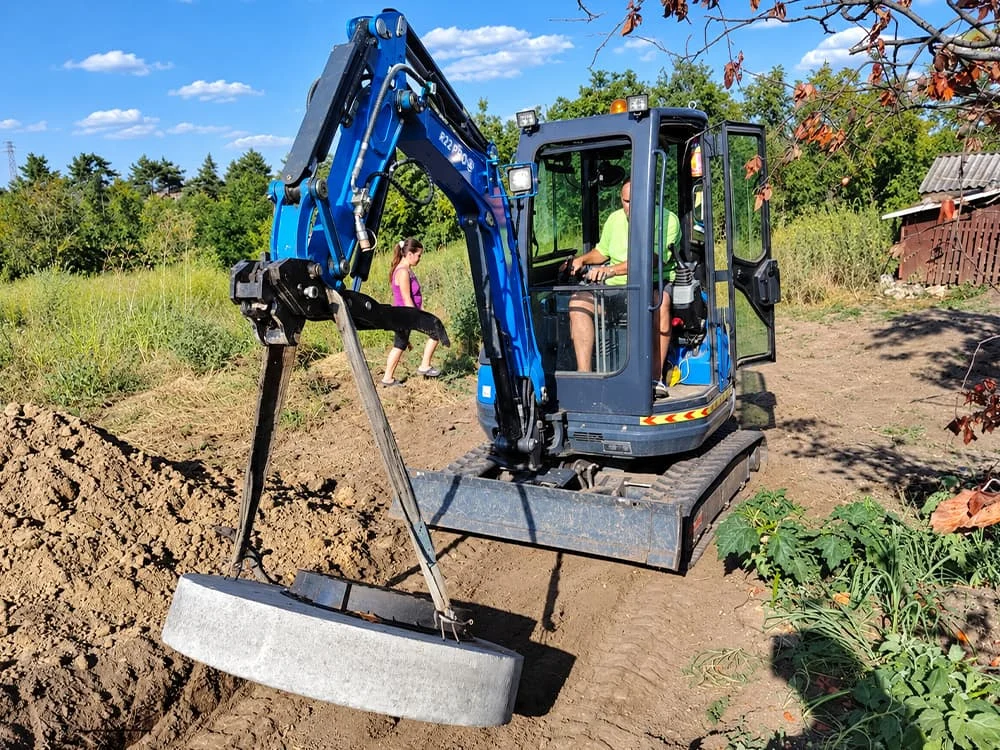
Both purchasing approaches offer advantages depending on the buyer’s business model.
Wholesale buying advantages:
Wholesale buying limitations:
Dealer buying advantages:
Dealer buying limitations:
A business searching for a small excavator for sale may prefer local availability for a specific project.
Meanwhile, a company comparing compact excavators for sale for distribution may benefit from wholesale purchasing arrangements.
The right model depends on purchasing volume, customer demand, available resources, and service expectations.
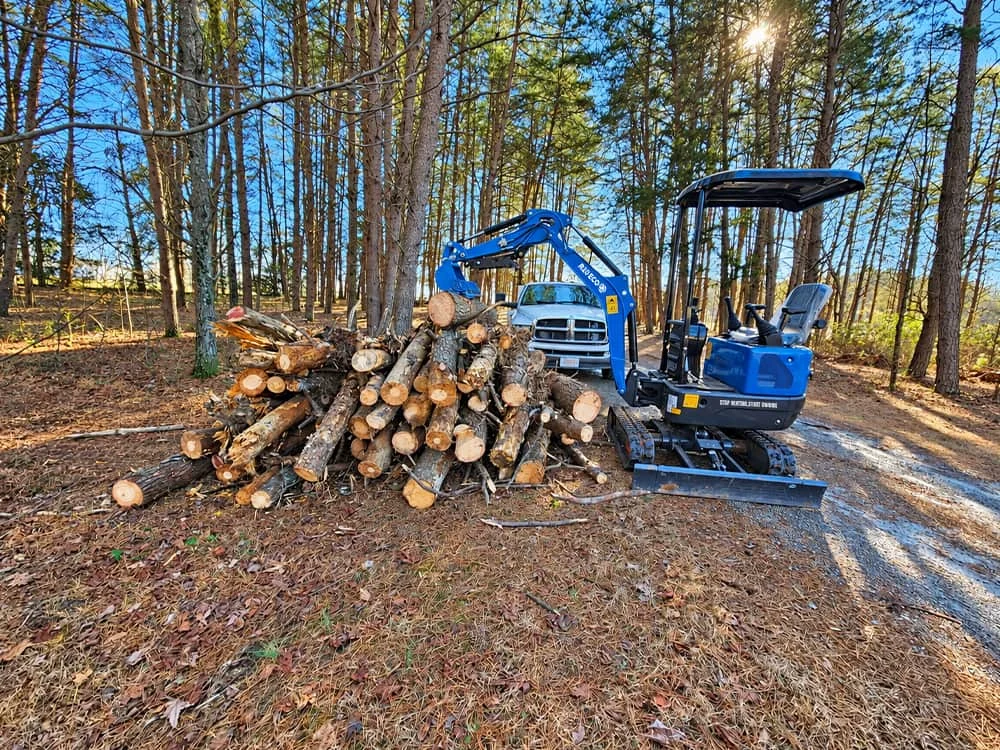
RIPPA is a construction machinery manufacturer offering mini excavator models for different construction, landscaping, agricultural, and property maintenance applications.
For businesses exploring wholesale purchasing, selecting suitable equipment involves understanding product specifications, available configurations, market requirements, and purchasing arrangements.
RIPPA provides an opportunity for interested businesses to discuss equipment options and potential distribution cooperation.
Companies evaluating mini excavators for sale can explore the RIPPA mini excavator product range to review available models.
For a mini excavator importer, important considerations include product documentation, order requirements, shipping arrangements, warranty terms, and access to replacement parts.
Businesses considering dealership cooperation should also evaluate local customer demand, service capabilities, and the equipment types best suited to their markets.
RIPPA welcomes discussions with potential partners interested in developing mini excavator distribution businesses.
Whether you are expanding an existing machinery business or exploring a new equipment product line, visit the RIPPA distributor recruitment page to inquire about dealership opportunities, product availability, and cooperation requirements.
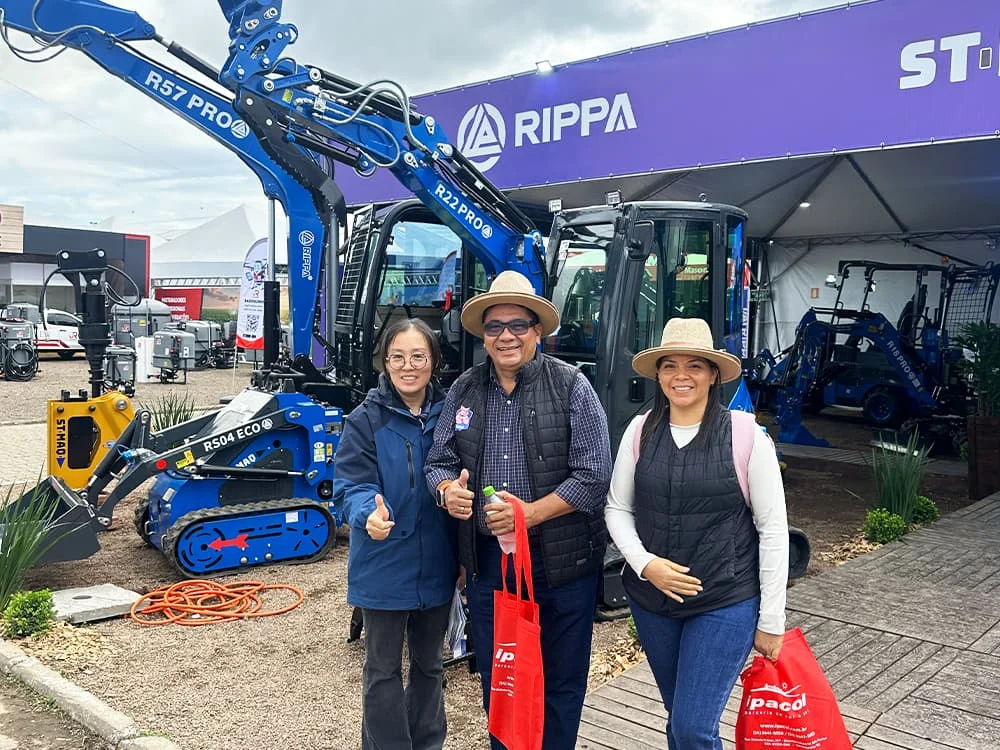
Wholesale buying may suit businesses purchasing multiple machines, while dealer buying may offer greater convenience for smaller orders and local support.
Wholesale quotations may provide volume advantages, but shipping, taxes, inventory, and other expenses affect total purchasing costs.
Interested importers can contact RIPPA to discuss direct purchasing possibilities, order requirements, and potential dealership cooperation.
Tel: +8615628788742
E-Mail: contact02@rippa.com
WhatsApp: Rippa Bagger
Adresse: Der sechste Industriepark, Jining Stadt, Provinz Shandong, China

 DE
DE  EN
EN  ES
ES  IT
IT  FR
FR  RU
RU  PT
PT  TR
TR  BG
BG  HR
HR  RO
RO  CS
CS  NN
NN  SL
SL  SV
SV  HU
HU  SK
SK  DA
DA  FI
FI  PL
PL  PT_BR
PT_BR 
