Choosing a Chinese mini excavator supplier requires a clear understanding of your target market, equipment requirements, purchasing costs, and long-term service needs. For importers, construction equipment dealers, and machinery distributors, a dependable supplier can help maintain product availability and build stronger customer relationships.
The sourcing process should begin with a business plan rather than a price comparison. Buyers need to understand which customers they intend to serve, what applications they need to support, and how equipment will be delivered and maintained after the sale.
Different markets have different requirements for compact construction machinery. A supplier that understands these differences can help buyers evaluate suitable product configurations and commercial arrangements.
Potential customers for a Chinese mini excavator include:
Each customer group may prioritize different features. For example, landscaping contractors may value maneuverability and limited ground disturbance, while construction businesses may focus on digging performance, durability, and maintenance access.
Defining your target customers makes it easier to select relevant products and avoid purchasing inventory that does not match local demand.
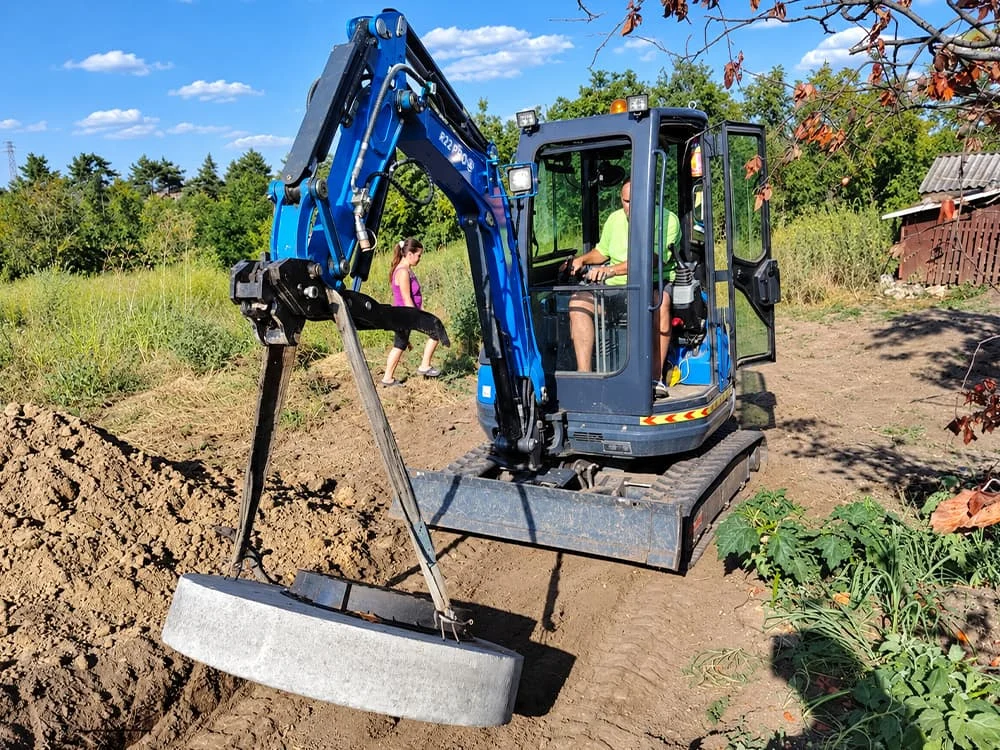
When searching for a Chinese mini excavator supplier, buyers may encounter manufacturers, export companies, and trading businesses. Each arrangement can offer a different purchasing experience.
| Supplier type | What buyers should evaluate |
|---|---|
| Direct manufacturer | Production capabilities, quality control, product range, and export support |
| Export company | Supplier relationships, documentation, communication, and order coordination |
| Trading company | Sourcing transparency, product consistency, pricing, and responsibility for after-sales support |
A direct factory relationship can provide closer communication about product configurations and manufacturing processes. However, buyers should not assume that every factory offers better quality or service than every export company.
Ask who manufactures the equipment, who handles quality inspections, who issues the commercial documents, and who will take responsibility if an order does not meet the agreed requirements.
Verifying these details helps establish accountability before payment.
The lowest quotation does not always represent the best commercial value. A complete purchasing evaluation should consider the machine, its configuration, shipping, maintenance, and expected operating requirements.
Ask each shortlisted supplier to specify:
Compare quotations on an equivalent basis. A lower price may reflect a different configuration, fewer included accessories, or different delivery responsibilities.
For commercial buyers, product evaluation should also cover routine maintenance, access to replacement parts, service documentation, and the availability of technical guidance.
Dealers should understand whether they can obtain parts independently and how the supplier handles requests involving machine identification or troubleshooting.
These details are particularly important when serving customers in remote areas or markets where local technical resources may be limited.
International sourcing involves several steps between placing an order and delivering equipment to the final customer.
Before confirming a purchase, discuss production scheduling, export packaging, transportation arrangements, customs documentation, and the responsibilities of each party.
Importers should also investigate local duties, taxes, equipment regulations, and any certification requirements that apply in the destination country.
Overseas inventory can be valuable for dealers that need faster access to selected machines or replacement parts. However, buyers should verify which products are actually stocked, whether inventory is available for immediate dispatch, and which destinations can be served.
A supplier’s warehouse network may differ by region, and availability should be confirmed before making delivery commitments to customers.
For distributors, the objective is to balance inventory investment with customer demand. Reliable forecasts and clear replenishment arrangements can help avoid unnecessary stock accumulation.
A successful supplier relationship should continue after the first shipment. Consistent communication, transparent commercial terms, and defined support procedures help both parties plan for future orders.
Before starting a long-term partnership, discuss:
Dealers should obtain written confirmation of important commitments, including any territory protection, pricing arrangements, or service expectations.
A supplier that communicates clearly and provides verifiable information is easier to evaluate than one that relies solely on broad promises.
RIPPA supplies construction machinery to international markets and works with overseas customers and dealer partners. For businesses evaluating a Chinese mini excavator supplier, the company’s product range provides a starting point for comparing equipment options.
Visit the RIPPA mini excavator range to review available products.
Before placing an order, commercial buyers should confirm the configuration, current availability, quotation, shipping arrangements, and support options that apply to their destination.
Businesses interested in distribution can also discuss their target market, sales strategy, expected purchasing volume, and local service arrangements with RIPPA.
The suitability of any supplier ultimately depends on how well its products and documented capabilities match your business requirements.
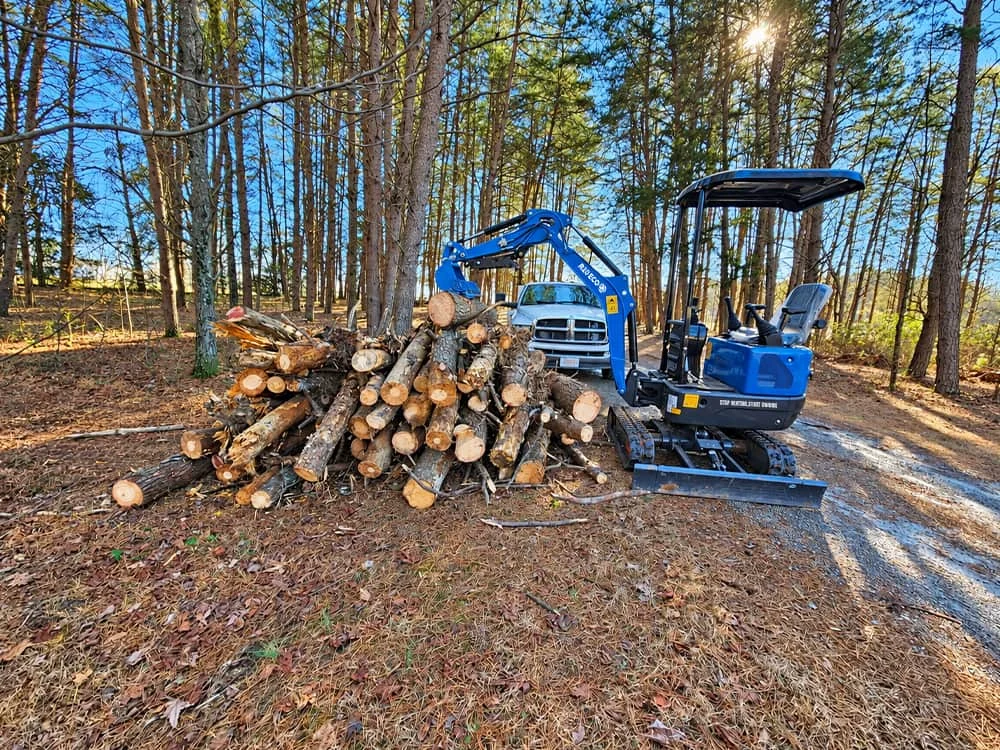
Prioritize manufacturing transparency, consistent product quality, clear quotations, export experience, spare parts access, and defined technical support procedures. Verify key information before signing an agreement.
Direct purchasing may reduce intermediary costs in some arrangements, but the final price depends on the supplier, order volume, product configuration, shipping, and payment terms. Compare the complete delivered cost rather than the factory price alone.
Depending on the transaction and destination, you may need a commercial invoice, packing list, shipping documents, product specifications, and applicable conformity or certification documents. Confirm the requirements with your customs broker or relevant local authority.
Some suppliers offer dealer-oriented purchasing arrangements, product information, parts ordering, and technical support. Available services vary, so distributors should confirm the exact scope of assistance before signing an agreement.
Verify the supplier’s identity, review the quotation and contract, confirm the machine configuration, check destination-market requirements, and establish clear shipping and issue-resolution procedures. Where practical, arrange an independent inspection before shipment.
Choosing the right Chinese mini excavator supplier is a business decision that combines product selection, supplier verification, logistics, and long-term support. Importers and dealers can make more informed decisions by comparing complete quotations, checking manufacturing capabilities, and documenting commercial expectations before ordering.
Ready to explore sourcing opportunities? Visit RIPPA’s mini excavator product page and contact the team to discuss equipment options and potential dealer cooperation.
Tel: +8615628788742
E-Mail: contact02@rippa.com
WhatsApp: Rippa Bagger
Adresse: Der sechste Industriepark, Jining Stadt, Provinz Shandong, China

 DE
DE  EN
EN  ES
ES  IT
IT  FR
FR  RU
RU  PT
PT  TR
TR  BG
BG  HR
HR  RO
RO  CS
CS  NN
NN  SL
SL  SV
SV  HU
HU  SK
SK  DA
DA  FI
FI  PL
PL  PT_BR
PT_BR 
