Importing mini excavators from China can create opportunities for equipment dealers looking to expand their product range and serve local construction, landscaping, agricultural, and utility markets. However, understanding mini excavator import requirements is essential before placing an order. Import regulations, documentation, customs procedures, taxes, and equipment standards can vary by destination country.
For businesses planning to become equipment distributors, preparing for these requirements early can help reduce avoidable delays and make supplier cooperation more efficient. The following seven steps explain what dealers should check before importing mini excavators from China.

The first step is to identify the import regulations that apply in your target market. Requirements may cover importer registration, customs declarations, machinery safety, emissions, labeling, and product documentation.
Because mini excavator import regulations differ between countries, dealers should confirm the current rules with local customs authorities and relevant regulatory agencies. Some markets may require specific conformity documents or technical records before equipment can be sold or put into service.
If you plan to import mini excavators regularly, understanding these requirements in advance can help you build a more reliable purchasing process.
Accurate paperwork is an important part of international equipment purchasing. Common mini excavator import documents may include a commercial invoice, packing list, bill of lading or other transport document, and certificate of origin when applicable.
Depending on the destination market, customs authorities may also request product descriptions, serial number information, technical documentation, or evidence of regulatory compliance.
Before ordering, confirm which documents your country requires and ask your supplier which records it can provide. Ensure that product descriptions, quantities, declared values, and shipping details are consistent across the paperwork. Missing or conflicting information can delay customs processing.
Choosing a suitable Chinese mini excavator supplier involves more than comparing quotations. Dealers should assess the manufacturer’s product range, export experience, communication, documentation capabilities, production arrangements, and ability to support long-term business cooperation.
Ask potential suppliers for clear product specifications, available configurations, quotations, and the documents needed for your market. It is also useful to clarify ordering procedures, quality inspection arrangements, spare parts availability, and how technical questions will be handled.
For businesses seeking a long-term distribution relationship, supplier stability and product suitability matter just as much as the initial purchase price.
RIPPA Group manufactures compact construction equipment, including mini excavators, for international markets. Prospective dealers can explore RIPPA mini excavator models and discuss product and distribution requirements with the company before deciding whether to proceed.
Mini excavator import duties can affect the total cost of bringing equipment into a market. The amount payable depends on factors such as the destination country, customs classification, declared customs value, product origin, and applicable trade measures.
Dealers should verify the appropriate tariff classification with a qualified customs broker or local customs authority. Depending on the country, additional charges such as import VAT, goods and services tax, or processing fees may apply.
Rather than calculating profitability from the supplier’s quotation alone, prepare a landed-cost estimate that includes the purchase price, international transportation, insurance where applicable, customs duties, taxes, and local handling charges. Confirm the applicable rates before finalizing the order.
Understanding mini excavator customs clearance procedures before shipment helps dealers prepare the required paperwork and coordinate with the relevant parties.
Check whether your business needs a customs broker, importer registration, advance declarations, or specific supporting documents. Confirm who will prepare each document and who will handle customs communication.
Before shipment, review the commercial invoice, packing list, product description, declared value, and consignee details. If any information needs correction, resolve it before the equipment leaves the supplier’s facility whenever possible.
Clear responsibilities between the buyer, supplier, freight forwarder, and customs broker can help reduce preventable documentation problems.

Mini excavator import compliance is not limited to customs paperwork. Depending on the destination, machinery may need to meet applicable safety, emissions, labeling, or conformity requirements before it can be imported, distributed, or operated.
Dealers should identify the relevant standards and determine what evidence is required. Do not assume that a document accepted in one country will automatically satisfy another market’s regulations.
Share the destination country and intended application with your supplier early. This gives both parties an opportunity to check available documentation and identify potential gaps before an order is confirmed.
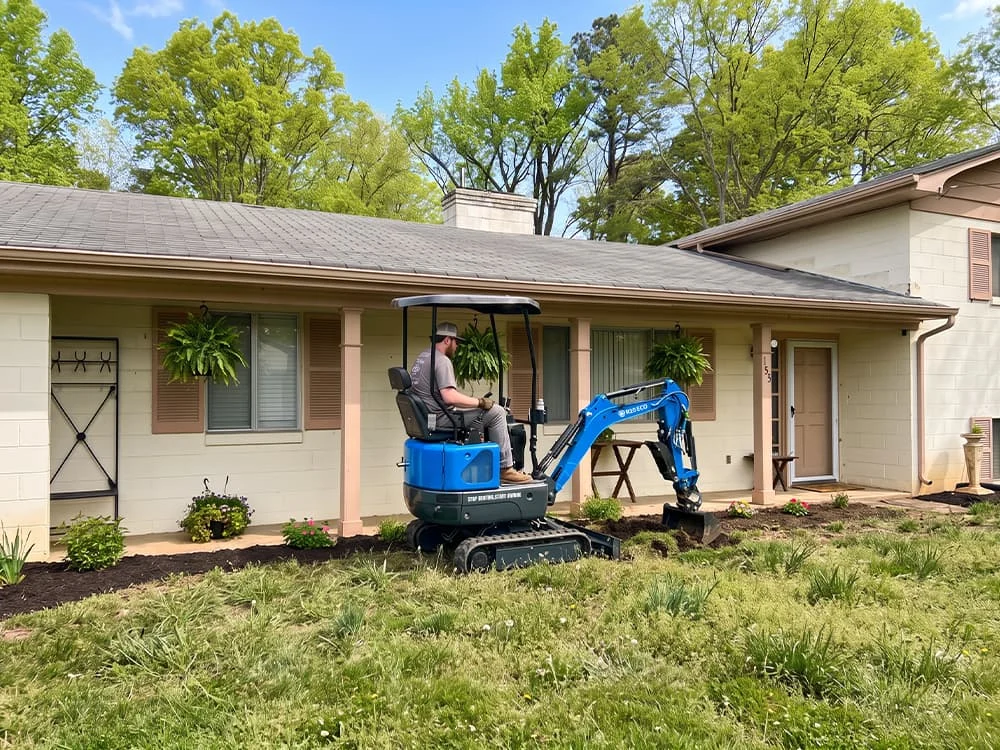
Before committing to a purchase, review the quotation, product configuration, payment terms, order schedule, inspection arrangements, and documentation responsibilities. Confirm that the machine being ordered matches the agreed description and that the supplier understands the destination market’s requirements.
It is also worth discussing how replacement parts can be ordered, how technical questions will be handled, and what support is available to distribution partners. These details become particularly important when a dealer intends to build a repeat-purchase business rather than place a one-time order.
For businesses considering a dealership, RIPPA provides a starting point for exploring its product range and discussing potential cooperation. Visit the RIPPA distributor recruitment page to learn more about distribution opportunities and contact the team about your market.
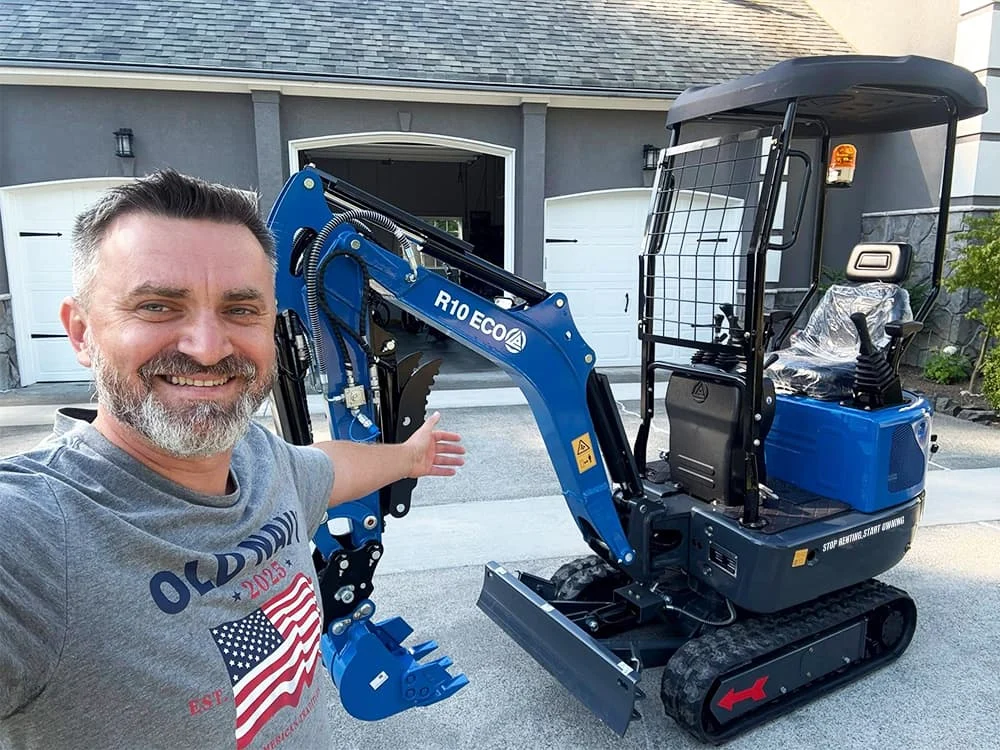
It depends on your destination country and business circumstances. Check with the local customs authority or a licensed customs broker before ordering.
Common documents include a commercial invoice, packing list, and transport document. Additional certificates or compliance records may be required by the destination country.
Duties generally depend on the tariff classification, customs value, country of origin, and applicable trade rules. Confirm the current requirements with local customs authorities.
Consult your country’s customs authority and relevant machinery regulators. You can also ask your supplier for product documentation to support your compliance review.
Tlf: +8615628788742
E-mail: contact02@rippa.com
WhatsApp: Rippa Gravemaskine
Adresse: Den sjette industripark, Jining by, Shandong-provinsen, Kina

 DA
DA  EN
EN  ES
ES  IT
IT  FR
FR  RU
RU  DE
DE  PT
PT  TR
TR  BG
BG  HR
HR  RO
RO  CS
CS  NN
NN  SL
SL  SV
SV  HU
HU  SK
SK  FI
FI  PL
PL  PT_BR
PT_BR 
