When sourcing mini excavators for sale, overseas importers and equipment dealers should verify OEM samples before committing to larger orders. Sample testing helps confirm product configurations, operating performance, branding details, and agreed quality requirements.
Approving a sample based only on appearance can create problems during mass production. Differences in equipment specifications, functional performance, or product documentation may result in costly corrections and delivery delays.
A practical OEM sample approval process includes five stages: defining requirements, testing equipment, completing an inspection checklist, evaluating results, and approving a production reference. These steps help prospective distributors make informed purchasing decisions.
Effective sample approval begins with written specifications and measurable acceptance criteria.
Define the Intended Equipment Application
Before requesting an OEM mini excavator for sale, identify your target customers and expected working environments.
A dealer supplying landscaping businesses may have different priorities from an importer serving construction contractors. Use these requirements to identify appropriate equipment categories.
Confirm the Sample Configuration
Prepare a specification sheet listing agreed engine requirements, hydraulic features, operating functions, attachments, and other relevant equipment characteristics.
The sample should represent the configuration the buyer intends to purchase rather than an unrelated demonstration machine.
Specify Branding Requirements
If private labeling is part of the agreement, provide approved logos, colors, equipment labels, and packaging instructions.
Confirm which branding details must appear on the sample before testing begins.
Set Acceptance Criteria and Responsibilities
Agree on inspection methods, required documents, responsible parties, testing location, and deadlines.
Buyers evaluating mini excavators for sale should establish these conditions before paying for samples or authorizing production.
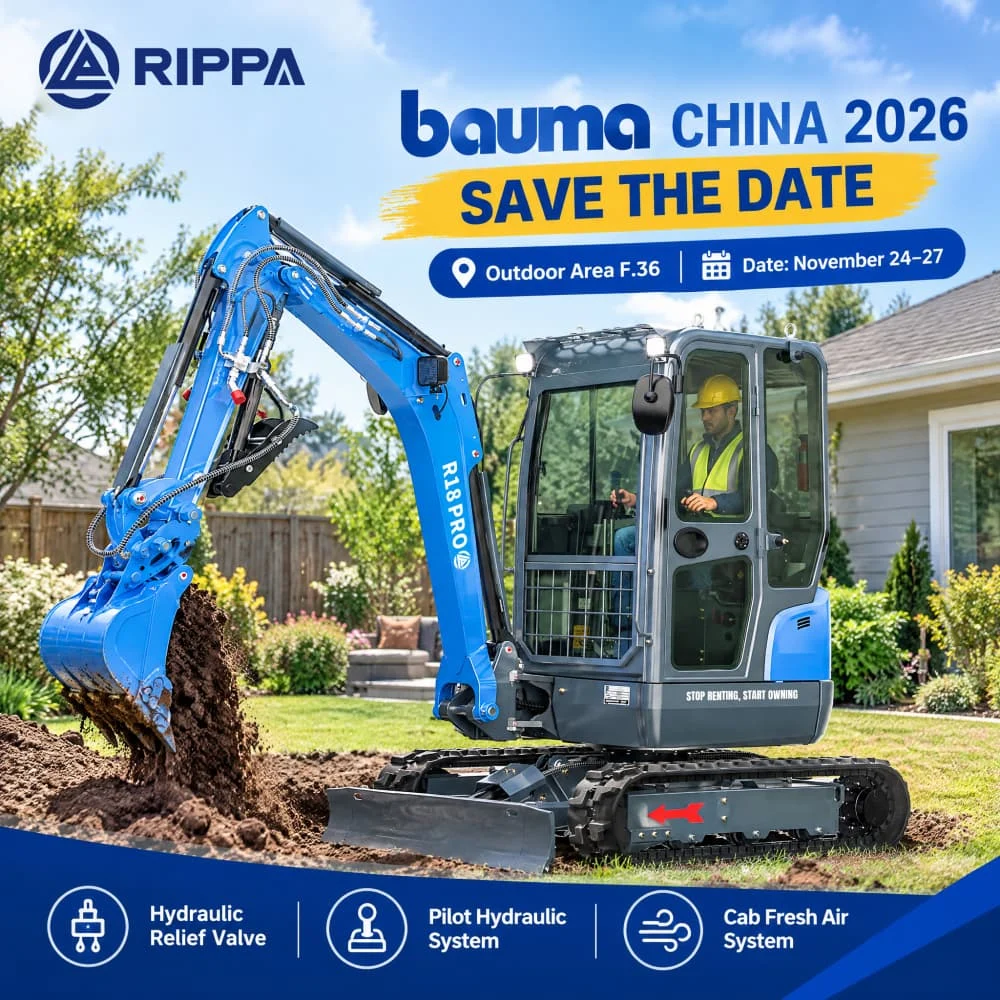
OEM sample testing should verify the machine’s configuration, operating functions, and performance against agreed requirements.
Check Equipment Configuration
When evaluating a small excavator for sale, compare the delivered sample with the approved specification sheet.
Check major components, visible assemblies, attachments, and identification labels. Record any differences requiring clarification.
Test Engine and Hydraulic Functions
Follow the manufacturer’s operating instructions and use qualified personnel to conduct the tests.
Observe starting behavior, operating stability, hydraulic movements, and visible signs of abnormal leakage.
Any measured performance requirements should be evaluated using agreed procedures and acceptance limits.
Evaluate Travel and Working Functions
For businesses considering compact excavators for sale, test appropriate travel, turning, slewing, boom, arm, and bucket functions.
Where suitable and safe, conduct representative operating tasks under controlled conditions.
Inspect Safety-Related Functions
Check the safety features and protective components included in the agreed equipment configuration.
Any safety-critical defect should be documented and resolved before sample approval.
Record Test Evidence
Use photographs, videos, inspection notes, and agreed measurements to document results.
Clear records help buyers explain concerns to manufacturers and compare revised samples with earlier versions.
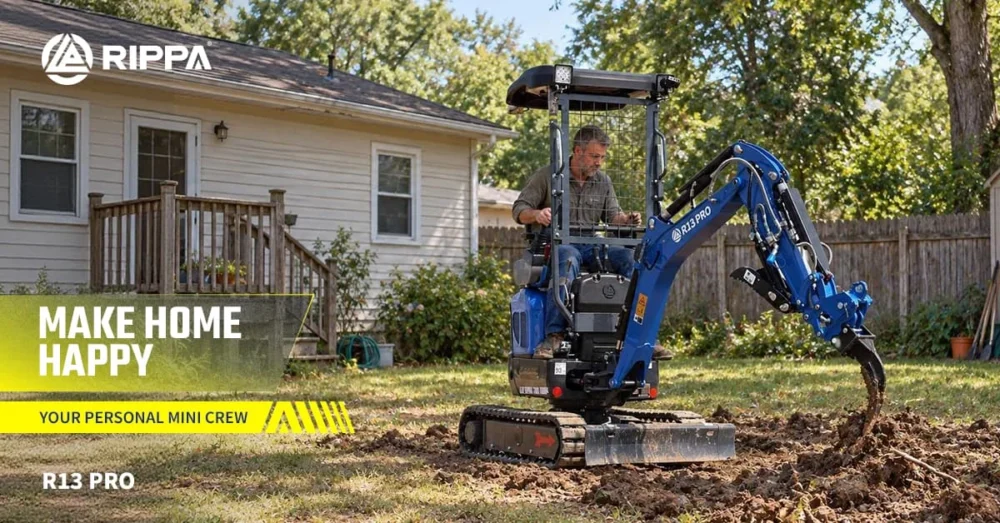
A structured mini excavator inspection checklist helps ensure that important approval items are not overlooked.
Appearance and Branding
Check equipment paint, visible welds, panels, labels, logos, and packaging against approved references.
Record visible damage, inconsistent finishes, or unauthorized branding changes.
Mechanical and Hydraulic Condition
Inspect accessible connections, fluid levels where applicable, hoses, fittings, and observable hydraulic functions.
Check for abnormalities using the manufacturer’s recommended procedures rather than relying only on visual appearance.
Operational Performance
Verify starting, travel, slewing, and working attachment functions under the agreed test conditions.
Mark each item as passed, failed, or requiring further verification.
Maintenance and Technical Documentation
Confirm whether the sample includes the agreed operation manual, service instructions, and relevant technical records.
Review mini excavator maintenance guidance, including routine inspection information and accessible service points.
Inspection Records
For each checklist item, record the requirement, observed result, evidence, responsible reviewer, and any corrective action.
An organized checklist becomes an important reference for the formal approval decision.
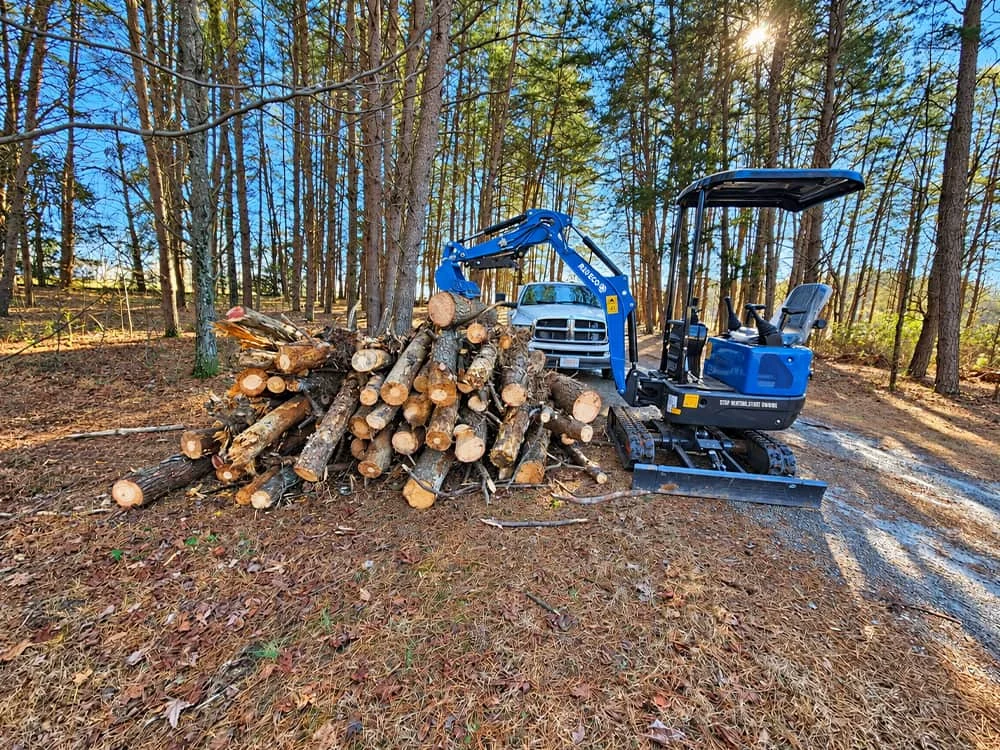
Testing is useful only when the results lead to a clear and documented decision.
Compare Results with Agreed Standards
Review the inspection checklist against the approved specifications and acceptance criteria.
For every deviation, record the affected component, observed issue, and required corrective action.
Classify Sample Approval Decisions
Use three practical decision categories:
For any mini excavator for sale intended for OEM distribution, the buyer and manufacturer should agree on how these decisions will be documented.
Require Corrective Actions and Retesting
When a sample does not pass, request a written corrective-action plan.
Confirm which changes will be made, who is responsible, and how the revised equipment will be evaluated.
A sample should not receive final approval merely because a manufacturer promises future corrections.
Issue Written Sample Approval
Once accepted, document the approval date, equipment identification, specification revision, test results, and authorized signatories.
Retain the supporting evidence for future production comparisons.
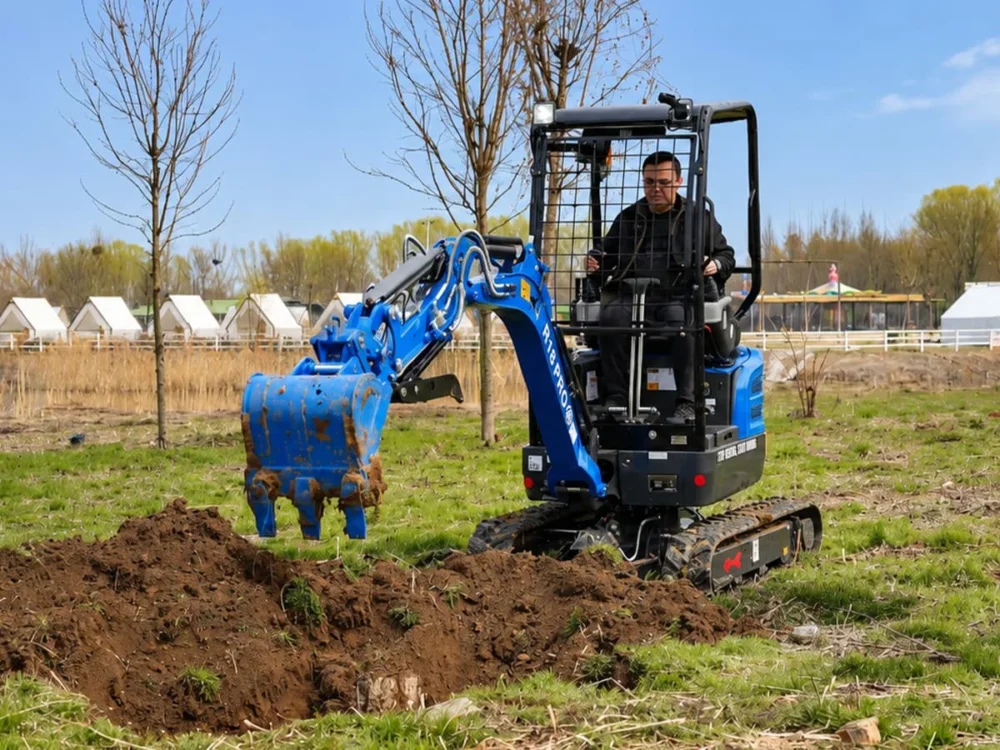
Once the OEM sample passes inspection, buyers must establish how the approved requirements will be maintained during production.
Confirm the Approved Production Reference
Work with your Chinese mini excavator supplier to identify the approved sample, specification documents, photographs, and branding materials.
These records should define the agreed production reference and applicable configuration requirements.
Review Sample Costs and Bulk Pricing
Clarify sample charges, transportation expenses, applicable customization fees, and whether any sample costs may be credited against future orders.
When comparing mini excavator price quotations, confirm that the production equipment matches the approved sample configuration.
Establish Production Consistency Controls
Agree on how production units will be checked against the approved sample.
Define inspection checkpoints, change-control procedures, nonconforming-product handling, and any required pre-shipment verification.
Sample approval does not automatically guarantee that every production unit will meet the same standard.
Confirm Production and Delivery Arrangements
Before authorizing the order, confirm purchase quantities, production schedules, payment conditions, and delivery responsibilities.
Any changes to approved specifications should require appropriate written authorization.
Explore RIPPA Distribution Cooperation
For overseas importers and equipment dealers, a documented sample approval process can support more confident purchasing decisions.
RIPPA is a construction machinery manufacturer serving international equipment buyers and potential distribution partners.
Businesses interested in equipment sourcing and dealership cooperation can explore RIPPA distributor opportunities to discuss purchasing requirements, equipment supply, and potential long-term partnerships.
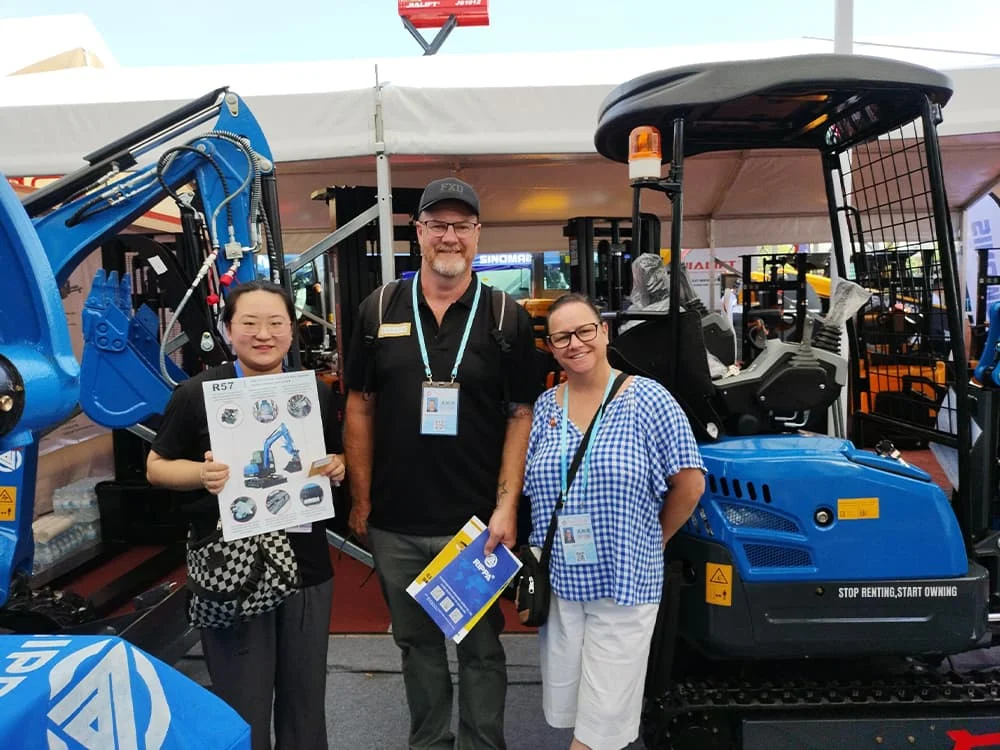
Buyers should verify agreed configurations, operating functions, safety-related features, branding, and documentation against written acceptance criteria.
Document the defects, request corrective actions, and retest the affected requirements before considering approval.
Keep approved specifications and inspection records, require written change approval, and establish production quality checks.
Tel: +8615628788742
E-mail: contact02@rippa.com
WhatsApp: Rypadlo Rippa
Adresa: Šestý průmyslový park, město Jining, provincie Shandong, Čína

 CS
 EN
 ES
 IT
 FR
 RU
 DE
 PT
 TR
 BG
 HR
 RO
 NN
 SL
 SV
 HU
 SK
 DA
 FI
 PL
 PT_BR

