OEM customization allows equipment businesses to develop mini excavators with their preferred branding, appearance, and selected configurations. It can help distributors create a recognizable product identity and serve specific customer markets without establishing their own manufacturing facilities.
For businesses exploring mini excavators for sale, understanding OEM customization is important before developing a private-label equipment business.
A successful project requires clear customization requirements, technical confirmation, quality inspections, and reliable cooperation with a manufacturing partner.
This guide explains what can be customized, how to select suitable options, how the customization process works, and what buyers should verify before placing an OEM order.
OEM customization can cover equipment branding, appearance, selected configurations, and supporting materials. Available options depend on the manufacturer’s capabilities and technical requirements.
Brand Logos and Labels
Businesses may request company logos, product decals, identification labels, and other approved branding materials.
Consistent branding helps distributors establish a recognizable identity across their equipment offerings.
Equipment Colors and Appearance
Exterior colors, decorative elements, and certain appearance details may be customized to match a company’s brand identity.
Equipment Configurations
Depending on technical feasibility, manufacturers may offer configuration choices related to operator comfort, attachments, and equipment accessories.
Changes affecting safety or performance require appropriate technical review.
Packaging and Documentation
Some OEM arrangements also allow customized packaging, product labels, operating information, and marketing materials.
For distributors offering mini excavators for sale, these options can support brand differentiation.
However, buyers should confirm each customization request with the manufacturer instead of assuming every modification is available.
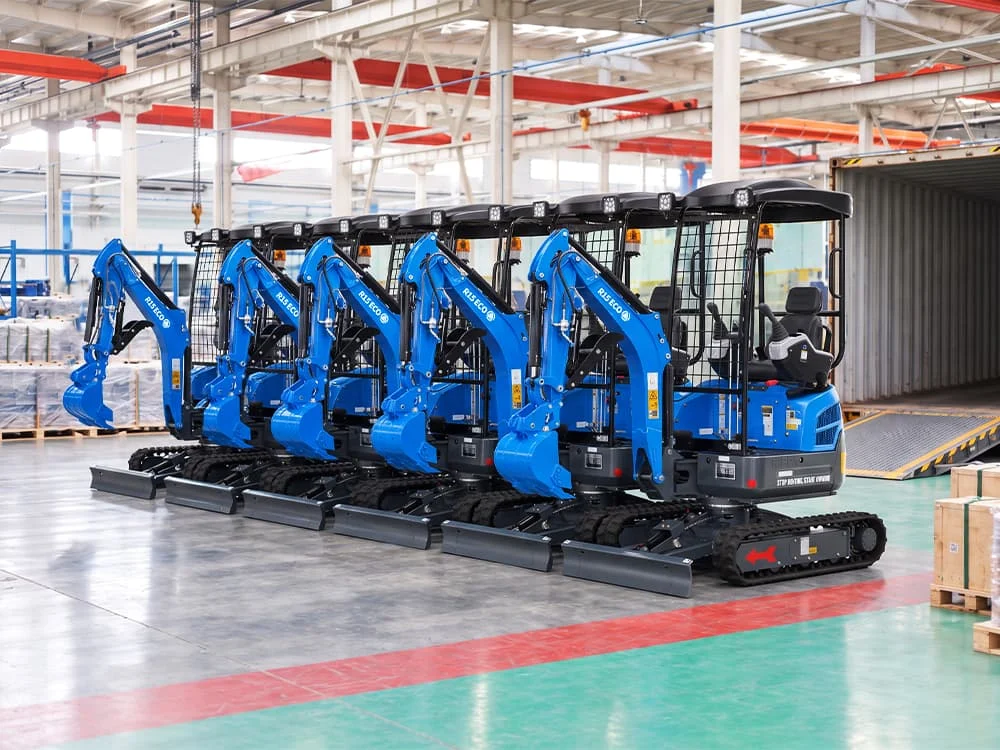
Selecting customization options should begin with customer needs and market positioning rather than appearance alone.
Identify Your Target Customers
Determine whether your customers include construction contractors, landscaping businesses, agricultural operators, or equipment dealers.
Understanding their applications helps identify which equipment features and accessories are relevant.
For example, customers searching for a small excavator for sale may prioritize easy transportation, compact dimensions, and accessibility.
Define Your Brand Identity
Choose appropriate logos, colors, product labels, and presentation materials that match your business image.
A consistent appearance helps customers recognize your brand.
Prioritize Practical Requirements
When evaluating a mini excavator for sale, consider whether the proposed customization improves customer convenience, equipment usability, or after-sales support.
Avoid unnecessary changes that add complexity without providing clear customer benefits.
Confirm Technical Feasibility
Discuss every proposed modification with the manufacturer.
Customization decisions should account for compatibility, safety, production feasibility, and applicable market requirements.
Prepare a Customization List
Document required changes, preferred options, and items that must remain unchanged.
This list provides a practical reference during project discussions and approval.
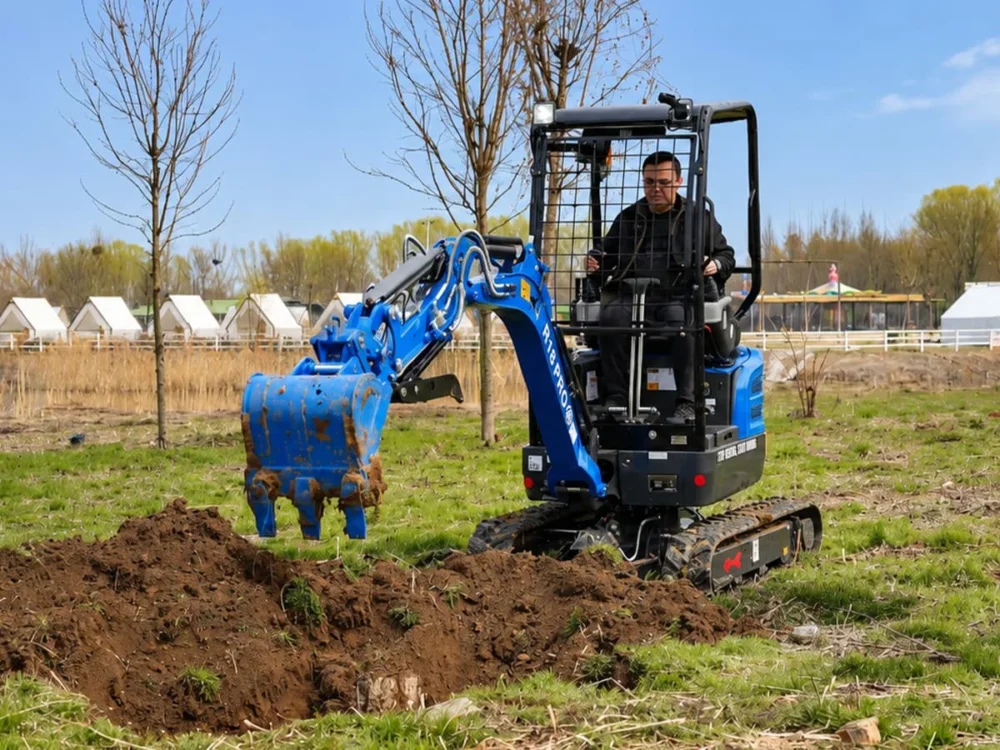
A structured customization process helps buyers communicate requirements and reduce misunderstandings.
The buyer provides branding materials, preferred appearance details, equipment requirements, and intended market information.
Requirements should be recorded in a clear written specification.
The manufacturer evaluates technical feasibility, available configurations, and production conditions.
When working with a Chinese mini excavator supplier, buyers should confirm which customization requests can be supported before making commercial commitments.
Both parties review drawings, branding layouts, configuration lists, and relevant technical information.
Any limitations or alternative solutions should be documented.
Where appropriate, a sample machine or representative customization example can be reviewed before larger-scale production.
The buyer should identify necessary changes and approve the final requirements.
Once the specifications are agreed upon, the parties finalize order conditions, production arrangements, inspection requirements, and delivery responsibilities.
Before shipment, the completed equipment should be checked against the approved customization specifications.
Written approval records help clarify responsibilities and reduce disputes.
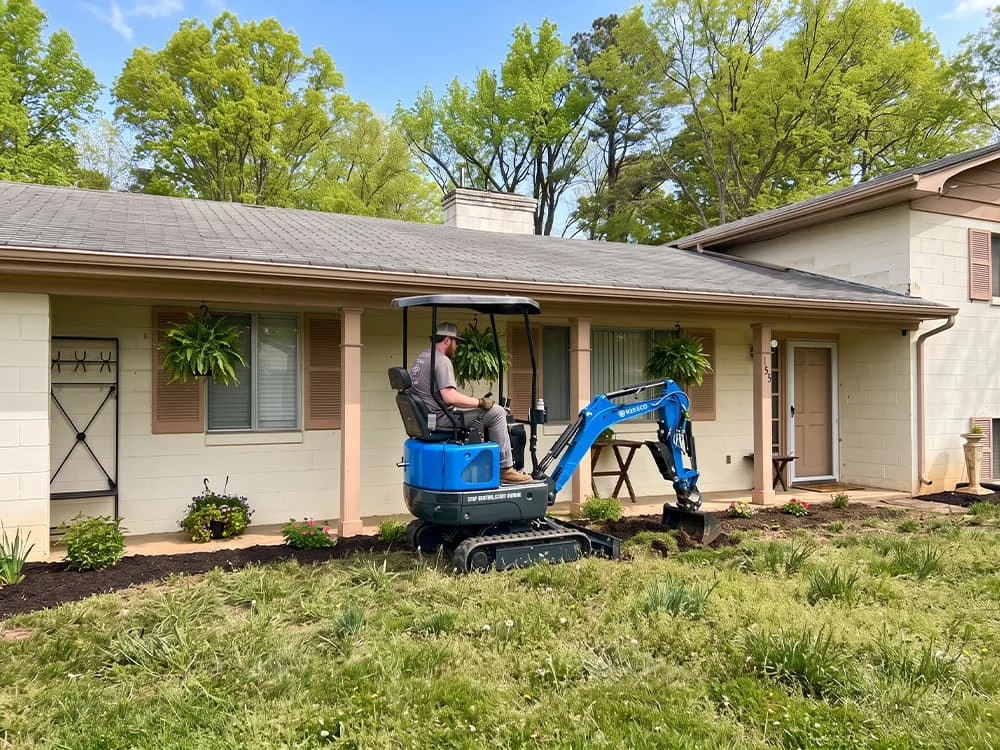
Customization quality should be evaluated throughout the project rather than only after production.
Check Branding Accuracy
Verify logo positioning, colors, labels, and other customized appearance details against the approved design.
Inspect Equipment Condition
Check visible assembly quality, exterior components, and the condition of customized accessories.
Where relevant, review the manufacturer’s inspection and functional testing records.
Confirm Attachment Compatibility
For distributors offering compact excavators for sale, attachment compatibility can influence customer satisfaction.
Requested attachments should match the approved machine configuration and manufacturer requirements.
Verify Spare Parts Compatibility
Confirm that customized configurations use correctly identified mini excavator parts.
Buyers should request suitable parts documentation to support future maintenance and replacement orders.
Review Sample Approval Records
Compare the finished equipment with the approved sample or documented customization requirements.
Any differences should be addressed before final acceptance.
Document Inspection Results
Record inspection findings, photographs, required corrections, and final approval decisions.
Clear quality records help buyers verify that the delivered customization matches the original agreement.
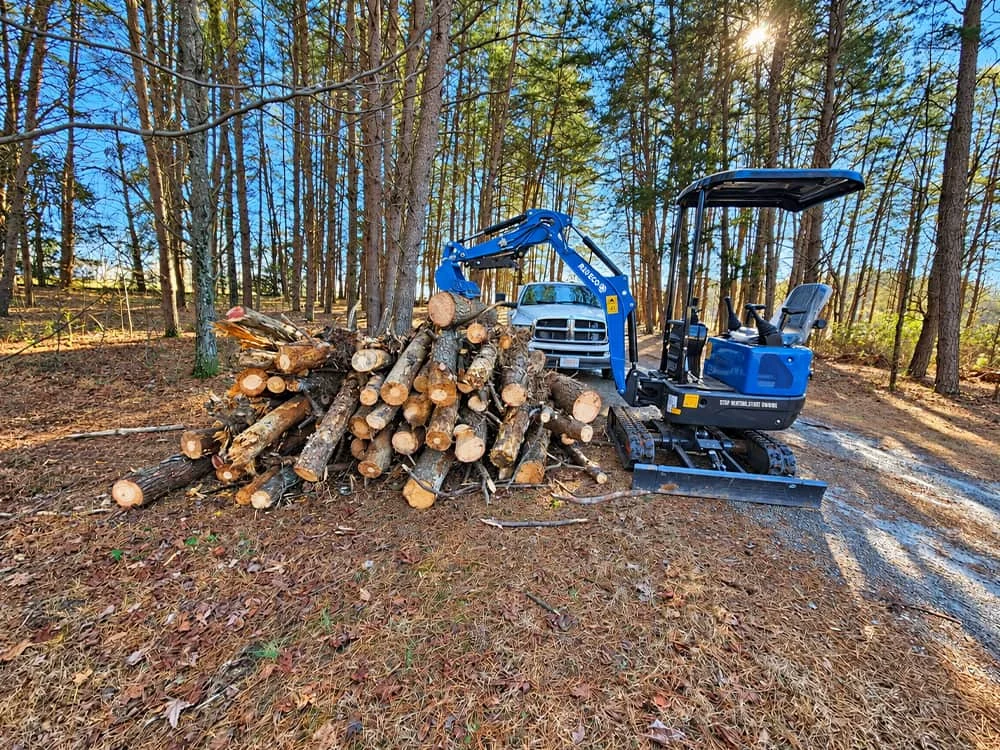
Before placing an OEM order, buyers should verify the commercial, technical, and delivery arrangements.
Customization Specifications
Confirm approved logos, colors, configurations, accessories, packaging, and documentation.
All requirements should be included in written order specifications.
Minimum Order Requirements
Ask about minimum order quantities, sample availability, and whether different customization options require separate production arrangements.
Order and Delivery Terms
Clarify payment conditions, production schedules, delivery responsibilities, and procedures for handling changes.
Quality Acceptance
Agree on inspection standards, sample approval procedures, and how nonconforming equipment will be addressed.
Import Compliance
Review applicable mini excavator import requirements in the destination market.
These may include emissions regulations, product conformity, safety documentation, and customs requirements.
Requirements vary by country and must be verified before shipment.
After-Sales Responsibilities
Confirm warranty conditions, replacement parts procedures, technical documentation, and communication responsibilities.
Branding Rights
Make sure the agreement clearly addresses the permitted use of logos, product designs, and other intellectual property.
Careful confirmation helps reduce misunderstandings and supports more predictable OEM cooperation.
RIPPA is a construction machinery manufacturer serving international equipment buyers and distribution partners. Businesses interested in customized mini excavators can contact RIPPA about distributor opportunities to discuss available options, cooperation requirements, and potential business partnerships.
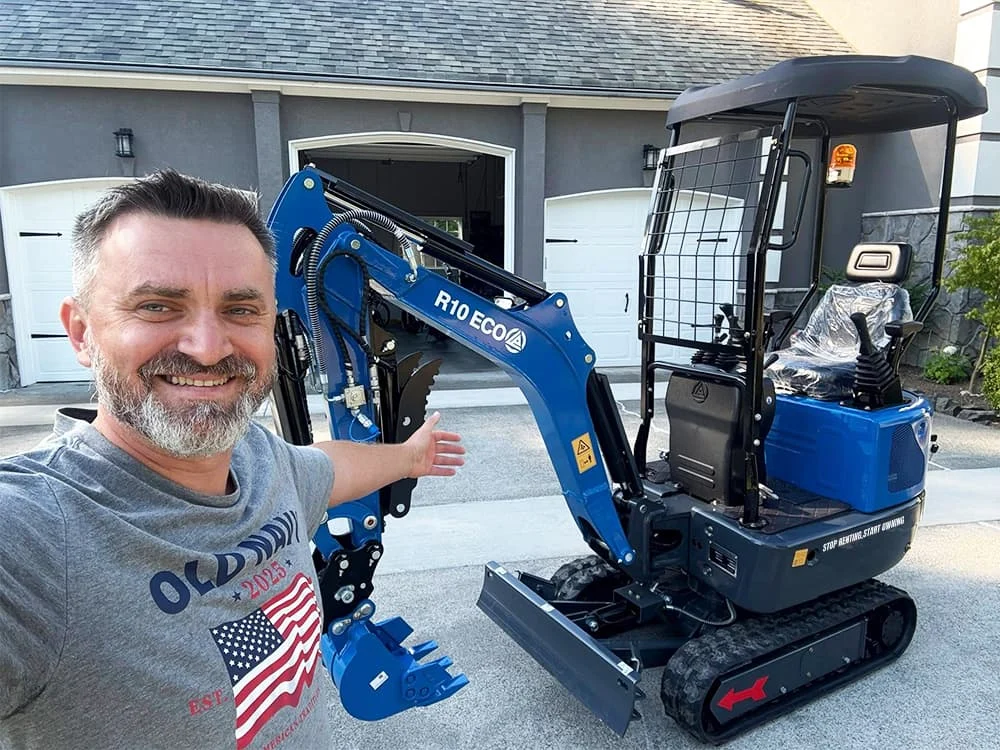
Logo and color customization may be available depending on the manufacturer, equipment design, and order requirements.
Sample approval is recommended when practical, especially for customized branding, appearance, or equipment configurations.
The timeline depends on customization complexity, sample approval, component availability, and production scheduling.
Tel: +8615628788742
E-mail: contact02@rippa.com
WhatsApp: Rypadlo Rippa
Adresa: Šestý průmyslový park, město Jining, provincie Shandong, Čína

 CS
 EN
 ES
 IT
 FR
 RU
 DE
 PT
 TR
 BG
 HR
 RO
 NN
 SL
 SV
 HU
 SK
 DA
 FI
 PL
 PT_BR

