If you are looking for a mini excavator for sale, start with the job rather than the machine price. The right compact excavator should fit your working area, digging requirements, transportation method, and the type of projects you handle most often.
For U.S. contractors, landscapers, farmers, utility workers, and property owners, a compact excavator can be a practical choice for projects where a full-size machine is too large or difficult to transport.
The right size depends on what you need to dig and where the machine needs to work. A smaller machine is generally easier to transport and maneuver, while a heavier compact excavator can provide greater working capability for demanding construction projects.
For residential landscaping, fence installation, drainage, irrigation, and small utility work, a compact machine may provide enough capacity without taking up excessive space. Larger excavation, deeper trenching, and tougher ground conditions may require a machine with more operating weight and digging capability.
Access should be one of the first things you measure before buying. Check the width of gates, driveways, paths, and other entrances to make sure the excavator can reach the job site without creating unnecessary access problems.
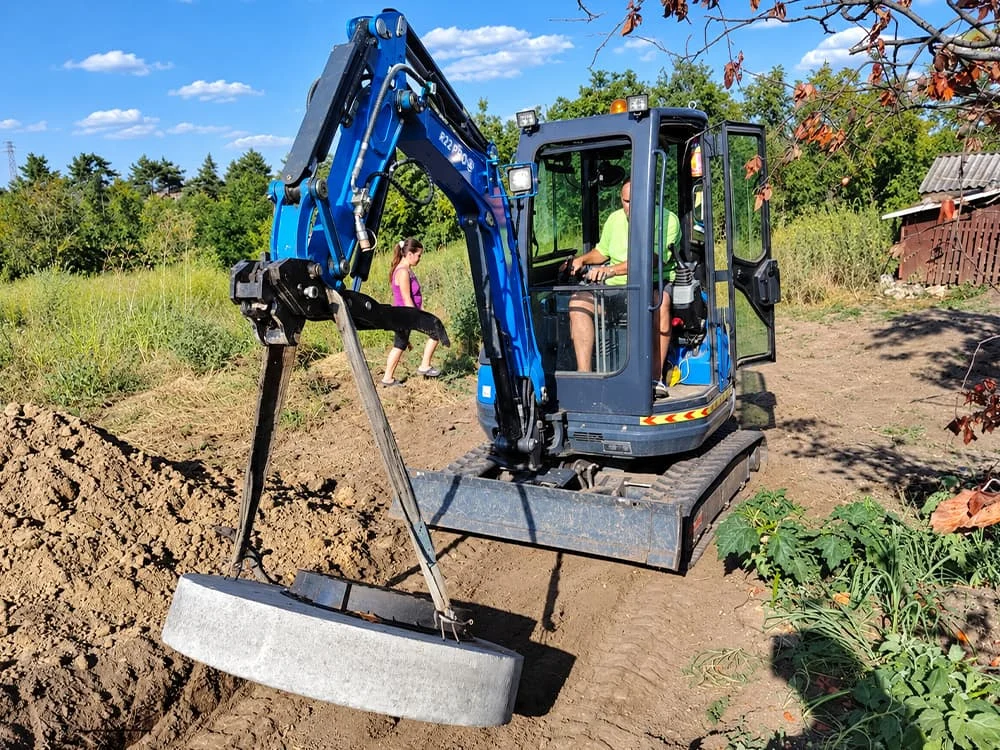
A small excavator is designed to provide useful digging capability while remaining compact enough for restricted work areas. This makes it suitable for residential construction, landscaping, agricultural projects, drainage, site preparation, and property maintenance.
A micro mini excavator is an option when access is even more limited. Narrow residential entrances, backyard projects, garden work, and jobs around existing structures may benefit from an ultra-compact machine.
However, the smallest machine is not always the best choice. If you regularly work with hard soil, deeper trenches, larger buckets, or heavier attachments, moving up to a larger compact excavator can improve productivity and reduce the time required to complete each job.
The goal is to match machine size with actual workload. Buying more capacity than you need can increase transportation and operating requirements, while choosing a machine that is too small can limit the jobs you are able to take.
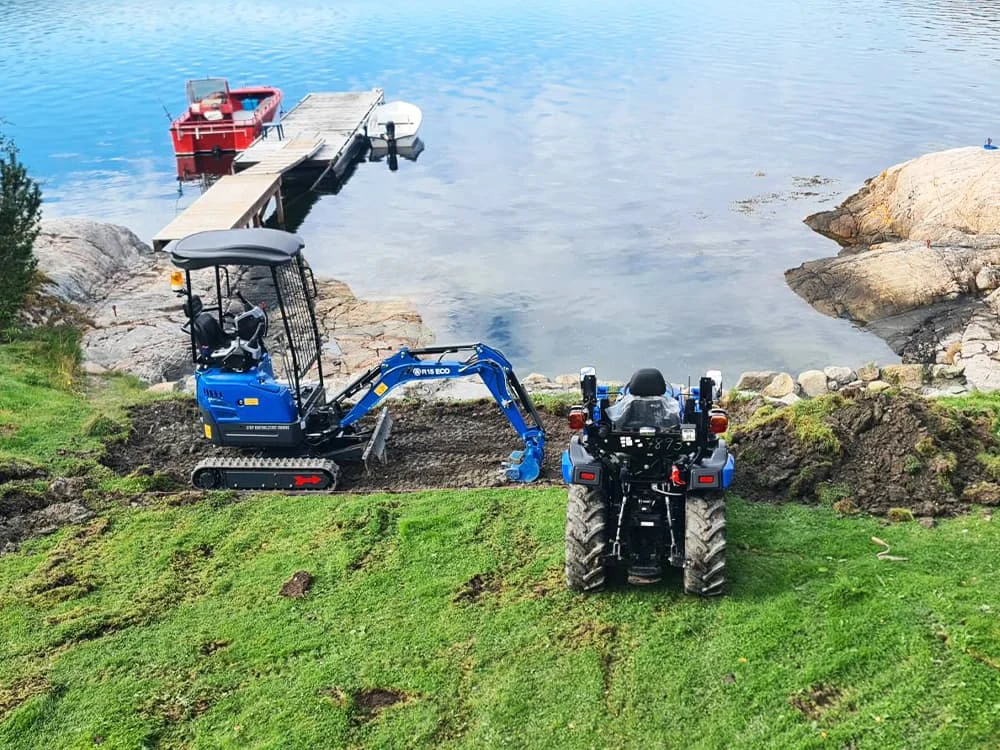
A mini digger can handle many jobs that would otherwise require significant manual labor. Common applications include trenching, drainage installation, landscaping, fence posts, irrigation lines, driveway preparation, small foundations, and general property improvement.
The machine becomes even more versatile when equipped with the right attachments. Depending on the configuration, buckets, augers, breakers, rippers, grapples, and other tools can expand the range of tasks a compact excavator can perform.
For contractors, this flexibility can be important because one machine may be used across different job sites. Instead of purchasing separate equipment for every small task, a properly configured excavator can support several types of work.
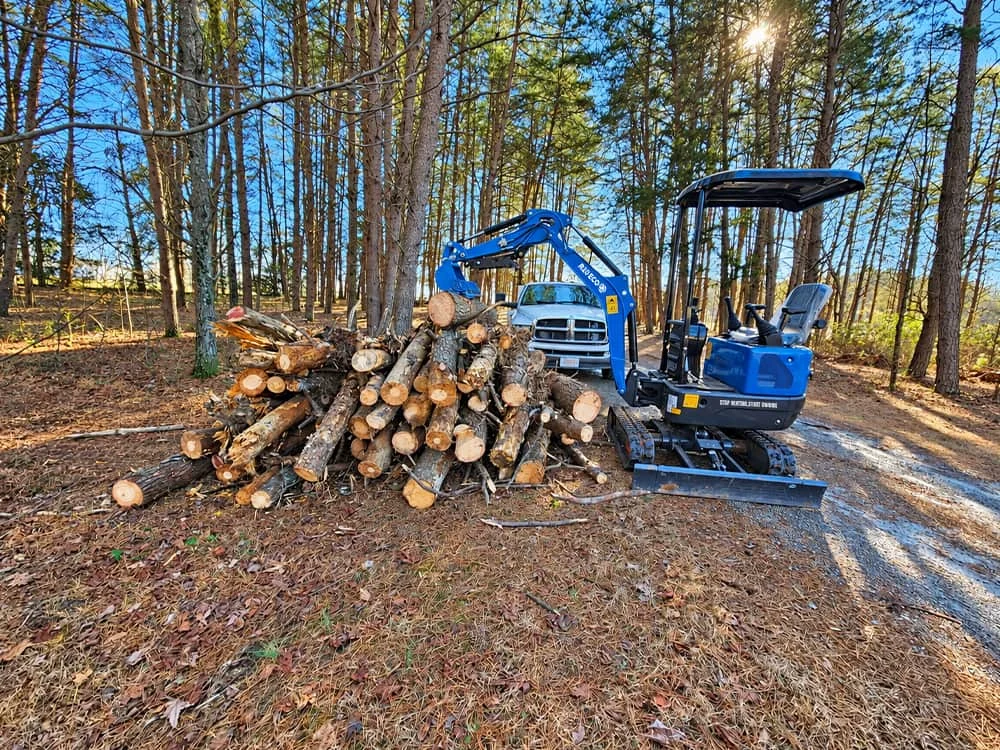
Mini excavator rental can make sense when you only need equipment for a short project. Renting allows users to access a machine without making a large upfront investment, which can be useful for occasional property work or one-time construction projects.
However, rental costs can include more than the daily equipment rate. Delivery, pickup, transportation, rental duration, attachments, and scheduling can all affect the actual cost of completing a project.
If excavation is a regular part of your business, ownership may provide greater flexibility. Having your own machine means you can schedule jobs without depending on rental availability and can keep the equipment configured for the work you perform most often.
Before choosing between rental and purchasing, estimate how frequently you expect to use the machine. Contractors with recurring excavation work may find that owning equipment makes more sense over time, while occasional users may prefer the flexibility of renting.
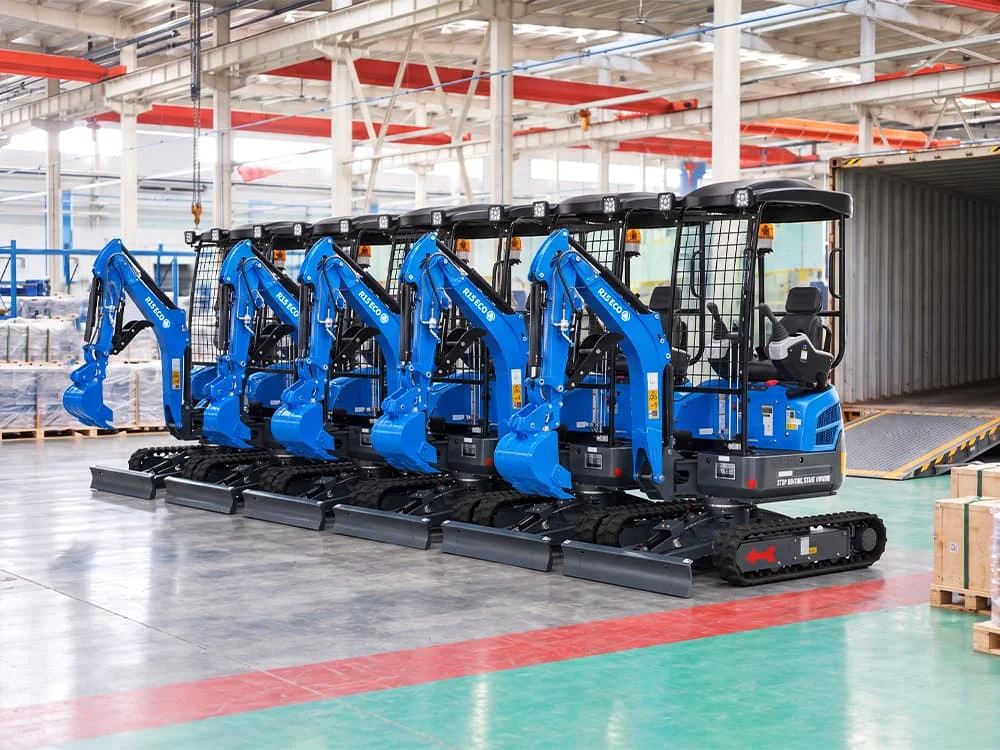
When comparing a mini excavator for sale, look beyond the advertised purchase price. Consider operating weight, machine dimensions, digging depth, hydraulic performance, engine configuration, attachment compatibility, maintenance requirements, parts availability, and service support.
Transportation is another important consideration in the U.S. A machine that is affordable to purchase may not be practical if you do not have a suitable trailer or towing setup for moving it between job sites.
You should also consider how the machine will be used throughout the year. A landscaper working primarily in residential yards may prioritize compact dimensions and maneuverability, while a construction contractor may need greater digging performance and attachment capacity.
Parts and after-sales support should also be considered before placing an order. Routine maintenance is part of equipment ownership, so knowing how filters, wear parts, hydraulic components, and other service items can be obtained can help reduce potential downtime.
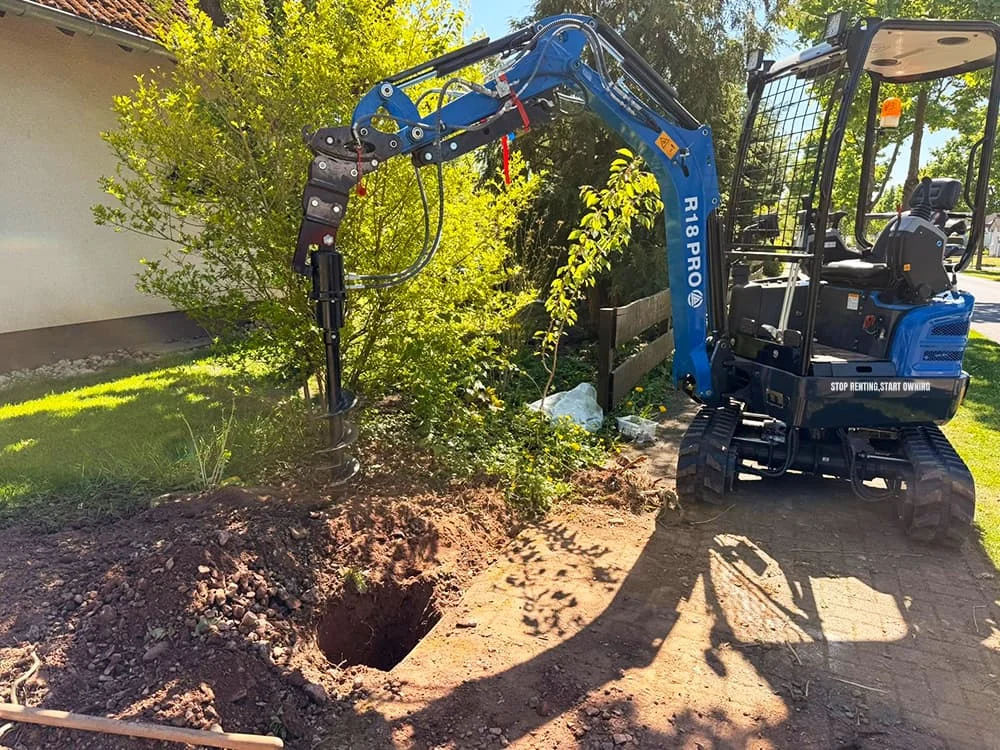
American job sites can vary considerably, from residential backyards and farms to commercial construction projects. This means there is no single machine size that is ideal for every buyer.
For tight-access work, prioritize overall width, maneuverability, and transportation. For more demanding excavation, consider operating weight, digging capability, hydraulic performance, and the attachments you expect to use.
It is also useful to think about your future workload. If you expect your business to take on larger projects, choosing a machine with enough capacity for your planned growth may be more practical than replacing a smaller machine later.
For buyers comparing different compact excavators, reviewing the available models and their intended applications is an important step before requesting a quotation.
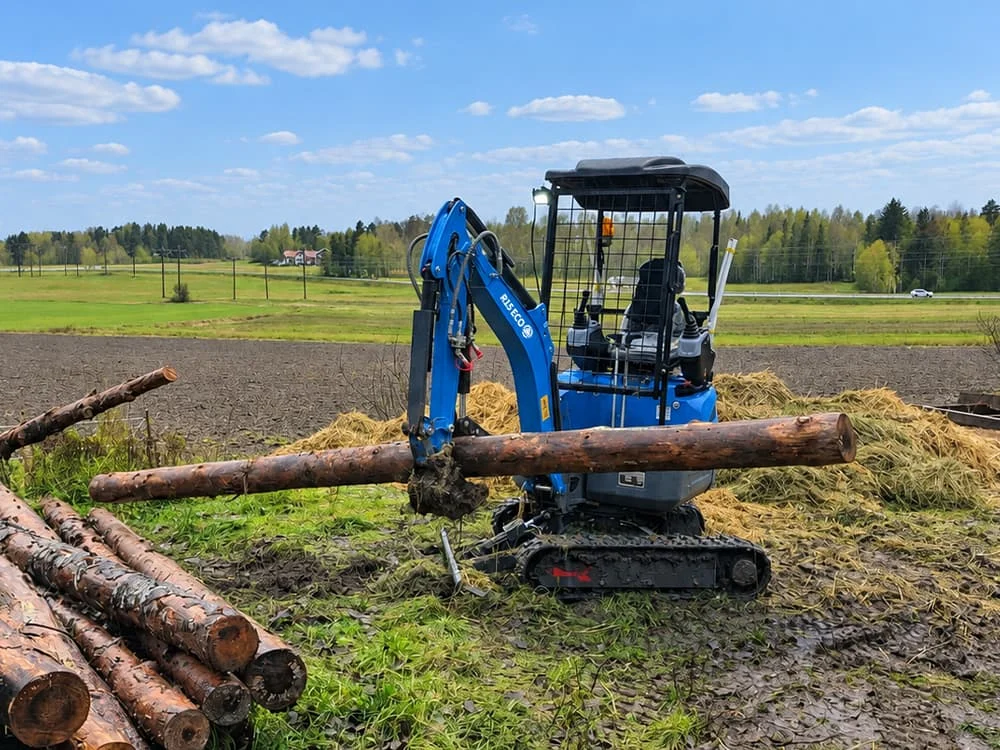
Once you know the machine size and configuration you need, you can compare Rippa mini excavator models based on your specific application.Rippa offers compact excavators across several size classes, giving buyers options for different access conditions and workloads.
The official product range currently includes compact models such as the R06, R10, R13, R15, R18, R22, and R32, covering different operating-weight classes and applications.
If you are still deciding between a compact machine and rental equipment, start by calculating how often you expect to use the excavator. A clear understanding of your workload will make it easier to determine whether purchasing a mini excavator for sale is the right choice for your business or property.
Тел: +8615628788742
Имейл: contact02@rippa.com
WhatsApp: Багер Rippa
Адрес: Шестият индустриален парк, град Джининг, провинция Шандун, Китай

 BG
BG  EN
EN  ES
ES  IT
IT  FR
FR  RU
RU  DE
DE  PT
PT  TR
TR  HR
HR  RO
RO  CS
CS  NN
NN  SL
SL  SV
SV  HU
HU  SK
SK  DA
DA  FI
FI  PL
PL  PT_BR
PT_BR 
