Becoming a mini excavator dealer offers businesses an opportunity to enter the growing construction equipment market. However, successful dealership partnerships require more than purchasing machines and finding customers. Dealers need suitable business qualifications, local market knowledge, sales capabilities, operational resources, and reliable after-sales support.
For companies exploring mini excavators for sale, understanding dealership requirements is an important first step before approaching a manufacturer. Different suppliers may establish different partnership standards based on regional demand, business capacity, and distribution strategy.
This guide explains the key requirements prospective dealers should evaluate, including business qualifications, market development capabilities, operating facilities, service responsibilities, and partnership terms.
Prospective mini excavator dealers generally need a legitimate business structure, adequate financial resources, and the ability to manage equipment sales in their target markets.
Business Registration and Qualifications
A registered business is usually the starting point for dealership discussions. Depending on local regulations, companies may also need commercial licenses, tax registrations, or other documents related to machinery distribution.
Industry Knowledge and Experience
Experience in construction machinery, agricultural equipment, or industrial products can help dealers understand customer requirements. However, previous excavator sales experience is not necessarily a universal requirement.
Financial and Business Capacity
Dealers should evaluate their ability to fund initial equipment purchases, maintain inventory, cover operating expenses, and manage customer payments. Financial planning is particularly important when equipment delivery and sales cycles take several months.
Long-Term Business Commitment
Manufacturers often prefer partners who can develop local customer relationships rather than relying entirely on occasional transactions.
Businesses researching mini excavators for sale should assess these qualifications before beginning dealership negotiations. Specific eligibility criteria must be confirmed with the manufacturer.
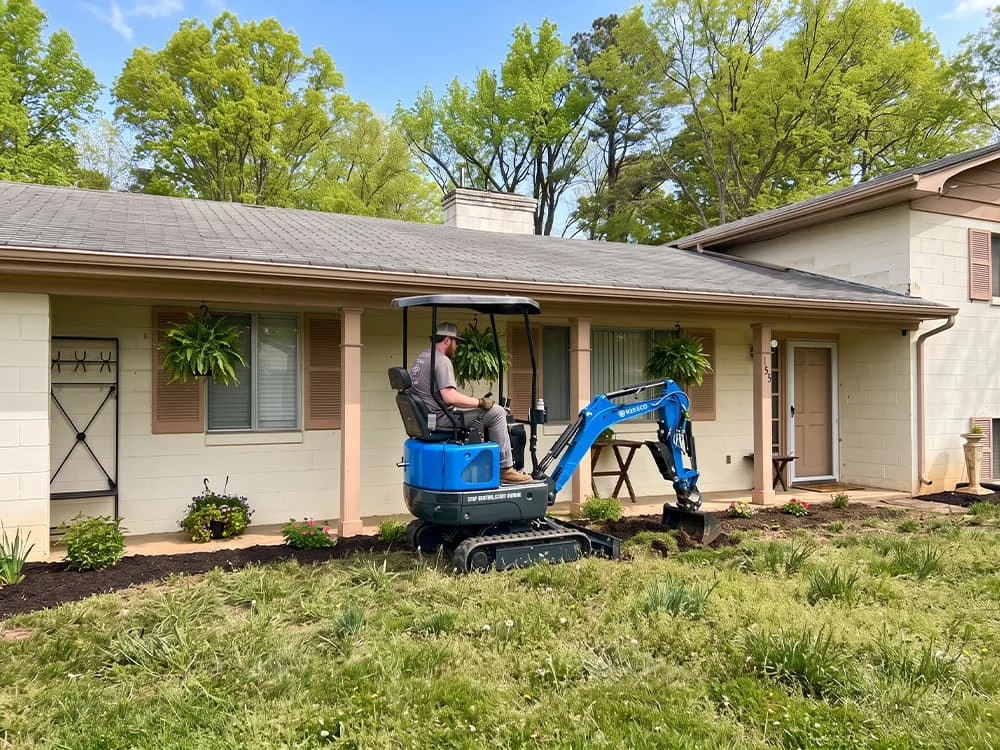
Sales capability is one of the most important factors in building a sustainable equipment dealership.
Understanding Local Customer Demand
Dealers should identify potential buyers, including construction contractors, landscaping companies, agricultural businesses, and commercial equipment users.
For example, customers searching for a small excavator for sale may prioritize access to compact equipment suitable for their specific jobsites.
Understanding purchasing intentions allows dealers to recommend appropriate equipment categories without relying on generic sales messages.
Building Effective Sales Channels
Dealers can reach potential customers through business websites, search engines, industry exhibitions, local partnerships, and direct business development.
A customer searching for a mini excavator for sale may be comparing suppliers, delivery availability, warranty conditions, and after-sales support. Providing clear information helps turn initial inquiries into qualified sales opportunities.
Customer Communication and Follow-Up
Equipment sales often require several discussions before a purchase decision. Dealers should maintain accurate customer records, identify purchasing timelines, and respond promptly to product and service questions.
Market Development Planning
A practical sales plan should identify target customer groups, market opportunities, promotional activities, and measurable business objectives.
These capabilities demonstrate whether a prospective dealer can actively develop a local market.
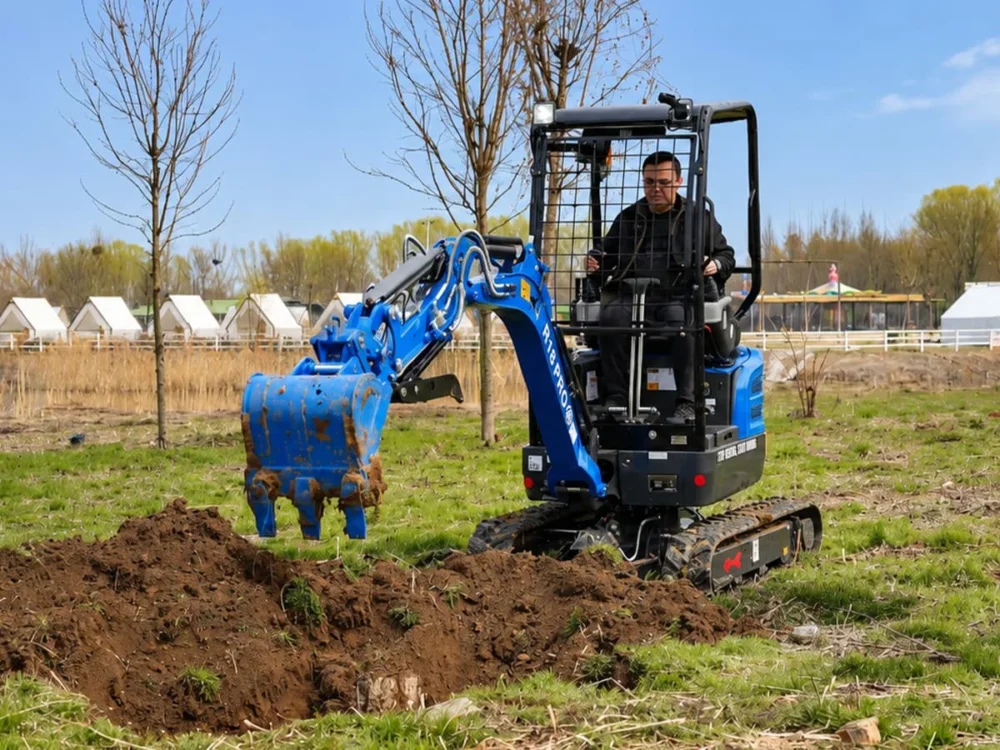
Operational resources influence how efficiently dealers can display, store, deliver, and support construction equipment.
Equipment Display and Demonstration Areas
A suitable display area can help customers inspect machinery and discuss their intended applications. Where practical, supervised equipment demonstrations may improve purchasing confidence.
Businesses marketing compact excavators for sale should consider whether their facilities allow customers to evaluate equipment safely and conveniently.
Equipment Storage Conditions
Machinery requires appropriate storage arrangements to reduce exposure to avoidable damage and unauthorized access.
Storage planning should account for available space, site security, equipment movement, and local operating requirements.
Delivery and Logistics Support
Dealers need a clear process for coordinating equipment arrival, unloading, customer delivery, and related documents.
Depending on the dealership structure, transportation services may be managed internally or through qualified external providers.
Staffing and Daily Operations
Administrative staff, sales personnel, and customer support resources help manage inquiries, contracts, delivery schedules, and ongoing communication.
Not every dealership needs the same facility size or staffing structure. Requirements should reflect market demand and the commercial terms agreed with the supplier.
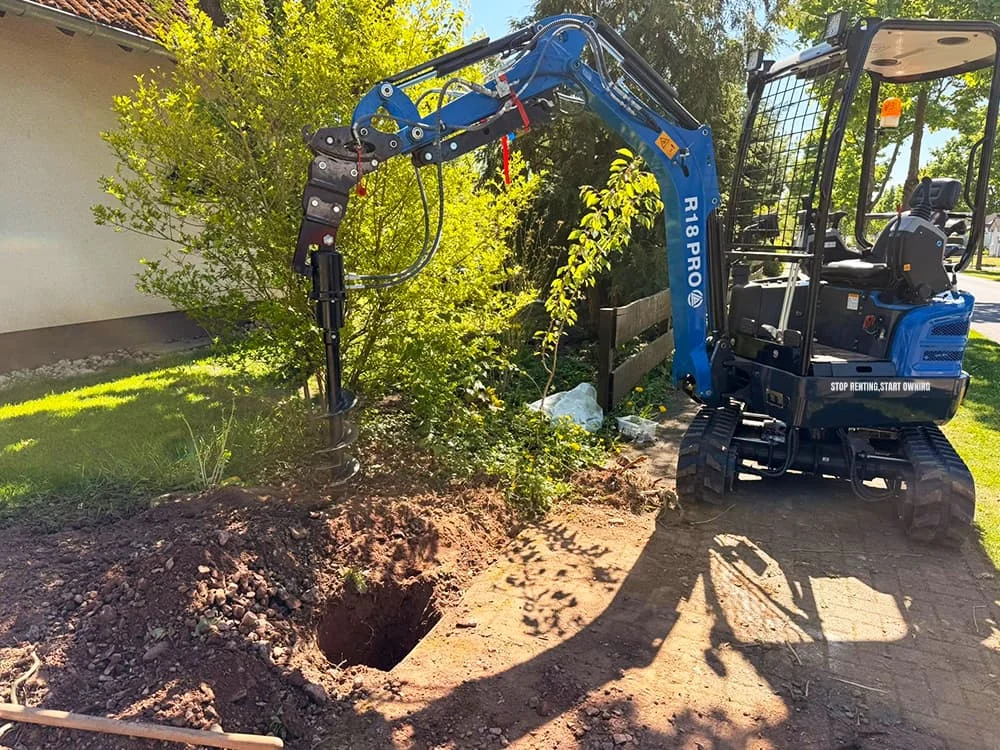
After-sales service helps dealers build customer confidence and maintain long-term business relationships.
Technical Service Capability
Dealers should consider how customers will receive troubleshooting assistance, routine inspections, and repair support.
Technicians need appropriate training and access to reliable service information for the equipment they support.
Spare Parts Availability
Access to mini excavator parts is important for addressing maintenance and repair needs.
Dealers should understand common replacement categories, parts identification procedures, order lead times, and supplier communication channels.
Maintaining suitable parts availability can help customers reduce unnecessary equipment downtime.
Maintenance Guidance
Customers may need guidance on routine inspections, lubrication, fluid checks, and recommended servicing intervals.
Providing accurate mini excavator maintenance information helps customers understand their responsibilities and follow manufacturer-approved procedures.
Warranty and Customer Support
Dealers should establish a process for receiving service requests, documenting reported problems, and coordinating warranty inquiries.
Before entering a partnership, prospective dealers should clarify which services they are expected to provide and which responsibilities remain with the manufacturer.
A well-organized service process can strengthen customer satisfaction and support repeat business.
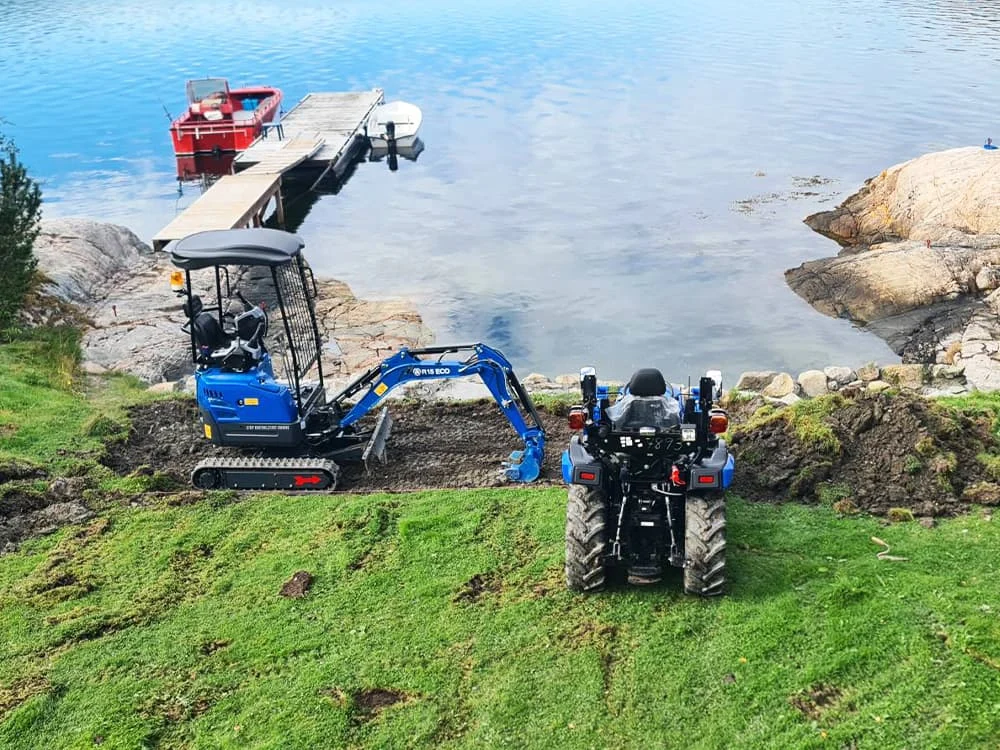
Understanding commercial terms is essential before signing a dealership agreement.
Sales Territory and Distribution Rights
Dealers should clarify their proposed sales territory and whether the arrangement is exclusive or non-exclusive.
Territorial rights, if offered, should be defined in the written agreement.
Purchasing and Inventory Commitments
Some suppliers may discuss initial order quantities, purchasing schedules, inventory expectations, or sales targets.
These conditions vary between manufacturers and should never be assumed without confirmation.
Payment and Delivery Conditions
Prospective partners should review payment arrangements, shipping responsibilities, delivery terms, and procedures for resolving order discrepancies.
After-Sales Responsibilities
Agreements should explain how warranty requests, technical assistance, spare parts orders, and customer complaints will be handled.
Manufacturer Evaluation and Application
When evaluating a Chinese mini excavator supplier, businesses should discuss product availability, communication procedures, commercial expectations, and the documentation needed for a dealership application.
RIPPA is a construction machinery manufacturer offering opportunities for businesses interested in equipment distribution. Companies considering a mini excavator dealership can explore RIPPA distributor opportunities to discuss their target markets, business capabilities, and potential cooperation.
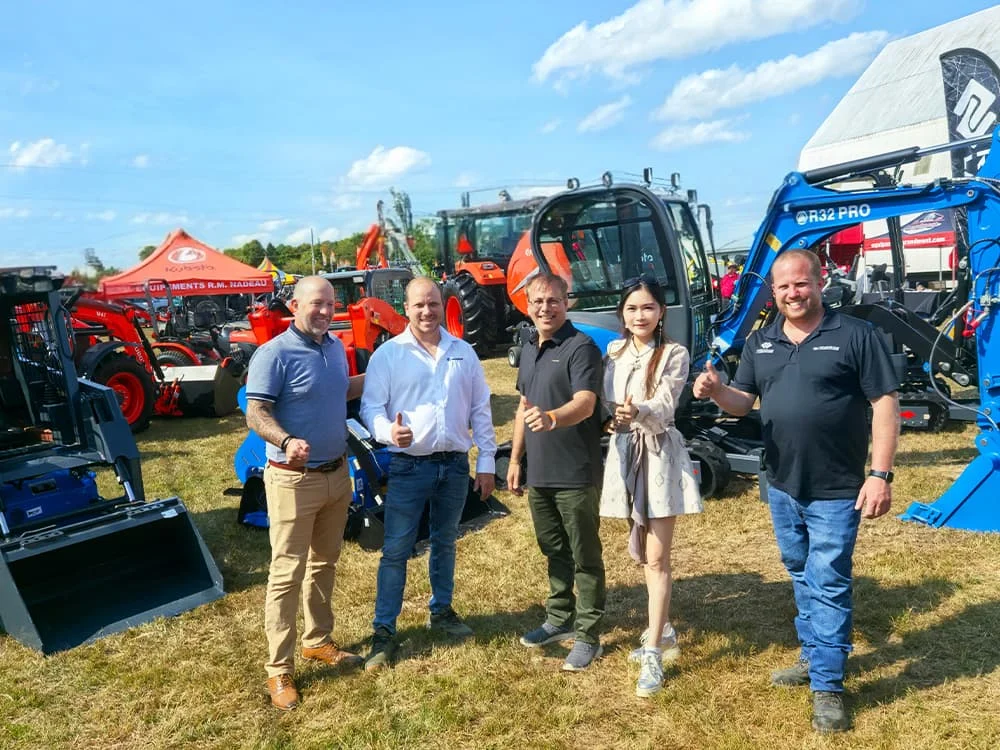
Industry experience can be helpful, but requirements vary by manufacturer. Strong sales capabilities, local market knowledge, and reliable customer support are also important.
Manufacturers may request business registration documents, company information, market plans, and details about sales or service capabilities. Exact requirements should be confirmed directly.
Visit the RIPPA distributor opportunities page to explore cooperation opportunities and contact RIPPA about your business and target market.
Tel: +8615628788742
Email: contact02@rippa.com
WhatsApp: Rippa Excavator
Address: The sixth industrial park,Jining city,Shandong Province,China

 EN
 ES
 IT
 FR
 RU
 DE
 PT
 TR
 BG
 HR
 RO
 CS
 NN
 SL
 SV
 HU
 SK
 DA
 FI
 PL
 PT_BR

