Mini excavators for sale can be a profitable investment for contractors, equipment dealers, and businesses serving construction, landscaping, agriculture, and utility projects. However, profitability depends on more than the purchase price. Market demand, equipment utilization, operating expenses, and the ability to secure consistent customers all influence the return on investment.
For equipment dealers, mini excavators can also represent an opportunity to develop a long-term business. Instead of purchasing a machine for one project, dealers can build a customer base by supplying compact equipment to contractors, property owners, and other businesses. Understanding local demand and choosing a reliable manufacturing partner are important steps before entering this market.
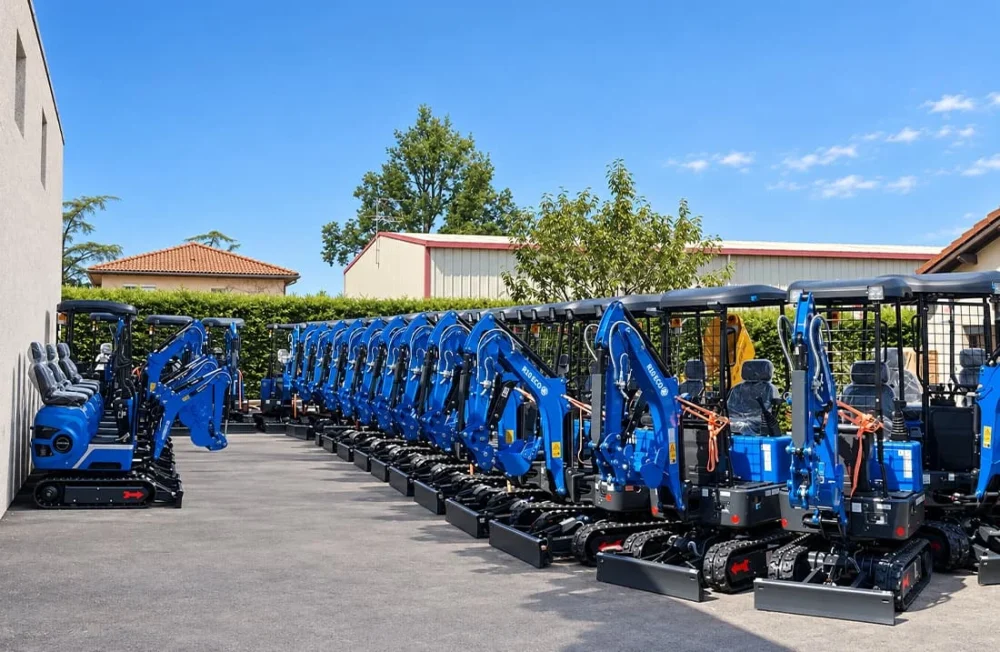
Mini excavators generate value by helping operators complete digging, trenching, landscaping, site preparation, and other compact construction tasks. For contractors, these applications can create project revenue while reducing dependence on manually intensive work.
For equipment dealers, revenue opportunities come from supplying machines to customers with different job requirements. A business offering a suitable range of mini excavators for sale may serve landscaping companies, small construction contractors, farms, and utility service providers.
Dealers should evaluate the types of customers in their target markets before choosing their inventory. Some customers prioritize maneuverability for residential jobs, while others need versatile equipment for regular commercial work. Understanding these differences helps dealers select products that match local demand and develop more effective sales strategies.
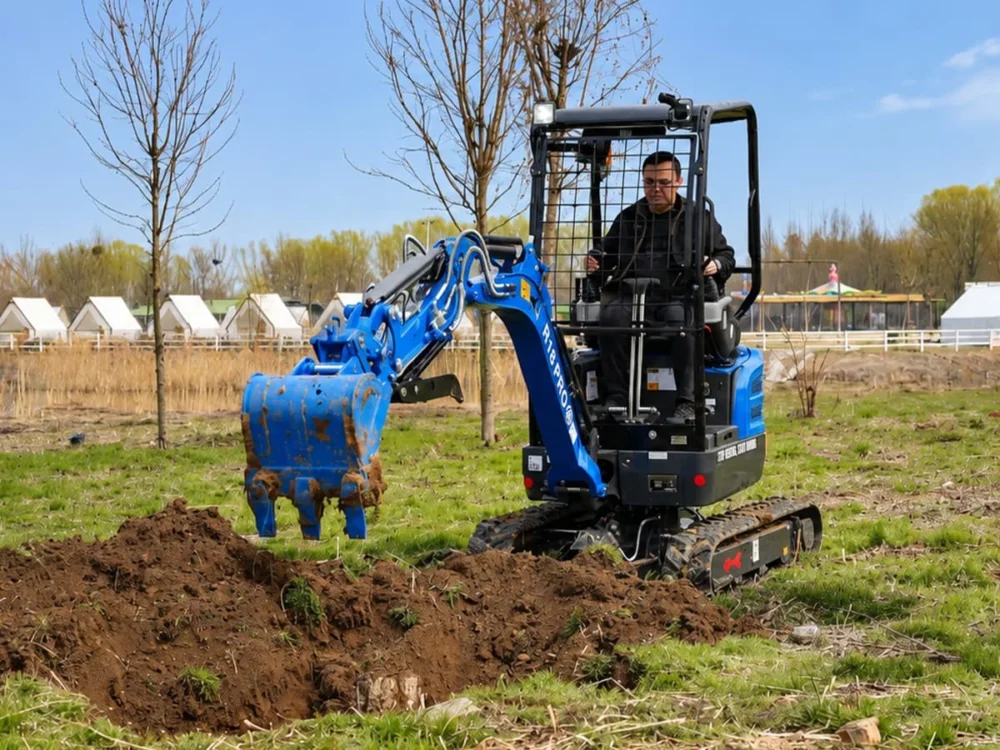
Several factors influence whether a mini excavator delivers an attractive financial return. These include purchase costs, demand, utilization, maintenance expenses, and the time required to find paying work.
For contractors, a machine that remains productive across multiple projects may generate more value than one used only occasionally. For dealers, profitability also depends on inventory turnover, customer acquisition costs, supplier reliability, and the ability to offer products suited to the local market.
When comparing a small excavator for sale with larger equipment, buyers should consider the jobs they expect to handle most frequently. Compact excavators for sale may appeal to customers who work in restricted spaces or need equipment that can move between different job sites.
Dealers should also evaluate the broader market rather than relying on a single popular model. A clear understanding of customer needs can help businesses make more informed purchasing and inventory decisions.
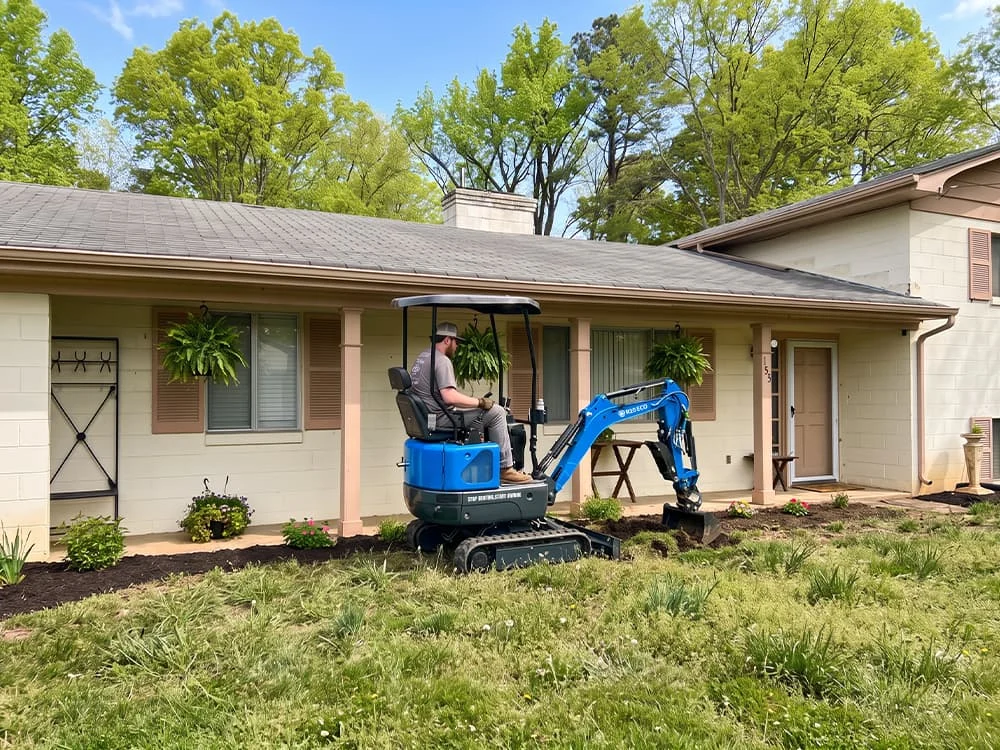
Mini excavator price varies according to machine configuration, supplier, included equipment, shipping arrangements, and other purchasing conditions. The advertised price is therefore only one part of the total investment.
Before purchasing a mini excavator for sale, buyers should calculate the expected costs of transportation, insurance, financing where applicable, maintenance, storage, and other operating expenses. Dealers importing equipment should also account for relevant duties, customs procedures, and local compliance requirements.
A useful way to assess profitability is to estimate the net income generated by the machine after applicable expenses. Dividing the total investment by the expected monthly net income provides an estimated payback period. This is a planning estimate rather than a guarantee, because actual results depend on customer demand, utilization, and unexpected costs.
For dealers, comparing suppliers on total landed cost—not simply factory price—can provide a clearer picture of potential margins.
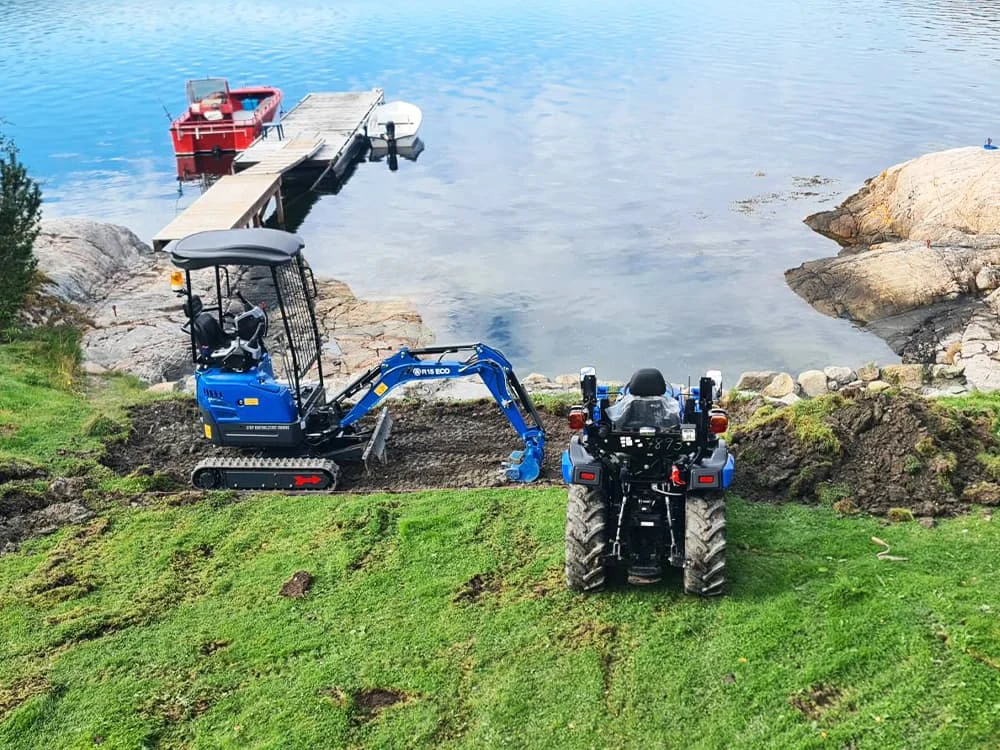
Mini excavator maintenance plays an important role in protecting equipment value and controlling long-term ownership costs. Routine inspections, cleaning, lubrication, and timely replacement of worn components can help reduce avoidable downtime.
For contractors, unexpected breakdowns may interrupt projects and delay revenue. For dealers, maintenance considerations affect customer satisfaction and the long-term reputation of the business. Buyers should therefore ask suppliers about maintenance documentation, parts availability, technical information, and procedures for obtaining support.
Businesses evaluating the best Chinese mini excavator for the money should compare more than the initial purchase price. Machine suitability, parts access, supplier communication, and the practicality of routine servicing all contribute to long-term value.
A dealer that understands these ownership considerations can also provide more useful guidance to customers and build stronger business relationships.
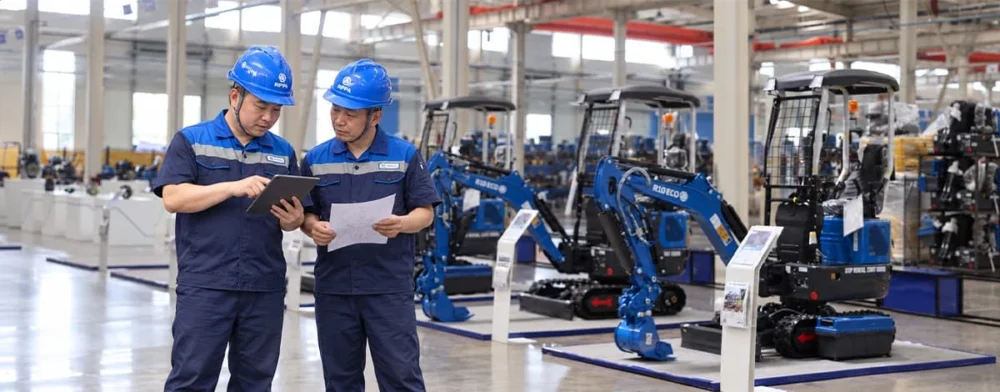
Buying a mini excavator can deliver a positive return when the equipment matches real demand and generates enough income to cover its total costs. Contractors should estimate expected working hours, project revenue, and ongoing expenses before making a purchase.
For equipment dealers, the opportunity may be different. A profitable dealership requires a clear target market, appropriate inventory planning, competitive purchasing costs, and a dependable manufacturing relationship. Dealers should assess whether potential customers need compact construction equipment and whether they can provide effective sales and customer support.
RIPPA Group manufactures construction machinery, including mini excavators, for international markets. Businesses interested in becoming equipment dealers can explore Rippa mini excavator models to understand the available product range and identify options that may suit their target customers.
For prospective distributors, the next step is to evaluate local demand, expected order volumes, logistics, and the terms of a potential supplier relationship. Building a dealership around suitable products and a clearly defined customer base can create a stronger foundation for long-term growth.
Businesses considering a dealership opportunity can contact RIPPA Group to discuss product options and potential cooperation.
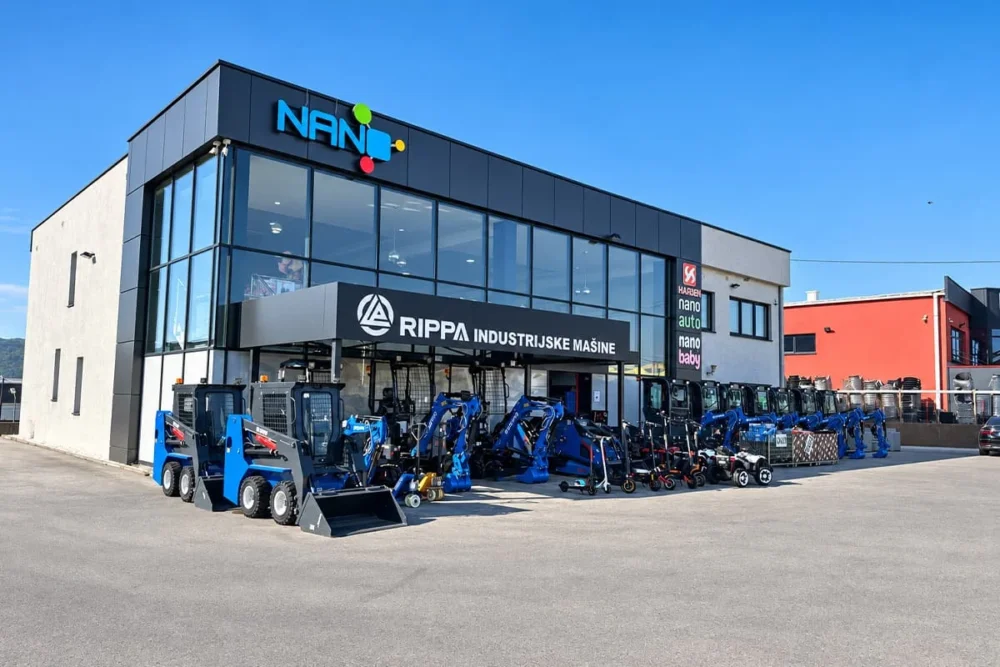
They can be profitable when local demand, purchasing costs, inventory turnover, and customer acquisition are managed effectively.
Estimate total investment and operating expenses, then compare them with expected net income. Actual payback depends on utilization and market conditions.
Evaluate the supplier, total landed cost, product suitability, shipping requirements, documentation, and available parts support.
Contact RIPPA Group to discuss your target market, business plans, product requirements, and potential distributor cooperation.
Tel: +8615628788742
Email: contact02@rippa.com
WhatsApp: Rippa Excavator
Address: The sixth industrial park,Jining city,Shandong Province,China

 EN
EN  ES
ES  IT
IT  FR
FR  RU
RU  DE
DE  PT
PT  TR
TR  BG
BG  HR
HR  RO
RO  CS
CS  NN
NN  SL
SL  SV
SV  HU
HU  SK
SK  DA
DA  FI
FI  PL
PL  PT_BR
PT_BR 
